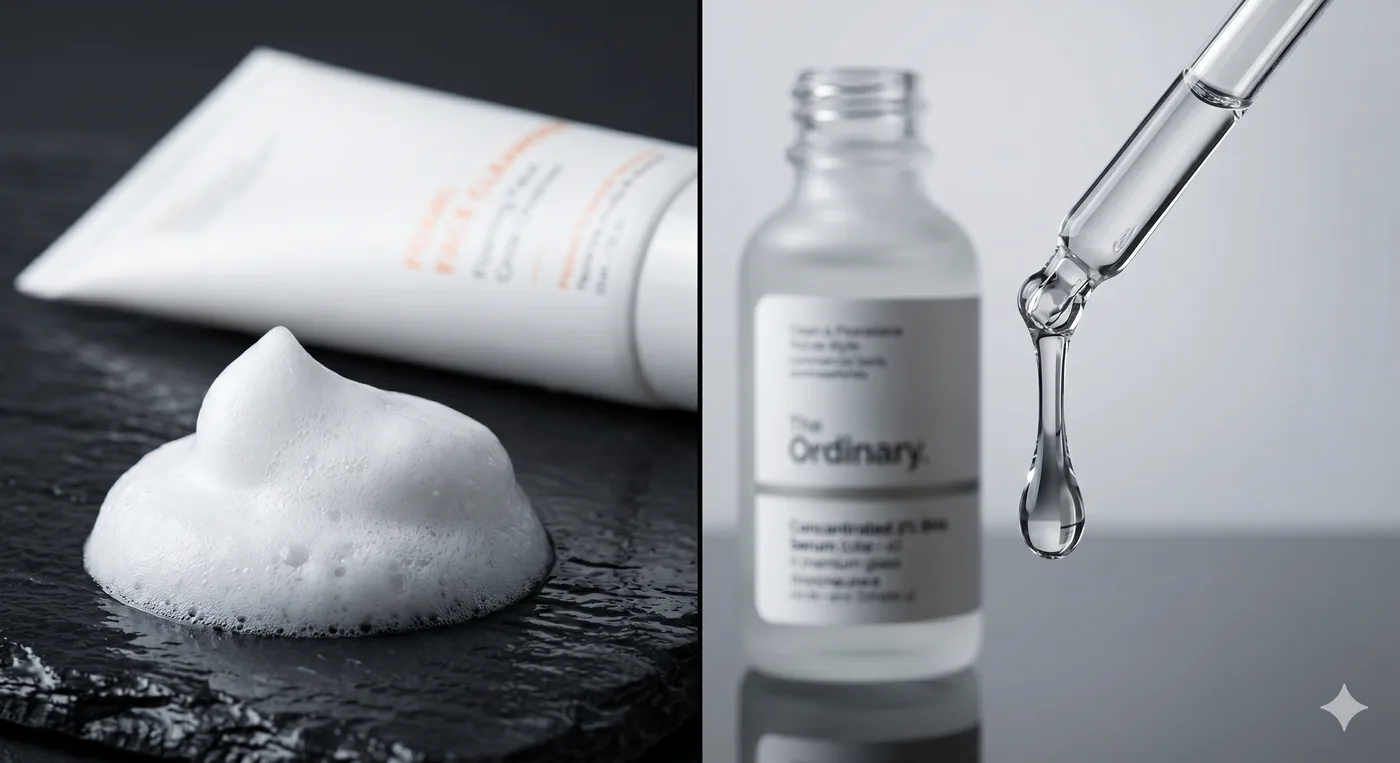
1% vs. 2% Salicylic Acid: The Ultimate Comparison Matrix
Here is the direct dermatological comparison to help you choose the right percentage based on your skin type, current acne severity, and routine compatibility:
| Clinical Feature | 1% Salicylic Acid | 2% Salicylic Acid |
|---|---|---|
| Primary Goal | Daily maintenance, gentle exfoliation & prevention | Active pustules, stubborn blackheads, severe oil control |
| Best Product Format | Daily foaming face washes, lightweight oil-free lotions | Foaming cleansers, leave-on serums, targeted spot gels |
| Ideal Skin Type | Sensitive, normal, dry-to-combination, teen skin | Severely oily, thick, resilient, and congested skin |
| Barrier Irritation Risk | Extremely low (<5% experience dryness or stinging) | Moderate (can trigger peeling and flaking if used daily) |
| Usage Frequency | Safe for daily use (AM & PM in cleansers) | Daily in wash-off cleansers; 2–3 nights/week in leave-on serums |
| Beginner Friendly? | Yes · Perfect starting point | Proceed with caution; start with wash-off forms first |
| Pairing with Retinoids | Safe to use on alternate days with Adapalene / Tretinoin | High risk of barrier collapse if layered together |
| Top Indian Pharmacy / Retail Pick | The Derma Co 1% Gel Wash / Plum Green Tea | Cipla Saslic DS Wash / Minimalist 2% SA Serum / Sebogel |
How Salicylic Acid Works Inside the Follicle
Before selecting a concentration, it is essential to understand why Salicylic Acid (BHA) treats acne differently than any other chemical exfoliant:
Alpha Hydroxy Acids (AHAs like Glycolic or Lactic acid) are water-soluble. They dissolve in water but cannot mix with oils. As a result, AHAs remain on the outer stratum corneum—polishing away dead surface skin flakes for an immediate glow, but leaving the sebum clog inside your pores untouched.
Salicylic Acid (C₇H₆O₃) is a Beta Hydroxy Acid that is lipophilic (oil-soluble). Its molecular structure allows it to dissolve freely in skin lipids:
The Follicular "Pipe-Cleaner" Mechanism
Inside hair follicles, dead skin cells are held together by protein junctions called desmosomes. Salicylic Acid dissolves these cellular bonds. Trapped sebum, dead keratin flakes, and acne bacteria are released and shed naturally rather than compacting into hard blackhead plugs. Additionally, as an aspirin derivative, it suppresses inflammatory NF-κB pathways to calm red, swollen acne lesions.
The Salicylic Acid Concentration Ladder: 0.5% to 20%+
Different strengths produce dramatically different biological outcomes on the skin. Here is how dermatologists categorize the concentration tiers:
The Gentle Sweeper
Commonly found in daily face washes, body washes (e.g. Be Bodywise 1%), and soothing hydrating gels. It removes surface sebum without stripping intercellular lipid ceramides.
Tolerability: Very high; virtually zero downtime or peeling
The Clinical Gold Standard
The maximum concentration approved for over-the-counter acne therapy. Found in cult serums (Minimalist, Paula's Choice) and pharmacy washes (Saslic DS).
Tolerability: High in wash-off forms; requires buffering in leave-on serums
Rx Keratolytic Ointments
Found in pharmacy formulations like Salicylix SF 12. NOT FOR ACNE. Intended strictly for hyperkeratotic conditions like thick foot calluses and psoriasis plaques.
In-Clinic Professional Peels
Administered exclusively by board-certified dermatologists for severe acne scarring and melasma. Neutralized within 3 to 5 minutes under medical supervision.
Short-Contact Therapy: The 2-Minute Contact Rule
Top dermatologists frequently recommend "Short-Contact Therapy" as the ultimate compromise between high potency and barrier safety:
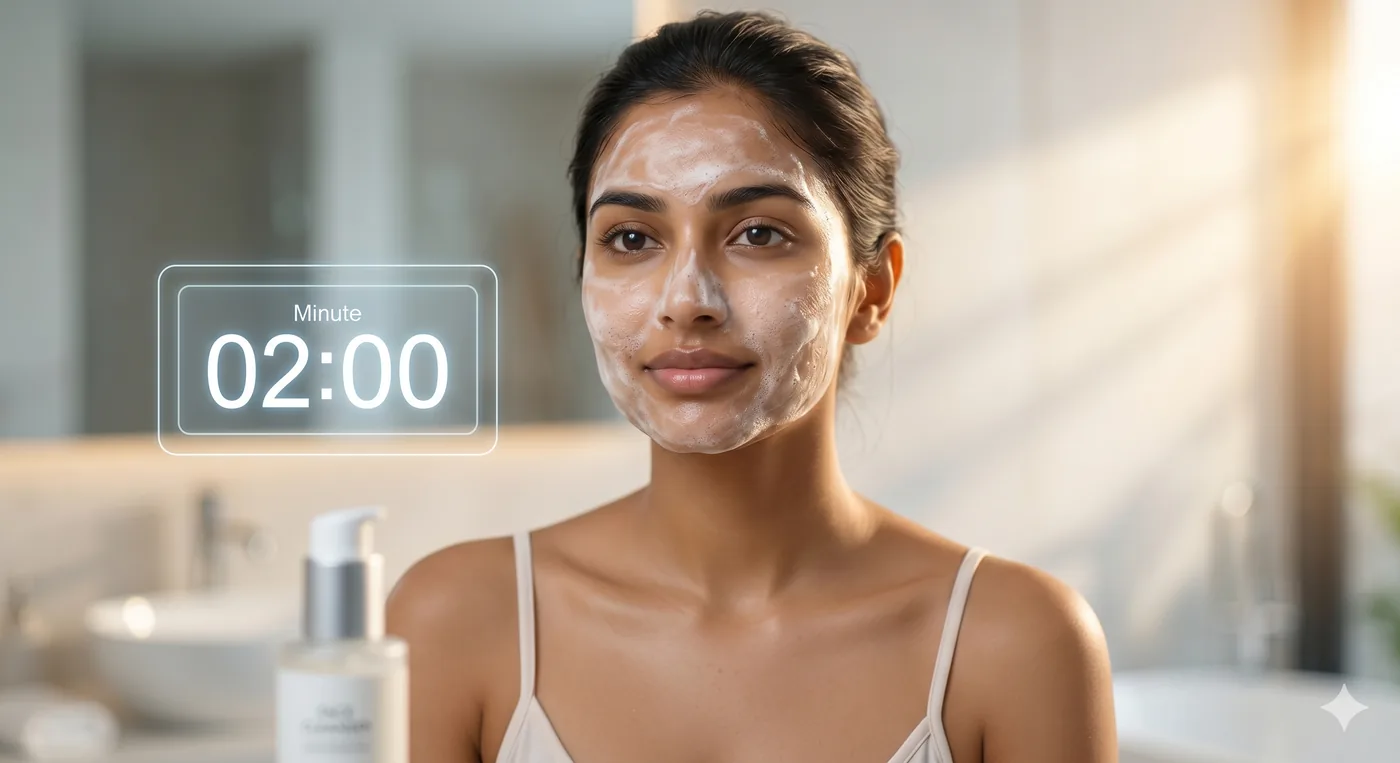
Apply to Damp Skin
Dispense 1 pump of a 2% Salicylic Acid cleanser (like Cipla Saslic DS or Minimalist 2% SA Cleanser) and gently massage across your forehead, nose, and chin.
Wait for 60 to 120 Seconds
Instead of washing it off immediately, let the foam sit on your skin while you brush your teeth. Lipophilic BHA acts rapidly—60 seconds is all it needs to dissolve surface oil and enter hair follicles.
Rinse Completely with Lukewarm Water
Rinse thoroughly. Because the acid is removed before it can penetrate into deeper, living epidermal layers, your skin gets full decongestion with zero barrier peeling.
Step-by-Step AM & PM Schedules for 1% and 2%
Here is how to safely integrate each concentration into your daily routine:
Daily Maintenance Schedule
- Morning (AM): Wash with a 1% Salicylic Acid cleanser. Follow with a light hyaluronic gel and SPF 50 sunscreen.
- Evening (PM): Cleanse with a gentle face wash. Apply an oil-free moisturizer. (Safe to use prescribed retinoids on alternate nights).
2-to-3 Nights Weekly Cycle
- Monday & Thursday Nights: Wash with a gentle, non-active cleanser. Pat completely dry. Apply 2–3 drops of 2% BHA serum. Wait 3 minutes, then seal with a ceramide cream.
- Remaining Nights: Rest your skin barrier with hydrating humectants (Niacinamide, Glycerin). Never mix with retinol on the same night.
Safety, Toxicity & Precautions: What You Must Know
While Salicylic Acid is widely available over the counter, it is an aspirin derivative (a salicylate) and requires clear boundaries:
1. Salicylate Sensitivity & Toxicity (Salicylism)
Applying high concentrations (such as 10% or 12% ointments) over large surface areas of the body can lead to systemic bloodstream absorption. Symptoms of toxicity include dizziness, nausea, and ringing in the ears (tinnitus). If you have an aspirin allergy, avoid Salicylic Acid and opt for Azelaic Acid instead.
2. Pregnancy & Nursing Guidelines
The American College of Obstetricians and Gynecologists (ACOG) considers topical OTC Salicylic Acid up to 2% used in small areas (face washes or spot gels) safe due to minimal systemic absorption. However, high-strength chemical peels and extensive body applications should be strictly avoided. Always consult your gynecologist or dermatologist.
5 Costly Salicylic Acid Mistakes to Avoid
Avoid these common habits that transform beneficial BHA into sudden barrier breakdown:
🚫 Using 2% Leave-On Serum Every Single Day
Daily use of 2% leave-on serum strips the acid mantle, triggering redness, flaking, and severe rebound oiliness within 10 days.
🚫 Applying BHA Serum onto Damp Skin
Applying exfoliating acids to damp skin dramatically increases penetration depth, causing unexpected stinging and chemical burns.
🚫 Stacking BHA With Physical Walnut Scrubs
Combining chemical exfoliation with abrasive physical scrubs creates micro-tears in the stratum corneum that invite bacterial infection.
🚫 Layering BHA and Retinol on the Same Night
Using Salicylic Acid and Retinoids (Adapalene/Tretinoin) at the same time overwhelms skin repair mechanisms. Alternate them on separate nights.