Best fit
Comedonal acne, blackheads, whiteheads, recurring clogged pores, and maintenance after active breakouts are calmer.
Adapalene can be useful for clogged pores and acne maintenance, but Indian skin often needs a slower start because irritation can leave longer-lasting dark marks.
Start your free AI skin scan
This page is for people who are considering adapalene, already bought a gel, or are trying to understand why their skin is flaking, purging, or burning. It does not replace a prescription plan. It helps you separate expected retinoid adjustment from avoidable irritation, especially when post-inflammatory hyperpigmentation is a concern.
Comedonal acne, blackheads, whiteheads, recurring clogged pores, and maintenance after active breakouts are calmer.
Sensitive skin, eczema-prone skin, recent peels, active barrier damage, pregnancy, breastfeeding, or a history of strong PIH after irritation.
Daily use from night one is a common reason people quit. A slower schedule is usually easier to sustain than a dramatic “purge or nothing” approach.
Use MyMirror before starting and again after four to six weeks in the same lighting. The scan can help you compare visible clogged areas, inflamed spots, texture, and marks. It cannot tell you whether adapalene is medically appropriate or diagnose a purge.
Keep the scan as a visible record. It can help you compare active bumps, clogged-looking areas, redness, oiliness, texture, and dark marks. It cannot diagnose acne type, identify a medical allergy, prescribe a drug, or replace urgent care.
On medium to deep Indian skin tones, the visible problem after acne is often not only the pimple. It is the brown mark that stays after the inflammation settles. Adapalene can help prevent new clogged pores over time, but if it causes burning, peeling, or repeated inflammation, the routine itself can become a new PIH trigger.
| Signal | What it can mean | Safer next move |
|---|---|---|
| Retinization | Dryness, mild flaking, and a tight feeling can happen when a retinoid is introduced. | Start two or three nights a week and judge tolerance before increasing. |
| Purge vs irritation | A purge tends to look like acne in usual breakout zones; irritation looks more like burning, rashy redness, or raw skin. | Pause and simplify if the face stings during gentle cleansing or moisturizer. |
| PIH risk | Inflamed pimples and irritated skin can both leave brown marks on Indian skin. | The goal is fewer inflamed events, not maximum peeling. |
| Sun sensitivity | Retinoid routines make sunscreen discipline more important. | Daily SPF and shade reduce the chance that dark marks linger or deepen. |
A safer adapalene plan is intentionally boring. The product is only one part of the routine; moisturizer, sunscreen, dose, and spacing decide whether the skin can stay with it long enough to benefit.
Use a pea-sized amount for the whole face, not a pea on every pimple. Avoid eyelids, corners of the nose, lips, and broken skin. More gel usually means more irritation, not faster acne control.
Apply moisturizer, then adapalene, then another light moisturizer layer. This can reduce early dryness while still letting you build consistency.
Try two nights a week for two weeks, then alternate nights if comfortable. Increase only when skin feels normal the next morning.
Do not stack strong exfoliating acids, scrubs, peels, benzoyl peroxide, or alcohol-heavy toners on the same night unless a dermatologist told you to.
Use a gentle cleanser, moisturizer, and broad-spectrum sunscreen. Without sunscreen, PIH improvement is much harder to judge.
The most useful adapalene product decision is not which tube looks strongest. It is whether the label, strength, vehicle, and support routine match a slow retinoid introduction. Product names also vary by country and pharmacy channel, so treat examples as a way to read labels, not as endorsements or a substitute for medical advice.
| Format | Product examples / label clues | Useful for | Watch-outs |
|---|---|---|---|
| Adapalene 0.1% gel | Common retinoid format; Differin Gel is a well-known OTC example in some markets, while Indian access may vary by brand and prescription status. | People with mostly clogged pores, blackheads, whiteheads, and recurring acne-prone zones who can commit to slow use. | Still irritating if overused. A pea-sized full-face amount is very different from a thick spot layer. |
| Adapalene cream or lotion vehicle | Some prescription products use a creamier vehicle instead of a clear gel. | Skin that becomes tight or flaky with gels, if a clinician recommends that format. | A richer vehicle may feel more comfortable but can still cause retinization and PIH-triggering irritation. |
| Adapalene plus benzoyl peroxide combination | Fixed combinations exist in some prescription acne plans. | Inflamed acne where a dermatologist wants both a retinoid and benzoyl peroxide effect in one plan. | More irritation potential. Do not build your own aggressive same-night stack unless directed. |
| Support products around adapalene | Gentle cleanser, bland moisturizer, and broad-spectrum sunscreen are part of the product system. | Anyone starting a retinoid, especially Indian skin that marks after irritation. | Buying adapalene without barrier support often leads to stopping early or creating avoidable PIH. |
Examples only, not endorsements. These product cards are visible label examples from Indian brand or retailer pages. Use them to compare active ingredients, format, and warnings; do not treat them as medical recommendations or rankings.
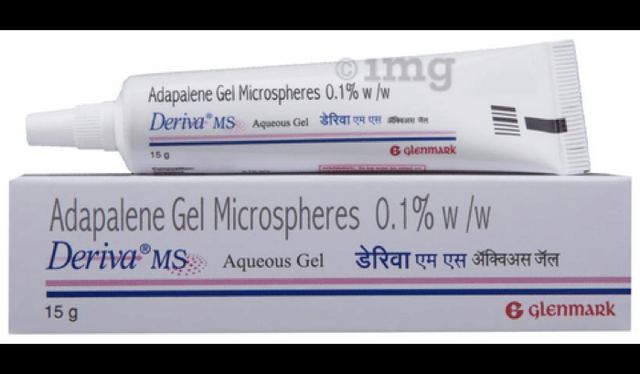
A Tata 1mg-listed adapalene microsphere gel from Glenmark; useful as a label-reading example for 0.1% adapalene.
Prescription/medical-use context. Do not self-start during pregnancy or on irritated skin.
View product source →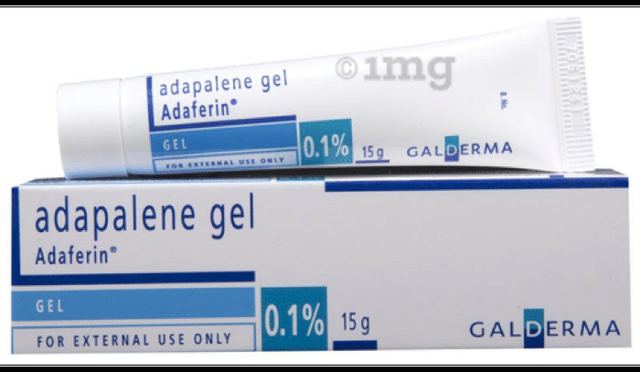
A Galderma India adapalene gel listing; helpful for comparing active ingredient, strength, and instructions.
Use only as directed. Retinoid irritation can worsen PIH if pushed too fast.
View product source →
Another Indian pharmacy adapalene listing; compare vehicle, brand, and substitute notes rather than buying by price alone.
Ask a dermatologist if acne is painful, scarring, or mixed with eczema-like irritation.
View product source →In search results and pharmacies you may see international OTC adapalene gels, Indian prescription adapalene gels, and retinoid-adjacent cosmetic products sold with similar acne language. The active ingredient line matters more than the front label. A “retinol night cream” is not the same decision as adapalene. A fixed adapalene-benzoyl peroxide product is also not the same decision as plain adapalene gel. For Indian skin, the practical product choice is usually the simplest medically appropriate format plus a routine that makes irritation less likely.
If you do not already own a gentle cleanser, non-stinging moisturizer, and sunscreen you will actually wear, buy those before chasing a stronger retinoid. If adapalene is appropriate for you, choose the lowest sensible entry format and build frequency slowly. Skip bundles that sell multiple acne actives together unless a clinician has mapped the schedule, because the bundle is where many people accidentally create barrier burn.
The easiest way to misread adapalene gel for acne Indian skin is to change the active, cleanser, moisturizer, sunscreen, and spot treatment in the same week. When the skin improves, you will not know what helped. When it flares, you will not know what caused it. Use this small experiment structure before judging the product or routine.
Take one front-facing photo and one close photo in indirect light. Note active pimples, clogged-looking areas, redness, oiliness, flaking, burning, and existing marks separately. This stops every dark spot from being blamed on the newest product.
Change only the step this page is about. Keep cleanser, sunscreen, moisturizer, and acne actives otherwise stable. If the face stings, peels aggressively, or develops a rash, simplify instead of pushing through for “results.”
Compare the same zones in the same lighting. Useful signs include fewer new inflamed spots, less tightness, cleaner sunscreen removal, or calmer marks. Concerning signs include spreading rash, painful cysts, raw skin, or new bumps in unusual areas.
A win is not perfect skin in two weeks. A win is a routine that your skin can tolerate and that makes the next decision clearer. For acne-prone Indian skin, less irritation is part of the result because irritation can leave PIH long after the original breakout is gone. If you cannot tell what changed, return to the baseline routine and get professional advice before adding another active.
Adapalene gel for acne on Indian skin: how to use it without wrecking your barrier is not a standalone skin plan. Acne-prone skin usually improves when the surrounding routine is predictable: gentle cleanse, barrier support, sun protection, and one treatment decision at a time.
Keep mornings simple: gentle cleanser if needed, light moisturizer if skin feels tight, and sunscreen. This matters because PIH and irritation are harder to interpret when sun exposure and barrier damage keep changing the baseline.
Use the night routine for the active or cleansing decision, not every possible treatment. If you need adapalene, benzoyl peroxide, exfoliation, and pigment care, sequence them with professional guidance instead of layering them all together.
A dermatologist can help you decide whether adapalene is the right retinoid, whether you need a different acne plan, and whether dark marks require separate treatment. Bring a simple timeline rather than only a product list.
A lot of acne searches push you toward more actives. MyMirror’s better role is quieter: help you describe what is visible, change one variable at a time, and notice when irritation is becoming the bigger problem.
Seek professional care for painful cysts, scarring, rapidly worsening acne, rash, swelling, infection signs, pregnancy-related medication questions, or skin changes that worry you.
It can bring existing clogged pores to the surface for some people, especially in usual breakout zones. Purging should not feel like a chemical burn. If the skin is raw, swollen, or rashy, treat that as irritation rather than proof the product is working.
Many people do better starting two or three nights a week, then increasing slowly if the skin feels comfortable. The best schedule is the one your barrier can tolerate consistently.
Adapalene may reduce future clogged pores and inflammation, which can reduce new marks. Existing PIH often also needs sun protection, time, and sometimes separate ingredients or prescription care.
Some dermatologist-directed routines combine retinoids and benzoyl peroxide, but the combination can irritate. If you are self-managing, separate strong actives and ask a clinician before layering them aggressively.
Yes. The sandwich method is commonly used to reduce irritation: moisturizer first, a small amount of adapalene, then moisturizer again if needed.
Pause the active, simplify to gentle cleanser, moisturizer, and sunscreen, and seek advice if burning, swelling, crusting, or rash continues. Burning is not a required stage.
Do not start retinoids during pregnancy, while trying to conceive, or while breastfeeding without medical advice. Ask a dermatologist or obstetrician for pregnancy-safe acne options.
Acne routines are usually judged over weeks, not days. Many people need eight to twelve weeks to fairly assess a retinoid plan, assuming the skin barrier is tolerating it.
This page uses cautious public dermatology and regulatory references for safety boundaries: AAD acne treatment overview, AAD acne in skin of color, FDA adapalene gel label.
Use MyMirror to organize what you can see today. Keep the routine simple, protect the barrier, and get medical help when acne is painful, scarring, persistent, or confusing.
Start your free AI skin scan