
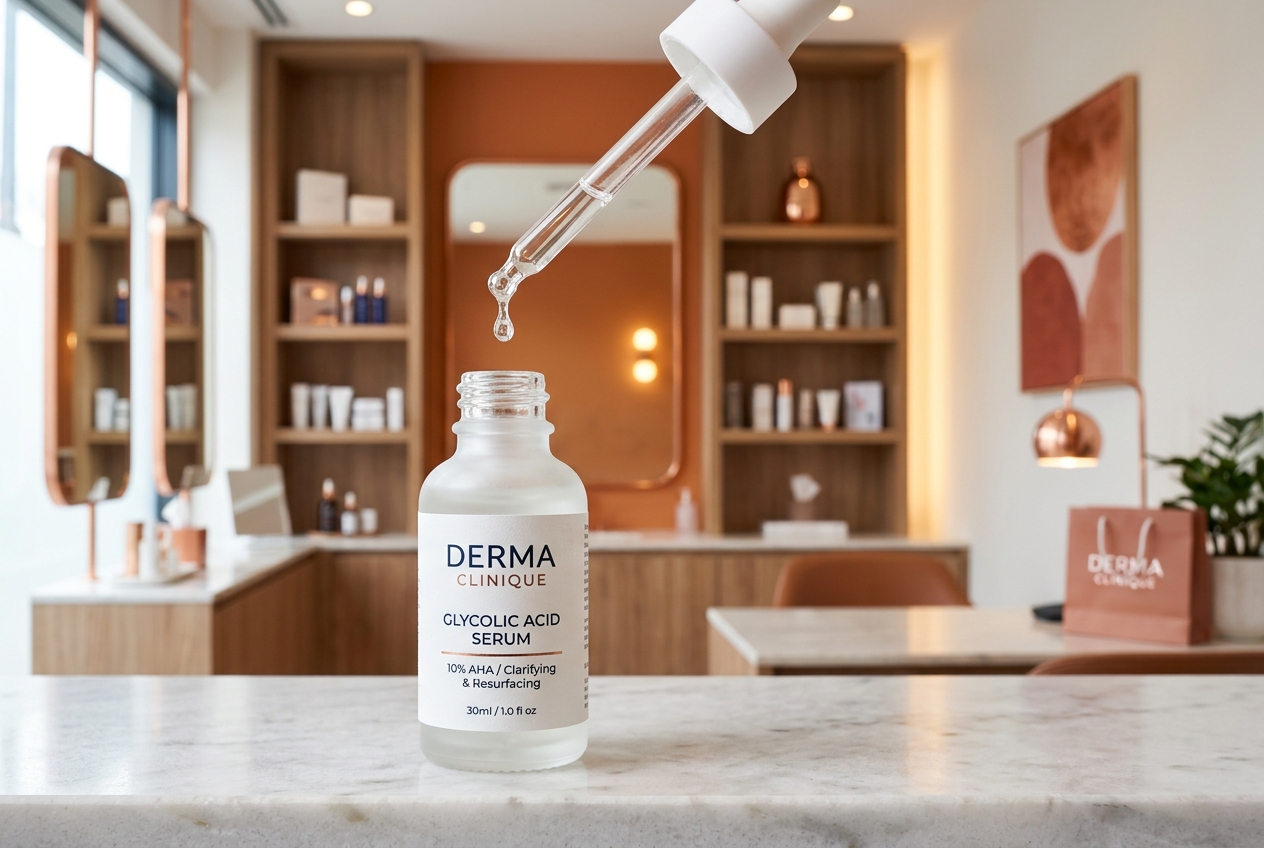
Once active back acne clears, it often leaves a map of dark brown or red spots. Body skin is thick and heals slowly, meaning post-acne marks (Post-Inflammatory Hyperpigmentation or PIH) can linger for months. Fading back marks requires a combination of chemical exfoliating sprays and melanin-inhibiting creams that speed up body skin turnover.
1. Biological Pathway & Connection to Breakouts
Hyperpigmentation occurs when active acne inflammation triggers excess melanin production in the surrounding skin cells. Because the dermis and epidermis on the back are much thicker than on the face, the pigment is deposited deeper and takes longer to slough off. Active ingredients like Glycolic Acid help break the cellular bonds of dead surface cells, allowing new, unpigmented skin cells to rise to the surface.
Fading PIH & PIE vs. True Pitted Scars on Indian Skin
It is clinically vital to distinguish between flat post-acne spots and true textured scars, as their biological repair pathways differ completely:
- Post-Inflammatory Hyperpigmentation (PIH): Flat, brown or dark spots. They occur when melanocytes produce excess melanin in response to inflammation. Highly common in Indian skin (Fitzpatrick types III-VI).
- Post-Inflammatory Erythema (PIE): Flat, red or pink marks caused by damaged capillaries near the skin surface during active inflammation.
- Atrophic (Pitted) Scars: Indented icepick, boxcar, or rolling scars. These represent a structural loss of collagen in the dermis and cannot be resolved by over-the-counter creams alone.
- Hypertrophic & Keloid Scars: Thick, raised, firm scars that form when the body overproduces collagen during healing. The back is a high-tension zone (due to constant shoulder movement), making it particularly prone to keloids.
2. Treatment Options & What to Look For
When dealing with stubborn body outbreaks, regular cosmetics are rarely sufficient. High-potency active formulations are needed to target sweat-induced blockages and fungal pathways.
Professional In-Office Dermatologist Procedures
For depressed atrophic scars or stubborn hypertrophic scars on the back, home skincare topicals should be paired with clinical procedures performed by a board-certified dermatologist:
- Chemical Peels: High-strength TCA (Trichloroacetic Acid) or Glycolic-Salicylic peels are applied to peel away outer skin layers and fade deep PIH.
- Fractional Laser Resurfacing: Microscopic laser beams create columns of thermal injury in the skin to stimulate new, structured collagen growth and level out indented boxcar or rolling scars.
- Microneedling / RF Microneedling (MNRF): Uses sterile needles to deliver controlled radiofrequency energy into the deep dermis, breaking up fibrous scar tissue and raising depressed areas.
3. Clinical Treatment Options & Pricing in India
These dermatologist-approved body skincare active products are widely available at local Indian pharmacies and prominent e-commerce platforms.
| Active Treatment | Clinical Purpose | General Concentration | Dermatology Recommended Protocol | Est. Cost (India) |
|---|---|---|---|---|
| Glycolic Acid Spray (8%) | Sheds dead skin cells, speeds up epidermal turnover, and fades hyperpigmentation. | 8% w/v | Spray across clean back 3 nights per week; let dry completely. | ~₹500 - ₹800 |
| Kojic Acid & Niacinamide | Blocks melanin synthesis pathways to target stubborn brown marks on the back. | 2% Kojic, 5% Niacinamide | Apply daily on clean, dry areas showing hyperpigmentation. | ~₹450 - ₹700 |
OTC & Clinical Pharmacy Solutions in India
Fading back acne scars and post-inflammatory hyperpigmentation (PIH) requires deep chemical exfoliation paired with melanin inhibitors:
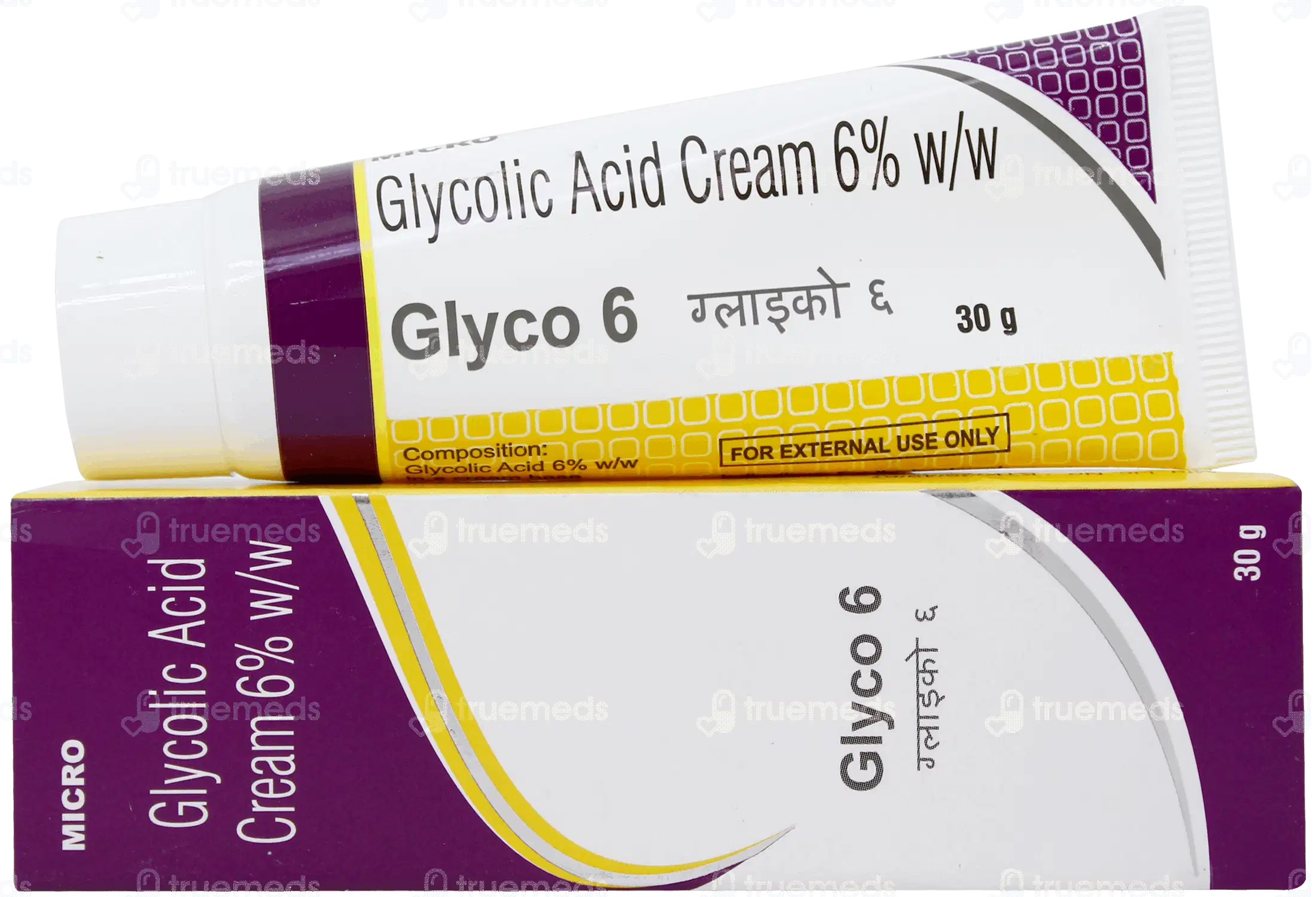
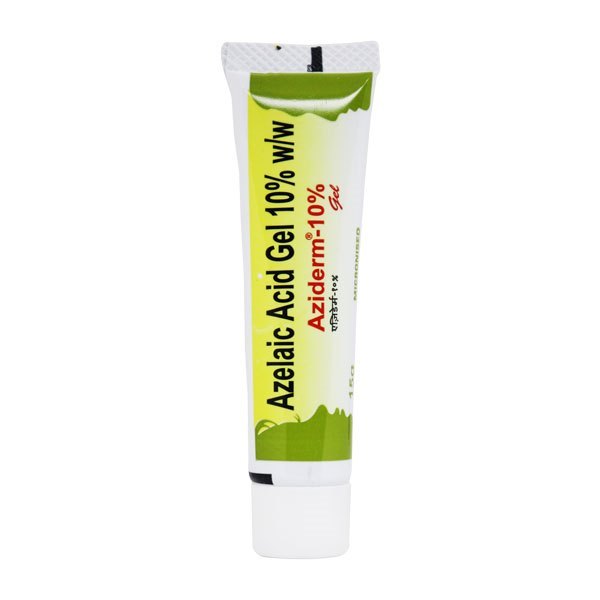
- Active Exfoliation: Use an 8% Glycolic Acid spray or cream like Glyco-6 Cream or Aziderm 10% Gel to accelerate cell turnover and shed hyperpigmented skin layers.
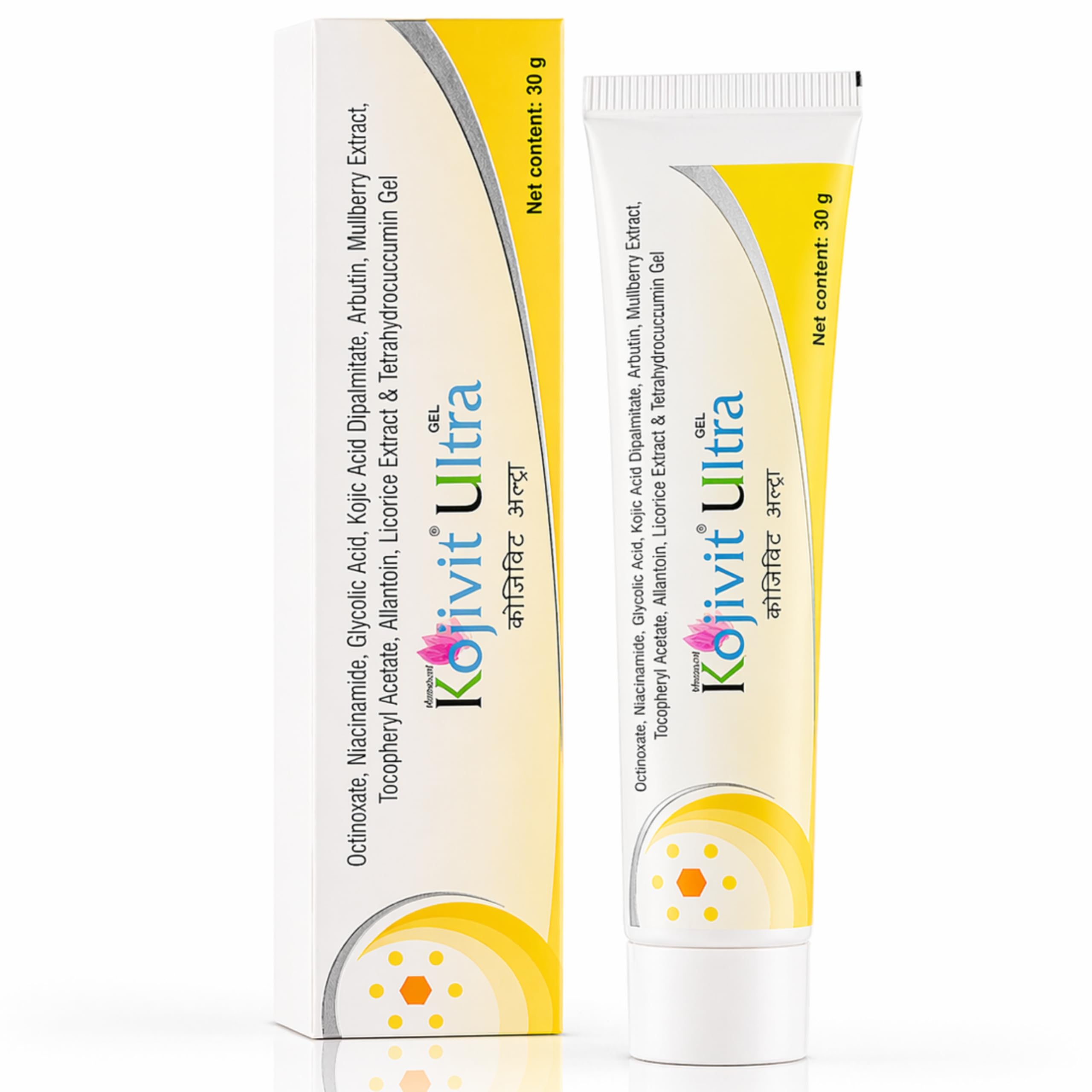
- Melanin Inhibition: Apply a Tyrosinase inhibitor spot treatment containing Kojic Acid or Arbutin like Kojivit Ultra Gel to prevent new dark spots from forming on the back.
4. Frequently Asked Questions
Because body skin is thicker than facial skin, cell turnover is slower. Post-inflammatory hyperpigmentation (PIH) on the back can take 8 to 12 weeks to fade with active chemical exfoliants.
Is Your Skincare Working Against You?
Many "acne-clearing" products actually contain ingredients that feed the fungus that causes forehead bumps. Stop the guesswork.
Scan your face with MyMirror AI to get a personalized, active-safe routine that finally clears your skin for good.
Start Your Free AI Skin Scan Now