
Visual Guide: Why Chest Breakouts Happen & How to Spot Your Pattern
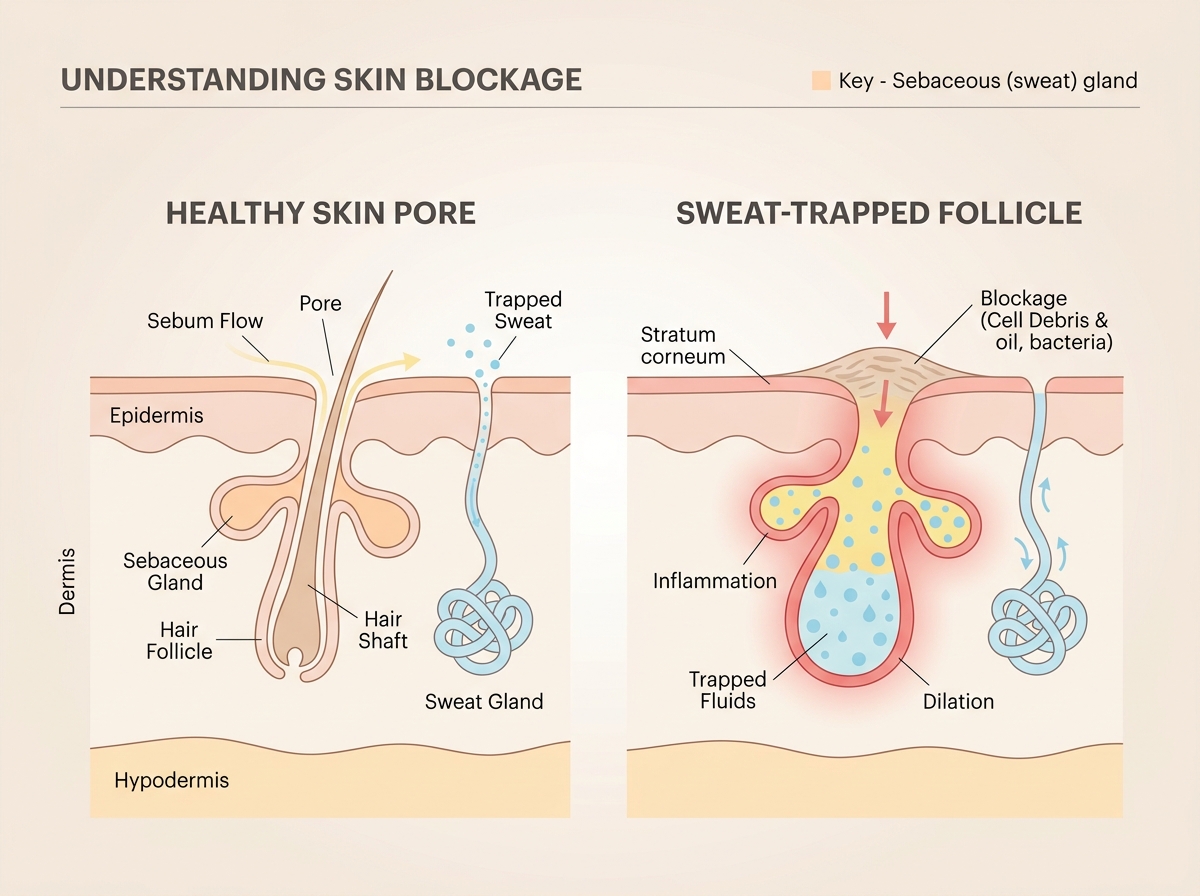
Chest skin has a high density of oil and sweat glands that are constantly trapped under clothing. Understanding whether your breakouts stem from sweat-trapped follicles or workout friction helps you choose the right clearing wash:
The 10-Second Test: Fungal Bumps vs. Regular Pimples
Before buying any medicated soap or cream, check what kind of bumps you have. Regular acne treatments like clindamycin gel can actually make fungal acne worse. Here is how to tell them apart without complex tests:
Regular Pimples
What it looks like: Mixed sizes — you will see a couple of red inflamed pimples alongside blackheads or whiteheads.
How it feels: Tender or sore when pressed, but rarely itchy.
Best fix: Benzoyl peroxide wash (Perobar) to clear bacteria inside pores.
Fungal Sweat Bumps
What it looks like: Clusters of tiny, identical red dots or small whiteheads spread across your chest and sternum.
How it feels: Very itchy, especially after gym sessions, running, or humid days.
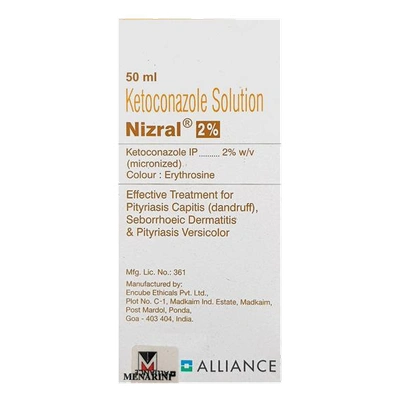
Best fix: Ketoconazole 2% wash (Nizral) left on for 3 minutes before rinsing.
Friction Bumps
What it looks like: Irritated red dots right where your gym strap, sports bra band, or backpack rests.
How it feels: Chafed, stinging, and irritated from fabric rubbing against sweaty skin.
Best fix: Loose breathable cotton and showering immediately after activity.
Clogged Pores
What it looks like: Tiny flesh-coloured bumps or blackheads with little to no redness.
How it feels: Rough texture when you run your fingers across your chest.
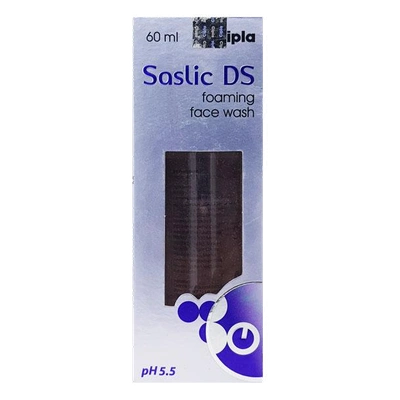
Best fix: Salicylic acid 2% body wash (Saslic DS) to dissolve trapped oil.
Why Does Chest Acne Flare Up So Fast in India?
The skin on your chest has a high concentration of oil glands, but it is also constantly covered by clothing. In Indian climates, four everyday triggers cause 90% of chest breakouts:
The 3-Step Dermatologist Routine for Clear Skin
You do not need a complicated 10-step routine. A simple, consistent routine built around three clinically proven steps will clear most chest acne within a few weeks:
Trusted Indian Pharmacy Cleansers Compared
You do not need expensive imported body products. Indian pharmacies carry effective, dermatologist-tested solutions for every type of chest breakout:
| Product | Key Active | Best For | Approx Price | Key Caution |
|---|---|---|---|---|
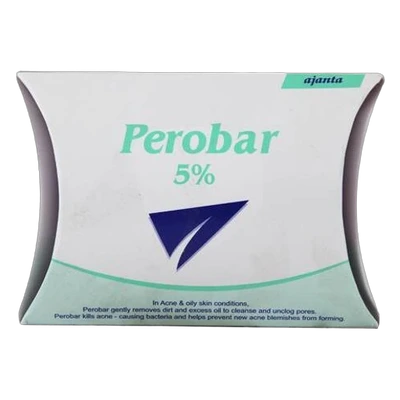
| Perobar 2.5% Bar | Benzoyl Peroxide 2.5% | Red, painful bacterial pimples | ₹140 - ₹195 | Can bleach coloured towels and shirts; rinse off well. |
| Saslic DS Wash | Salicylic Acid 2% | Blackheads, rough skin & clogged pores | ₹380 - ₹440 | Use 3 times a week initially if skin feels dry. |
| Nizral 2% Wash | Ketoconazole 2% | Itchy fungal bumps & sweat rash | ₹280 - ₹340 | Leave on for 3 to 5 minutes before rinsing. |
| Minimalist 5% Lotion | Niacinamide 5% + Aloe | Post-acne marks & barrier repair | ₹349 - ₹399 | Apply to slightly damp skin after your shower. |
Doctor Video Guide: How to Clear Body & Chest Acne
Watch board-certified dermatologist Dr. Aanchal Panth MD break down how to choose the right body wash, how to let active ingredients work, and how to avoid post-acne dark spots:
Frequently Asked Questions
Common queries answered with straight, practical advice:
Fungal acne on the chest shows up as clusters of tiny, uniform bumps that often itch intensely after sweating or gym workouts, without blackheads. Regular bacterial acne typically has mixed blackheads, whiteheads, and larger tender red pimples that do not itch.
Yes, benzoyl peroxide can bleach coloured fabrics. That is why dermatologists recommend using it as a rinse-off contact wash in the shower (leaving it on for 3 to 5 minutes, then washing it off completely) rather than applying a leave-on gel under your daytime clothes.
Aim to shower within 15 to 20 minutes after working out. Sweat trapped under tight gym clothes creates heat and moisture, which accelerates yeast and bacterial growth inside chest pores.
Yes. Physical loofahs and body brushes create micro-tears on inflamed skin, spread bacteria between pores, and harbour bathroom mould. Washing gently with your hands and a medicated cleanser works much better.
Most surface chest breakouts show visible improvement within 3 to 4 weeks of regular medicated washes. Deeper marks and stubborn fungal bumps typically take 6 to 8 weeks to fade fully.