Cleansing Chemistry Explained
How Oil Cleansing Clears Blemish-Prone Skin
Washing your face with harsh foams strips your surface water while leaving oily sebum trapped inside pores. Here are the 4 fundamental rules for safe double cleansing.
🧪
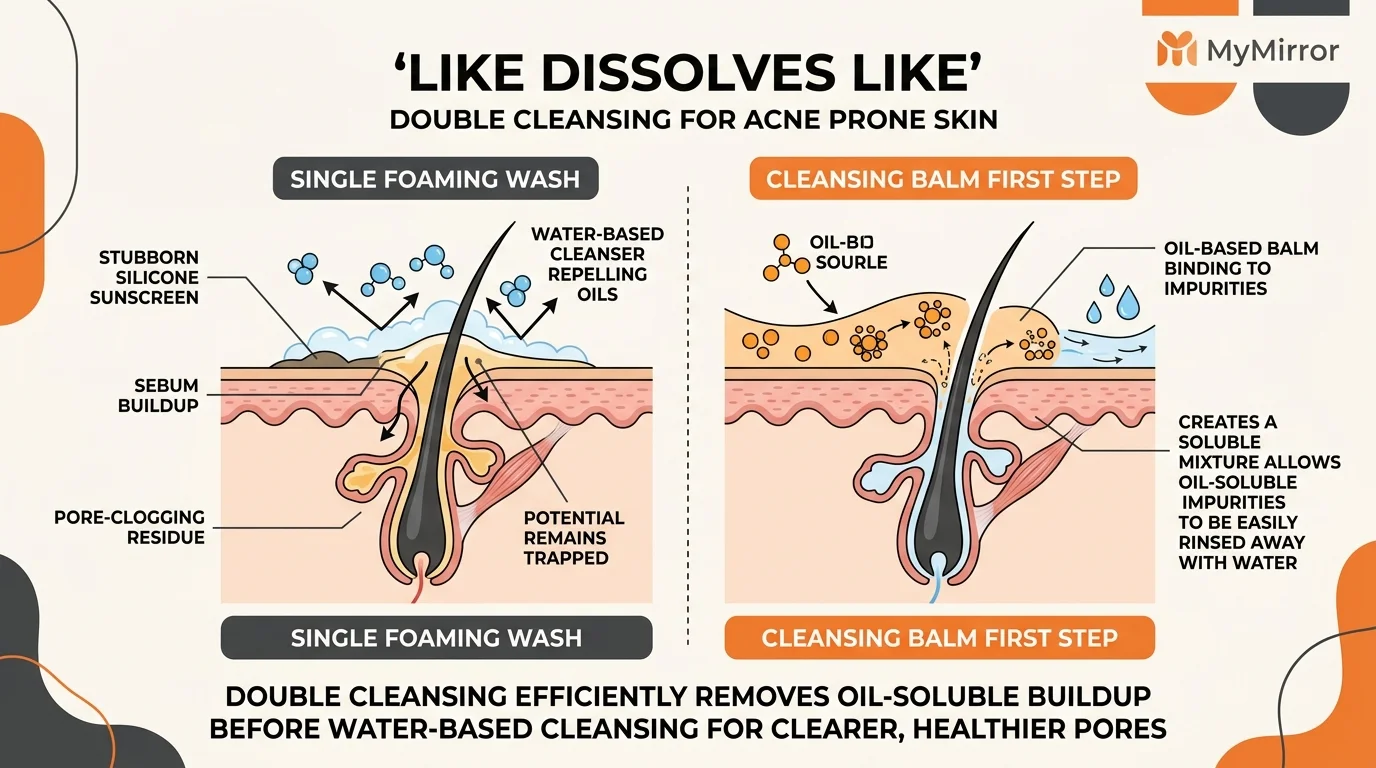
The "Like Dissolves Like" Rule
Water and foaming cleansers cannot bond with waterproof sunscreens or thick sebum. Plant-derived oils bind to oil-based plugs, gently softening and pulling them out of the hair follicle without aggressive rubbing.
⏱️
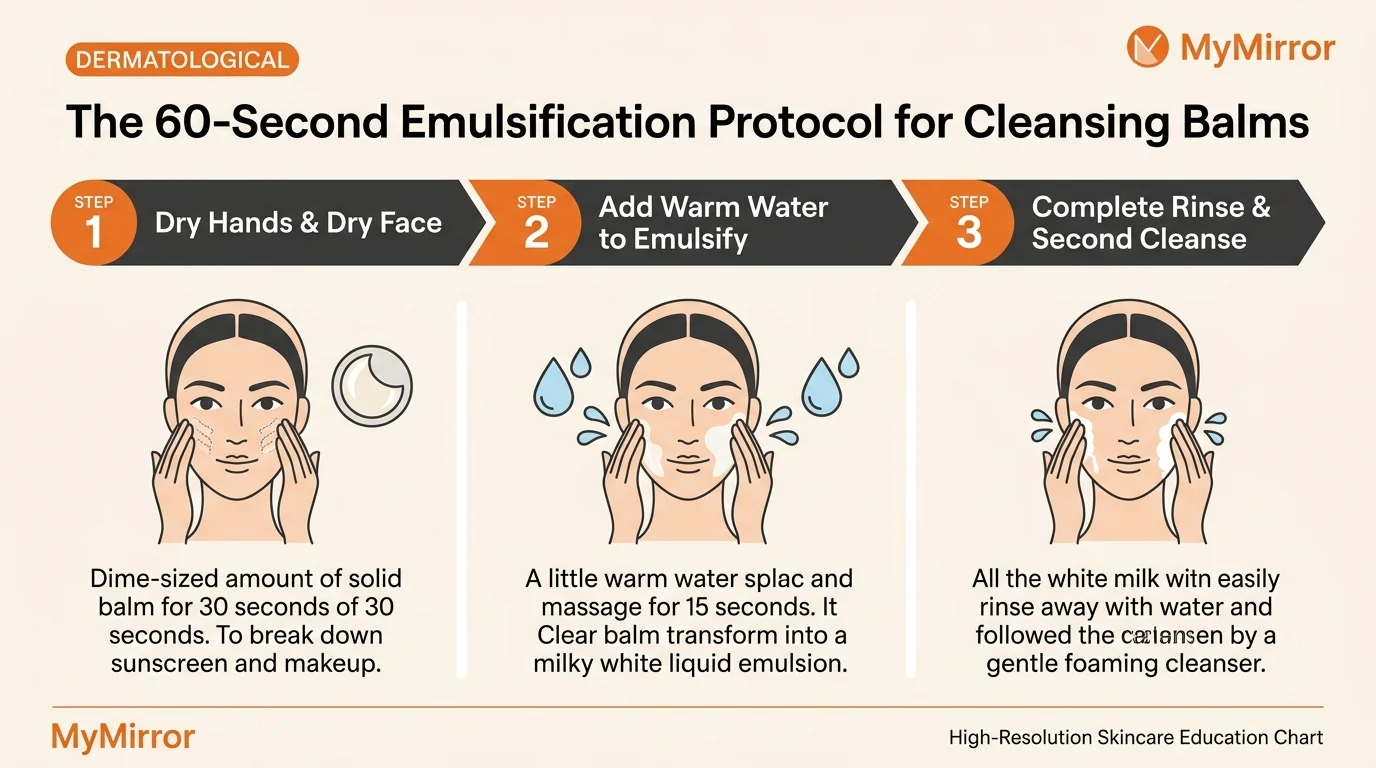
The 60-Second Emulsification Step
The secret to zero breakouts is emulsification. After massaging the balm on dry skin for 30 seconds, add a splash of warm water. The clear oil must transform into a milky white liquid before rinsing.
⚠️
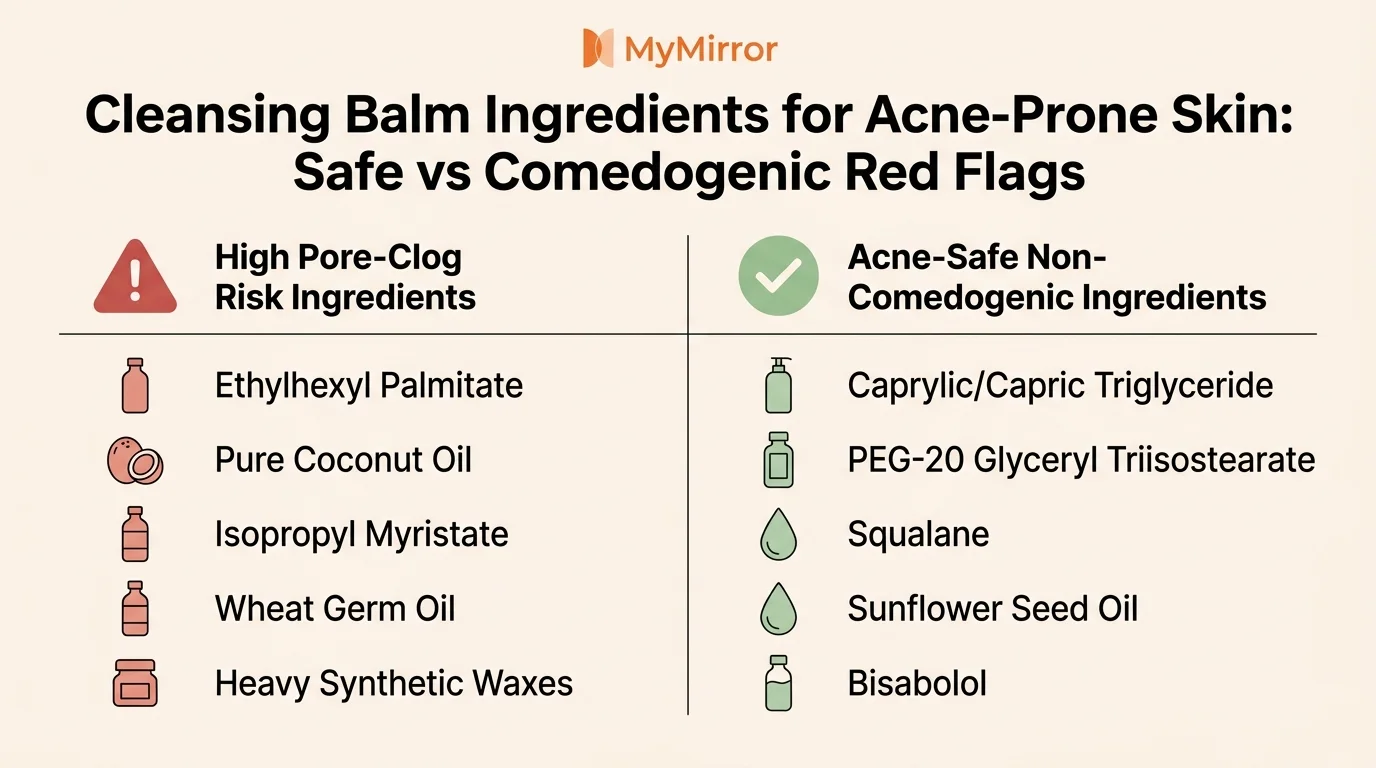
Pore-Clogging Red Flags
Never use balms containing heavy coconut oil, ethylhexyl palmitate, or isopropyl myristate. Look for caprylic triglycerides, squalane, and PEG emulsifiers that wash away cleanly with plain tap water.
🧴
Chemist & Dermatologist Tested Lineup
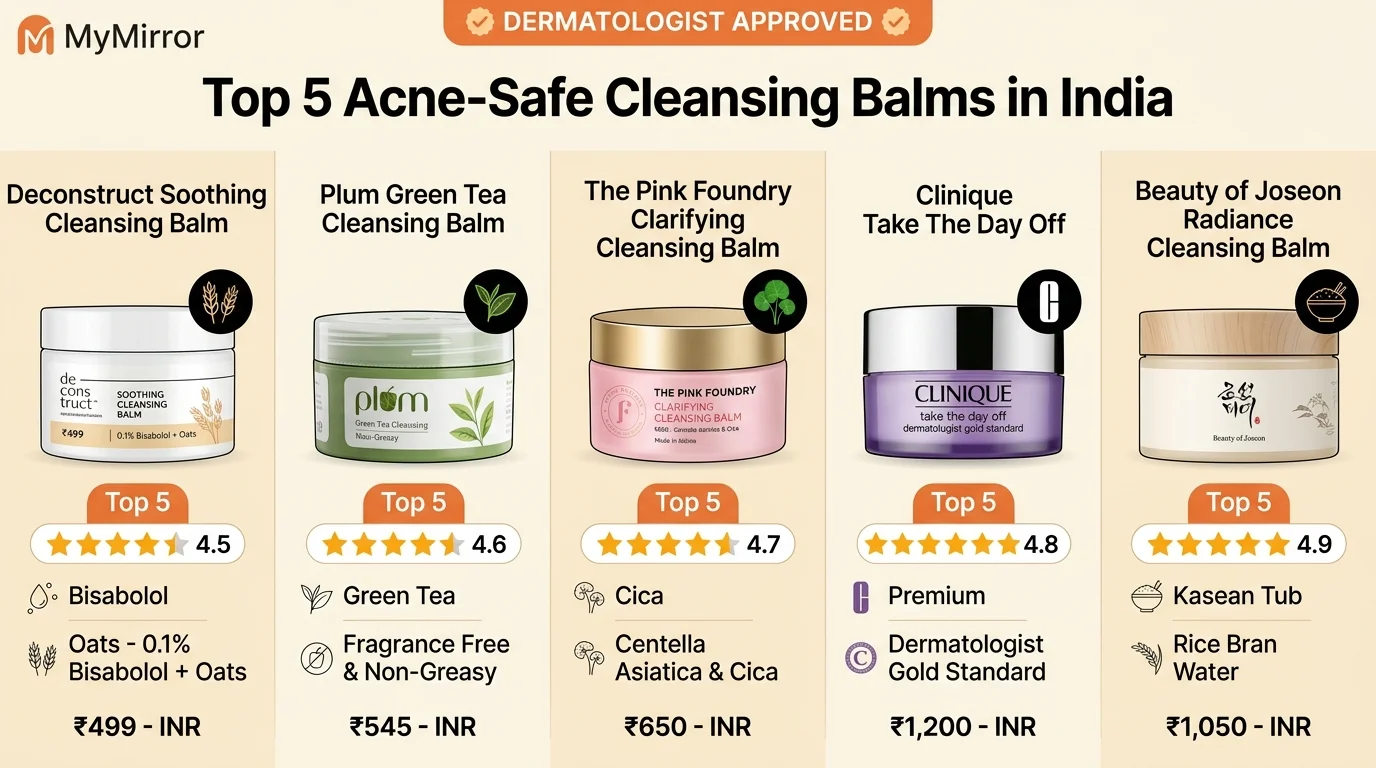
Finding a reliable balm in India means balancing non-comedogenic oils with complete rinse-off capability. These 5 options dissolve stubborn sunscreen without leaving an oily residue on your face.
Dermatologist Video Guide
How to Double Cleanse Like a Dermatologist
Watch board-certified dermatologists explain why double cleansing helps acne, how to emulsify properly, and who should skip the oil step.
Dermatologist Tested
The 5 Best Cleansing Balms for Acne-Prone Skin
Formulated with lightweight non-comedogenic oils and rapid emulsifiers that rinse away cleanly without film.
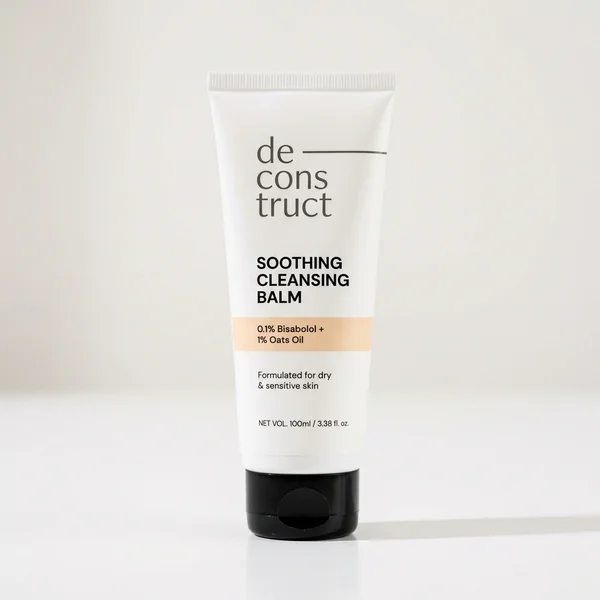
Deconstruct Soothing Cleansing Balm is designed for oily and blemish-prone Indian skin. It features a lightweight caprylic triglyceride base enriched with 0.1% bisabolol and soothing oat oil. It melts instantly from a soft sherbet into a silky oil, dissolving stubborn silicone sunscreens and pollution particles in 30 seconds. Most importantly, it emulsifies into a light milk that washes away with zero waxy film.
Why We Love It: Leaves skin feeling soft and calm rather than greasy. Does not blur vision or sting eyes.
Base Oil: Caprylic/Capric Triglyceride
Key Actives: 0.1% Bisabolol, Oat Kernel Oil
Emulsification Speed: Instant milk on water contact
Best For: Daily waterproof sunscreen removal, congested pores
Availability: Amazon, Nykaa, Deconstruct official
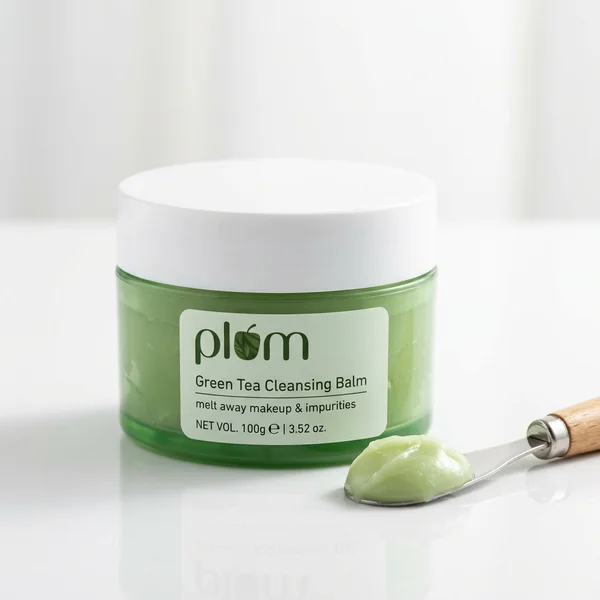
Plum Green Tea Cleansing Balm provides generous quantity and clean performance. Powered by green tea leaf extracts and plant-derived fatty esters, it calms surface inflammation while melting away long-wear makeup and tinted sunscreens. It is 100% vegan, fragrance-free, and contains no mineral oil or heavy synthetic waxes.
Why We Love It: Exceptional value in a large 90g tub that easily lasts 2 to 3 months of regular evening use.
Base Oil: Plant-derived emollients & Sunflower seed oil
Key Actives: Green Tea Extract, Vitamin E
Emulsification Speed: Fast milk transformation
Best For: Oily skin with occasional hormonal breakouts
Availability: Chemists, Nykaa, Amazon
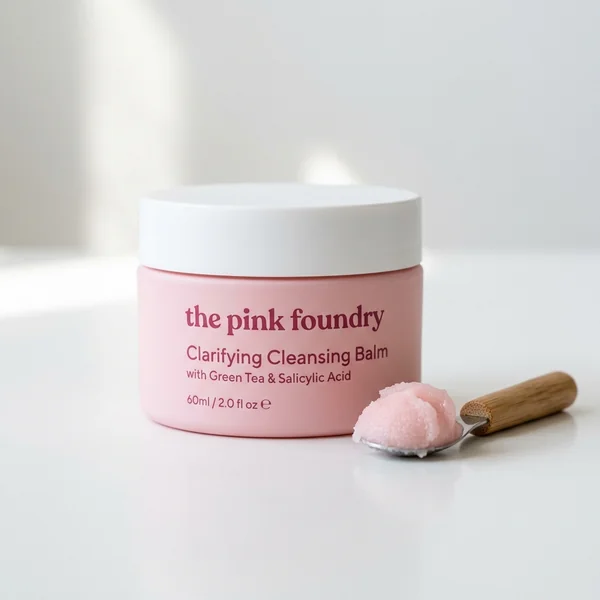
Created for acne-prone skin, this clarifying balm pairs lightweight emollients with Centella Asiatica (Cica) and tea tree extracts. It glides effortlessly over active red spots without tugging or popping tender bumps, breaking down oxidized sebum while soothing irritated skin.
Why We Love It: Soothing cica calms existing redness while helping to dissolve stubborn blackheads along the nose and chin.
Base Oil: Caprylic Triglycerides & Olive-derived Squalane
Key Actives: Centella Asiatica, Tea Tree Extract
Emulsification Speed: Rinses completely clean
Best For: Inflamed pimples, redness, comedonal bumpiness
Availability: The Pink Foundry official, Nykaa
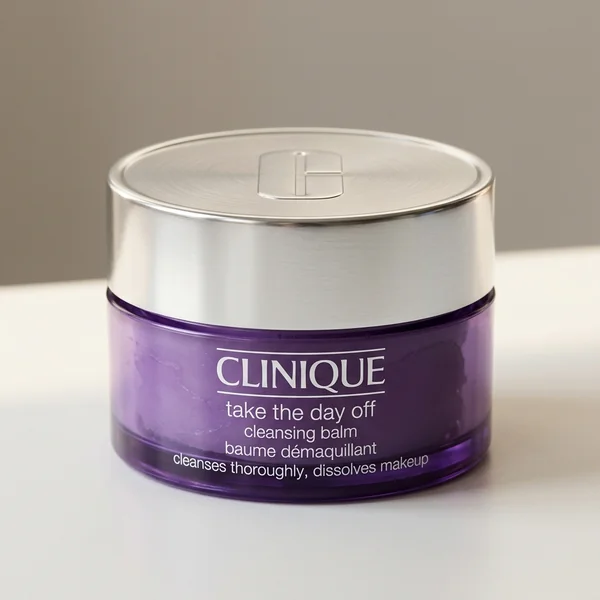
Clinique Take The Day Off is celebrated worldwide as the gold standard in double cleansing. It has an ultra-simple formulation centered on safflower seed oil and high-efficiency PEG emulsifiers. It contains zero fragrance, zero parabens, and zero pore-clogging waxes. It dissolves the most resilient waterproof mascara and physical zinc sunscreens in seconds.
Why We Love It: Ophthalmologist tested and completely non-irritating. Perfect for acne-prone people who also wear heavy eye makeup.
Base Oil: Safflower Seed Oil & Ethylhexyl Palmitate alternatives
Key Actives: Linoleic Acid-rich botanical lipids
Emulsification Speed: Ultra-rapid cloud emulsion
Best For: Waterproof makeup, sensitive eyes, combination skin
Availability: Sephora India, Nykaa, Clinique counters
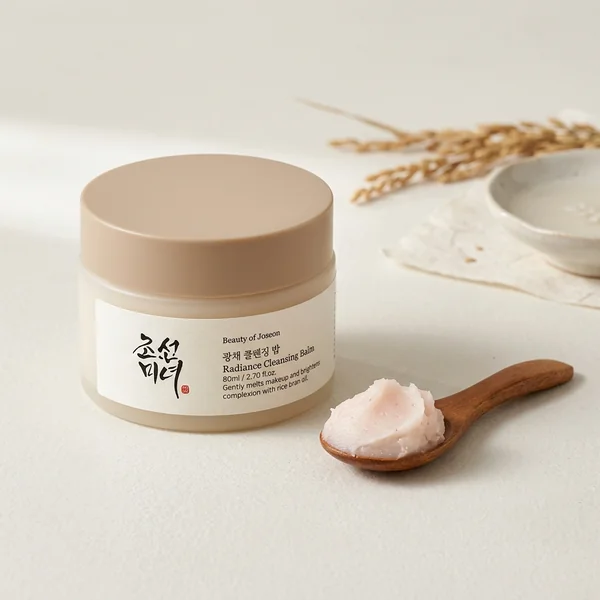
Beauty of Joseon Radiance Cleansing Balm uses traditional Korean Hanbang ingredients, including nutrient-rich rice bran water and fermented grain extracts. It has a soft sherbet texture that melts comfortably into skin without stripping moisture. If your acne treatments (such as benzoyl peroxide or adapalene) have left your barrier dry and flaky, this balm cleanses thoroughly without stinging.
Why We Love It: Leaves skin feeling calm, hydrated, and luminous. Great for combination skin with dry patches.
Base Oil: Rice Bran Oil & Fermented Rice Water
Key Actives: Oat Extract, Chrysanthemum Extract
Emulsification Speed: Silky milk rinse
Best For: Acne-prone skin recovering from retinoid peeling
Availability: Maccaron, Beauty Barn, Nykaa, Amazon
Side-by-Side Comparison
Acne-Safe Cleansing Balms at a Glance
Compare the 5 recommendations by base oil, key soothing active, rinse feel, and price.
| Cleansing Balm |
Base Oil / Texture |
Key Active |
Best Match Concern |
Approx. Price |
| Deconstruct Soothing Balm |
Caprylic Triglyceride |
0.1% Bisabolol + Oats |
Daily silicone sunscreen |
₹499 (50g) |
| Plum Green Tea Balm |
Plant Emollients |
Green Tea Extract |
Budget daily cleansing |
₹545 (90g) |
| The Pink Foundry Balm |
Squalane & Caprylic Base |
Centella Asiatica (Cica) |
Active red pimples |
₹650 (50g) |
| Clinique Take The Day Off |
Safflower Seed Oil |
Linoleic Fatty Acids |
Waterproof eye makeup |
₹1,200 (30ml) |
| Beauty of Joseon Radiance |
Rice Bran Oil Emulsion |
Fermented Grain Water |
Retinoid-treated skin |
₹1,050 (100ml) |
Interactive Routine Builder
Do You Actually Need to Double Cleanse?
Check the statements below that match your daily habits to discover your ideal evening cleansing protocol.
Frequently Asked Questions
Clear Answers on Double Cleansing & Acne
Direct answers to common concerns about breakouts, emulsification, morning cleansing, and oils.
Will a cleansing balm give me closed comedones or cystic acne?
Only if the balm contains high-comedogenic waxes (like ethylhexyl palmitate or coconut oil) or if you skip emulsification. When using a non-comedogenic formula with PEG emulsifiers, the oil binds to sebum and rinses away 100% cleanly. It actually prevents closed comedones by clearing oxidized sunscreen plugs.
Can I double cleanse every single night if I only wear sunscreen?
Yes, provided your sunscreen is water-resistant, silicone-based, or hybrid physical. Modern water-resistant sunscreens are engineered to cling to skin through sweat, and a single water-based wash leaves behind an invisible film. Double cleansing each evening keeps pores clean.
Do I need to double cleanse in the morning?
No, double cleansing in the morning is unnecessary and can strip your protective moisture barrier. Over-cleansing prompts sebaceous glands to produce excess rebound oil. In the morning, rinse with plain water or use a gentle single-step cleanser.
What is the difference between a cleansing balm and a cleansing oil?
Cleansing balms are solid at room temperature and melt into an oil upon skin contact, making them travel-friendly and mess-free. Cleansing oils are liquid in a pump bottle. Chemically, both contain oils and emulsifiers; balms are simply thicker and provide a more cushioned massage glide.
Why did my cleansing balm leave a blurry film on my eyes?
This happens when oil slips into the tear film during aggressive eye rubbing. To avoid blurry vision, keep your eyes gently closed, use only light fingertip pressure, and emulsify thoroughly with warm water before opening your eyes.
Can I use kitchen coconut oil or olive oil instead of a cleansing balm?
No, absolutely not. Kitchen oils lack emulsifiers. When you splash water on pure coconut oil, water rolls off while the oil remains glued to your pores with all the dirty makeup and bacteria. Cleansing balms contain specialized surfactants that turn into milk so everything washes away cleanly.