
4 Best Dermatologist-Tested Sunscreens for Fungal Acne in India
Fungal acne (medically known as Malassezia folliculitis) isn't like regular acne. It is caused by an overgrowth of yeast that naturally lives on your skin. Unlike normal acne bacteria that feed mostly on surface sebum, this yeast literally feeds on oils and fatty ingredients (specifically fatty acids and esters) commonly found in skincare creams and lotions.
Most commercial sunscreens—even those labeled "oil-free"—rely heavily on fatty ingredients (like isopropyl palmitate, isopropyl myristate, and glyceryl stearate) to make the sunscreen smooth and creamy. When applied, they feed the yeast, leading to itchy, uniform forehead bumps and breakouts.
We evaluated over thirty popular sunscreens sold in Indian pharmacies and stores. The four selections below are 100% free of yeast-feeding oils, fatty esters, and ferments, giving you reliable SPF 50 broad-spectrum sun protection without triggering tiny, itchy bumps:
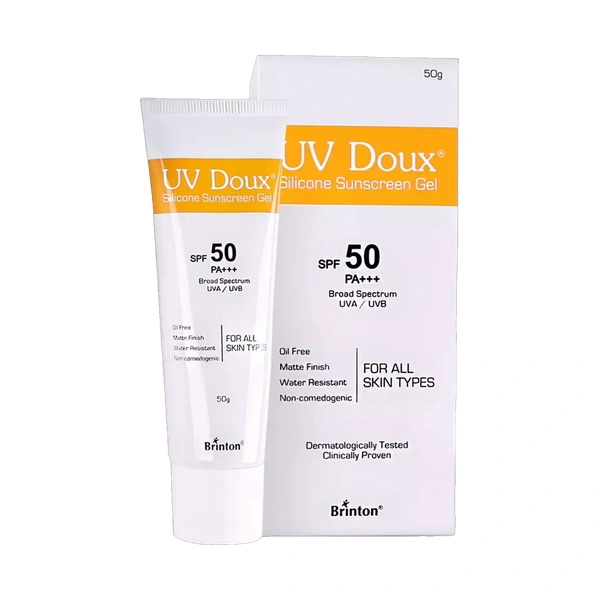
1. UV Doux Silicone Sunscreen Gel SPF 50
The most popular pharmacy sunscreen recommended by Indian dermatologists for fungal acne and oily skin. It uses a silicone gel base that creates a breathable, velvety matte barrier. Fungal acne yeast cannot feed on silicones, so it won't trigger flare-ups even in hot, sweaty Indian weather.
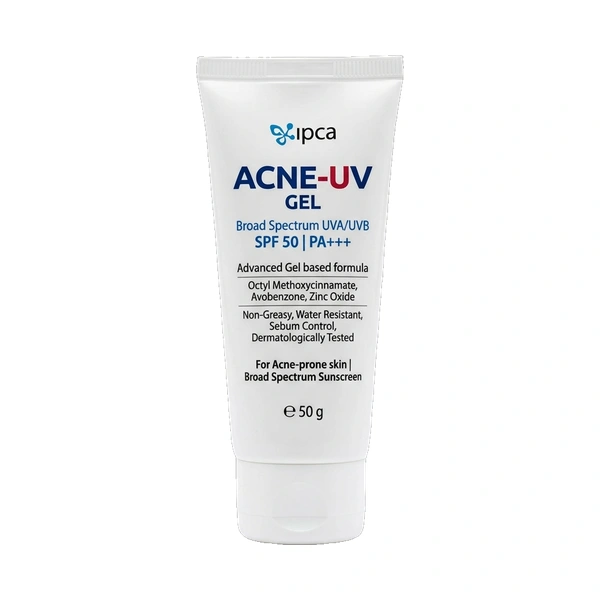
2. IPCA Acne-UV Gel SPF 50 PA+++
Formulated by IPCA Laboratories specifically for skin dealing with both regular pimples and fungal acne bumps. It completely cuts out pore-clogging oils, heavy fatty ingredients, and polysorbates, and includes soothing Provitamin B5 to calm down irritated skin.
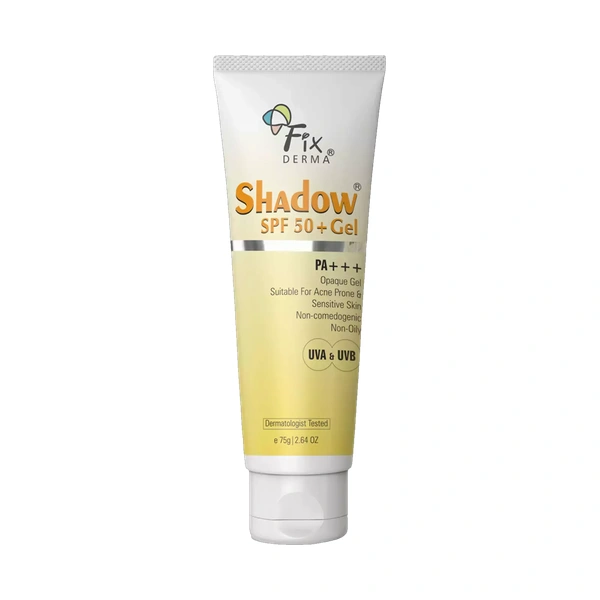
3. Fixderma Shadow SPF 50+ Gel
A refreshing, water-based gel that glides easily over your face and neck. Formulated without heavy plant oils, fatty alcohols, or pore-clogging waxes. It absorbs in about 15 seconds, leaving your skin cool, hydrated, and protected during morning commutes.
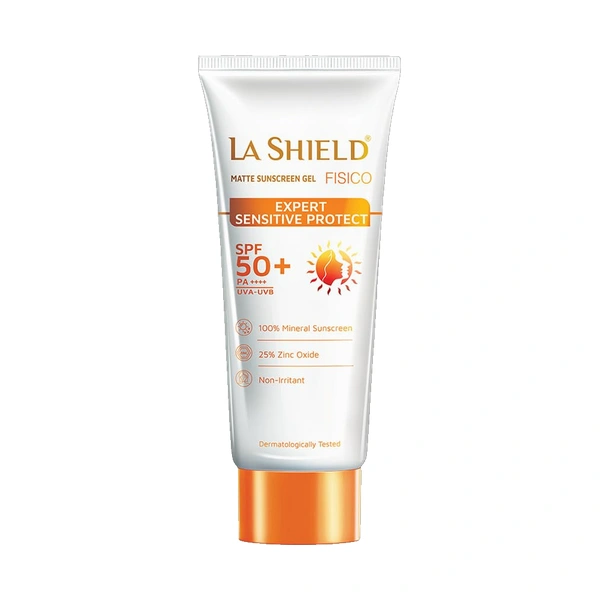
4. La Shield Fisico Matte SPF 50+ Mineral
A 100% mineral sunscreen made with pure zinc oxide in a gentle silicone base. Zinc oxide is naturally calming and helps stop yeast from multiplying, making this the safest choice if your skin feels sensitive, stings easily, or if you're using antifungal treatments like Ketoconazole cream.
Sunscreen Comparison: Safe Picks vs Popular Brands to Avoid
To help you pick the right sunscreen for your skin type, the comparison table below shows our four recommended fungal-acne-safe picks alongside widely used Indian sunscreens that can secretly trigger bumps:
| Product Name | Approx. Price | Primary UV Filter System | Malassezia Safety | Why It Works (or Why It Triggers Bumps) |
|---|---|---|---|---|
| UV Doux Silicone Gel SPF 50 | ₹650–720 | Octinoxate + Micronized Zinc & Titanium | 100% Safe | Silicone gel base; zero yeast-feeding oils or fatty esters. Reliable matte finish. |
| IPCA Acne-UV Gel SPF 50 | ₹750–850 | Uvinul A Plus, Tinosorb S, Uvinul T 150 | 100% Safe | Dry-touch gel; no fatty esters or polysorbates. Great if you have regular acne too. |
| Fixderma Shadow SPF 50+ Gel | ₹450–550 | Octinoxate, Avobenzone, Benzophenone-4 | 100% Safe | Water gel base; zero heavy oils. Best value daily fluid for everyday wear. |
| La Shield Fisico Matte SPF 50+ | ₹630–690 | 100% Micronized Zinc Oxide (25%) | 100% Safe | 100% mineral zinc oxide; naturally calms yeast and redness. Great for sensitive skin. |
| Re'equil Ultra Matte Dry Touch | ₹700–780 | Octinoxate, Tinosorb S, Uvinul A Plus | NOT Safe | Contains Isopropyl Myristate (a synthetic fatty ester that yeast loves to feed on). Often triggers forehead bumps. |
| Photostable Gold Gel SPF 55 | ₹650–750 | Modern broad-spectrum organic filters | NOT Safe | Contains fatty alcohols and esters (Cetearyl Alcohol, Glyceryl Stearate) that feed yeast. Avoid during active flare-ups. |
| Minimalist SPF 50 Multi-Vitamin | ₹399 | Uvinul A Plus, Tinosorb S, Uvinul T 150 | 100% Safe | Water-light fluid with Panthenol. A safe daily alternative if skin is peeling from acne treatments. |
Watch Out for "Oil-Free" and "Matte" Labels: In India, cosmetic labeling does not require brands to test for fungal acne safety. A sunscreen can legally be labeled "oil-free" as long as it doesn't contain raw plant oils (like coconut or olive oil). But formulators routinely replace oils with synthetic fatty ingredients (like Isopropyl Myristate or Ethylhexyl Palmitate) to give that powdery matte skin feel. To fungal acne yeast, these ingredients are food—and can trigger a crop of tiny forehead bumps within 24 to 48 hours.
Why Sunscreens Often Cause Tiny Forehead Bumps (Fungal Acne)
Many people in India notice something frustrating: right after starting a daily sunscreen, their forehead, hairline, or chest suddenly breaks out into tiny, itchy, identical bumps. Unlike regular pimples that vary in size and come to a white head, fungal acne bumps (Malassezia folliculitis) look like clusters of uniform little bumps that itch, especially in warm, sweaty weather.
The root cause comes down to how fungal acne yeast survives. Malassezia is a harmless yeast that naturally lives on everyone's skin. However, this yeast cannot make its own food—it survives exclusively by feeding on oils and fatty acids (specifically common skincare ingredients like stearates, palmitates, myristates, and natural plant oils).
When you apply a regular sunscreen full of these fatty ingredients in hot, humid Indian weather, sweat gets trapped underneath the sunscreen layer. This creates a warm, moist greenhouse effect where the yeast multiplies rapidly. As the yeast overgrows inside your hair follicles, your skin reacts with itchy, red bumps that refuse to heal with typical pimple creams.
Mineral vs Chemical Sunscreens: Which Is Best for Fungal Acne?
When choosing a sunscreen for fungal-acne-prone skin, dermatologists weigh mineral (physical) blockers against chemical filters:
1. Mineral Sunscreens (Zinc Oxide & Titanium Dioxide): These are naturally safe because yeast cannot feed on minerals. Zinc oxide also has natural anti-inflammatory benefits that soothe redness and calm yeast. The catch? Heavy, thick mineral creams can trap sweat and feel heavy in humid weather. But when zinc is formulated in a light silicone gel (like La Shield Fisico), it gives a safe, comfortable matte shield.
2. Older Chemical Filters (Avobenzone, Oxybenzone): These traditional filters often require fatty solvents to dissolve properly. If a brand uses fatty esters to dissolve them, that can feed yeast and trigger bumps. Alcohol-heavy formulas may keep them oil-free, but can dry out your skin barrier and cause rebound oiliness.
3. Modern New-Age Filters (Tinosorb & Uvinul): These are the gold standard for oily, acne-prone Indian skin. They are photostable, sit gently on top of the skin without causing irritation, provide broad-spectrum protection, and leave zero white cast on deeper Indian skin tones.
| Filter Type | Common Ingredients | Fungal Acne Safe? | Look & Feel on Indian Skin | Dermatologist Advice |
|---|---|---|---|---|
| New-Age Chemical Filters (Gold Standard) | Tinosorb S, Uvinul A Plus, Uvinul T 150 | 100% Safe | Completely Invisible | Top Pick in Gel Formulas |
| Mineral Blockers (Zinc Oxide) | Micronized Zinc Oxide, Titanium Dioxide | Naturally Calms Yeast | Minimal Cast if Blended | Best for Sensitive Skin |
| Older First-Generation Chemical Filters | Avobenzone, Oxybenzone, Homosalate | Check for Fatty Solvents | Clear, but Can Feel Greasy | Check Ingredient List for Hidden Oils |
4 Safe, Soothing Ingredients That Protect Your Skin Barrier
A great sunscreen for fungal acne does more than block UV rays—it calms irritated bumps and keeps your skin barrier healthy without feeding yeast. Look for these four safe ingredients:
1. 100% Pure Plant Squalane
Unlike regular facial oils or natural squalene, 100% pure plant squalane is completely safe. The yeast cannot digest or feed on it, giving you weightless moisture without causing breakouts.
2. Niacinamide (2% to 4%)
Helps control excess daytime oil, calms redness, and strengthens your skin barrier. It also helps fade dark marks and post-acne spots left behind once bumps heal.
3. Micronized Zinc Oxide
Blocks harmful UVA and UVB rays while gently calming down yeast and bacteria. It also soothes hot, red, flushed skin and reduces the itchiness of fungal acne.
4. Panthenol (Pro-Vitamin B5)
Draws deep moisture into your skin and speeds up natural healing—all without any heavy oils or fatty acids that could feed yeast.
How to Apply Silicone Gel Sunscreens Without Peeling or Crumbling (Pilling)
Silicone matte sunscreens like UV Doux and IPCA Acne-UV are amazing at controlling sweat and shine in hot weather. But if you apply them over damp skin or heavy creams, they can ball up into tiny white flakes or crumbs (called "pilling"). Here is how to apply them smoothly every time:
Wash your face with a gentle, fungal-acne-safe cleanser (or a 2% Ketoconazole wash 2–3 times a week if you have active bumps). Pat dry with a clean towel, making sure your skin is clean and oil-free.
If your skin feels dry, apply only light, oil-free hydration like pure hyaluronic acid or aloe vera gel. Skip heavy creams or moisturizers underneath silicone sunscreens.
Give your hydrating serum 2 to 3 minutes to absorb completely. Touch your cheek: your skin should feel completely dry to the touch, not sticky or damp.
Take two finger lengths of sunscreen gel. Dot it evenly across your forehead, cheeks, nose, and chin. Gently smooth it outwards in one direction using flat fingers. Avoid rubbing aggressively in circles, which causes silicone to pill.
How to Check Any Sunscreen Before You Buy (In 4 Simple Steps)
Before buying any sunscreen, take 30 seconds to check the ingredient list using these four simple rules:
1. Avoid Fatty Esters & Fatty Acids
Look out for ingredients ending in -ate, -ic, or -stearate. Common culprits that feed fungal acne include Isopropyl Myristate, Isopropyl Palmitate, Ethylhexyl Palmitate, and Glyceryl Stearate.
2. Skip Polysorbates & Fermented Ingredients
Avoid products listing Polysorbate 20, 40, 60, or 80 (these are modified fatty ingredients that fungal yeast loves). Also stay away from fermented ingredients (like Galactomyces or fermented rice water).
3. Look for Safe Silicone or Water Bases
Choose sunscreens built on safe silicone bases (like Dimethicone or Cyclopentasiloxane) or water gels (like Carbomer). Yeast cannot feed on these ingredients at all.
4. Do a 48-Hour Patch Test on Your Jawline
Before using any new sunscreen all over your face, test a small pea-sized amount on your jawline for 2 days. If itchy bumps or redness appear, stop using it right away.
Frequently Asked Questions: Fungal Acne & Sun Protection
Yes, 100%. Fungal acne yeast needs fatty acids and oils to survive, and it cannot feed on or digest silicones (like dimethicone or cyclopentasiloxane). This makes silicone gel sunscreens one of the safest choices for fungal-acne-prone skin, especially in hot, humid weather.
Because "oil-free" on a label only means it doesn't contain raw plant oils (like coconut, olive, or almond oil). Brands frequently replace oils with synthetic fatty ingredients (like Isopropyl Myristate or Ethylhexyl Palmitate) to give the sunscreen a smooth, powdery matte finish. While technically not called "oils," these ingredients feed fungal acne yeast just as fast, causing a sudden cluster of itchy bumps.
Yes, and wearing sunscreen daily is essential. Sun exposure weakens your skin's natural defenses, which can make fungal flare-ups worse. Plus, antifungal treatments like Ketoconazole can make your skin more sensitive to the sun. Applying a safe sunscreen (like UV Doux or La Shield Fisico) 10 to 15 minutes after your morning treatment protects your skin and prevents dark spots from forming.
Never use regular cleansing oils or cleansing balms, because almost all of them contain oils and fatty ingredients that trigger fungal acne. Instead, use an oil-free micellar water (such as Bioderma Sensibio H2O or Garnier Pink Micellar) on a soft cotton pad to dissolve the water-resistant sunscreen, and follow up with a gentle water-based foaming cleanser.