Best fit
Oily or combination skin, humid weather, acne actives, sunscreen layering, or a tight-but-shiny face.
In humid weather, acne-prone skin often needs water-light hydration, not a heavy cream. The right moisturizer should calm the barrier without feeling sticky.
Start your free AI skin scan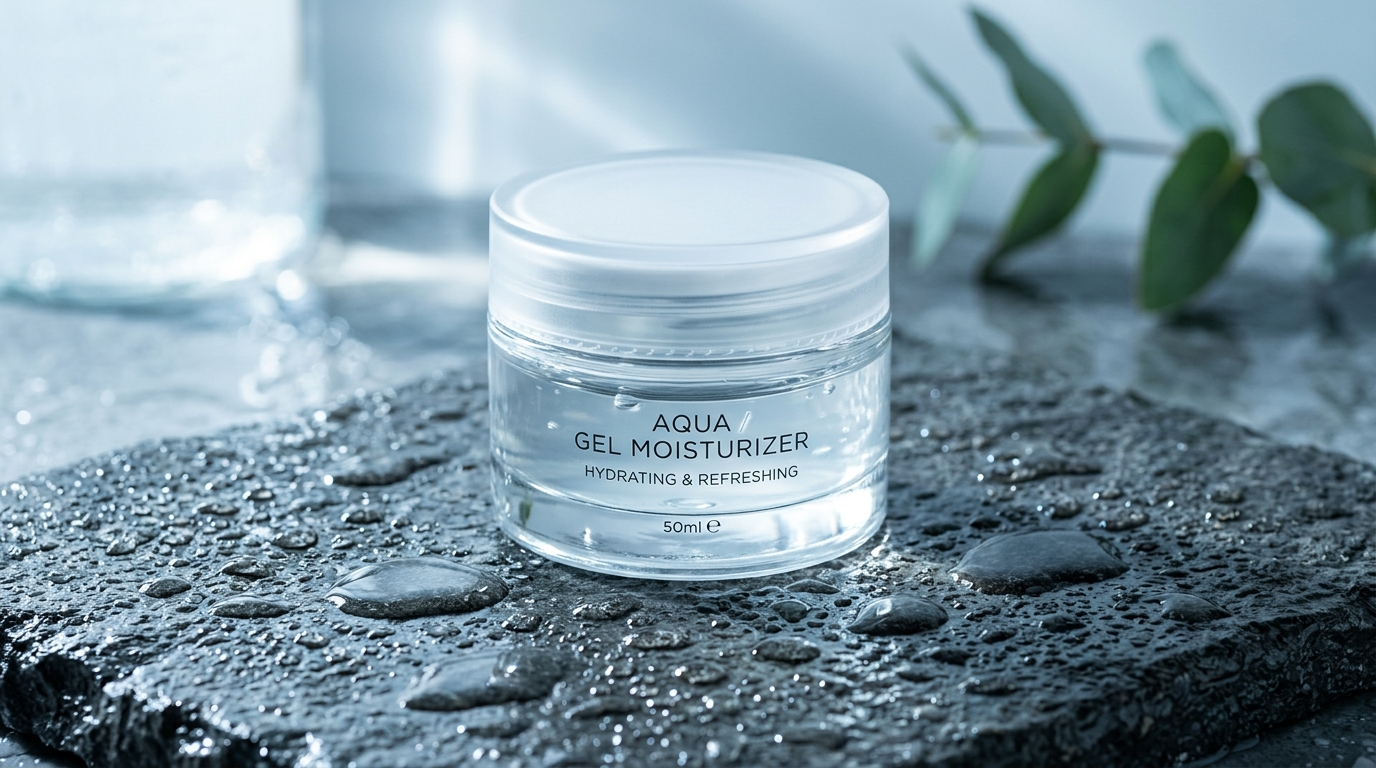
This page is for people who skip moisturizer because their face already feels oily, then end up with tightness, more shine, or irritation from acne actives. “Oil-free” is useful only if the formula still hydrates, layers under sunscreen, and does not sting on a compromised barrier.
Oily or combination skin, humid weather, acne actives, sunscreen layering, or a tight-but-shiny face.
Very dry peeling skin, eczema flares, burning from retinoids, or barrier damage that needs richer repair.
A good humid-weather moisturizer disappears within minutes, keeps skin comfortable, and does not pill under sunscreen.
Use MyMirror to compare visible oiliness, texture, redness, and clogged-looking areas while testing one moisturizer for two weeks. The scan can show visible patterns; it cannot prove whether an ingredient is comedogenic for you.
Keep the scan as a visible record. It can help you compare active bumps, clogged-looking areas, redness, oiliness, texture, and dark marks. It cannot diagnose acne type, identify a medical allergy, prescribe a drug, or replace urgent care.
Indian climates can swing between sweat, AC dryness, pollution, and strong sun. Acne-prone skin can be oily and dehydrated at the same time. If you use benzoyl peroxide, salicylic acid, adapalene, or retinoids, moisturizer is not optional decoration; it is part of keeping irritation from turning into more acne marks.
| Signal | What it can mean | Safer next move |
|---|---|---|
| Gel texture | Water-gel formulas feel lighter and can suit humid days. | Look for comfort after one hour, not just instant cooling. |
| Lotion texture | Light lotions may support the barrier better when acne actives cause dryness. | Choose lotion if gel leaves tightness or flaking. |
| Non-comedogenic label | Helpful but not a guarantee; individual skin still varies. | Track whether bumps appear after the moisturizer, not after every routine change. |
| Sweat and sunscreen | A moisturizer that pills under SPF can make people apply less sunscreen. | The best formula is one you can wear under SPF daily. |
The safest plan is to choose a lightweight moisturizer, use enough to prevent tightness, and judge it with sunscreen layered on top. Humid weather does not remove the need for barrier support; it only changes the texture that feels wearable.
Look for oil-free, non-comedogenic, fragrance-free if sensitive, and ingredients like glycerin, hyaluronic acid, panthenol, ceramides, or niacinamide if tolerated.
A thin layer after cleansing can trap water and reduce the tight feeling that leads to over-cleansing.
Gel may be enough on non-active mornings. A light lotion or barrier cream may be better on retinoid or benzoyl peroxide nights.
Wait five minutes, then apply SPF. If the combination pills or feels heavy, change one layer before giving up on moisturizer.
If acne actives make the face sting, pause the active and use moisturizer more consistently until the barrier feels normal.
Oil-free moisturizer is a category, not a single texture. Some are watery gels that vanish quickly; others are gel-creams with silicones, humectants, or barrier ingredients. The best humid-weather product is the one that hydrates enough to keep acne treatment tolerable while still letting sunscreen sit smoothly on top.
| Format | Product examples / label clues | Useful for | Watch-outs |
|---|---|---|---|
| Water gel | Light gel with humectants such as glycerin or hyaluronic acid; often marketed as oil-free or fresh-feel. | Very oily skin, humid mornings, sunscreen layering, and people who hate cream residue. | Can feel good for five minutes but leave tightness later if the barrier is damaged. |
| Gel-cream | A slightly cushioned texture that may include dimethicone, panthenol, niacinamide, or light emollients. | Combination skin, AC exposure, and routines with mild acne actives. | Too much product can pill under sunscreen; use a thin layer and wait before SPF. |
| Light lotion | Fluid moisturizer with more barrier support than a pure gel. | Retinoid or benzoyl peroxide nights when skin feels tight or flaky. | Not every lotion is heavy, but fragrance or richer oils can bother some acne-prone users. |
| Barrier repair cream used selectively | Richer cream with ceramides, cholesterol, fatty acids, or occlusive support. | Short repair windows after irritation, peeling, or over-treatment. | May feel too heavy for all-day humid wear; use only where and when needed. |
Examples only, not endorsements. These product cards are visible label examples from Indian brand or retailer pages. Use them to compare active ingredients, format, and warnings; do not treat them as medical recommendations or rankings.
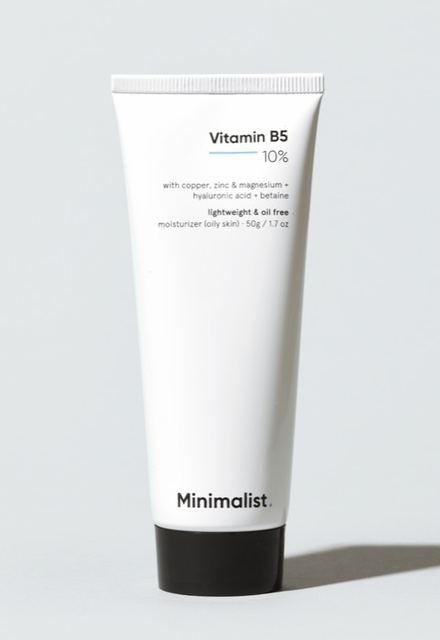
Minimalist describes this as a lightweight oil-free moisturiser for oily/combination and acne-prone skin.
Good label fit does not guarantee personal tolerance; test under sunscreen.
View product source →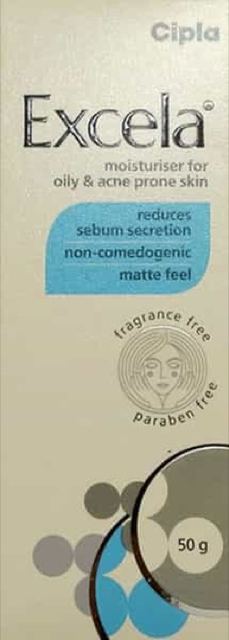
PharmEasy lists it for oily and acne-prone skin, with lightweight and non-comedogenic positioning.
If every moisturizer stings, pause actives and consider barrier damage.
View product source →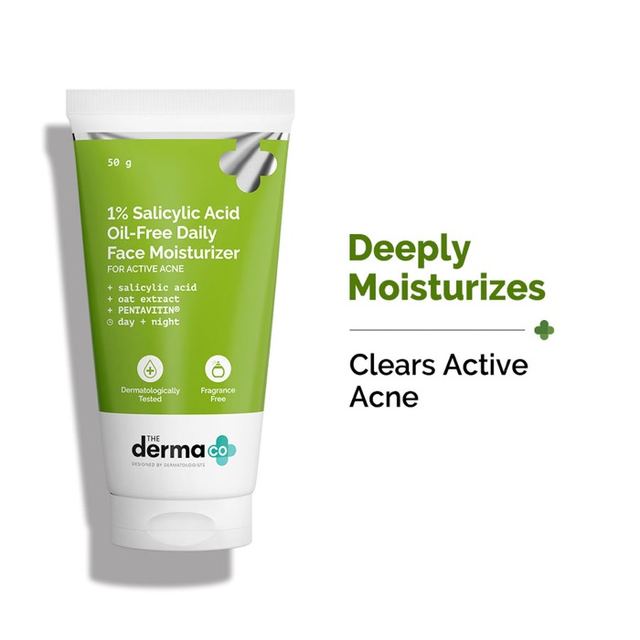
An oil-free moisturizer with salicylic acid and oat extract, positioned for active acne.
Because it contains an acne active, avoid stacking blindly with retinoids or peels.
View product source →In India, oil-free moisturizers range from pharmacy gel products to cosmetic gel-creams and acne-focused lotions. Many product pages emphasize “non-sticky,” “matte,” “oil control,” or “hydrating gel.” Those claims are useful only if the formula keeps the skin comfortable after one to three hours and does not disrupt sunscreen. People using adapalene or benzoyl peroxide often need a slightly more supportive night moisturizer than the one they prefer under sunscreen in the morning.
Start with one daytime gel or gel-cream that layers well under SPF, then add a separate repair option only if acne actives cause dryness. Do not buy five moisturizers at once; you will lose the signal. If every oil-free product stings, stop chasing texture and treat it as barrier damage or dermatitis until a clinician helps you reset.
The easiest way to misread oil-free moisturizer acne-prone skin India is to change the active, cleanser, moisturizer, sunscreen, and spot treatment in the same week. When the skin improves, you will not know what helped. When it flares, you will not know what caused it. Use this small experiment structure before judging the product or routine.
Take one front-facing photo and one close photo in indirect light. Note active pimples, clogged-looking areas, redness, oiliness, flaking, burning, and existing marks separately. This stops every dark spot from being blamed on the newest product.
Change only the step this page is about. Keep cleanser, sunscreen, moisturizer, and acne actives otherwise stable. If the face stings, peels aggressively, or develops a rash, simplify instead of pushing through for “results.”
Compare the same zones in the same lighting. Useful signs include fewer new inflamed spots, less tightness, cleaner sunscreen removal, or calmer marks. Concerning signs include spreading rash, painful cysts, raw skin, or new bumps in unusual areas.
A win is not perfect skin in two weeks. A win is a routine that your skin can tolerate and that makes the next decision clearer. For acne-prone Indian skin, less irritation is part of the result because irritation can leave PIH long after the original breakout is gone. If you cannot tell what changed, return to the baseline routine and get professional advice before adding another active.
Best oil-free moisturizer for acne-prone skin in humid weather: what to choose is not a standalone skin plan. Acne-prone skin usually improves when the surrounding routine is predictable: gentle cleanse, barrier support, sun protection, and one treatment decision at a time.
Keep mornings simple: gentle cleanser if needed, light moisturizer if skin feels tight, and sunscreen. This matters because PIH and irritation are harder to interpret when sun exposure and barrier damage keep changing the baseline.
Use the night routine for the active or cleansing decision, not every possible treatment. If you need adapalene, benzoyl peroxide, exfoliation, and pigment care, sequence them with professional guidance instead of layering them all together.
Moisturizer questions become dermatologist questions when acne is painful, scarring, or repeatedly worsened by products. The clinician can help decide whether the issue is acne, dermatitis, rosacea-like sensitivity, fungal folliculitis-like bumps, or barrier damage.
A lot of acne searches push you toward more actives. MyMirror’s better role is quieter: help you describe what is visible, change one variable at a time, and notice when irritation is becoming the bigger problem.
Seek professional care for painful cysts, scarring, rapidly worsening acne, rash, swelling, infection signs, pregnancy-related medication questions, or skin changes that worry you.
Often yes. Oily skin can still be dehydrated or irritated, especially with acne actives. A light moisturizer can reduce tightness and help you tolerate treatment.
Gel usually feels lighter, but lotion may protect the barrier better if you are peeling or using retinoids. Texture should match your skin state, not only the weather.
It means the product is designed not to clog pores, but it is not a guarantee for every person. Individual reactions still happen.
A formula can contribute to bumps if it is too heavy, irritating, or poorly layered. Test one product at a time before blaming every moisturizer.
Usually yes if your skin feels tight or you use acne actives. Let moisturizer settle before SPF to reduce pilling.
Humectants like glycerin and hyaluronic acid, barrier helpers like ceramides or panthenol, and calming ingredients like niacinamide can help if you tolerate them.
Yes. Moisturizer can reduce dryness and irritation. If benzoyl peroxide burns, pause and simplify.
Pilling can come from too much product, incompatible sunscreen, rubbing, or not waiting between layers. Use less, wait longer, and change one layer at a time.
This page uses cautious public dermatology and regulatory references for safety boundaries: AAD acne skin care habits, AAD oily skin care guidance, AAD face washing guidance.
Use MyMirror to organize what you can see today. Keep the routine simple, protect the barrier, and get medical help when acne is painful, scarring, persistent, or confusing.
Start your free AI skin scan