Best fit
Oily skin, open blackheads, closed comedones, clogged T-zones, and mild inflammatory acne papules triggered by sweat and humidity.
Salicylic acid (Beta Hydroxy Acid, BHA) is an oil-soluble active ingredient that penetrates deep into sebaceous follicles to dissolve trapped sebum, dead skin cells, and microcomedones. For Indian skin exposed to tropical humidity, pollution, and sweat, a Salicylic acid face wash provides essential daily pore-cleansing. However, using high-strength 2% foaming washes twice daily can strip intercellular lipids, leading to barrier tightness and rebound oiliness. Finding the right concentration and application technique is key to clear skin.
Start your free AI skin scan
This decision guide helps individuals with oily, combination, or acne-prone Indian skin choose the right Salicylic acid face wash concentration (1% vs 2%), compare pharmacy classics like Cipla Saslic DS against modern barrier-conscious cleansers like Minimalist, master 60-second short-contact therapy, and protect the skin barrier against over-exfoliation.
Oily skin, open blackheads, closed comedones, clogged T-zones, and mild inflammatory acne papules triggered by sweat and humidity.
Severe dry eczema-prone skin, active retinoid burning, open picked pimples, or expecting a cleanser alone to cure deep hormonal cysts.
Lather the Salicylic acid face wash on damp skin for 60 seconds before rinsing completely to allow deep pore penetration without lipid stripping.
Use MyMirror AI skin analysis to track blackhead counts, pore cleanliness, oiliness reduction, and skin barrier hydration over 4 weeks in 60 seconds.
Keep the scan as a visible record. It can help you compare active bumps, clogged-looking areas, redness, oiliness, texture, and dark marks. It cannot diagnose acne type, identify a medical allergy, prescribe a drug, or replace urgent care.
Indian skin phototypes IV to VI face unique environmental and physiological challenges. High ambient humidity combined with atmospheric dust and pollution accelerates sebum hypersecretion. Because BHA is lipophilic, it easily dissolves intra-follicular lipids. However, Indian skin is particularly prone to post-inflammatory hyperpigmentation (PIH). When aggressive 2% BHA cleansers strip the stratum corneum, skin responds with stinging, flaking, and reactive melanogenesis that leaves dark marks. Choosing a gentle 1% daily cleanser or using 2% with 60-second short-contact therapy keeps pores clear while preserving essential barrier lipids.
| Signal | What it can mean | Safer next move |
|---|---|---|
| Lipophilic pore penetration | BHA dissolves oil inside sebaceous follicles to clear blackheads and microcomedones. | Use once or twice daily based on skin oiliness and tolerance. |
| 1% vs 2% concentration choice | 1% is ideal for daily gentle maintenance; 2% targets stubborn oily breakouts. | Start with 1% daily or 2% alternate nights to assess barrier tolerance. |
| 60-second contact therapy | Lathering for 60 seconds gives BHA time to act before rinsing off completely. | Rinse thoroughly with lukewarm water; never leave foam on for minutes. |
| PIH prevention via calm barrier | Preventing squeaky-clean barrier tightness stops secondary melanocyte irritation. | Follow immediately with an oil-free hydrating moisturizer. |
A safe Salicylic acid cleanser routine balances deep follicular cleansing with lipid barrier hydration, preventing dryness, flaking, and irritation breakouts.
Wet face with clean lukewarm water to prepare skin for foam application.
Lather a small pump between wet palms until a soft foam forms.
Focus foam on oily zones (forehead, nose, chin). Avoid harsh scrubbing or abrasive face brushes.
Rinse completely with water and pat dry with a clean microfiber towel. Do not rub.
Apply a lightweight oil-free moisturizer within 60 seconds to trap hydration and prevent barrier tightness.
Salicylic acid face wash formats range from gentle 1% gel cleansers to 2% foaming pharmacy washes and soothing BHA formulations with barrier-repairing Panthenol or Aloe.
| Format | Product examples / label clues | Useful for | Watch-outs |
|---|---|---|---|
| 1% Salicylic Acid Gel Cleanser | Gentle low-foam gel cleanser providing mild daily BHA exfoliation. | Sensitive, combination, or daily maintenance skin. | Provides smooth pore clearing without stripping lipids. |
| 2% Salicylic Acid Foaming Wash (e.g. Saslic DS) | High-potency pharmacy foaming wash for deep sebum dissolution. | Very oily skin, active blackheads, and T-zone congestion. | Use short-contact 60-second method to prevent squeaky tightness. |
| 2% Salicylic Acid + Soothing Actives Cleanser | Modern buffered cleanser combining 2% BHA with Panthenol, Zinc, or Cica. | Acne-prone skin needing potent BHA without dryness. | Ideal for daily evening cleansing under light moisturizer. |
Examples only, not endorsements. These product cards are visible label examples from Indian brand or retailer pages. Use them to compare active ingredients, format, and warnings; do not treat them as medical recommendations or rankings.
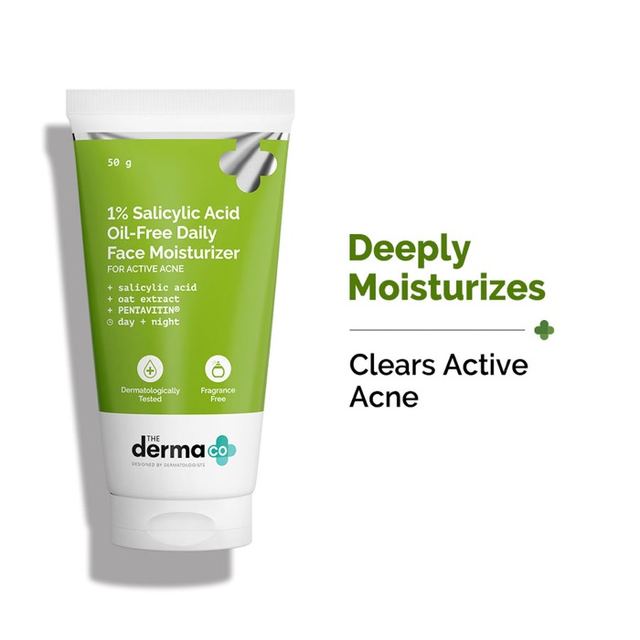
Active oil-free moisturizer to pair with Salicylic wash for oil control.
Apply to damp skin.
View product source →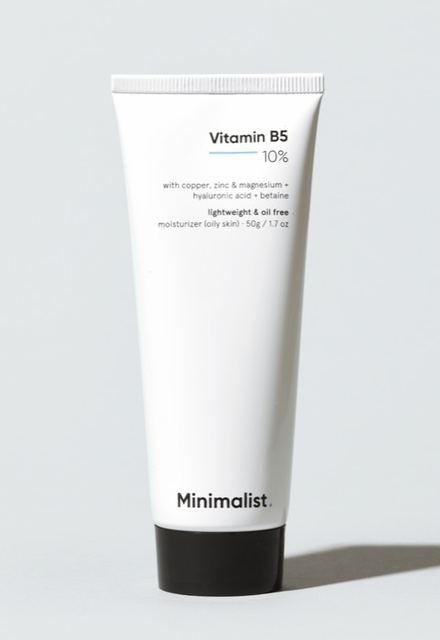
Hydrating soothing moisturizer for preventing post-cleansing tightness.
Non-greasy gel texture.
View product source →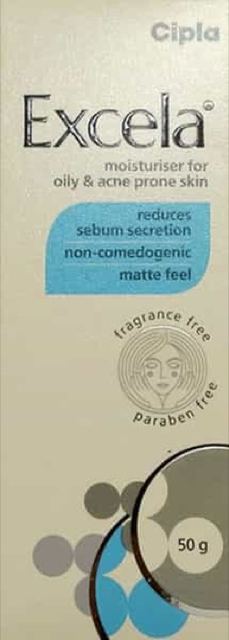
Non-comedogenic pharmacy moisturizer ideal for acne-prone skin.
Use twice daily.
View product source →In India, Salicylic acid cleansers are available across pharmacy lines like Cipla Saslic DS and dermatologist brands like Minimalist and The Derma Co. Selecting a non-stripping formula ensures deep pore cleanliness without causing barrier damage.
Start with a gentle 1% Salicylic acid gel cleanser or a buffered 2% cleanser used once daily in the evening, followed by an oil-free moisturizer.
The easiest way to misread salicylic acid face wash for acne indian skin is to change the active, cleanser, moisturizer, sunscreen, and spot treatment in the same week. When the skin improves, you will not know what helped. When it flares, you will not know what caused it. Use this small experiment structure before judging the product or routine.
Take one front-facing photo and one close photo in indirect light. Note active pimples, clogged-looking areas, redness, oiliness, flaking, burning, and existing marks separately. This stops every dark spot from being blamed on the newest product.
Change only the step this page is about. Keep cleanser, sunscreen, moisturizer, and acne actives otherwise stable. If the face stings, peels aggressively, or develops a rash, simplify instead of pushing through for “results.”
Compare the same zones in the same lighting. Useful signs include fewer new inflamed spots, less tightness, cleaner sunscreen removal, or calmer marks. Concerning signs include spreading rash, painful cysts, raw skin, or new bumps in unusual areas.
A win is not perfect skin in two weeks. A win is a routine that your skin can tolerate and that makes the next decision clearer. For acne-prone Indian skin, less irritation is part of the result because irritation can leave PIH long after the original breakout is gone. If you cannot tell what changed, return to the baseline routine and get professional advice before adding another active.
Salicylic acid face wash for acne on Indian skin: 1% vs 2% guide to clearing pores without barrier burn is not a standalone skin plan. Acne-prone skin usually improves when the surrounding routine is predictable: gentle cleanse, barrier support, sun protection, and one treatment decision at a time.
Keep mornings simple: gentle cleanser if needed, light moisturizer if skin feels tight, and sunscreen. This matters because PIH and irritation are harder to interpret when sun exposure and barrier damage keep changing the baseline.
Use the night routine for the active or cleansing decision, not every possible treatment. If you need adapalene, benzoyl peroxide, exfoliation, and pigment care, sequence them with professional guidance instead of layering them all together.
Consult a dermatologist if your acne consists of painful deep cysts, nodular lesions, or severe inflammatory breakouts that fail to improve after 6 weeks of proper cleansing and barrier care.
A lot of acne searches push you toward more actives. MyMirror’s better role is quieter: help you describe what is visible, change one variable at a time, and notice when irritation is becoming the bigger problem.
Seek professional care for painful cysts, scarring, rapidly worsening acne, rash, swelling, infection signs, pregnancy-related medication questions, or skin changes that worry you.
1% is gentler and ideal for daily use or sensitive skin, while 2% is maximum OTC strength for very oily skin and stubborn blackheads.
Lather on damp skin for 60 seconds (short-contact therapy) before rinsing thoroughly. Do not leave on longer to avoid dryness.
Yes. BHA accelerates pore unclogging, which may cause mild temporary purging (small pimples in typical areas) during weeks 2 to 3.
Yes, 1% washes can be used daily. If using 2%, start 3 nights a week and gradually build to daily use as tolerated.
Saslic DS is a potent foaming wash best for very oily skin, while Minimalist provides a more cushioned, non-stripping formula for sensitive skin.
Yes. 5% Niacinamide serum helps repair the barrier and balance oil, making it an excellent post-cleansing partner.
If overused or paired with hot water, it can cause dryness. Always follow with an oil-free moisturizer within 60 seconds.
Yes. Because BHA is oil-soluble, it dissolves oxidation and sebum plugs inside nose pores, significantly reducing blackheads.
This page uses cautious public dermatology and regulatory references for safety boundaries: JAAD salicylic acid in dermatology review, IJDVL acne cleanser consensus guidelines, AAD acne face wash guidance.
Use MyMirror to organize what you can see today. Keep the routine simple, protect the barrier, and get medical help when acne is painful, scarring, persistent, or confusing.
Start your free AI skin scan