Best fit
Flat brown post-acne marks, uneven tone after inflammation, and routines where sunscreen is already consistent.
Tranexamic acid may support some pigment routines, but acne marks need correct identification, sunscreen discipline, and patience more than another harsh layer.
Start your free AI skin scan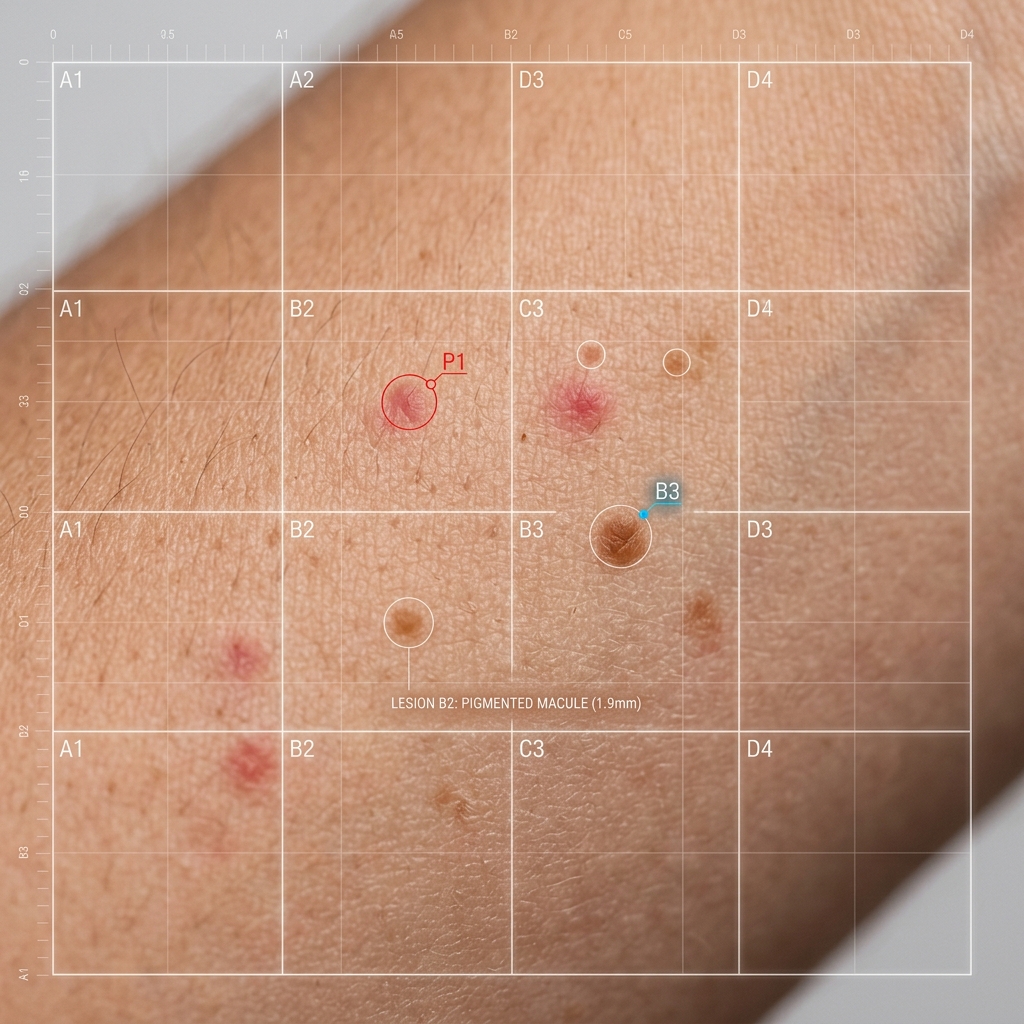
Tranexamic acid is often searched as a quick fix for dark acne marks. The more useful question is whether the mark is truly PIH, whether acne is still active, and whether the routine already contains enough irritation to keep creating new pigment. This guide focuses on topical tranexamic acid as one possible support ingredient, not a guarantee.
Flat brown post-acne marks, uneven tone after inflammation, and routines where sunscreen is already consistent.
Active inflamed acne, irritated barrier, pregnancy, blood-clotting history, oral tranexamic acid interest, or uncertain melasma-like patches.
Stop new breakouts and protect from sun. A pigment ingredient cannot outrun constant inflammation and UV exposure.
Use MyMirror to map visible marks and active acne separately. That distinction helps you decide whether your next step should be acne control, sunscreen consistency, pigment support, or medical review. The scan cannot diagnose melasma or prove tranexamic acid will work.
Keep the scan as a visible record. It can help you compare active bumps, clogged-looking areas, redness, oiliness, texture, and dark marks. It cannot diagnose acne type, identify a medical allergy, prescribe a drug, or replace urgent care.
Indian skin tones commonly develop brown PIH after acne. The mark can feel like the main problem even after the pimple is gone. Tranexamic acid is discussed in pigmentation literature, especially melasma, but topical product results vary. It belongs in a calm routine with sunscreen, not in an aggressive stack of acids and peels.
| Signal | What it can mean | Safer next move |
|---|---|---|
| PIH | Usually brown to dark brown flat marks after acne or irritation. | Photo tracking helps separate old marks from new acne. |
| PIE | Pink or red marks are more vascular-looking and may behave differently from brown PIH. | Do not assume every post-acne mark needs a pigment suppressor. |
| Melasma-like patches | Symmetrical, blotchy facial pigmentation may need dermatologist-led care. | A scan can document pattern, but not diagnose melasma. |
| Sun exposure | UV and visible light can worsen persistent pigmentation. | Daily sunscreen is the base treatment, not an optional add-on. |
A safer tranexamic acid routine is built around sunscreen, acne control, barrier comfort, and one pigment step at a time. The ingredient should not be used to justify skipping SPF or tolerating irritation.
Use photos to decide whether the concern is flat brown PIH, red PIE, active acne, or wider patchy pigmentation. Different patterns need different expectations.
Use broad-spectrum sunscreen daily and consider tinted sunscreen if persistent pigmentation is a major concern. Hats and shade help.
Use tranexamic acid once daily or as directed by the product. Avoid starting it alongside strong acids, retinoids, and peels in the same week.
If the serum stings, causes rash, or worsens dryness, pause. Irritation can create more PIH than the serum can fade.
Acne marks fade slowly. Judge progress over eight to twelve weeks in the same lighting, not from daily mirror checks.
Tranexamic acid products are sold as dark-spot serums, pigmentation correctors, ampoules, and multi-active brightening blends. The product decision should start with the mark pattern. A serum can support a calm PIH routine, but it cannot compensate for untreated acne, daily picking, or inconsistent sunscreen.
| Format | Product examples / label clues | Useful for | Watch-outs |
|---|---|---|---|
| Tranexamic acid serum | Leave-on serum, often around 2–5% in cosmetic products; Minimalist Tranexamic 3% is one visible Indian-market example. | Flat brown acne marks when sunscreen is already consistent and the barrier is calm. | Results vary and take time; stinging or rash can worsen pigmentation risk. |
| Tranexamic plus azelaic or kojic blend | Multi-active pigmentation correctors such as tranexamic-azelaic style serums. | People who tolerate actives and want one product aimed at uneven tone. | More ingredients means more variables. Introduce slowly and do not stack with peels at first. |
| Niacinamide or barrier-support serum | Not a tranexamic product, but commonly compared for acne marks and tone. | Skin that is irritated, oily, or barrier-compromised before stronger pigment steps. | May not be enough for persistent pigmentation, but can make the routine more tolerable. |
| Dermatologist-led options | Prescription pigment plans, procedures, or oral tranexamic acid when medically appropriate. | Melasma-like patterns, stubborn PIH, or pigmentation mixed with active acne/scarring. | Oral tranexamic acid is not a cosmetic serum and needs medical screening. |
Examples only, not endorsements. These product cards are visible label examples from Indian brand or retailer pages. Use them to compare active ingredients, format, and warnings; do not treat them as medical recommendations or rankings.
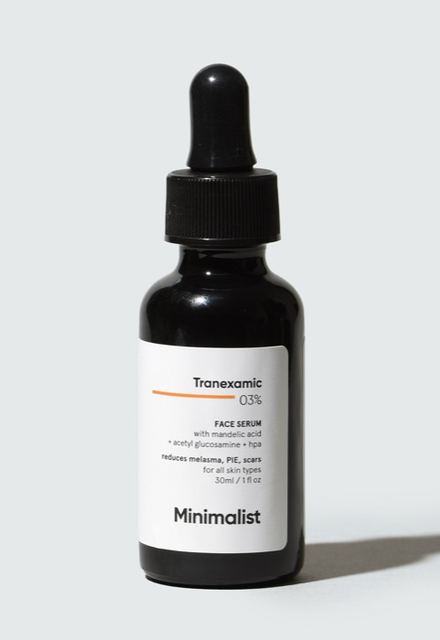
A Minimalist serum positioned for melasma, PIE, PIH, and hyperpigmentation with 3% tranexamic acid.
Use with sunscreen; pigment care is slow and irritation can worsen marks.
View product source →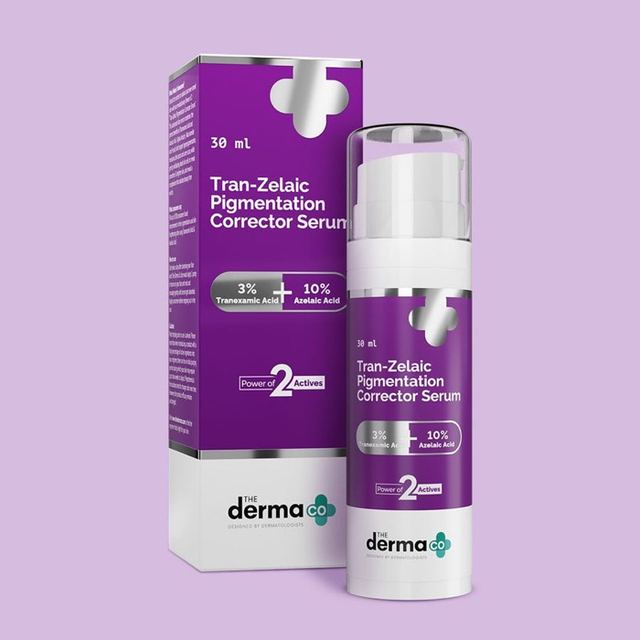
A serum combining tranexamic acid and azelaic acid for pigmentation and acne-mark concerns.
More actives mean more irritation variables; introduce slowly.
View product source →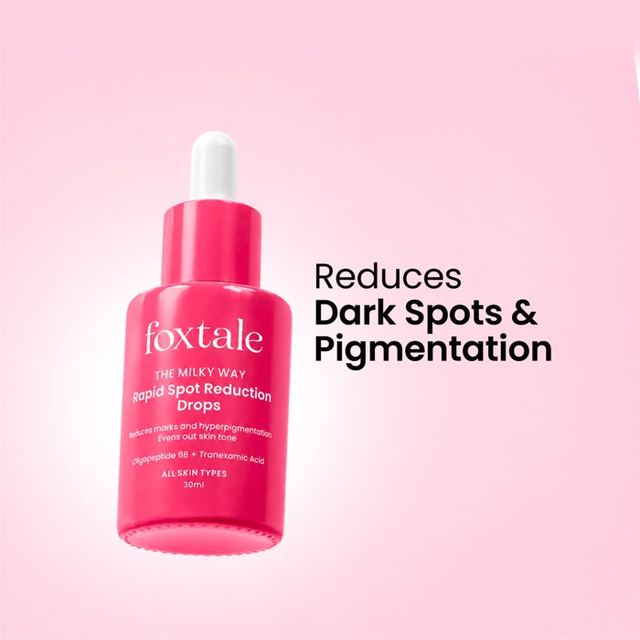
Foxtale lists this serum with 3% tranexamic acid and niacinamide for dark spots and uneven tone.
If marks are red, indented, or melasma-like, do not assume this is the correct product class.
View product source →Search results mix topical tranexamic serums, tranexamic-azelaic correctors, kojic/alpha-arbutin blends, niacinamide serums, peeling solutions, and melasma medication discussions. That mix can be confusing because the front-end promise is often “dark spots,” but the risk profile is different. For Indian acne marks, the safest product landscape is sunscreen, acne control, barrier support, then one pigment product. If the mark pattern is symmetrical or melasma-like, the product shelf is the wrong place to self-diagnose.
Buy or recommit to broad-spectrum sunscreen before buying a pigment serum. If acne is still active, invest effort in preventing new breakouts first. Once the routine is calm, choose one topical tranexamic product and use it consistently for eight to twelve weeks in the same lighting. Avoid buying multiple brightening serums together because irritation can create the exact PIH you are trying to fade.
The easiest way to misread tranexamic acid for PIH Indian skin is to change the active, cleanser, moisturizer, sunscreen, and spot treatment in the same week. When the skin improves, you will not know what helped. When it flares, you will not know what caused it. Use this small experiment structure before judging the product or routine.
Take one front-facing photo and one close photo in indirect light. Note active pimples, clogged-looking areas, redness, oiliness, flaking, burning, and existing marks separately. This stops every dark spot from being blamed on the newest product.
Change only the step this page is about. Keep cleanser, sunscreen, moisturizer, and acne actives otherwise stable. If the face stings, peels aggressively, or develops a rash, simplify instead of pushing through for “results.”
Compare the same zones in the same lighting. Useful signs include fewer new inflamed spots, less tightness, cleaner sunscreen removal, or calmer marks. Concerning signs include spreading rash, painful cysts, raw skin, or new bumps in unusual areas.
A win is not perfect skin in two weeks. A win is a routine that your skin can tolerate and that makes the next decision clearer. For acne-prone Indian skin, less irritation is part of the result because irritation can leave PIH long after the original breakout is gone. If you cannot tell what changed, return to the baseline routine and get professional advice before adding another active.
Tranexamic acid for PIH on Indian skin: where it fits in an acne-mark routine is not a standalone skin plan. Acne-prone skin usually improves when the surrounding routine is predictable: gentle cleanse, barrier support, sun protection, and one treatment decision at a time.
Keep mornings simple: gentle cleanser if needed, light moisturizer if skin feels tight, and sunscreen. This matters because PIH and irritation are harder to interpret when sun exposure and barrier damage keep changing the baseline.
Use the night routine for the active or cleansing decision, not every possible treatment. If you need adapalene, benzoyl peroxide, exfoliation, and pigment care, sequence them with professional guidance instead of layering them all together.
A dermatologist can help distinguish PIH, PIE, melasma, acne scars, and other pigment patterns. This matters because the wrong self-treatment can delay useful care or irritate skin that already marks easily.
A lot of acne searches push you toward more actives. MyMirror’s better role is quieter: help you describe what is visible, change one variable at a time, and notice when irritation is becoming the bigger problem.
Seek professional care for painful cysts, scarring, rapidly worsening acne, rash, swelling, infection signs, pregnancy-related medication questions, or skin changes that worry you.
Topical tranexamic acid may support some pigmentation routines, but results vary. PIH also depends on acne control, sun protection, skin tone, depth of pigment, and irritation level.
They work differently and are often used for different roles. Niacinamide can support barrier and tone; tranexamic acid is used in some pigment-focused formulas. The best choice depends on your skin state.
Some routines combine them, but introducing both at once can irritate. Start one product, establish tolerance, then consider layering slowly.
Many acne marks take months, not days. Consistent sunscreen and fewer new breakouts are essential for judging any fading ingredient.
Tranexamic acid is discussed in melasma care, including medical options, but melasma should be clinician-guided. Do not self-diagnose melasma from a photo.
No. Oral tranexamic acid is a medication with medical risks and should only be used under clinician supervision. This page focuses on topical product context.
Red or pink post-acne marks may be PIE rather than PIH. Pigment ingredients may not be the main answer, and time, inflammation control, and professional advice may be more relevant.
No. Over-exfoliation can inflame skin and create more marks. Gentle consistency beats repeated irritation.
This page uses cautious public dermatology and regulatory references for safety boundaries: AAD dark spots guidance, AAD sun protection guidance, Tranexamic acid in melasma review.
Use MyMirror to organize what you can see today. Keep the routine simple, protect the barrier, and get medical help when acne is painful, scarring, persistent, or confusing.
Start your free AI skin scan