
1. Acne Scars vs Post-Acne Marks: Why Creams Can't Fill Deep Pits
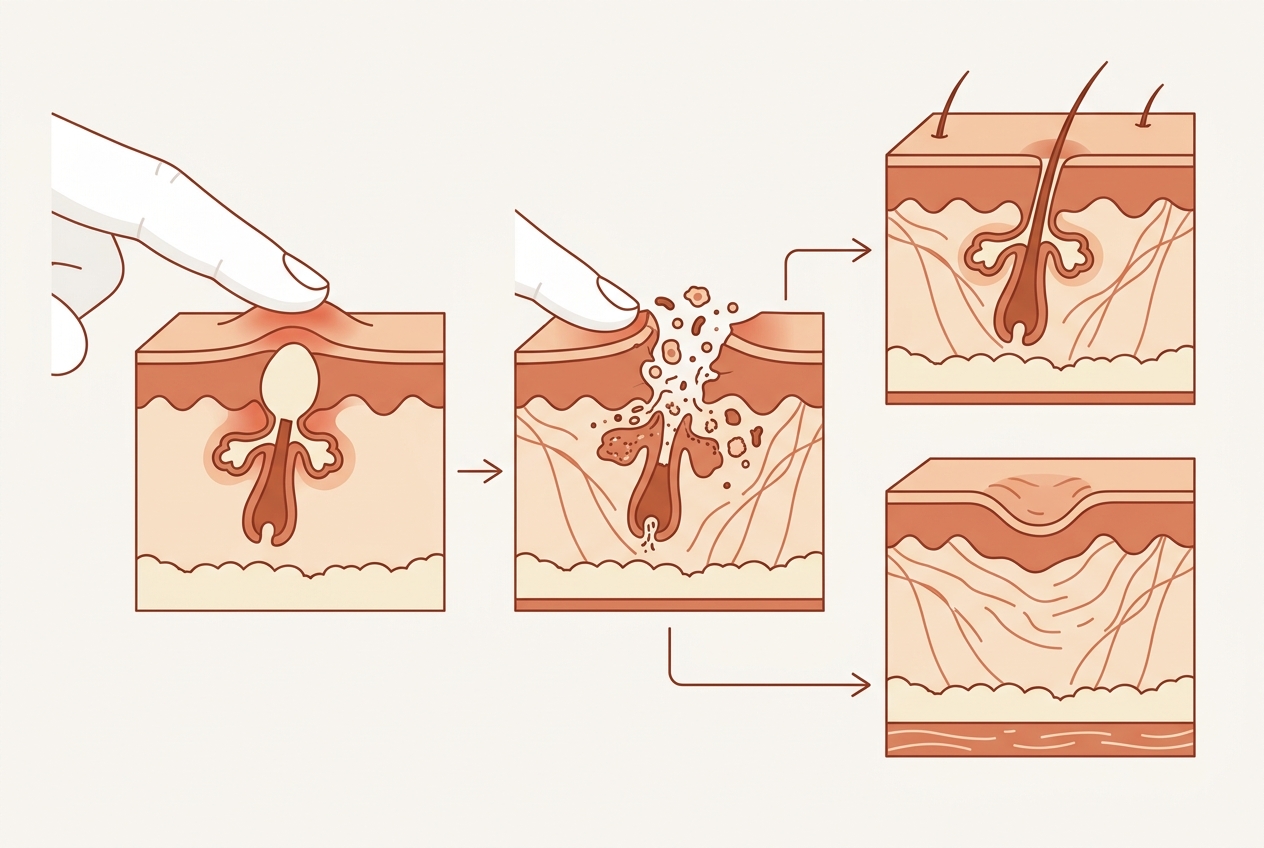
Before investing thousands of rupees into "scar removal" creams, it is a crucial medical distinction to differentiate between flat pigmented marks and true atrophic scars.
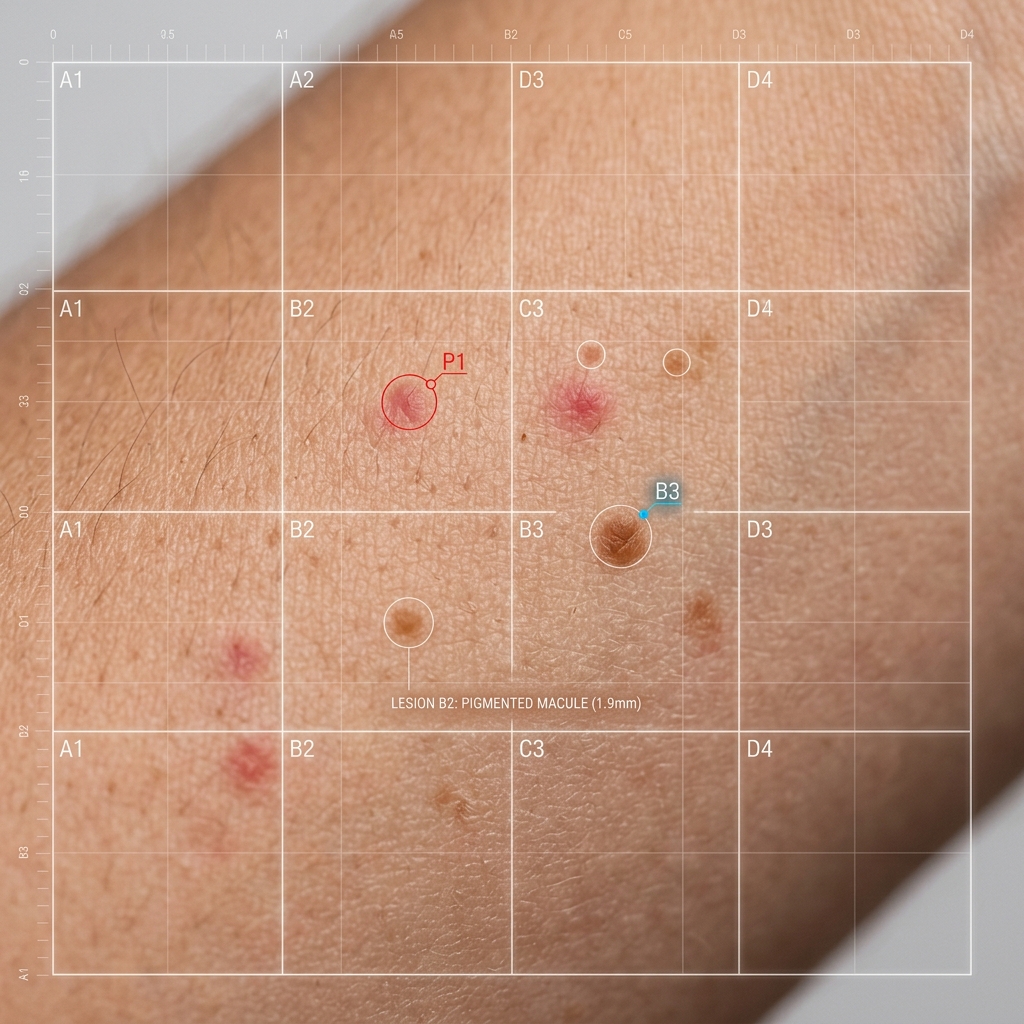
Post-Inflammatory Hyperpigmentation (PIH) and Post-Inflammatory Erythema (PIE) are flat brown or red marks left behind after a pimple heals. These are epidermal and dermal pigment changes. The good news? They respond 80-90% to topical tyrosinase inhibitors and exfoliants over 3 to 6 months.
⚠️ The Truth About Atrophic Scars
True atrophic scars (icepick, boxcar, and rolling scars) represent a structural loss of collagen in the deeper dermis.
Buying a ₹2,000 "scar healing cream" for deep icepick pits is fundamentally a waste of money. No topical cream can magically regenerate lost dermal collagen to fill a pitted scar. These require in-office dermatological procedures like TCA CROSS, Subcision, or Microneedling Radiofrequency (MNRF).
2. Topical Actives That Actually Fade Acne Marks on Indian Skin
If your primary concern is dark spots (PIH) and red marks (PIE), these are the gold-standard dermatological actives proven for Indian (Fitzpatrick III-V) skin:
The ultimate multi-tasker for Indian skin. Azelaic acid inhibits tyrosinase (stopping melanin overproduction), reduces inflammation (helping red PIE), and possesses mild keratolytic properties. It is exceptionally safe for long-term use.
A natural tyrosinase inhibitor derived from fungi. Excellent for targeting localized dark brown PIH spots. Often combined with Alpha Arbutin or Glycolic Acid in pharmacy formulations.
Prescription retinoids accelerate cellular turnover, pushing pigmented cells to the surface faster to be shed. They also stimulate mild collagen production, slightly improving shallow textural irregularities.
While not a strong exfoliator, Niacinamide prevents the transfer of melanosomes to keratinocytes. It's a gentle active that supports the skin barrier while fading marks.
3. Product & Treatment Comparison Matrix
Compare the top pharmacy formulations and clinical procedures side-by-side to determine the best approach for your specific scar type.
| Treatment / Product | Target Issue | Efficacy Timeline | Cost / Price |
|---|---|---|---|
| Aziderm 15% Gel | PIH (Dark spots), PIE, Active Acne | 8 - 12 Weeks | ~₹280 / tube |
| Picspot 15% Gel | PIH, PIE | 8 - 12 Weeks | ~₹350 / tube |
| Minimalist 10% Azelaic | Mild PIH, Maintenance | 12 - 16 Weeks | ~₹599 / 30ml |
| Mederma Advanced Gel | Hypertrophic / Raised Scars | Ineffective for pitted scars | ~₹450 / tube |
| TCA CROSS (Clinic) | Icepick Scars, Narrow Boxcar | 3 - 5 Sessions | ₹2,500 - ₹5,000 / session |
| Fractional CO2 Laser | Overall texture, shallow rolling | 4 - 6 Sessions (High downtime) | ₹5,000 - ₹15,000 / session |
| MNRF (Clinic) | Boxcar, Rolling Scars | 3 - 6 Sessions (Low downtime) | ₹6,000 - ₹12,000 / session |
| Subcision (Clinic) | Tethered Rolling Scars | 1 - 3 Sessions | ₹4,000 - ₹8,000 / session |
4. Derm-Approved In-Clinic Procedures for Indian Skin (Cost & Recovery)
For structural atrophic scars, you must move beyond topicals and consult a dermatologist for procedural interventions. Here are the safest and most effective options for Indian skin:
TCA CROSS for Icepick Scars
Chemical Reconstruction of Skin Scars (CROSS) uses 70-100% Trichloroacetic Acid applied precisely with a toothpick to the base of the icepick scar. This causes localized frosting and triggers a healing response that builds collagen, raising the floor of the scar. Expect a few days of crusting. Cost: ₹2,500-₹5,000/session.
Microneedling Radiofrequency (MNRF) for Boxcar/Rolling Scars
MNRF uses gold-plated needles to deliver radiofrequency energy deep into the dermis without damaging the surface epidermis. This makes it exceptionally safe for darker Indian skin compared to aggressive ablative lasers, minimizing the risk of PIH while robustly stimulating collagen. Cost: ₹6,000-₹12,000/session.
Subcision for Rolling Scars
Rolling scars are often "tethered" to underlying tissue by fibrotic bands. Subcision uses a Nokor needle to cut these bands beneath the skin, immediately releasing the depressed scar and allowing it to elevate. Often combined with fillers or MNRF. Cost: ₹4,000-₹8,000/session.
5. The 4-Step Scar Fading Routine for Fitzpatrick III-V Skin
If your primary concern is fading post-acne marks (PIH/PIE), follow this optimized daily routine to maximize tyrosinase inhibition without compromising your skin barrier.
6. Why Mederma Doesn't Work on Pitted Scars (The Onion Extract Myth)
Mederma is one of the most widely recognized over-the-counter scar treatments, largely due to excellent marketing. However, many acne sufferers are disappointed when it fails to fix their pitted scars.
The Clinical Reality of Onion Extract
Mederma's primary active ingredient is Allium Cepa (onion) bulb extract. This ingredient has mild anti-inflammatory properties and is theorized to inhibit fibroblast proliferation.
This mechanism makes it potentially useful for hypertrophic (raised) scars or keloids where you want to *stop* excess collagen production. However, for atrophic acne scars (where collagen is missing), inhibiting fibroblasts is counterproductive. You cannot use a product designed to flatten raised scars to fill in deep, pitted depressions.
7. Identify Your Acne Scar Type & Best Treatment
Take this quick diagnostic quiz to determine the most effective approach for your acne marks or scars:
Acne Scar Treatment Selector
Answer 3 questions to find your optimal path.
8. Frequently Asked Questions (FAQ)
Expert answers to common questions about treating acne scars in India: