
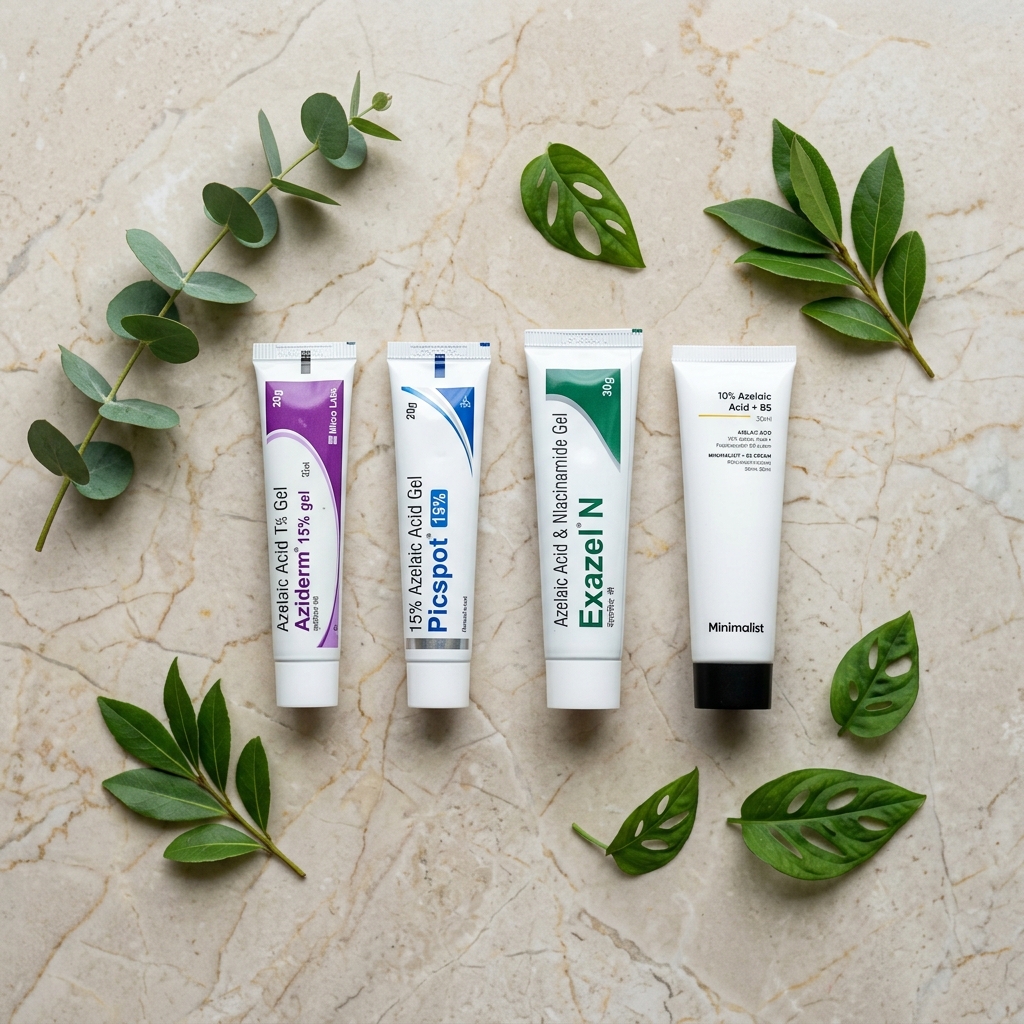
1. How Azelaic Acid Works: Tyrosinase Inhibition + Anti-Inflammatory Science
Azelaic Acid is a powerhouse dicarboxylic acid that works on multiple fronts to combat acne and hyperpigmentation. It competitively inhibits tyrosinase specifically in hyperactive/abnormal melanocytes (without lightening normal skin), making it exceptional for fading post-acne marks (PIH).
Beyond pigment control, it downregulates pro-inflammatory cytokines (IL-1β, IL-6, TNF-α) and reduces C. acnes proliferation.
Targets only overactive melanocytes, effectively fading dark spots without bleaching surrounding skin.
Reduces inflammatory cytokines, making it a frontline treatment for rosacea and angry, red acne lesions (PIE).
Normalizes keratinization, preventing the formation of comedones and keeping pores clear.
Highly effective at reducing the persistent erythema and papulopustular lesions associated with rosacea.
2. 10% vs 15% vs 20% Azelaic Acid: Pharmacy Gel vs OTC Serum
Choosing the right strength is crucial for efficacy and tolerance. Here is the breakdown of different concentrations:
- 10% OTC (Beginner, gentle, daily): Minimal tingling. Perfect for those new to Azelaic Acid or with highly sensitive skin.
- 15% Gel (Optimal balance): Finacea equivalence. Often considered the sweet spot for treating rosacea and papulopustular acne with manageable irritation.
- 20% Cream/Gel (Maximum strength): Like Aziderm 20%. Reserved for stubborn PIH, severe acne, and resilient skin that has built tolerance.
3. Product Comparison Matrix
| Product | Azelaic % | Formulation | Best For | Tingling Index | ₹ Price |
|---|---|---|---|---|---|
| Aziderm 10% Gel (Micro Labs) | 10% | Gel | Beginners, Sensitive Skin | Low | ₹250 |
| Aziderm 20% Gel | 20% | Gel | Stubborn PIH, Severe Acne | High | ₹320 |
| Picspot 15% Gel (Galderma) | 15% | Gel | Rosacea, Papulopustular Acne | Medium | ₹450 |
| Exazel-N Cream | Azelaic + Niacinamide | Cream | Hyperpigmentation, Dry Skin | Medium | ₹380 |
| Minimalist 17% Azelaic Acid Serum | 17% | Serum | Cosmetic Elegance | Medium-High | ₹799 |
| The Derma Co 10% Azelaic Acid Serum | 10% | Serum | Beginners (OTC) | Low | ₹599 |
| Paula's Choice 10% Azelaic Acid Booster | 10% + Salicylic Acid | Cream-Gel | Multi-targeting (Premium) | Low-Medium | ₹3,400 |
4. Pharmacy Gels (Aziderm) vs Cosmetic Serums: Which Form Is Best?
Gel formulations provide superior follicular penetration compared to heavy creams, making them highly effective for acne-prone skin.
Pharmacy gels often utilize micro-emulsion technologies. This structure allows the active ingredient to be delivered steadily while preventing the common issue of pilling under sunscreen or makeup. If you experience pilling, ensure you are allowing the gel to dry completely and using patting motions when applying subsequent layers.
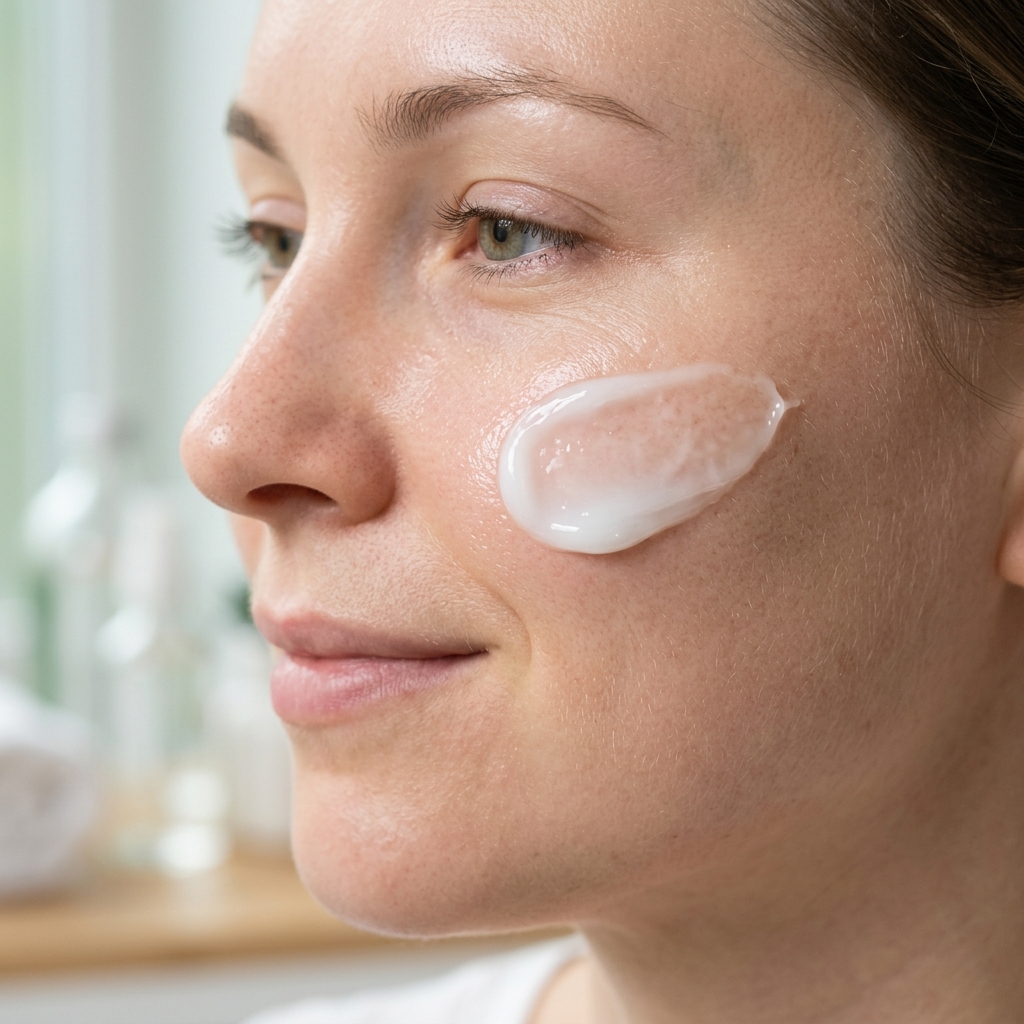
5. The Initial Tingling & Itching Phase: How to Manage It
Understanding the "Azelaic Itch"
Mild itching, stinging, or a prickly sensation during the first 1-2 weeks of use is entirely normal and expected. It is a temporary side effect that diminishes as your skin builds tolerance.
How to manage it: Buffer the application. Apply a lightweight moisturizer first, let it absorb, and then apply your Azelaic Acid gel. This slows down penetration and significantly reduces discomfort.
6. Azelaic Acid Layering: Pairing with Niacinamide, Retinol & Vitamin C
Azelaic acid is generally well-tolerated when combined with other actives, but correct layering is key:
- AM Routine: Niacinamide → Azelaic Acid → Sunscreen. This combo is excellent for tackling PIH and calming inflammation.
- PM Routine: Retinol → Azelaic Acid. For beginners, use them on alternate nights. Advanced users can use the sandwich method (Moisturizer → Retinol → Moisturizer → Azelaic Acid) if their skin tolerates it.
⚠️ Vitamin C Caution
Layering L-Ascorbic Acid (pure Vitamin C) and Azelaic Acid can cause significant irritation. It's best to use Vitamin C in the AM and Azelaic Acid in the PM if your skin is sensitive.
7. Interactive 'Which Azelaic Acid Strength Do You Need?' Quiz
Azelaic Strength Selector
Answer 4 questions to find your ideal Azelaic Acid starting strength.