
Brighten Skin for Diwali with Natural Home Ingredients: The Dermatologist Guide
How to get a luminous festive glow using simple, safe kitchen ingredients—while avoiding the dangerous cooking turmeric and lemon juice traps that leave Indian skin burned and stained.
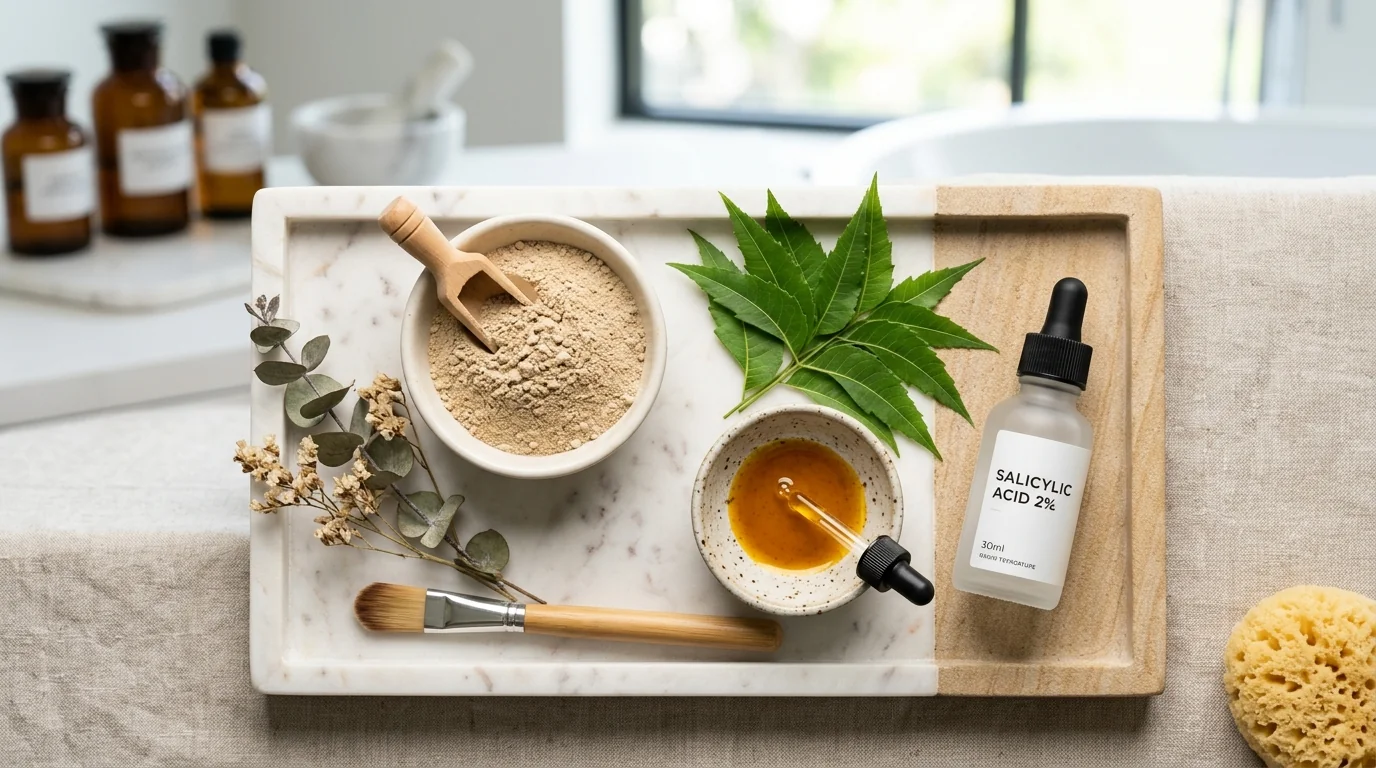
1. The "Dusty Window" Analogy: Why Skin Looks Dull Before Diwali (And How to Fix It)
In October and November across India, thousands of people notice their skin looking tired, lifeless, and uneven right when festive parties begin. Understanding why this happens makes choosing the right remedy simple.
Think of your facial skin like a clean glass window. When sunlight hits a clean window, light reflects smoothly, creating a bright shine. But during pre-Diwali preparations, three seasonal factors cover that window in microscopic dust:
- 1. Deep Cleaning Dust & Pollution: Sweeping, dusting curtains, and outdoor festive pollution coat pores in fine particulate matter, causing dull oxidation.
- 2. Post-Monsoon Dry Air: As winter air rolls in, humidity drops. Your skin loses water through evaporation (Transepidermal Water Loss), leaving surface cells desiccated, rough, and powdery.
- 3. Sluggish Cell Turnover: Tired dead cells cling to your face like dried glue, scattering incoming light in every direction so your face looks shadowy and flat.
You do not need to scrape your face with sandpaper or bleach it with dangerous salon chemicals. To restore your Diwali radiance, you only need to accomplish two simple things: gently wipe away the dead surface dust layer and flood the cells with natural hydration so light bounces off your cheeks.
2. The 4 Safe Kitchen Ingredients That Actually Work (And The Science Why)
Not all kitchen remedies are old wives' tales. Modern dermatology confirms that several domestic Indian staples contain the exact same therapeutic compounds found in premium clinical serums.
Curd is formed through lactobacillus fermentation, naturally producing gentle Lactic Acid. As an Alpha Hydroxy Acid (AHA), it dissolves the protein bonds holding dead, pigmented surface cells together. Meanwhile, its natural milk fats nourish your moisture barrier so you never experience stinging.
Honey is one of nature's most powerful humectants. It binds water molecules directly to your stratum corneum, creating instant suppleness and bounce. It also possesses natural antimicrobial properties that keep acne-causing bacteria from flaring under festive makeup.
Gram flour (besan) contains natural plant saponins that break down surface grime, festive sweat, and excess sebum without stripping the skin's essential lipid barrier. For ultra-sensitive skin prone to redness, finely ground colloidal oats provide beta-glucan compounds that soothe irritation.
Unlike yellow kitchen cooking turmeric, Kasturi Manjal (Curcuma aromatica) is an ancient cosmetic botanical. It delivers potent anti-inflammatory curcuminoid antioxidants that neutralize oxidative pollutants without staining your skin yellow.
3. The "Kitchen Haldi Trap" & 4 Dangerous DIY Ingredients That Cause Chemical Burns
Every year in Indian dermatology clinics, the week before Diwali sees an influx of patients with burning red faces, swollen eyelids, and dark patches caused by well-meaning homemade experiments gone wrong.
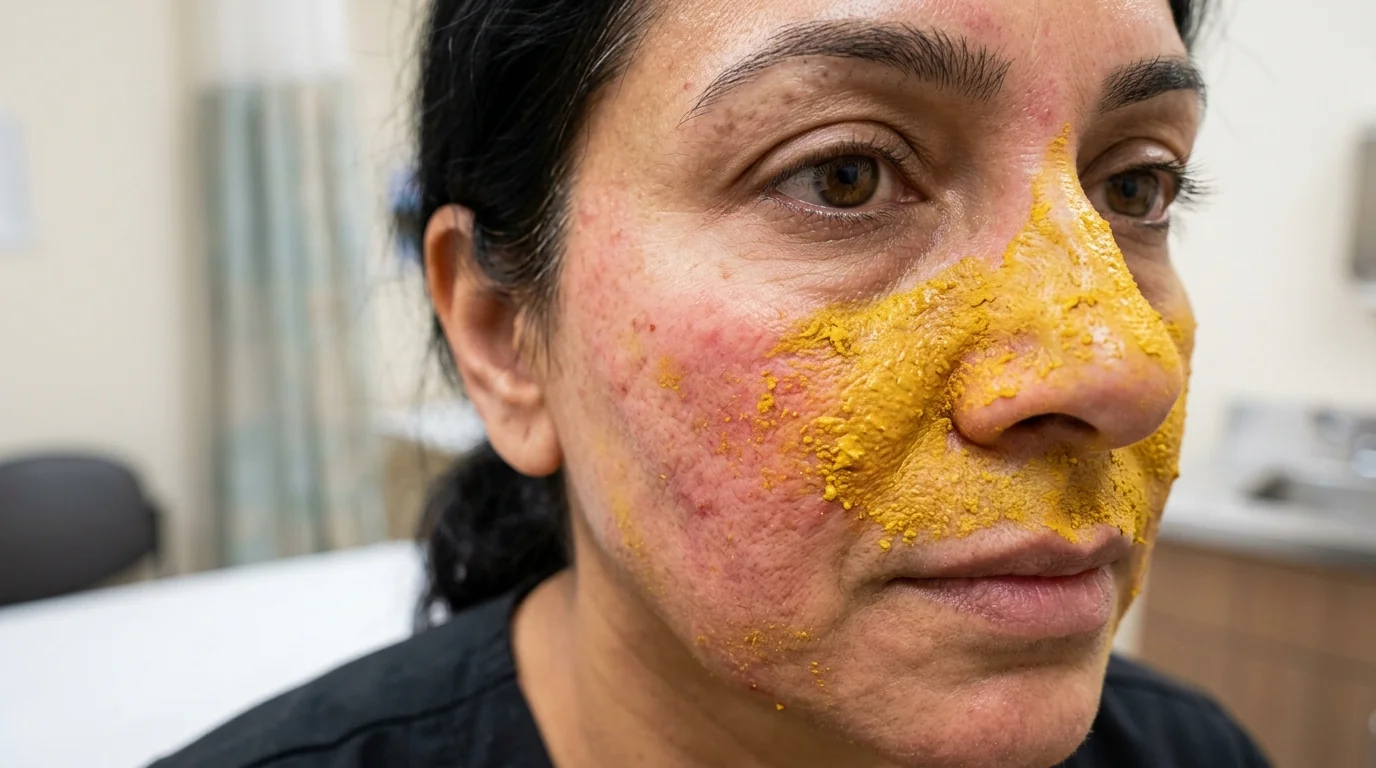
❌ 1. The Cooking Haldi Trap (Kitchen Turmeric Jar)
Cooking turmeric powder is ground specifically for curries and tadka. It is frequently blended with starches, yellow dye chromates, or spice dust (like residual red chili from industrial grinding mills). When applied to facial skin, it induces severe allergic contact dermatitis, clogged pores, and a bright yellow stain that won't wash off before Diwali photos! Always buy pure Kasturi Manjal (Wild Turmeric) from an Ayurvedic pharmacy.
❌ 2. Raw Lemon Juice or Lime Slices
Many internet blogs claim lemon juice "bleaches dark spots fast." In reality, lemon juice has an extreme pH of 2.0 to 2.5—over 100 times more acidic than your skin's healthy acid mantle. It burns your lipid barrier. To make matters worse, citrus juices contain compounds called psoralens. If you apply lemon juice and then light Diwali sparklers in the afternoon sun, you risk Phytophotodermatitis—severe blistering followed by dark blackish-brown marks that take over a year to fade!
❌ 3. Baking Soda (Sodium Bicarbonate)
Baking soda is heavily alkaline with a pH around 9.0. Facial skin requires an acidic pH around 5.5 to keep acne bacteria in check and maintain lipid enzymes. Rubbing baking soda completely strips away your protective acid shield, triggering immediate stinging, burning redness, and explosive rebound breakouts.
❌ 4. Coarse Sugar or Crushed Walnut Scrubs
Scrubbing your face with granulated sugar or crushed nuts creates microscopic jagged cuts across the epidermis. On Indian skin (Fitzpatrick Types III–V), these microscopic lacerations inflame melanocyte cells, triggering Post-Inflammatory Hyperpigmentation (PIH) that leaves your face darker and patchier than when you started.
4. The Dermatologist-Approved "Safe Diwali Glow" Ubtan Recipe
This balanced, barrier-supportive face pack harnesses natural lactic acid, raw honey, and non-staining wild turmeric to give you radiant glass skin without irritation.
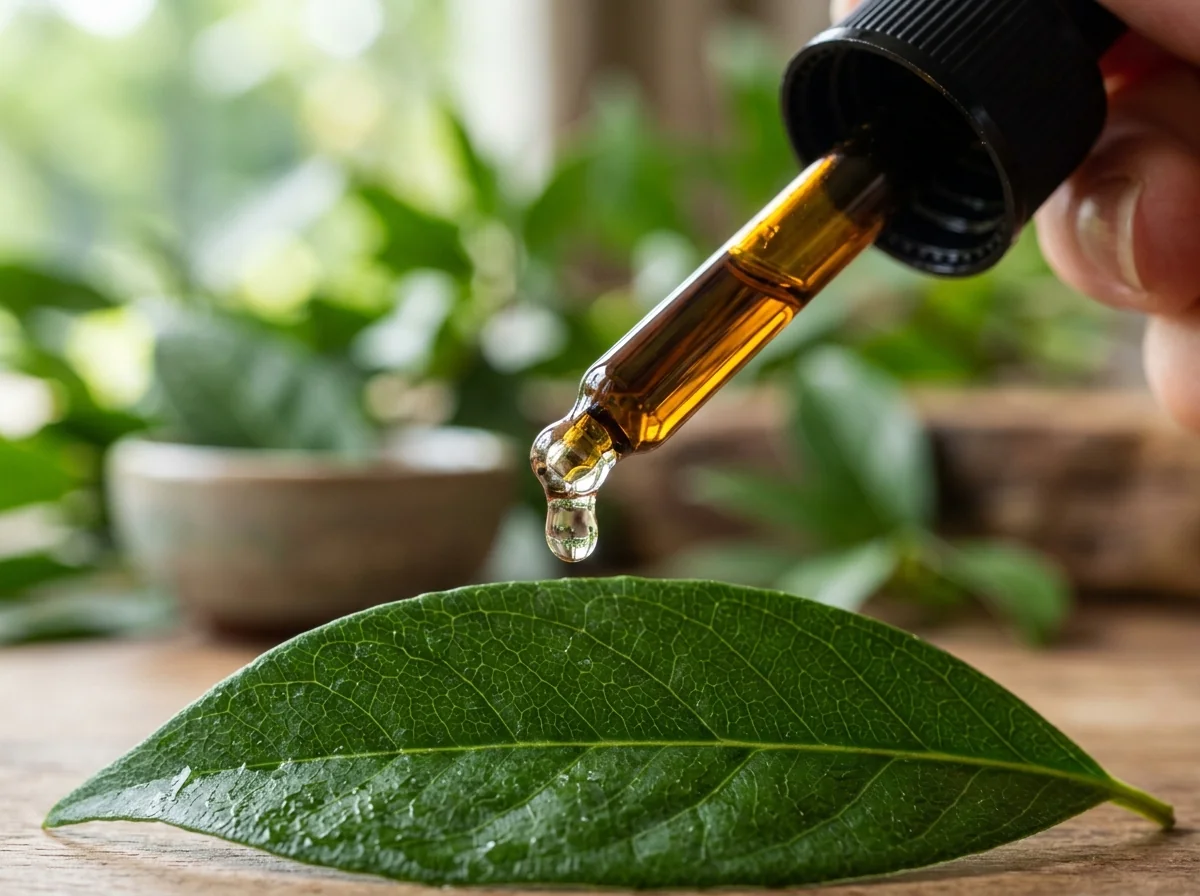
🥣 The Golden Recipe
- 1 Tablespoon Finely Milled Besan (or Colloidal Oat Flour)
- 1 Tablespoon Fresh Chilled Curd (or Raw Full-Cream Milk)
- 1 Teaspoon Pure Raw Forest Honey
- 1 Tiny Pinch Pure Kasturi Manjal (Wild Cosmetic Turmeric)
- 1 Splash Pure Steam-Distilled Rose Water (to adjust consistency)
📋 How to Apply Step-by-Step
- Mix into a smooth, creamy golden paste in a clean glass bowl.
- Rinse your face with lukewarm water; leave skin slightly damp.
- Smooth an even layer over face, neck, and hands with a soft brush.
- Crucial: Leave on for 8 to 10 minutes only.
- Rinse gently with cool water while still moist. Do not scrub!
- Immediately lock in radiance with a ceramide cream.
🚨 The "Never Let It Crack" Rule
A common mistake is waiting for an ubtan to dry into a tight, plaster-like shell that cracks when you smile. When face packs dry completely, they stop drawing out excess oil and begin leaching vital water directly from your living skin cells. This causes acute dehydration and fine flaking. Always wash the mask off when it is 80% dry and still slightly tacky to the touch.
5. The 48-Hour Diwali Skincare Countdown
Timing is everything. Following this 2-day timeline prevents emergency redness and ensures your skin reaches peak radiance right on Diwali night.
D-2 (48 Hours Out): The Exfoliation & Glow Pack Window
Apply your Safe Diwali Glow Ubtan on this evening. Doing your natural pack 48 hours in advance ensures that dull surface cells are swept away with plenty of time for any mild temporary redness to settle. Follow with your regular barrier moisturizer.
D-1 (24 Hours Out): Pure Barrier Hydration & Rest
Zero active acids, zero scrubs, zero new packs. Focus exclusively on hydration: mist with pure rose water, apply a hyaluronic acid or niacinamide serum, and seal with a nourishing ceramide cream. Get at least 7 to 8 hours of sleep to reduce under-eye puffiness.
Diwali Morning: Sunscreen & Pollution Shield
Wash face with a gentle hydrating cleanser. Apply an antioxidant serum (like Vitamin C or green tea extract) followed by a generous layer of broad-spectrum SPF 50+ PA++++ sunscreen. Sunscreen is essential even indoors to protect your fresh epidermal layer from oxidative festival smoke.
Diwali Evening: Pre-Celebration Glass-Skin Prep
Before getting dressed for pooja and dinner, splash face with cool water or gently swipe an ice cube wrapped in a muslin cloth across cheeks for 30 seconds to tighten pores. Apply a lightweight gel moisturizer. Your skin will be glowing, smooth, and ready for festival photos without patchy makeup!
6. Interactive Diagnostic: Find Your Custom Diwali Glow Recipe
Select your current skin type and primary festive concern to get a customized, dermatologist-safe home ingredient recipe.
7. Dermatologist Video Masterclass
Watch board-certified dermatologists explain which kitchen remedies are safe, and the worst DIY mistakes you should never try at home.
📺 Key Video Takeaway: As Dr. Aanchal emphasizes, natural ingredients like curd and honey have real dermatological value, but cooking spices and citrus juices belong on your dinner plate—never raw on your facial barrier!
8. Frequently Asked Questions
Clinical answers to top reader questions regarding festive skin brightening.
No. Ordinary cooking turmeric powder from your kitchen spice jar should never be applied directly to facial skin. Kitchen haldi is formulated for cooking, often containing spice residues, chili dust cross-contamination, or coloring agents that cause contact dermatitis and stubborn yellow staining. Always use Kasturi Manjal (Curcuma aromatica), an aromatic wild cosmetic turmeric that brightens without staining.
Raw lemon juice has an extremely low pH of 2.0 to 2.5, making it over 100 times more acidic than healthy facial skin (pH 5.5). Applying lemon juice causes chemical acid burns and destroys the lipid barrier. When exposed to festive sunlight or warm Diwali diyas, psoralens in lemon juice trigger severe phototoxic hyperpigmentation (dark brown patches) that can take 6 to 12 months to fade.
Always apply home face packs 24 to 48 hours before Diwali evening celebrations. Never apply a new homemade mask on the day of Diwali. If your skin experiences mild temporary redness or purging, a 48-hour buffer allows your skin barrier to calm down and look luminous under festive lighting.
Yes, but with one condition: use low-fat fresh curd and rinse it off within 10 minutes. Curd contains natural lactic acid, a gentle AHA that dissolves dead surface skin cells and unclogs pore openings. However, leaving heavy full-fat curd on very oily skin for too long can leave a greasy film, so wash thoroughly with lukewarm water.
No. Natural ubtans and home ingredients are designed for gentle surface exfoliation, hydration, and restoring radiance to dull skin. They do not kill deep acne bacteria inside clogged pores. For active, inflamed cystic pimples, do not scrub with ubtan; instead, apply spot treatments like 2% salicylic acid or a pimple patch.
When mud, clay, or besan dries completely on your face and begins cracking, it moves past absorbing surface oil and begins sucking vital moisture out of your living epidermal skin cells. This triggers transepidermal water loss (TEWL), leaving your skin tight, dehydrated, and sensitive. Always wash your mask off while it is still slightly damp (around the 8 to 10-minute mark).
Medically Reviewed by Dr. Lipy Mehta
Dr. Lipy Mehta is a board-certified dermatologist specializing in cosmetic dermatology, pigmentary disorders, and evidence-based integration of traditional botanicals with modern barrier science for Indian skin types.