
1. The MyMirror Standardized Skincare Risk-o-Meter Scale
To evaluate dermatological combinations objectively, MyMirror applies a concrete 4-tier standardized Compatibility & Risk Scale:
Same Time & Routine
Actives complement each other perfectly when combined in a single routine.
Same Routine (AM/PM)
Safe in daily routine, but split between morning and evening.
Alternate Days Only
High cumulative irritation risk. Alternate nights with buffering.
Do Not Mix at Same Time
Direct chemical neutralization, acute barrier breakdown, or chemical burn risk.
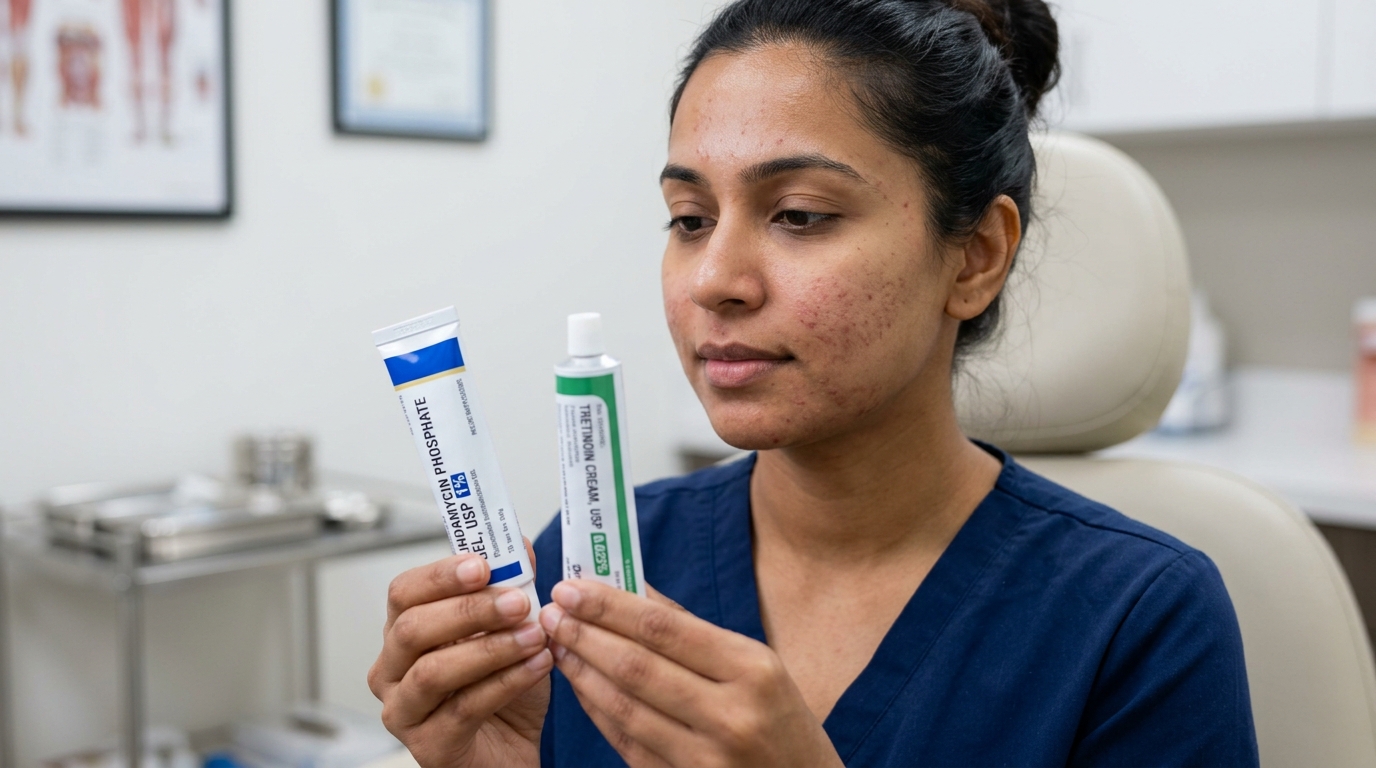
Clindamycin + Tretinoin Rating: 🟢 LEVEL 1 (Prescription Synergy)
Clindamycin and Tretinoin demonstrate high clinical synergy. Tretinoin thins hyper-keratinized pore openings, allowing Clindamycin to enter deep into hair follicles to destroy Cutibacterium acnes while preventing antibiotic resistance.
2. Biological Synergy: How Tretinoin Opens Follicle Doors for Clindamycin
Acne vulgaris is a multi-factorial inflammatory skin disease involving two primary triggers: (1) Follicular hyper-keratinization (dead skin cells clogging pore exits), and (2) Bacterial colonization by Cutibacterium acnes.
When used alone, topical antibiotics like Clindamycin often struggle to penetrate deep inside tightly clogged micro-comedones. Furthermore, using Clindamycin alone for more than 12 weeks carries a risk of bacterial antibiotic resistance.
Tretinoin (all-trans retinoic acid) solves both challenges:
1. It binds directly to RAR nuclear receptors, normalizing cell desquamation and unsticking dead corneocytes at the pore entrance.
2. By unblocking the follicle channel, Tretinoin opens the door for Clindamycin Phosphate 1% to penetrate straight into the anaerobic sebaceous gland, killing C. acnes and suppressing neutrophilic inflammation (read our Clindamycin Gel Guide).
3. Functions, Pros & Cons: Clindamycin vs Tretinoin
Compare the biological mechanism, benefits, and drawbacks of both active ingredients:
Clindamycin Phosphate (1%)
Primary Function: Lincosamide antibiotic that inhibits 50S ribosomal protein synthesis in C. acnes bacteria.
- ✓ Rapidly reduces red, painful pustules
- ✓ Suppresses pro-inflammatory free fatty acid release
- ✓ Extremely low irritation risk on sensitive skin
❌ Cons: Risk of bacterial resistance if used alone; does not unclog blackheads.
Tretinoin (0.025% – 0.05%)
Primary Function: Retinoic acid receptor agonist that regulates cell renewal, thins stratum corneum, and boosts collagen.
- ✓ Clears closed comedones, blackheads & whiteheads
- ✓ Fades post-acne dark marks (PIH)
- ✓ Rebuilds dermal collagen architecture
❌ Cons: Causes 2-4 week retinization peeling; increases UV sensitivity.
4. Curated Product Showcase Stage (Featured for India)
Explore top dermatologist-prescribed Clindamycin and Tretinoin products available at Indian pharmacies:
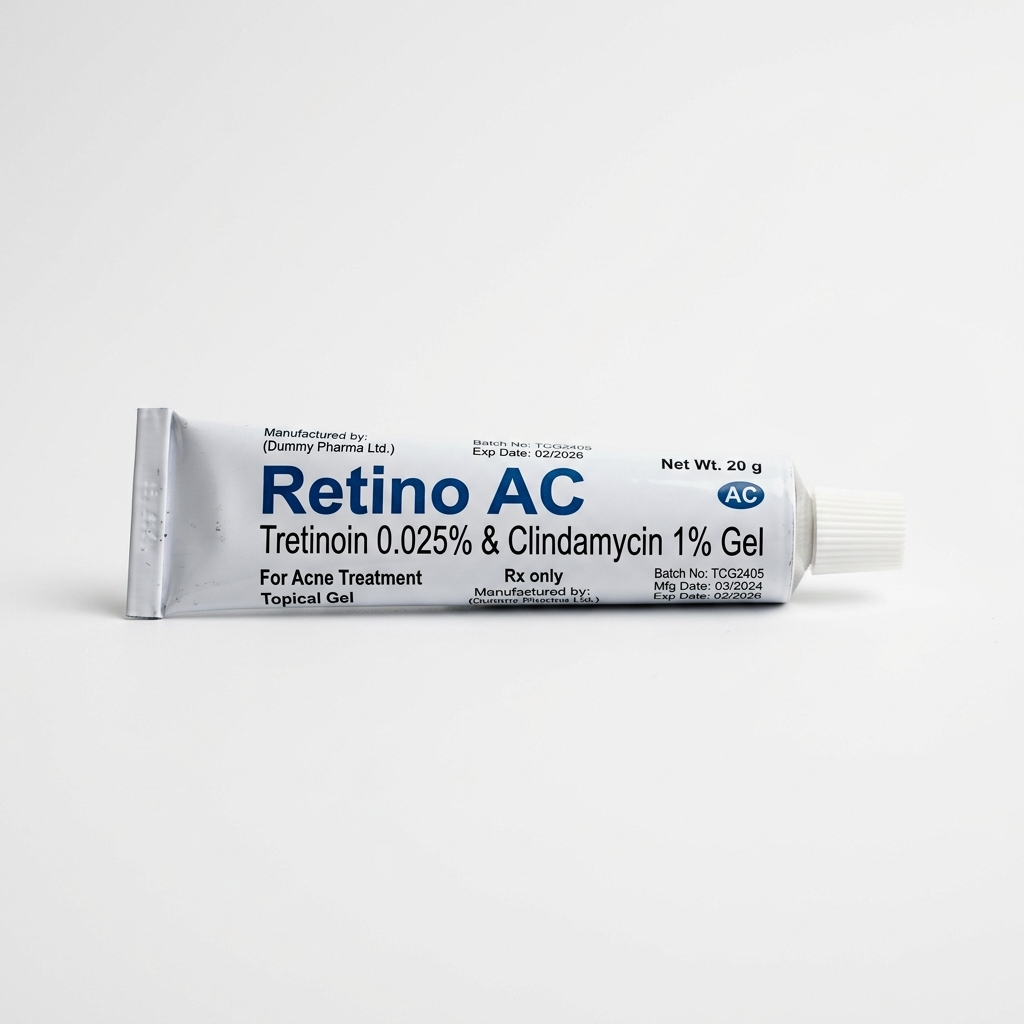
Retino AC Gel (Tretinoin 0.025% + Clindamycin 1%)
PM Usage Reason: The most widely prescribed fixed-combination gel in India. Delivers optimal 0.025% Tretinoin and 1% Clindamycin in a single non-greasy aqueous gel base.
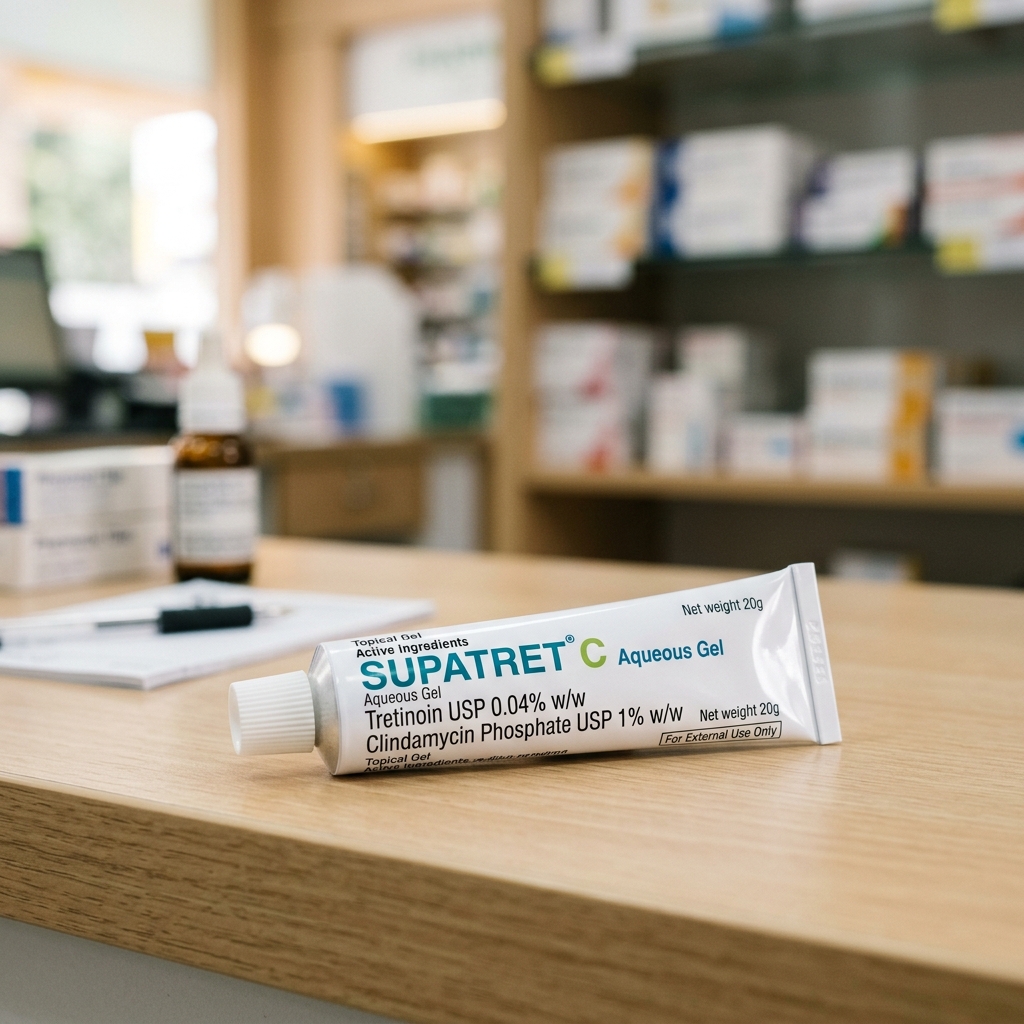
Supatret C Aqueous Gel
PM Usage Reason: Encapsulates Tretinoin 0.04% in microspheres for slow, time-release delivery, reducing skin irritation while combined with Clindamycin 1%.
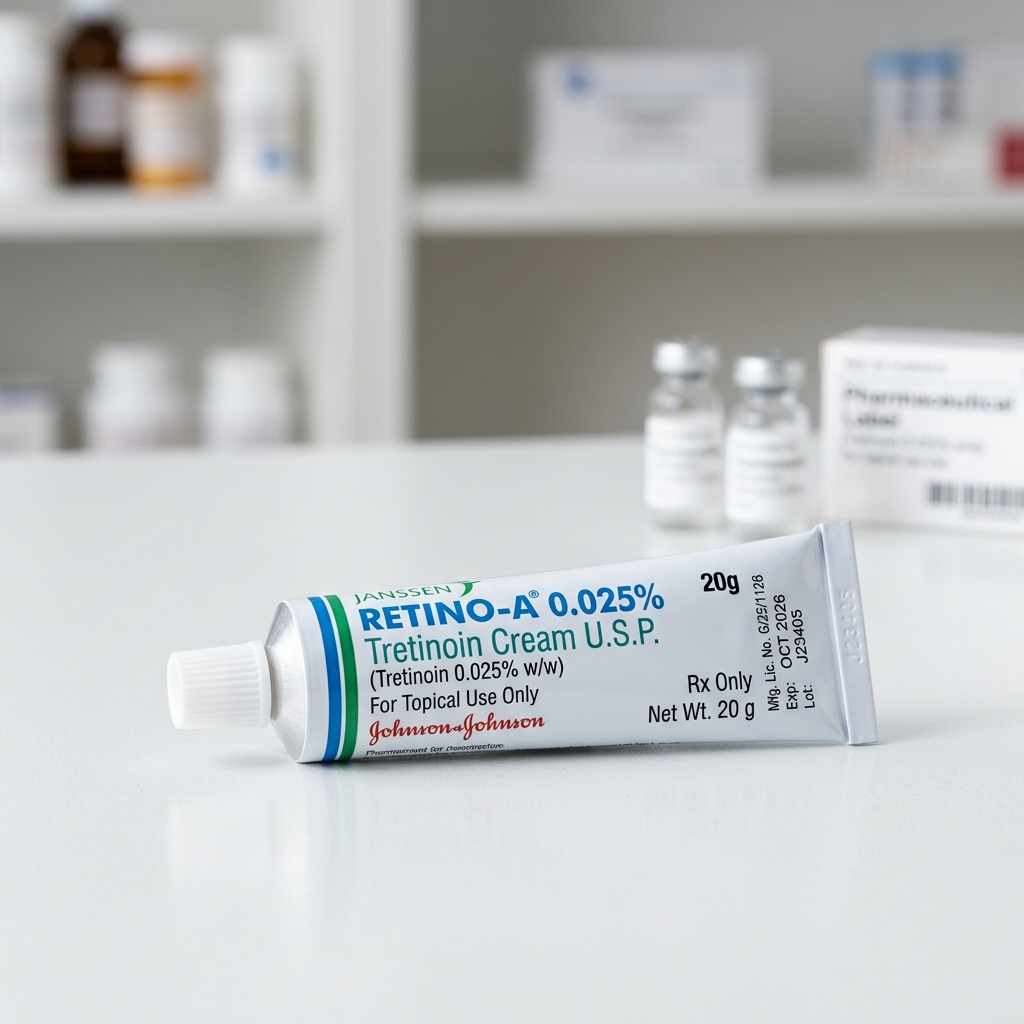
Retino-A 0.025% Cream
PM Split Reason: Pure Tretinoin cream for night use when combining with separate Clindamycin gel in the morning.
5. 4-Step Clinical Application Protocol
Whether using a fixed-dose gel (Retino AC) or separate tubes, follow this safe routine schedule:
| Regimen Type | Morning (AM Routine) | Evening (PM Routine) | Barrier Recovery Steps |
|---|---|---|---|
| Fixed Combo Gel (Retino AC / Supatret C) | Gentle Wash + Hydrating Niacinamide + Sunscreen SPF 50 | Gentle Wash + Pea-sized Retino AC Gel + Ceramide Cream | Apply Cica Barrier Cream if dry |
| Separate Tubes (Clindamycin + Tretinoin) | Gentle Wash + Clindamycin 1% Gel + Sunscreen SPF 50 | Gentle Wash + Tretinoin 0.025% Cream + Moisturizer | Use Sandwich Method 3 nights weekly |
6. Managing the Tretinoin Purge & Barrier Protection
During the first 2 to 4 weeks of starting Clindamycin and Tretinoin, your skin may experience retinoid purging. Here is how to manage it safely:
The Sandwich Method for Sensitive Skin
To prevent severe dryness and redness: (1) Wash face and pat completely dry, (2) Apply a light layer of ceramide moisturizer, (3) Wait 10 minutes, (4) Apply a pea-sized amount of Retino AC / Tretinoin, (5) Lock in with a second layer of moisturizer.
Strict Rule: Never Skip Daily Sunscreen
Tretinoin thins the outer stratum corneum, increasing UV sensitivity by up to 20%. Failing to apply broad-spectrum sunscreen every morning will lead to severe post-inflammatory hyperpigmentation (PIH) and sun damage (read Best Sunscreen for Acne Prone Indian Skin).
7. Frequently Asked Questions
Yes. Clindamycin and Tretinoin are one of the most effective dermatologist-prescribed acne combinations. Tretinoin accelerates cell turnover and unblocks pores, allowing Clindamycin to enter deep into hair follicles to lyse Cutibacterium acnes bacteria.
Retino AC Gel is a fixed-dose combination gel containing Tretinoin 0.025% and Clindamycin Phosphate 1%. It targets both major causes of acne simultaneously: comedonal pore clogging and bacterial infection.
If prescribed as separate products, apply Clindamycin Gel in the morning after cleansing, and apply Tretinoin Cream in the evening before bed. If prescribed as a fixed combination gel like Retino AC, apply it once daily at night.
While Clindamycin reduces bacterial inflammation and inflammatory papules during the initial weeks of Tretinoin therapy, it does not stop desquamation cell turnover. Some mild flaking and purging may still occur as deep comedones surface.
8. Explore Other Ingredient Compatibility Guides
Check compatibility ratings and AM/PM protocols for other popular ingredient combinations: