
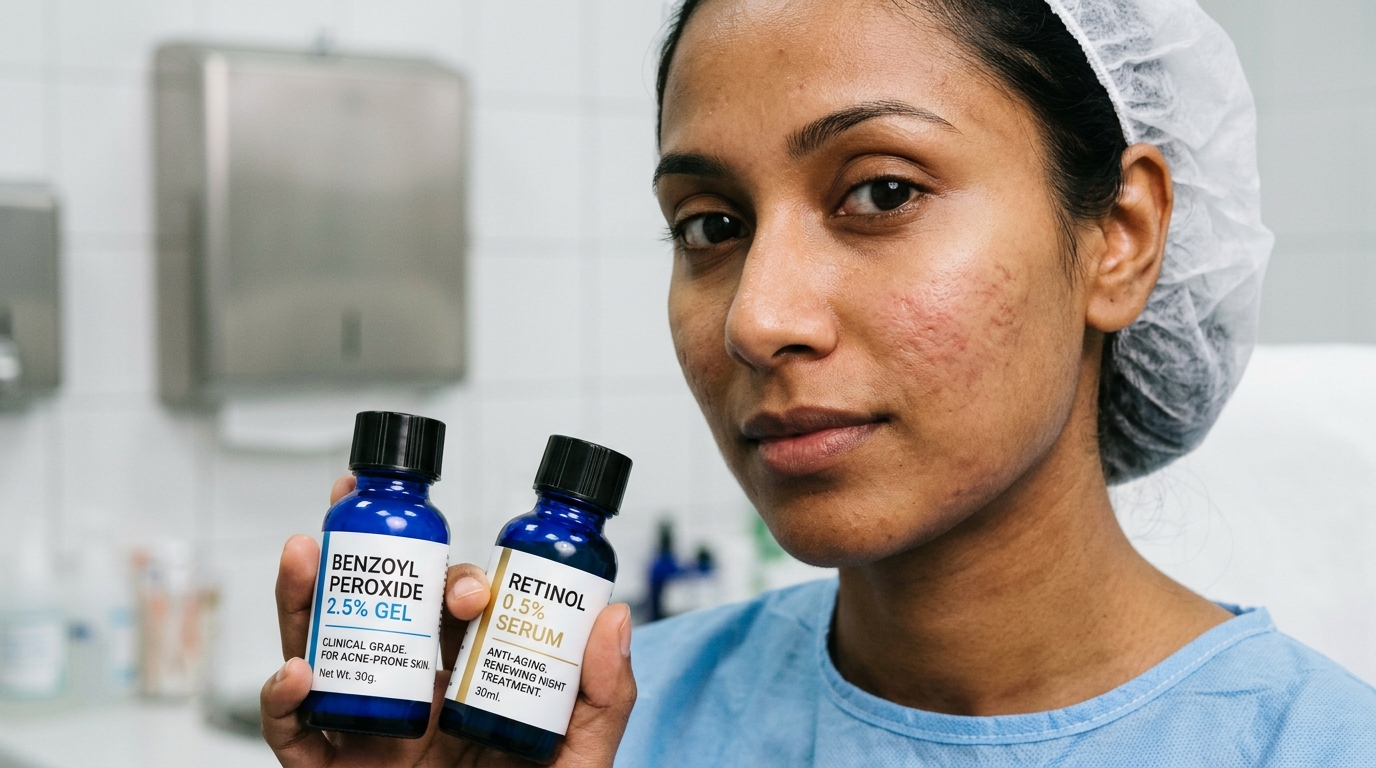
1. The MyMirror Standardized Skincare Risk-o-Meter Scale
To eliminate confusion when layering potent dermatological actives, MyMirror establishes a concrete 4-tier standardized Compatibility & Risk Scale used across all ingredient comparison guides:
Same Time & Routine
Actives synergize perfectly when layered directly on top of each other.
Same Routine (AM/PM)
Safe in overall daily routine, but split between morning and evening.
Alternate Days Only
High cumulative irritation. Alternate on separate nights with buffering.
Do Not Mix at Same Time
Direct chemical neutralization, acute barrier breakdown, or chemical burn risk.
Benzoyl Peroxide + Retinol Score: 🔴 LEVEL 4 (Do Not Mix at Same Minute)
Applying Benzoyl Peroxide and unencapsulated Retinol in the same evening layer triggers chemical oxidative deactivation. Benzoyl Peroxide destroys the retinol molecule before it can enter skin cells, while doubling facial redness, peeling, and stinging.
2. Biological Chemistry: Why Benzoyl Peroxide Oxidizes Retinol
To understand why Benzoyl Peroxide and Retinol are incompatible at the exact same minute, we must examine their molecular structures:
Benzoyl Peroxide (BPO) is an organic peroxide containing a labile peroxide bond ($-O-O-$). Upon contact with skin, BPO undergoes homolytic cleavage to generate reactive benzoyloxy oxygen free radicals ($O_2^\bullet$). These radicals oxidize and lyse bacterial cell wall proteins of Cutibacterium acnes.
However, unencapsulated Retinol (Vitamin A) is a polyunsaturated alcohol with five conjugated double bonds. When exposed to BPO's free oxygen radicals, Retinol undergoes rapid oxidative cleaving. The double bonds are broken, transforming active retinol into inactive, inert degradation byproducts before the molecule can bind to nuclear retinoic acid receptors (RAR/RXR).
Why Epiduo (BPO + Adapalene) is the Medical Exception
Prescription gels like Epiduo combine Benzoyl Peroxide 2.5% with Adapalene 0.1% in a single tube. Why does this work? Adapalene is a 3rd-generation synthetic naphthoic acid derivative. Unlike natural Retinol or Tretinoin, Adapalene lacks unstable conjugated double bonds and is 100% chemically stable in the presence of peroxide radicals (read our Adapalene + Benzoyl Peroxide Guide).
3. Functions, Pros & Cons: Benzoyl Peroxide vs Retinol
Compare the biological mechanism, benefits, and drawbacks of both active ingredients:
Benzoyl Peroxide (BPO)
Primary Function: Lipophilic bactericidal antimicrobial that kills C. acnes via oxygen radical release.
- ✓ Kills 99% of acne bacteria within 48 hours
- ✓ Zero risk of bacterial antibiotic resistance
- ✓ Dissolves dead surface pore plugs
❌ Cons: Bleaches towels/clothing, causes dryness, oxidizes unencapsulated retinol.
Retinol (Vitamin A)
Primary Function: Nuclear RAR receptor agonist that accelerates epidermal cell turnover and boosts dermal collagen.
- ✓ Fades post-acne dark marks (PIH)
- ✓ Smooths fine lines, wrinkles & texture
- ✓ Unclogs deep micro-comedones long term
❌ Cons: Triggers 2-4 week retinization purge, photolabile in sunlight, degrades under BPO.
4. Curated Product Showcase Stage (Featured for India)
Explore top-rated Benzoyl Peroxide and Retinol formulations available in India for an AM/PM split routine:
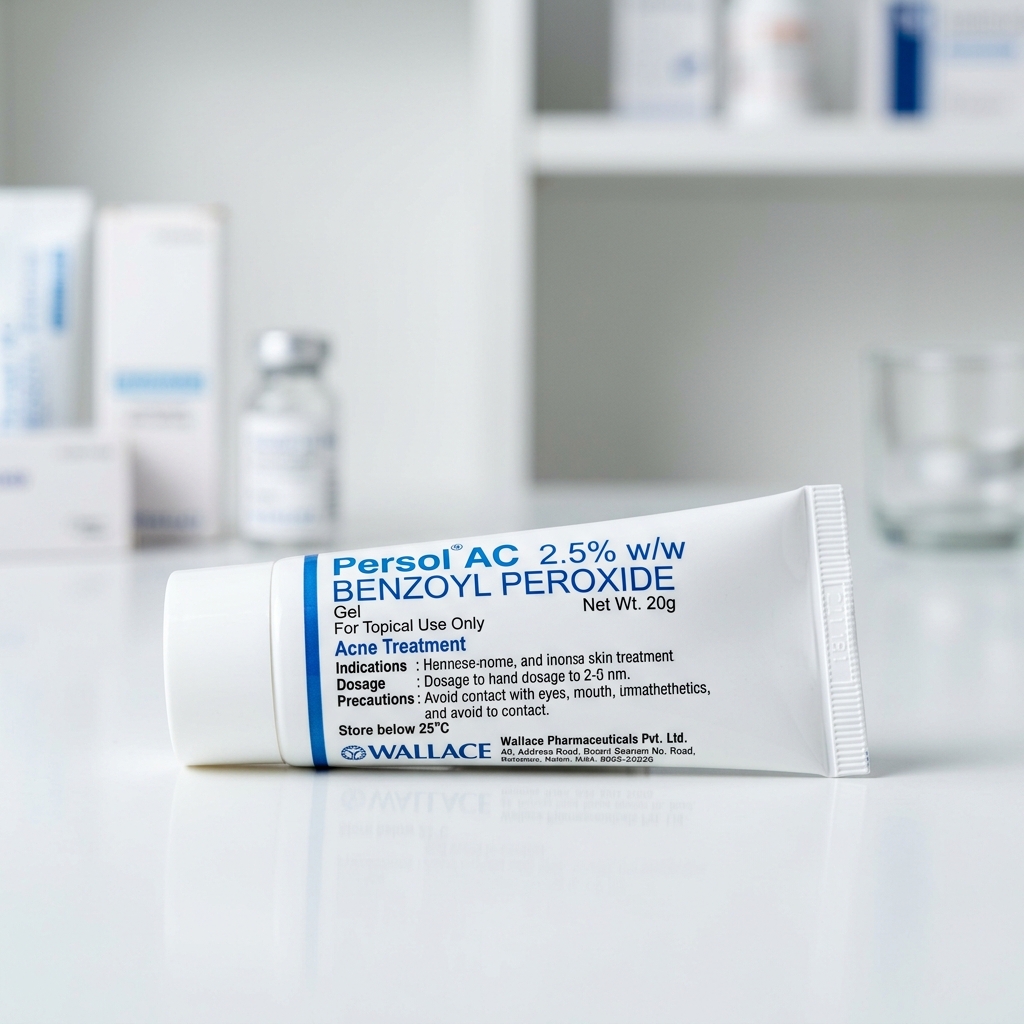
Persol AC 2.5% Gel
AM Usage Reason: Low-strength 2.5% Benzoyl Peroxide provides maximum bactericidal clearance equal to 10% BPO with 70% less barrier irritation. Perfect for morning spot treatment.
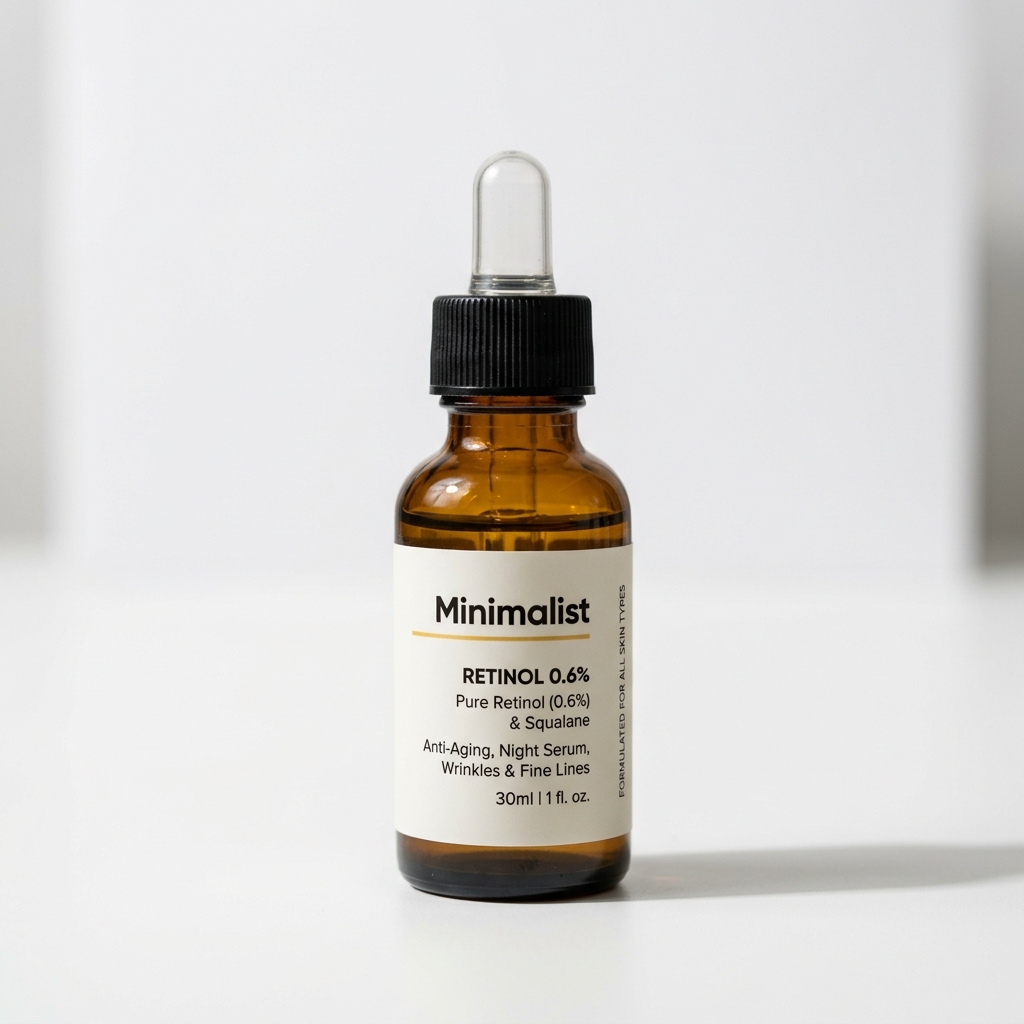
Minimalist 0.6% Retinol in Squalane
PM Usage Reason: Pure Retinol suspended in plant-derived Squalane oil nourishing skin during night recovery while buffering retinoid dryness.
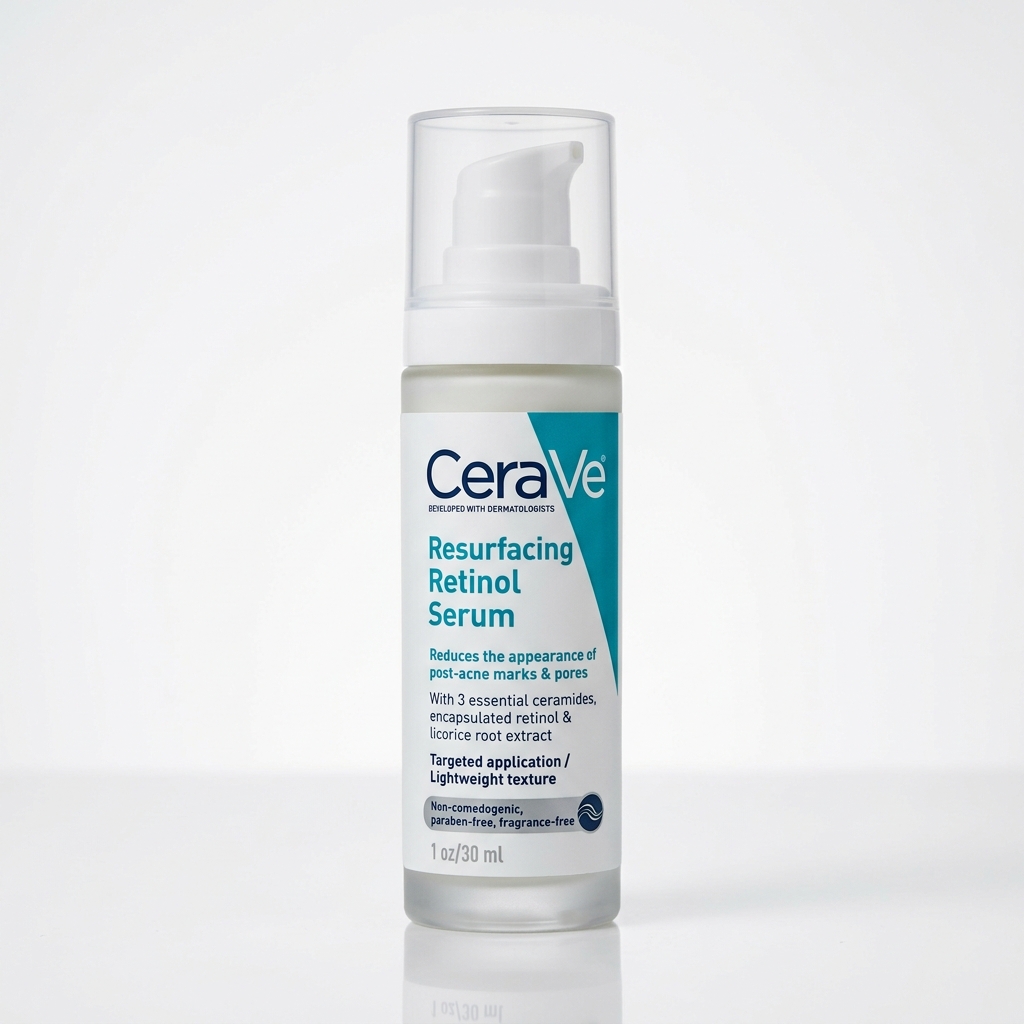
CeraVe Resurfacing Retinol Serum
PM Usage Reason: Features encapsulated time-release Retinol alongside 3 essential Ceramides and Niacinamide to rebuild the lipid barrier while fading post-acne marks.
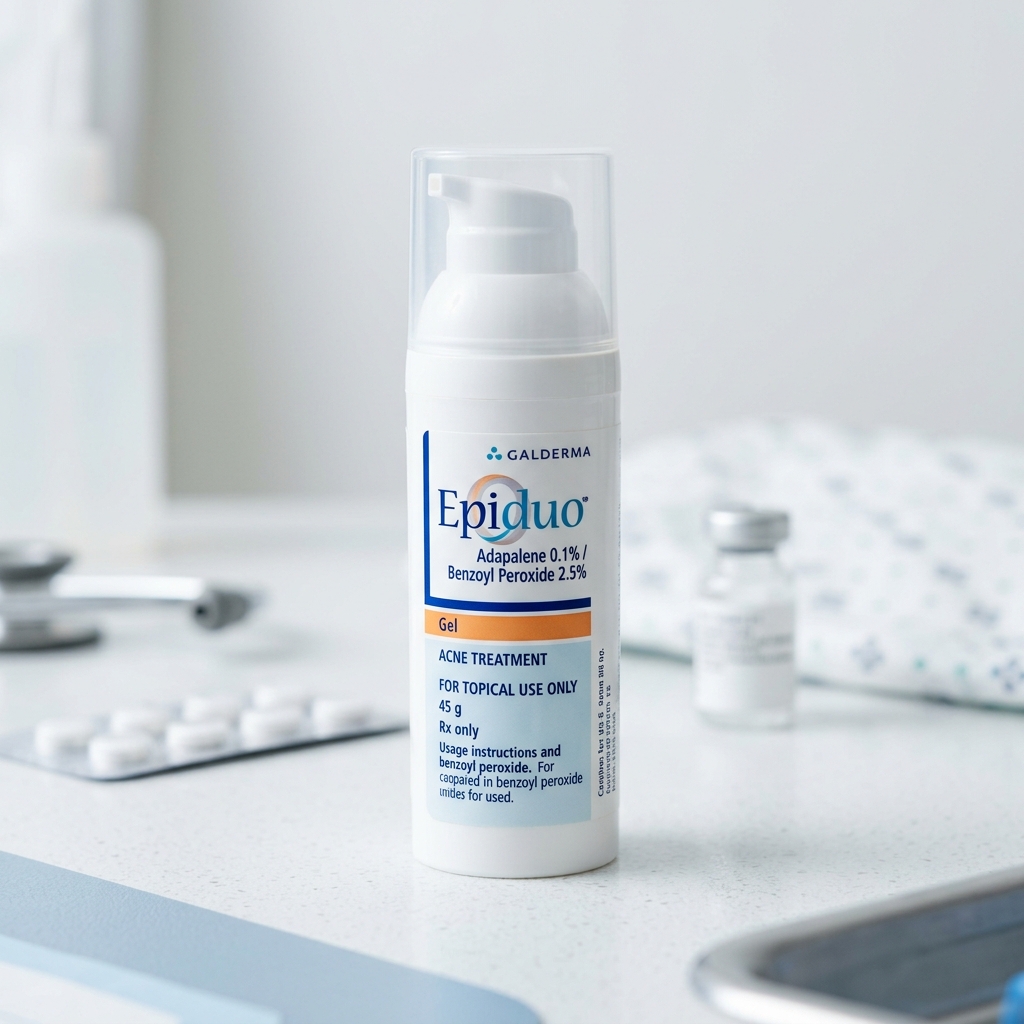
Galderma Epiduo Gel (BPO 2.5% + Adapalene 0.1%)
Fixed Combo Reason: The only FDA-approved fixed combination gel. Adapalene does NOT oxidize in Benzoyl Peroxide, allowing both actives to be applied at the same minute at night.
5. 4-Step Safe AM/PM Split Application Protocol
To gain the dual antibacterial power of Benzoyl Peroxide and the cell-renewing benefits of Retinol without barrier damage, follow this split schedule:
| Time of Day | Step 1: Cleanse | Step 2: Active Treatment | Step 3: Hydrate & Protect |
|---|---|---|---|
| Morning (AM Routine) | Gentle non-foaming Syndet Wash | Benzoyl Peroxide 2.5% Gel (Thin spot layer) | Niacinamide Moisturizer + Broad Spectrum Mineral SPF 50 |
| Evening (PM Routine) | Gentle Cleansing Balm + Mild Wash | Retinol Serum 0.3% – 0.6% (Pea-sized amount) | Cica Ceramide Barrier Repair Cream |
6. Barrier Rescue Strategy & Safer Alternatives
If your skin experiences peeling, stinging, or redness from using actives, implement these safety protocols:
The Retinol "Sandwich Method"
To prevent retinoid flaking: (1) Apply a thin layer of ceramide moisturizer on clean skin, (2) Wait 10 minutes, (3) Apply your pea-sized Retinol serum, (4) Lock in with a second layer of ceramide moisturizer.
Safer Alternatives for Sensitive Skin:
• Swap Retinol for Azelaic Acid 15% Gel (100% compatible with Benzoyl Peroxide).
• Swap Benzoyl Peroxide for Clindamycin + Nicotinamide Gel.
7. Frequently Asked Questions
No. Benzoyl Peroxide is a potent oxidizing agent that chemically breaks down unencapsulated retinol molecules, neutralizing their effectiveness. Additionally, applying both in the same layer causes severe skin barrier stripping, redness, and peeling.
The safest method is the AM/PM split routine: apply Benzoyl Peroxide (2.5% gel or wash) in the morning to kill acne bacteria, and apply Retinol in the evening to accelerate cell turnover and boost collagen while you sleep.
Epiduo uses Adapalene (a 3rd-generation synthetic retinoid), which is chemically stable in the presence of Benzoyl Peroxide. Unlike traditional natural Retinol or Tretinoin, Adapalene does not oxidize when mixed with Benzoyl Peroxide.
Immediately pause all active acids and retinoids. Wash with cold water, apply a ceramide and Centella Asiatica (Cica) barrier repair moisturizer, and use strict mineral sunscreen until the skin barrier fully heals.
8. Explore Other Ingredient Compatibility Guides
Check compatibility ratings and AM/PM protocols for other popular ingredient combinations: