Breakouts on the chin are uniquely frustrating for many Indian youth. Unlike temporary forehead bumps, chin pimples are often deep, painful cysts that take weeks to heal and leave stubborn dark spots, known as post-inflammatory hyperpigmentation (PIH). Understanding why these breakouts happen is key to stopping them.
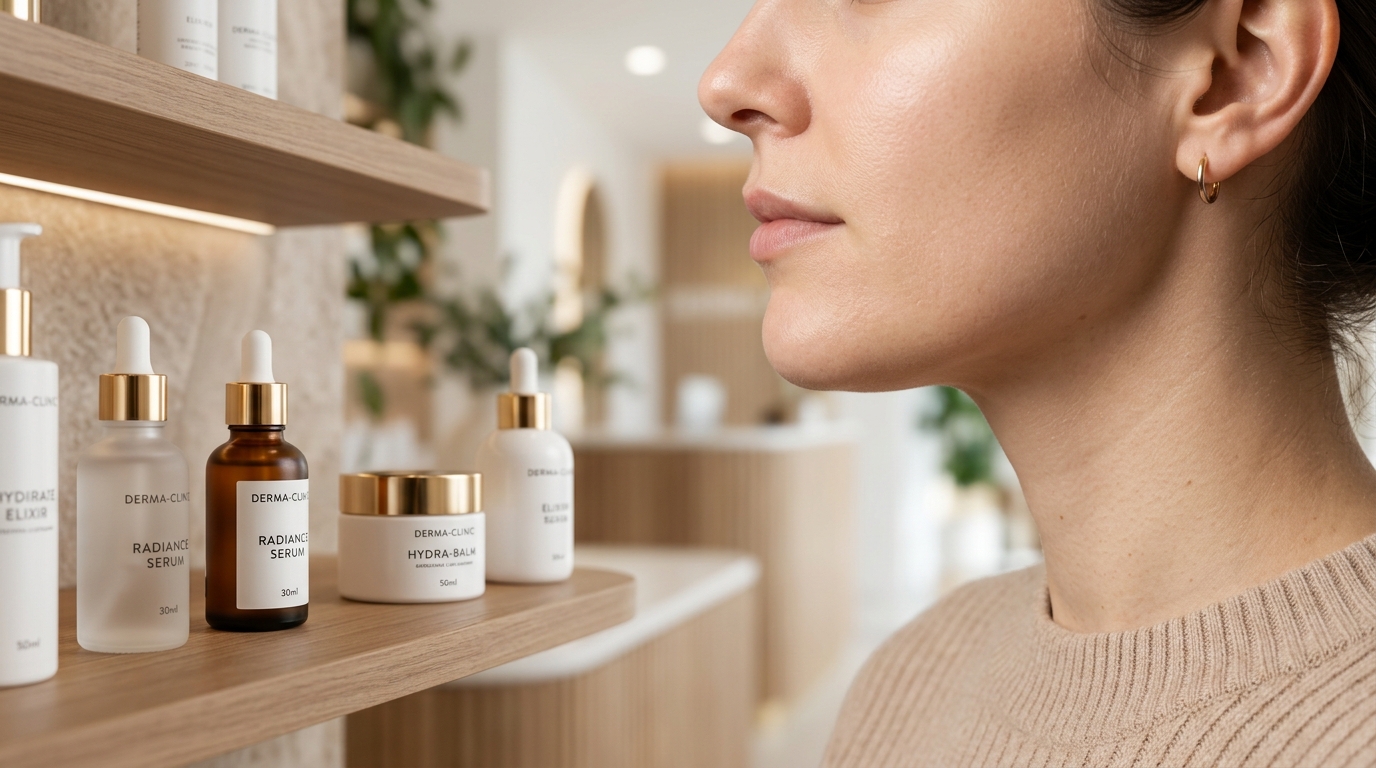
Chin skin has a thinner epidermal barrier than other areas of your face, meaning it is highly vulnerable to friction, environmental dust, and bacterial buildup. Daily habits like resting your chin on your hands, toothpaste fluoride residues, or high-glycemic dairy diets can block pores and cause deep inflammation. In this guide, we perform a comprehensive diagnostic self-audit to decode your chin triggers.
To start clearing this, perform a physical audit: avoid touching your chin with dirty hands, switch to an SLS-free toothpaste, and rinse your chin after brushing. If these habit adjustments do not clear your chin breakouts within 4 weeks, consult a dermatologist to prevent permanent rolling scars.
Chin skin contains a high density of fine vellus hair follicles and has a relatively thin moisture barrier. When you ride in auto-rickshaws or scooters through polluted metro areas, dust and diesel exhaust particles stick to your skin.
When mixed with sweat and sebum, these particles create a dense layer that clogs follicles. Unlike the thicker forehead skin, chin skin is highly prone to deep, pitted scarring (rolling and boxcar scars) if breakouts become inflamed. This is why mechanical friction (acne mechanica) from touching your face, dirty face resting habits, or glasses frames is so dangerous for chin clarity. Read our chin acne treatment guide to learn about targeted ingredients.
To effectively diagnose chin breakouts, we must audit five common physical and lifestyle triggers:
Frequent consumption of milk proteins (whey and casein) and high-glycemic carbohydrates elevates serum IGF-1 levels. This accelerates androgenic sebocyte activity, producing thick, sticky sebum along the mandibular arch.
Resting your chin against cupped palms during study or screen work subjects delicate infundibular follicles to continuous shear stress, driving surface sebum and hand bacteria deeper into the dermis.
Pressing warm mobile glass against your lower face transfers oxidized cosmetic residue, skin lipids, and Cutibacterium acnes colonies directly onto sensitized perioral pores.
Residual foam containing sodium lauryl sulfate (SLS) and synthetic flavoring agents that drips down the chin during toothbrushing causes localized stratum corneum barrier irritation that mimics pustular acne.
To identify your primary chin triggers, use our mapping matrix to audit your habits:
| Chin Zone | Primary Triggers | Skincare Active |
|---|---|---|
| Upper Chin | Toothpaste SLS residue, lip balm oils | Salicylic Acid (BHA 2% exfoliation) |
| Lower Chin / Jawline | Hormonal cycles, face-resting habits | Benzoyl Peroxide (antibacterial wash) |
| Chin Border | High-glycemic foods, heavy creams | Niacinamide (barrier repair & PIH) |
Perform a chin audit: stop resting your face on your hands, switch to an SLS-free toothpaste, and avoid sugar/dairy spikes. This structured approach helps target the exact physical triggers on your face.
If you are confused about physical friction triggers vs hormonal cysts on chins, take our free AI-powered scan of chin skin barrier. The MyMirror Face AI Scan provides immediate custom product advice to help you select non-comedogenic formulations and target chin redness safely.
The MyMirror Face AI Scan provides educational visual tracking to evaluate breakout distribution across your facial zones and align your daily protocol with evidence-based active ingredients. Check out our budget acne routine guide to construct a gentle regime.
This diagnostic guide has been reviewed by Dr. Lipy Mehta, Board-Certified Dermatologist, to ensure all habit recommendations are clinically sound. Early intervention is critical because deep chin cysts can destroy dermal tissue and lead to permanent pitted scarring.
Q: Why is my acne only on one side of my chin?
A: This is typically because you sleep on that side or rest that side of your chin on your hand. To prevent this, avoid resting your face on your hands and switch face resting habits regularly.
Q: Can toothpaste cause chin pimples?
A: Yes, toothpastes containing SLS or fluoride can irritate chin skin. Always wash your chin after brushing your teeth. Check our PIE vs PIH guide to treat red marks and dark spots.
Q: How long does it take for chin acne marks to fade?
A: Chin dark spots (PIH) in Indian skin tones can take 3 to 6 months to fade. Using actives like Niacinamide or Azelaic Acid accelerates barrier recovery and spot fading.
Eliminating friction triggers is the essential first step to chin clarity. Start by cleaning your phone daily and washing your resting chin on handss. For a complete analysis of your chin skin barrier, start our free AI skin scan today.
Choose barrier-safe cleansers in our double cleansing guide for acne-prone skin.
- - Study on Chin Epidermal Barrier Anatomy: https://pubmed.ncbi.nlm.nih.gov/study-1/