
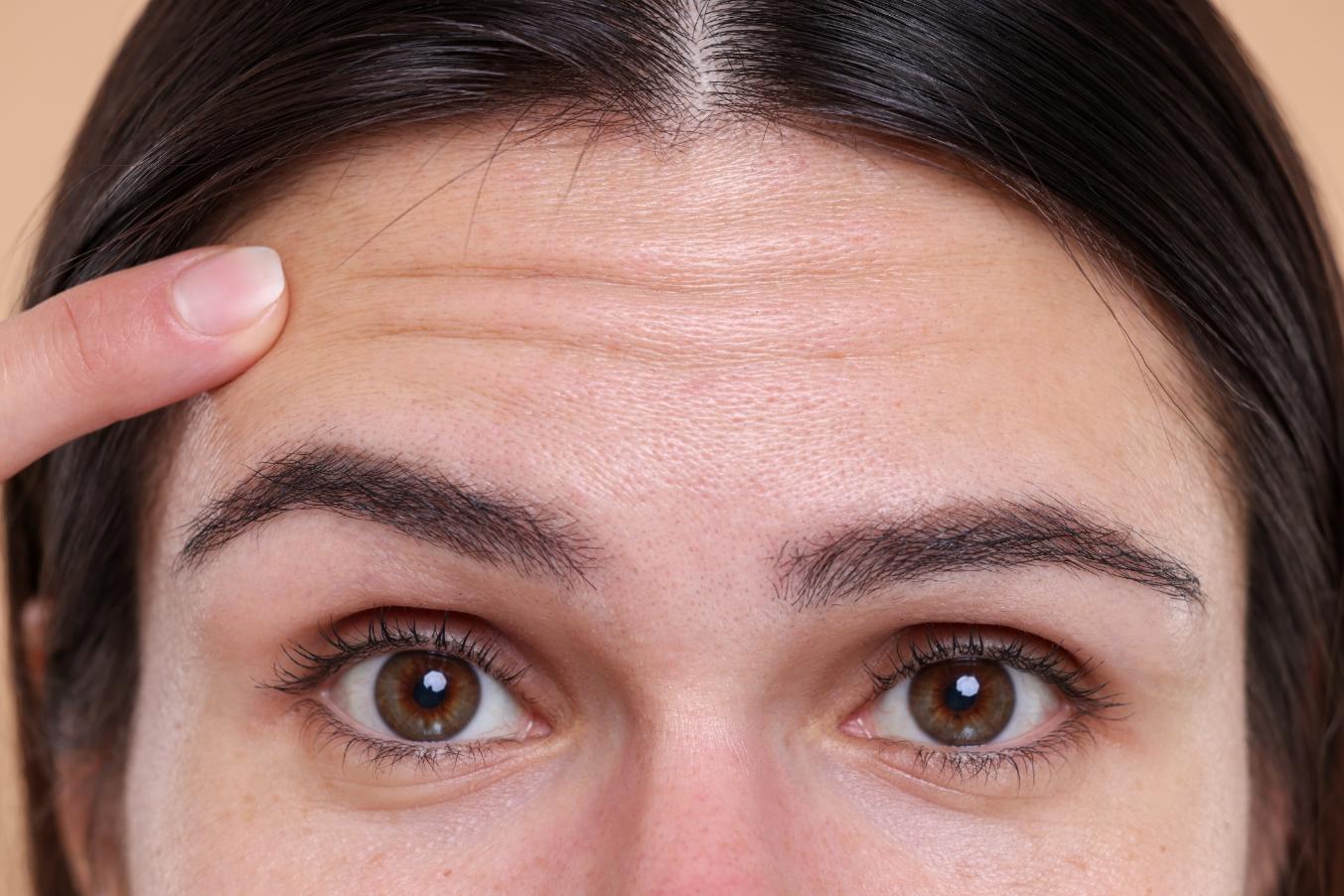
You eat a heavy, fried meal late at night. You sleep poorly. A few days later, you wake up with a cluster of angry red bumps across your hairline and brow. Coincidence? Absolutely not.
If you are constantly battling breakouts in the exact same spot, traditional face mapping holds the key. The location of your acne serves as a direct mirror to your internal health.
When you ask about pimples on forehead related to which organ, the answer is entirely connected to your gut and elimination systems. Here is the complete breakdown of why your forehead is breaking out and exactly how to clear it.
🗺️ The Face Map: Which Organs Control Your Forehead?
In traditional face mapping, your face is divided into zones that correspond to specific internal systems. The upper third of your face is the prime indicator of your digestive health.
1. The Upper Forehead: Bladder & Digestion
The main expanse of your forehead is linked directly to your bladder and digestive tract. Breakouts here indicate internal sluggishness triggered by:
- Constipation and poor bowel movements.
- Irritable Bowel Syndrome (IBS) and gut inflammation.
- Urinary tract infections or an overworked bladder.
2. Between the Eyebrows: Liver & Stomach
This zone is governed by your liver and stomach. Pimples here flare up due to:
- Eating too late at night, especially heavy fatty foods.
- Dehydration and poor liver function (fatty liver).
- High consumption of saturated fats and refined sugars.
3. The Temples: Lymphatic System
If breakouts extend to your temples, your body is flagging dehydration and poor lymphatic circulation. Your system is failing to drain toxins efficiently, causing them to surface on your skin.
🏠 The Clinical Reality: Outside Factors
While your internal organs set the stage, external triggers often push your skin over the edge. In hot, humid climates, these factors combine with organ stress to cause severe breakouts.
The Helmet Trap
Wearing a tight helmet traps sweat, heat, and dead skin cells against your forehead. This creates the perfect breeding ground for bacteria.
Heavy Hair Oiling
Leaving oils on your scalp overnight clogs the pores along your hairline. The lipids travel down your forehead as you sleep, blocking pores.
Dehydration
When you do not drink enough water, your bladder cannot flush out toxins, and your skin produces excess sebum to compensate.
🧪 4 Fast Fixes to Clear Forehead Pimples
1. Flush the Bladder (Internal)
Drink at least 2.5 to 3 litres of water daily. Proper hydration dilutes toxins and takes the load off your bladder, reducing inflammation instantly.
2. Correct Your Dinner Timing (Internal)
Finish dinner at least two hours before sleeping. Your liver and stomach need time to process fats before you lie down to prevent brow breakouts.
3. Use Salicylic Acid (External)
Wash twice daily with a 2% Salicylic Acid cleanser. It penetrates deep into pores to dissolve trapped dead skin caused by poor digestion.
4. Sanitize Your Gear (External)
Wipe helmets/caps with antibacterial wipes weekly. Change pillowcases every 2-3 days to stop re-infecting your skin while your body heals.
📋 Frequently Asked Questions
No. While digestion is a primary factor, external factors like dandruff (fungal acne), hair products, and hygiene also cause identical breakouts.
The right cheek is linked to the lungs and respiratory system, while the left cheek is linked to the liver and stomach.
Yes. Warm water aids digestion and supports the bladder in flushing waste, making it highly effective for reducing organ-related skin stress.