Biology of Malassezia Yeast Overgrowth
Fungal Acne (technically Malassezia folliculitis or Pityrosporum folliculitis) is an opportunistic fungal infection caused by an overgrowth of Malassezia globosa yeast inside hair follicles.
Unlike bacterial acne vulgaris, Malassezia yeasts produce lipase enzymes that digest human sebum into free fatty acids. In warm, humid Indian weather, excess sweat and oil cause yeast populations to explode, producing intensely itchy, uniform 1–2mm papules across the forehead and chest.
Malassezia Lipid Feeding Audit Dashboard
Malassezia yeast feeds exclusively on organic fatty acids and esters with carbon chain lengths between C12 and C24. Audit your skincare labels against these terminal panels:
- Polysorbate 20, 40, 60, 80
- Lauric, Myristic, Palmitic & Oleic Acids
- Coconut Oil, Olive Oil, Argan Oil, Rosehip Oil
- Shea Butter & Mango Butter
- Esters ending in "-ate" (e.g. Isopropyl Palmitate)
- Mineral Oil & Petrolatum (Pure Hydrocarbons)
- Squalane Oil (100% Pure Plant-Derived)
- Caprylic/Capric Triglyceride (MCT Oil C8/C10)
- Hyaluronic Acid, Glycerin & Panthenol
- Salicylic Acid (BHA) & Azelaic Acid 15%
Scalp-to-Face Transmission Flow
Dandruff (seborrheic dermatitis) on the scalp acts as the primary reservoir for Malassezia yeast spores:
Vector Pathway: Scalp Reservoir to Forehead Breakout
Scalp Proliferation: Malassezia yeast multiplies in scalp sebum, causing dandruff flakes and scalp itching.
Sweat Migration: Sweat washes fungal spores down hair follicles onto the forehead, hairline, and neck.
Follicular Occlusion: Heavy skincare creams lock spores inside pores, triggering monomorphic fungal papules.
Ketoconazole 2% Short-Contact Mask Protocol
Follow these 4 circular step nodes to execute the dermatologist short-contact anti-fungal treatment:
Lather Ketoconazole 2% Shampoo
Dispense a coin-sized amount of 2% Ketoconazole shampoo into wet palms and foam gently.
Apply Foam to Forehead & Chest
Smooth foam over affected forehead bumps. Leave on for exactly 5 minutes as short-contact therapy.
Rinse & Treat Scalp Simultaneously
Rinse thoroughly with lukewarm water. Use the same shampoo on your scalp twice weekly to kill the yeast reservoir.
Hydrate with Fungal-Safe Gel
Apply a 100% oil-free, fungal-safe gel moisturizer containing Hyaluronic Acid or Cica to lock in hydration.
Recommended Fungal-Safe Products
Dermatologist-evaluated anti-fungal treatments available in India:
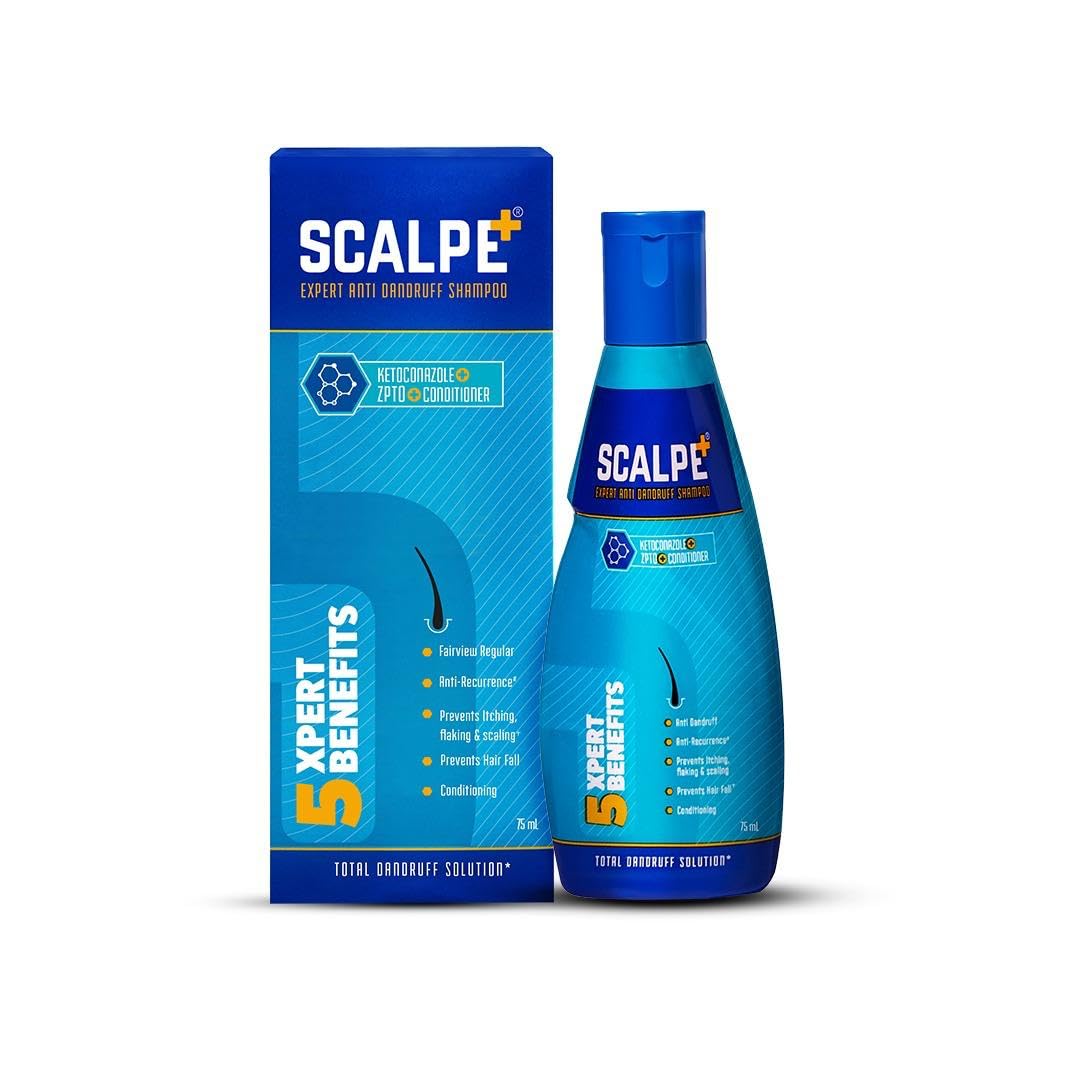
First-line short-contact anti-fungal wash that eradicates Malassezia yeast.
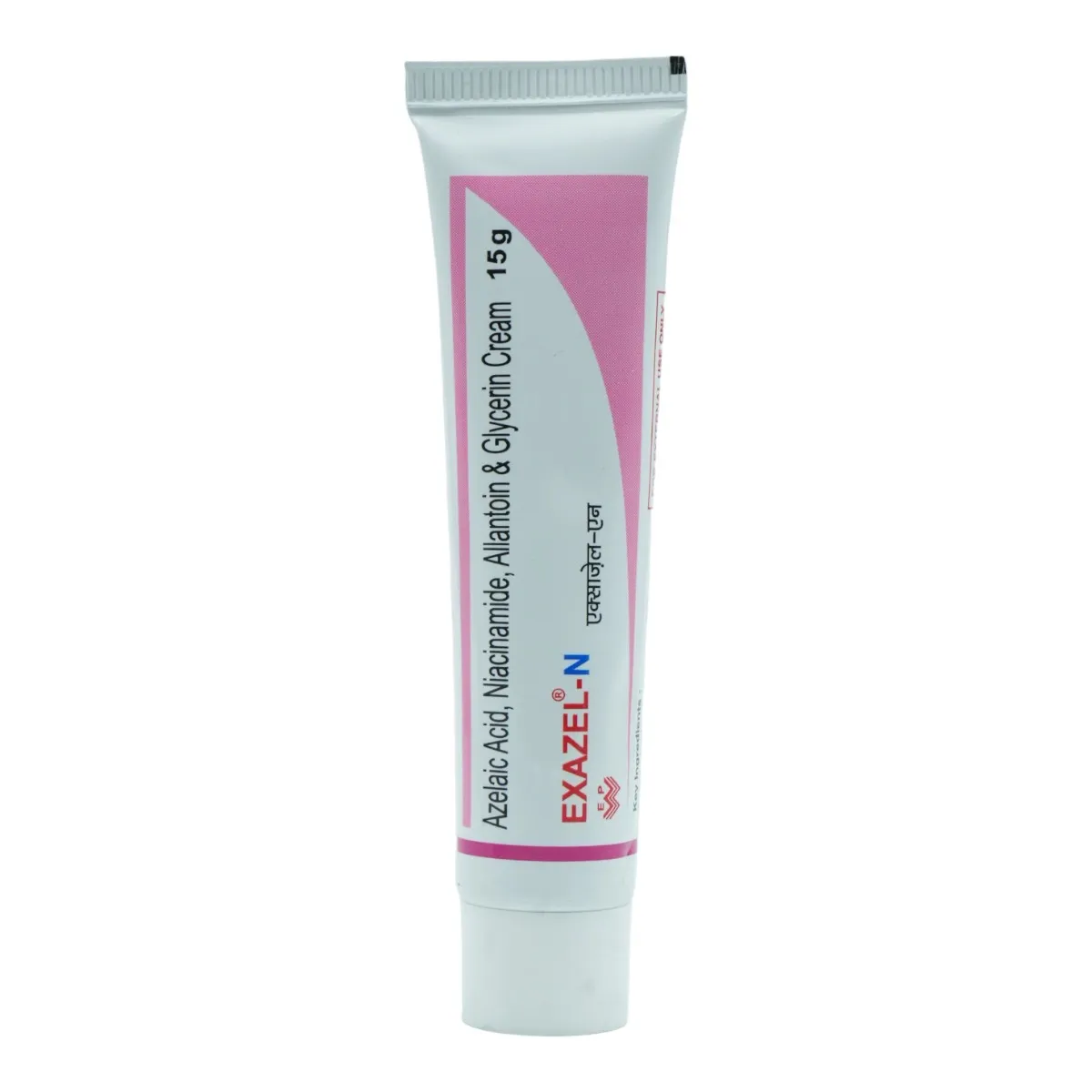
15% Azelaic Acid gel that inhibits Malassezia enzymes and calms red fungal spots.