
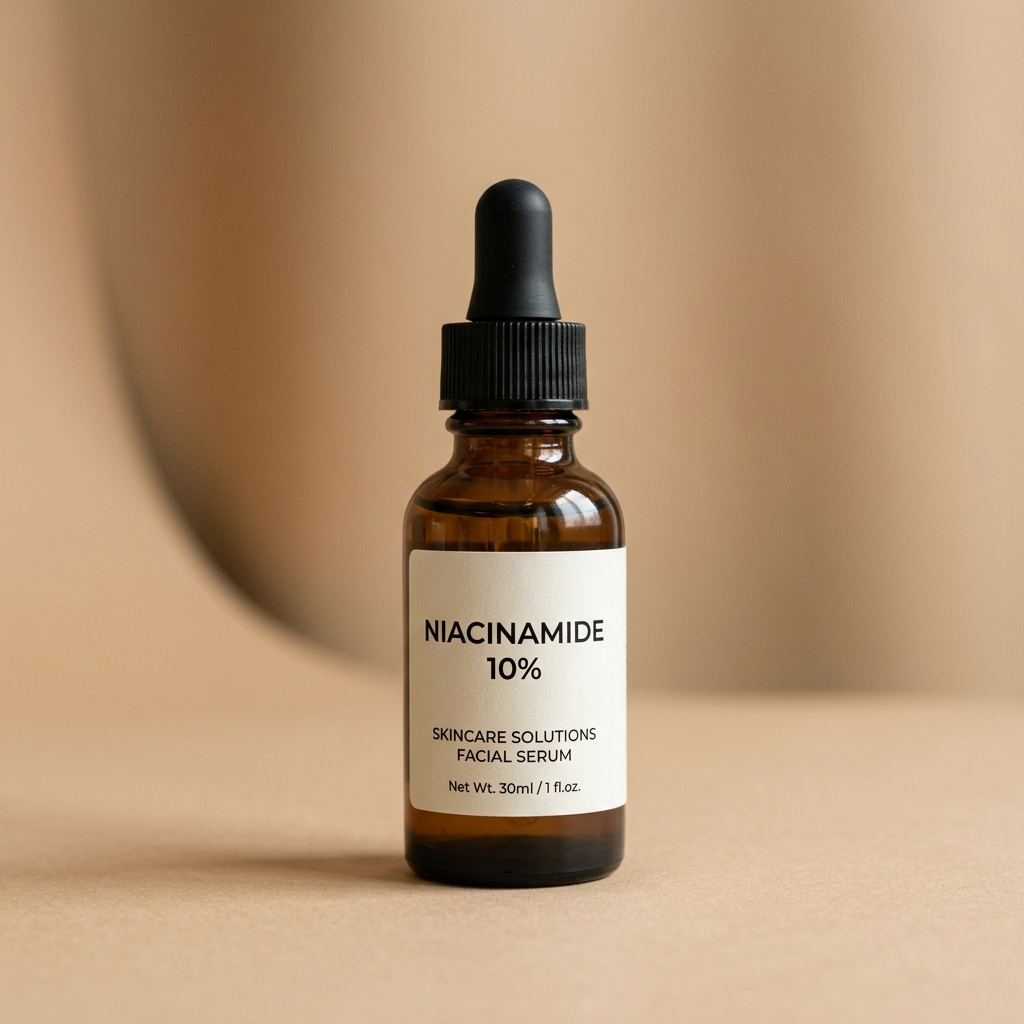
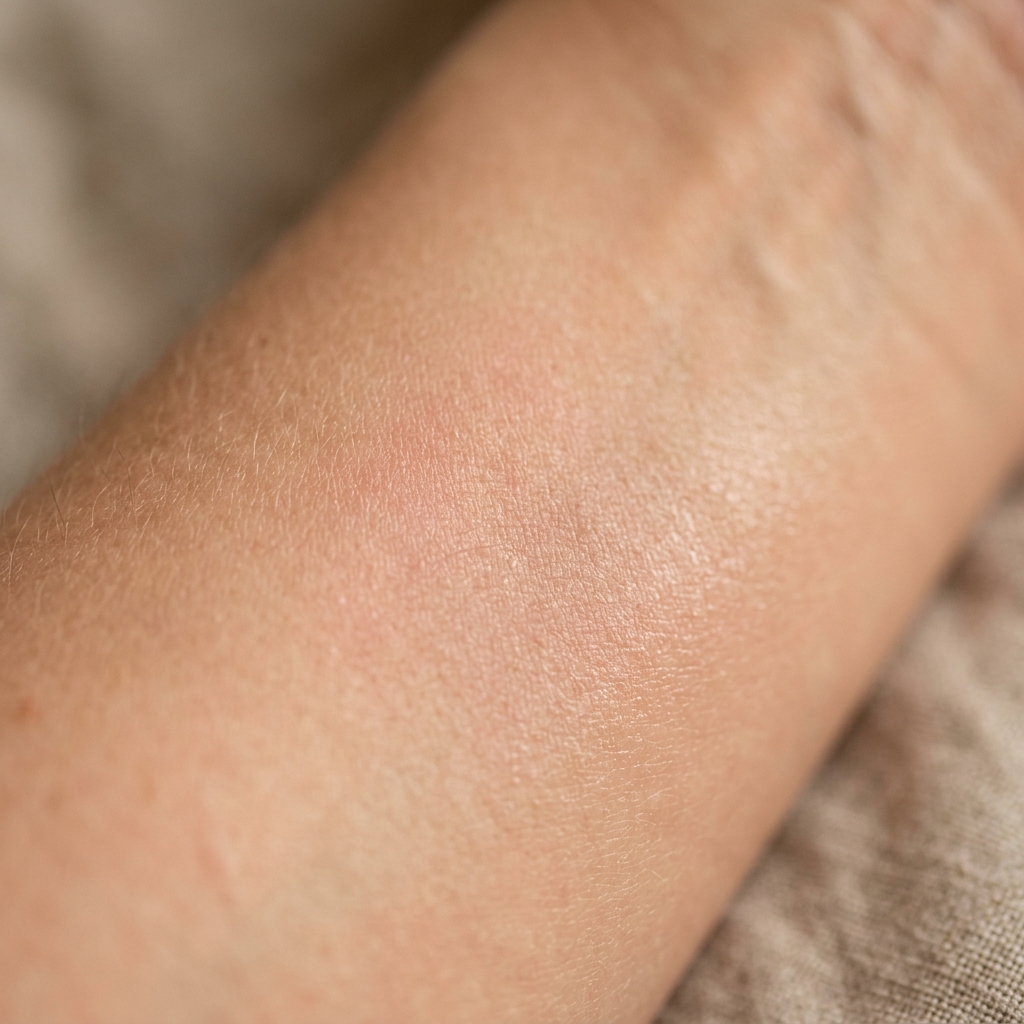
You bought a Niacinamide serum because everyone on social media told you it was the ultimate soothing active to fade dark spots, regulate sebum, and calm redness. But within three days of applying it, your face is covered in a crop of tiny red bumps.
Skincare blogs and influencers tell you to "just push through, it's just a purge."
Stop. That advice is scientifically wrong.
Niacinamide chemically cannot cause purging. If you are breaking out from a Niacinamide serum, your skin is either reacting to a high concentration (10%), experiencing dehydration, or rejecting a pore-clogging formula base.
Let's bust the purging myth, find out what is actually causing your bumps, and learn how to fix it.
1. The Myth Busted: Why Niacinamide Cannot Purge
To understand why Niacinamide cannot cause a purge, we have to look at the biology of purging.
A skin purge occurs only when you introduce an active ingredient that acts as a keratolytic—meaning it speeds up cellular turnover or exfoliates dead skin cells. Retinoids (like Adapalene, Tretinoin, Retinol) and chemical exfoliants (like Salicylic, Glycolic, Lactic acids) are keratolytics. They push hidden microcomedones to the surface rapidly.
Niacinamide (Vitamin B3) is not a keratolytic. It is an antioxidant, anti-inflammatory, and skin-barrier restorer. It does not speed up cell division or peel the skin.
Because Niacinamide cannot speed up cellular turnover, it physically cannot cause a purge. Any new bumps you develop after starting a Niacinamide serum are a sign of irritation or a standard product breakout.
2. Why Are You Breaking Out? (The 3 Real Culprits)
If it isn't purging, why is your skin flaring up? There are three common reasons:
1. The 10% Concentration Trap
Most popular Indian skincare brands sell 10% Niacinamide serums. This is marketing hype, not science. Clinical trials prove that Niacinamide is fully effective at 2% to 5%. At 10%, Niacinamide becomes a potential skin irritant, causing contact dermatitis, which manifests as a sudden crop of small, red, uniform bumps.
2. Zinc PCA Dehydration
Many Niacinamide serums contain 1% Zinc PCA to control sebum production. If you have dry, combination, or barrier-compromised skin, Zinc PCA can severely dry out your skin, leading to micro-cracks and reactive breakouts.
3. Comedogenic Esters in the Serum Base
A serum is formulated in a base of water, thickeners, and preservatives. Heavy formulation bases (often containing comedogenic thickeners, glycols, or botanical extracts) can clog your pores, causing a standard product breakout.
3. Diagnostic Checklist: Irritation vs. Allergic Reaction vs. Breakout
Use this check to identify exactly why your Niacinamide serum is causing bumps:
| Symptom | Contact Dermatitis (Irritation) | Allergic Reaction | Standard Product Breakout |
|---|---|---|---|
| How it Looks | Dozens of tiny, uniform red bumps without white heads. | Red, patchy hives, swelling, or scaling skin. | Scattered whiteheads, blackheads, or inflamed pimples. |
| How it Feels | Burning, stinging, hot sensation upon application. | Intense itching or tightness. | Normal pimple soreness, no surface itching. |
| Timeline | Appears within 24–72 hours of starting the serum. | Appears almost immediately (within hours) of application. | Appears gradually over 1 to 2 weeks of usage. |
| Primary Cause | 10% concentration overloading the skin barrier. | Allergy to Niacinamide or preservatives in the bottle. | Comedogenic ingredients in the serum's base formula. |
4. The Active Healing Protocol
If your Niacinamide serum has caused breakouts or irritation, do not "push through." Follow this healing protocol:
- Immediate Active Pause: Stop using the Niacinamide serum immediately. Also pause all other active ingredients (like exfoliants, retinoids, or vitamin C) for 5 to 7 days to let your skin calm down.
- Cool & Cleanse: Wash your face with cold water and a gentle, soap-free cleanser. Avoid hot water, which further strips an irritated skin barrier.
- Rebuild with Ceramides: Apply a basic, fragrance-free ceramide moisturizer (like Excela or Biosilk) morning and night. Ceramides will seal the micro-cracks in your lipid barrier, clearing the irritation bumps within a few days.
- Scale Down to 2% - 5%: Once your skin has fully recovered, do not buy a 10% serum again. Instead, look for a soothing moisturizer or serum containing 2% to 5% Niacinamide (often formulated alongside hyaluronic acid or centella) to fade dark marks without irritation.
5. FAQ: Niacinamide and Breakouts
Yes. If you are using a 10% concentration, it can overwhelm sensitive skin, leading to redness and irritation bumps. Additionally, if the formulation contains comedogenic ingredients or Zinc PCA on naturally dry skin, it can trigger standard breakouts.
Once you stop the offending 10% serum and switch to a basic ceramide moisturizer, the irritation bumps should completely flatten out and disappear within 3 to 5 days.
It is not inherently bad, but it is unnecessarily high. While oily, resilient skin types might tolerate 10% well, sensitive, dry, or combination skin types will often experience barrier irritation and contact dermatitis. 2% to 5% is the dermatologist-recommended range.
Is Your Skincare Working Against You?
Many "acne-clearing" products actually contain ingredients that feed the fungus that causes forehead bumps. Stop the guesswork.
Scan your face with MyMirror AI to get a personalized, active-safe routine that finally clears your skin for good.
Start Your Free AI Skin Scan Now