The Rebound Oil Trap: Why Skipping Moisturizer Worsens Acne
When people with oily skin and active pimples visit a dermatology clinic, their first instinct is almost always to throw away their moisturizer. The common assumption is: "My face is already oily, so adding lotion will only make it worse." In reality, skipping moisturizer is the #1 habit that keeps acne alive.
What Happens When Oily Skin Gets Dehydrated (Reactive Seborrhea)
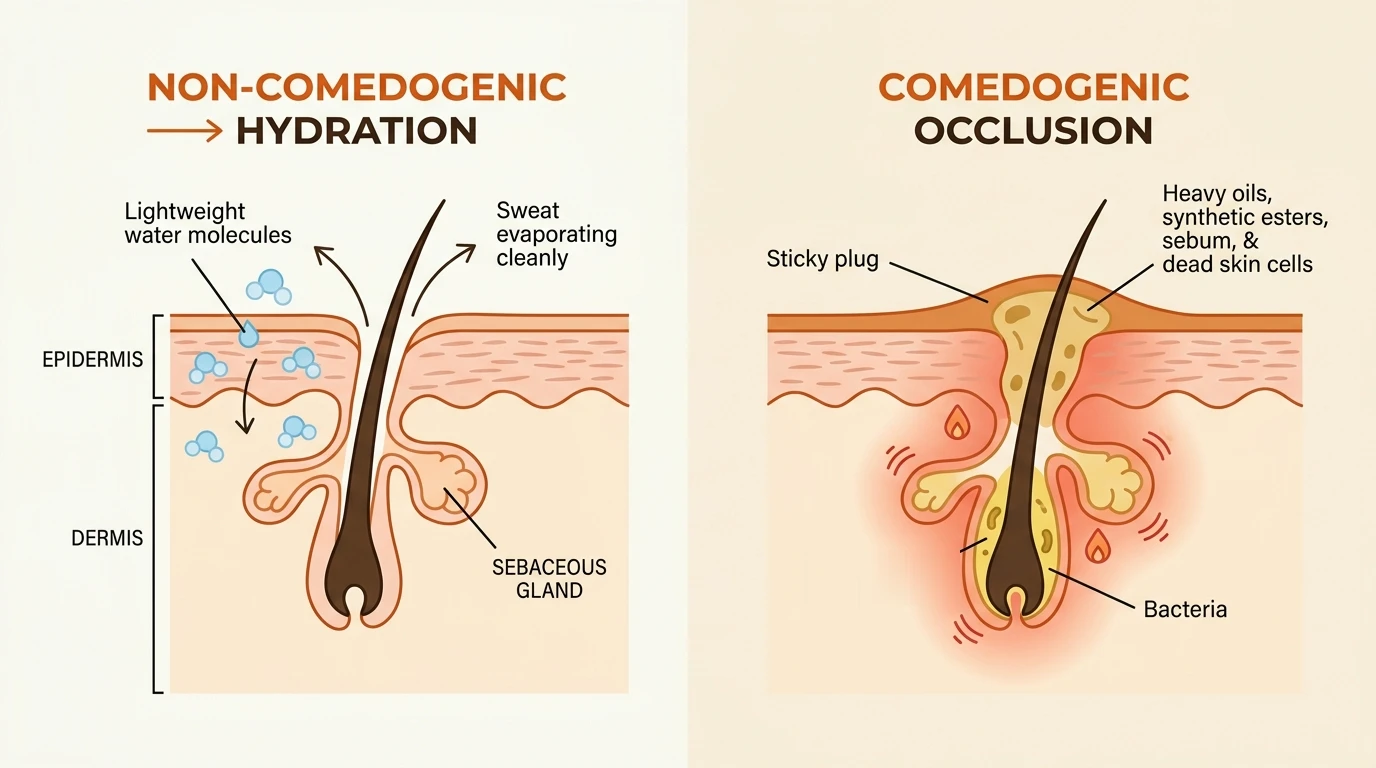
When you cleanse your face with strong acne washes (like salicylic acid or benzoyl peroxide) and do not apply moisturizer, moisture rapidly evaporates from your skin surface. Your skin senses this sudden dryness as an emergency. To stop water loss, your oil (sebaceous) glands pump out a massive surge of thick, emergency sebum. Because this emergency oil lacks healthy barrier lipids, it hardens inside your pores and turns into stubborn bumps (microcomedones) within 48 to 72 hours.
Non-Comedogenic Water Gels
Contain lightweight humectants (Glycerin, Hyaluronic Acid, Panthenol) that bind water inside skin cells. They absorb weightlessly in seconds, let sweat evaporate naturally, and signal oil glands that your skin is balanced—reducing excess midday shine.
- ✓ Feels cool and watery on application
- ✓ Dries to a non-sticky, matte or satin finish
- ✓ Never traps sweat, dust, or bacteria in pores
Comedogenic Heavy Creams
Contain rich plant butters (shea butter), heavy saturated oils (coconut oil), and synthetic slip esters (isopropyl myristate). They form an impermeable waterproof layer that suffocates follicles in tropical heat and breeds acne bacteria.
- ✕ Leaves a greasy, reflective film on forehead
- ✕ Traps sweat and city pollution beneath the film
- ✕ Triggers tiny uniform whiteheads within 2 weeks
For melanin-rich Indian skin (Fitzpatrick phototypes III through VI), pore-clogging is doubly damaging. Every time a blocked pore turns into an inflamed red pimple, skin pigment cells (melanocytes) react by depositing excess melanin. This leaves an ink-dark brown spot (post-inflammatory hyperpigmentation or PIH) that takes 6 to 12 months to fade. Choosing a genuinely non-comedogenic moisturizer stops dark marks before they ever start.
The 0–5 Comedogenic Scale & How Indian Humidity Changes It
The comedogenic scale rates how likely an ingredient is to clog pores on a scale from 0 to 5. But there is a crucial catch that most beauty blogs never explain:
Why the Classic Rabbit Ear Test Fails in Indian Humidity
The original comedogenicity test was developed in 1972 using the inner ear of albino rabbits. But rabbits do not have human sweat glands! In hot, sticky Indian weather (such as monsoons in Mumbai, Chennai, or Kolkata), heavy perspiration and environmental dust mix under your moisturizer. An ingredient that scored a modest 2 in a dry climate can easily trap sweat and bacteria in India, causing sudden forehead breakouts. For acne-prone Indian skin, dermatologists advise sticking to ingredients rated 0 or 1.
High-Risk Ingredients to Strictly Avoid vs. Safe Humectants
| Ingredient Name | Pore-Clogging Score | Where It Is Commonly Found | Dermatologist Verdict |
|---|---|---|---|
| Pure Glycerin | Score 0 · Will Not Clog | Light water gels, pharmacy lotions | Gold-standard hydrator. Pulls water into skin cells without adding any oil. |
| Hyaluronic Acid | Score 0 · Will Not Clog | Pond's Super Light Gel, Sebamed | Holds 1,000x its weight in water; weightless and sweat-friendly. |
| Niacinamide (Vitamin B3) | Score 0 · Will Not Clog | Minimalist B5, Cipla Excela | Regulates excess oil production and prevents post-acne dark spots. |
| Pure Squalane (Plant-Derived) | Score 1 · Very Low Risk | Lightweight facial gel-creams | Mimics natural skin lipids without oxidizing in sunlight or clogging pores. |
| Caprylic/Capric Triglycerides | Score 2 · Mild Risk | Standard daily lotions | Acceptable in dry North Indian winters; can feel heavy during muggy monsoons. |
| Pure Coconut Oil | Score 4 · High Risk | Traditional home remedies, cold creams | Heavy lauric fatty acids form a pore-choking seal. Keep on hair, never on face! |
| Isopropyl Myristate / Palmitate | Score 5 · Severe Clog | Cheap commercial body lotions | Synthetic slip esters that slide into pores and glue dead skin into hard bumps. |
| Wheat Germ Oil / Laureth-4 | Score 5 · Severe Clog | Thick night creams & rich balms | Guaranteed to cause closed comedones on acne-prone skin within 10 days. |
Top 5 Non-Comedogenic Moisturizers in India
We evaluated formulations available at Indian pharmacies and retail counters, auditing full ingredient lists (INCI) for zero pore-clogging esters and real clinical performance on Indian phototypes:
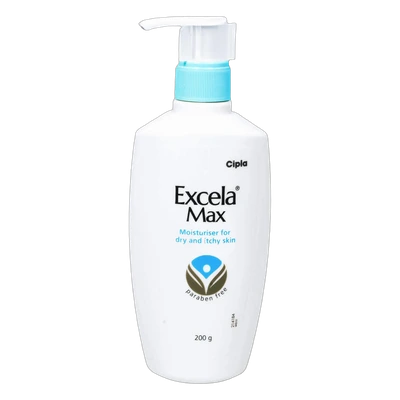
Cipla Excela Max Moisturizer
Cipla Excela is the most frequently prescribed pharmacy moisturizer for oily, acne-prone Indian skin for good reason. It solves a classic dilemma: how to hydrate skin that is being dried out by acne washes without causing a greasy afternoon shine. The formula blends pure glycerin with Zinc PCA (which dials down excess oil) and barrier ceramides. It forms a breathable, microscopic protective shield that stops water from escaping while letting sweat evaporate cleanly.
- Zinc PCA visibly reduces forehead and T-zone oiliness
- Rebuilds lipid barrier without brewing new whiteheads
- Never pills under sunscreen or leaves a greasy film
- Has a distinct clinical scent from active ingredients
- May need a second layer in severe dry winter months
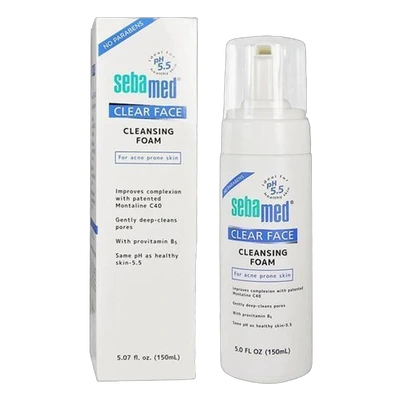
Sebamed Clear Face Care Gel
When someone visits a clinic with angry red papules, burning skin, or itchy fungal acne, this clear water gel is the safest possible choice. It feels like splashing cool water on your face. There are zero oils, zero synthetic emulsifiers, and zero fragrance molecules to irritate sensitive pores. Formulated at the skin's natural acidic pH of 5.5, it halts bacterial growth while soothing redness with pharmaceutical-grade aloe juice and hyaluronic acid.
- 100% free of oils, perfumes, and pore-clogging waxes
- Biological pH 5.5 naturally inhibits acne bacteria
- Instantly cools and calms inflamed, red breakouts
- Very light; extremely dry skin will need something richer
- Takes 30 seconds to absorb without rubbing too vigorously
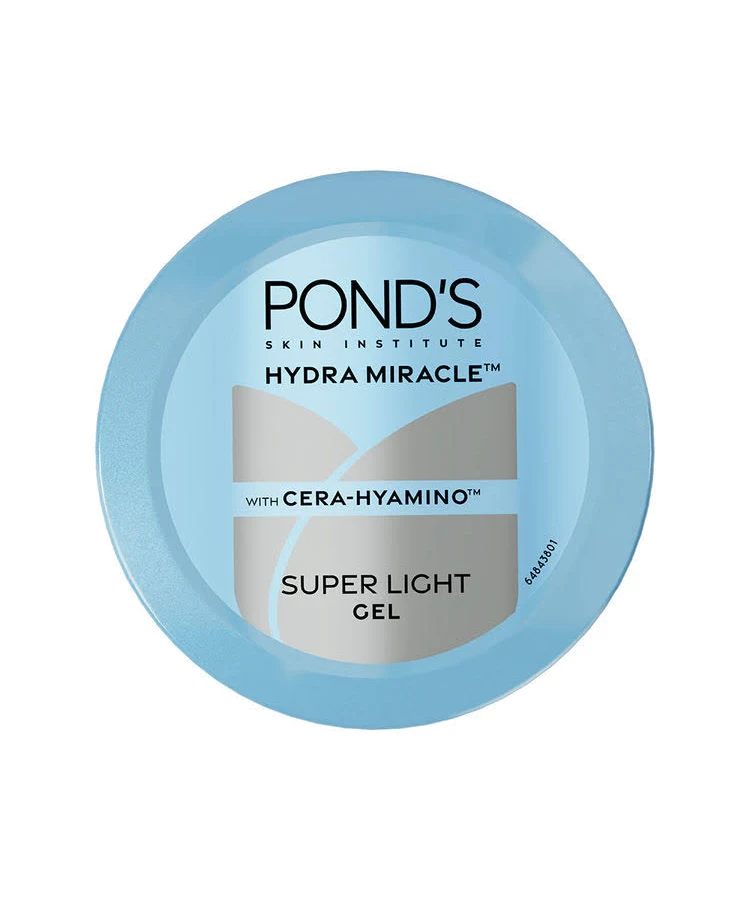
Pond's Super Light Gel
Pond's Super Light Gel is arguably the most popular budget hydrator in India, and its formulation holds up remarkably well under clinical scrutiny. For less than ₹200, it delivers an impressive base of Hyaluronic Acid, Glycerin, and Niacinamide. It glides effortlessly across oily skin, bursts into a cool watery layer, and absorbs cleanly without any sticky or heavy film. It wears beautifully under sunscreen and makeup in hot Indian weather.
- Exceptional value for money for everyday hydration
- Bouncy gel texture delivers instant refreshing moisture
- Contains Niacinamide to help brighten post-acne marks
- Contains added fragrance; skip if your barrier is actively peeling
- Packaging is in a tub rather than a hygienic pump
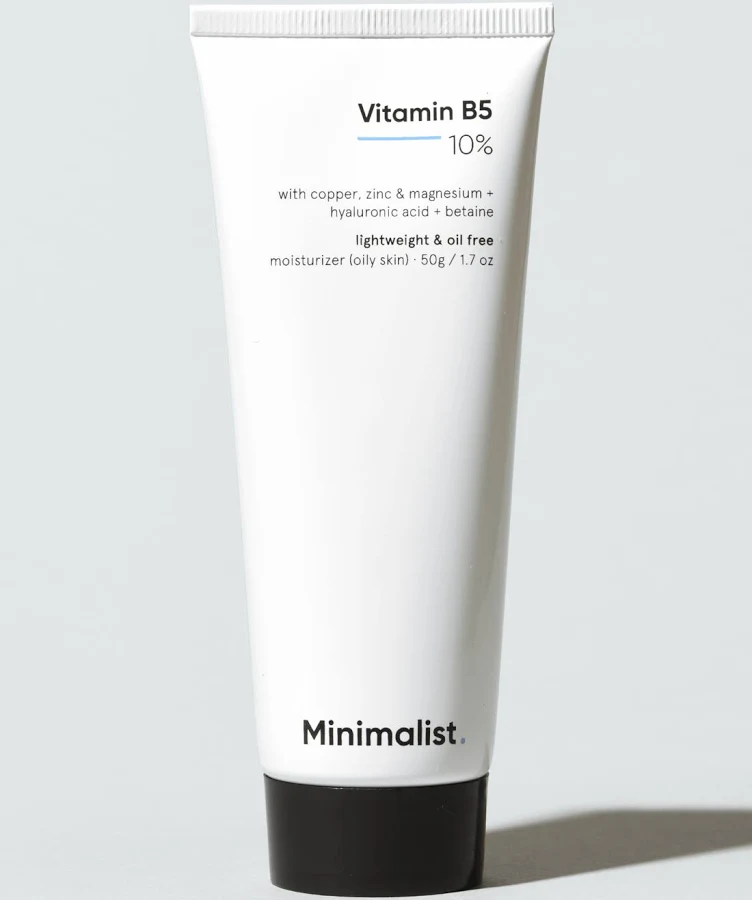
Minimalist 10% Vitamin B5 Gel Face Moisturizer
Formulated with a generous 10% concentration of Panthenol (Provitamin B5), this fragrance-free gel accelerates tissue repair and soothes irritation after salicylic acid washes. It pairs panthenol with Zinc PCA and Copper PCA to suppress excess oil output. It absorbs into a completely flat, non-sticky matte finish within ten seconds, making it ideal for humid summers and coastal monsoons in Mumbai, Chennai, or Kolkata.
- High-potency 10% Panthenol repairs over-exfoliated skin
- Zero pore-clogging oils, silicones, or fragrance
- Completely matte dry-down—no shiny forehead
- Absorbs so quickly that you must spread it immediately
- Not rich enough for winter flaking on its own
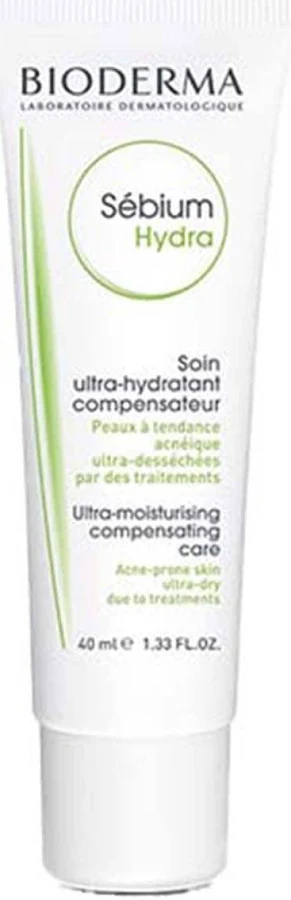
Bioderma Sebium Hydra Moisturizer
When prescription acne treatments (like Tretinoin, Adapalene, or oral Isotretinoin) cause severe dryness, flaking, and painful burning, light water gels are not enough. Bioderma Sebium Hydra is specifically formulated as a medical companion cream. It blends Enoxolone (a purified licorice extract that stops burning sensations) with biomimetic ceramides that patch micro-cracks in the skin barrier—rebuilding your lipid wall without causing fresh whiteheads.
- The #1 dermatologist companion for retinoid peeling
- Patented Fluidactiv™ keeps skin's natural sebum liquid
- Instantly relieves stinging when applying products
- Higher price point for a 40ml tube
- Richer texture—best used at night or on peeling zones
The Complete Top 10 Roster (Picks 6 to 10)
Different skin situations require specialized formulation tweaks. Here are five more clinically vetted options for specific skin needs:
Formula RX Barrier Relief Gel-Cream
An authentic 3:1:1 physiological barrier moisturizer featuring Ceramides NP/AP/EOP, Cholesterol, and Free Fatty Acids with 4% Niacinamide. Silky, weightless texture that repairs over-exfoliated skin without clogging pores.
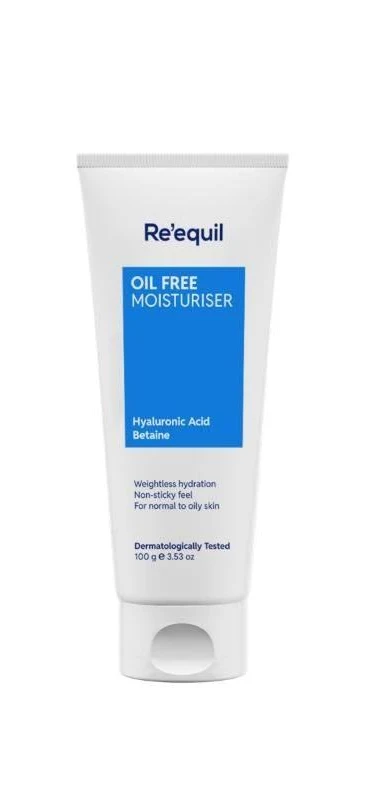
Re'equil Oil-Free Moisturiser
Formulated specifically for coastal humidity, replacing heavy cosmetic oils with betaine, hyaluronic acid, and mattifying silica. Dries to a powdery velvety finish that never pills under sunscreen or melts into midday sweat.
Neutrogena Hydro Boost Water Gel
Cross-linked hyaluronic acid matrix designed for tight cheeks in air-conditioned offices. Restores moisture to desiccated skin cells without leaving an occlusive oily film along the central T-zone.
Deyga Oil-Free Face Moisturiser
Ideal for hyper-reactive skin that breaks out from synthetic thickeners or perfumes. Built on pure aloe juice, rose distillate, and vegetable glycerin with zero silicones or preservatives.
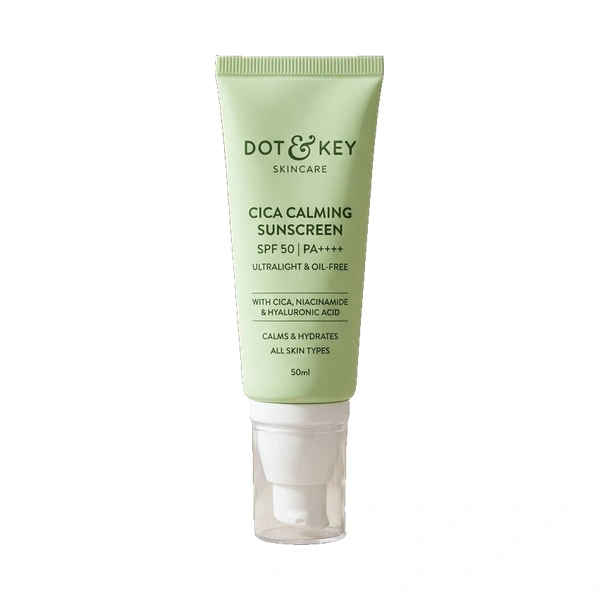
Dot & Key 72-Hour Probiotic Gel Crème
Combines lactobacillus ferment lysates with hydrolyzed rice water to nourish beneficial skin flora and balance surface bacteria after prolonged acne flare-ups. Light dewy finish that excludes heavy plant butters.
Decision Matrix: Compare All 10 Formulations
Find your perfect formula based on price, active ingredients, texture finish, and retinoid compatibility:
| Product Name | Price Bracket | Texture & Finish | Key Actives | Retinoid Buffer Safe? | Ideal Skin Profile |
|---|---|---|---|---|---|
| Cipla Excela Max | ₹480–₹540 | Velvety matte lotion | Zinc PCA, Ceramides | ✓ Excellent | Oily skin needing daytime shine control |
| Sebamed Clear Face Gel | ₹450–₹480 | 100% Oil-free water gel | Hyaluronic Acid, pH 5.5 | ✓ Safe Base | Active red pimples & fungal acne |
| Pond's Super Light Gel | ₹150–₹220 | Bouncy water burst | Hyaluronic Acid, Niacinamide | ✓ (If not sensitive) | Budget daily hydration for college/office |
| Minimalist 10% B5 Gel | ₹399 | Ultra-light matte finish | 10% Panthenol, Zinc PCA | ✓ Speeds healing | Humid weather & acid wash recovery |
| Bioderma Sebium Hydra | ₹850–₹1,100 | Restorative comforting balm | Ceramides, Enoxolone | ✓ Purpose-Built | Severe peeling on Tretinoin/Accutane |
| Formula RX Barrier Relief | ₹450–₹550 | Silky light gel-cream | 3:1:1 Ceramides, 4% Niacinamide | ✓ Ideal buffer | Stinging, over-exfoliated barrier |
| Re'equil Oil-Free | ₹350–₹450 | Powdery dry-touch cream | Betaine, Silica, Hyaluronic | ✓ Zero pilling | Sticky coastal heat in Mumbai/Chennai |
| Neutrogena Hydro Boost | ₹699–₹799 | Refreshing water gel | Cross-linked Hyaluronate | ✓ Great hydrator | Tight skin from office air conditioning |
| Deyga Oil-Free | ₹350–₹450 | Thin watery botanical gel | Aloe Juice, Rose Distillate | ✓ Gentle soothing | Fragrance-reactive, sensitive skin |
| Dot & Key Probiotic Gel | ₹499–₹599 | Dewy gel-crème | Probiotics, Rice Water | ✓ Maintenance | Rough texture & post-acne balancing |
How to Layer Non-Comedogenic Moisturizers with Acne Actives
Roughly 60% of people who start prescription Adapalene or Tretinoin quit within the first three weeks because of severe peeling, redness, and stinging. Using the "Dermatologist Sandwich Method" cuts irritation by up to 60% without weakening acne results:
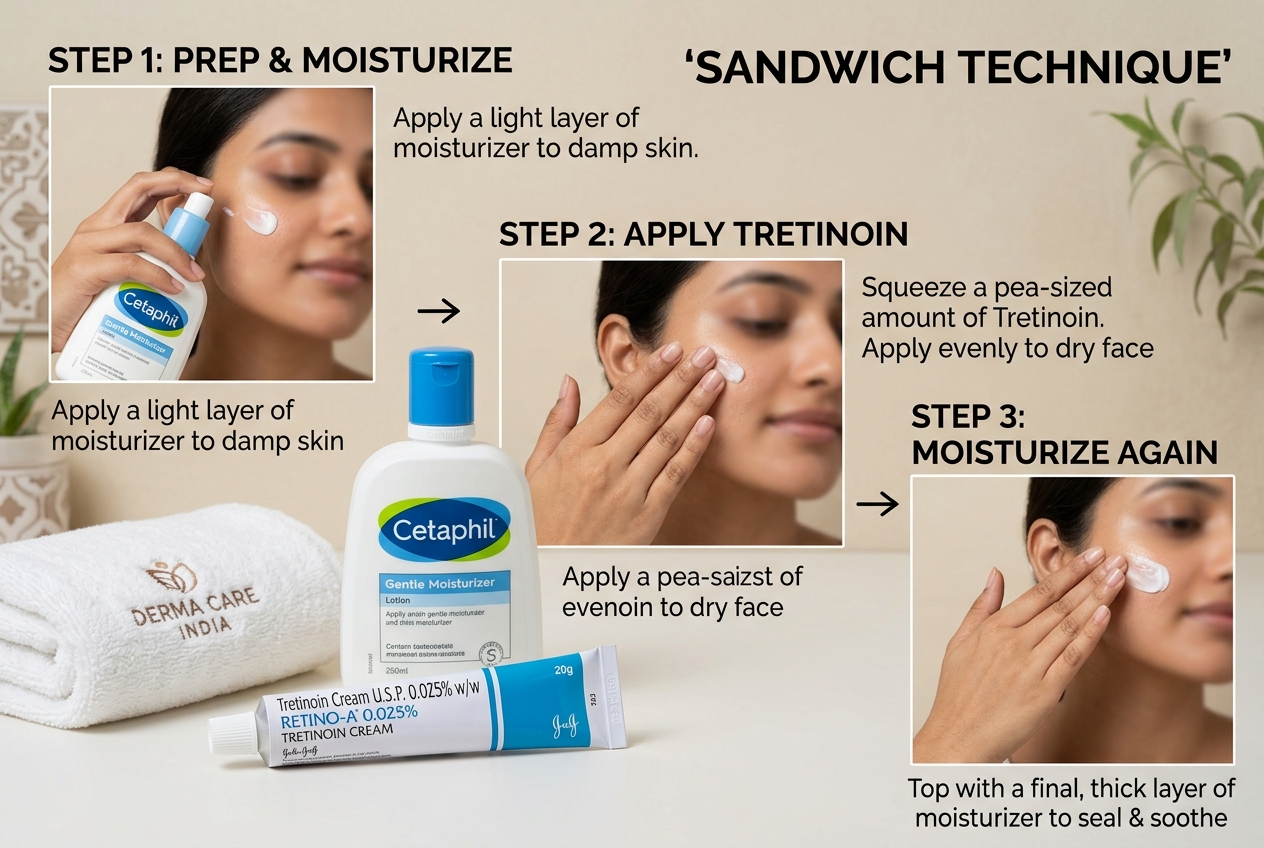
Step 1: Cleanse with a Gentle Foaming Wash & Pat Damp
Wash your face with a mild, soap-free cleanser. Gently pat your face with a soft towel, leaving it slightly damp. Never rub aggressively.
Step 2: Apply a Thin Cushion of Non-Comedogenic Water Gel
Smooth a pea-sized amount of lightweight gel (like Sebamed Clear Face Gel or Cipla Excela) across your face. This creates a protective lipid buffer in the outer skin layer that prevents active ingredients from causing sudden irritation.
Step 3: Wait 10 Full Minutes for Complete Dry-Down
This waiting period is vital! Applying retinoids or acids to damp skin increases penetration too quickly, triggering stinging and redness. Let the moisturizer cushion absorb completely until your skin feels dry to the touch.
Step 4: Dot a Pea-Sized Amount of Your Prescription Active
Apply a tiny pea-sized dot of Adapalene 0.1%, Tretinoin 0.025%, or Benzoyl Peroxide gel evenly across your forehead, cheeks, and chin, keeping away from delicate eye and mouth corners.
Step 5: Seal with a Second Light Layer (If Skin Is Peeling)
If your skin is actively adapting or flaking during winter, tap a second thin layer of barrier cream (such as Bioderma Sebium Hydra) over top to complete the protective sandwich.
How to Audit Any Moisturizer Label (The 6-Line Rule)
Never trust the marketing buzzwords printed on the front of the bottle. Here is the exact 3-step checklist dermatologists use to evaluate cosmetic bottles in Indian stores:
Read Only the First 5 to 6 Lines
By international cosmetic law, ingredients are listed in descending order of concentration. The top five entries make up 80% to 90% of the entire bottle. If you spot pore-clogging esters (like Isopropyl Myristate) in those top lines, put the bottle down immediately.
Ignore "Dermatologist Tested" Claims
In India, claims like "Oil-Free", "Non-Comedogenic", or "Dermatologist Tested" have no mandatory statutory legal definition. Brands can legally print these claims without human clinical trials. Trust the back panel INCI list, not the marketing claims.
The 48-Hour Lower Jawline Patch Test
Before smoothing a new formula all over your face, apply a pea-sized dot along your lower jawline twice daily for 48 hours. The lower jawline shares the exact same oil gland density and pore sensitivity as your cheeks and forehead, giving you an accurate preview of whether the product will trigger closed bumps in your local weather.
5 Costly Moisturizer Mistakes That Trigger Breakouts
Even with a great non-comedogenic product, how you use it determines your results. Avoid these five common pitfalls:
❌ 1. Slugging on Acne-Prone Zones
Applying pure petroleum jelly (Vaseline) over active acne or oily T-zones. While slugging helps severely dry body skin, on acne-prone faces it traps sebum, dead skin cells, and bacteria inside follicles, triggering explosive breakouts.
❌ 2. Applying onto Bone-Dry Skin
Waiting until your face is completely bone-dry before applying hyaluronic acid or glycerin gels. Humectants work by pulling water into the skin; apply them onto slightly damp skin immediately after washing to lock in moisture.
❌ 3. Using Heavy Winter Creams During Monsoons
Failing to switch formulas with the seasons. A rich cream that protected your cheeks during a dry North Indian winter will trap sweat and trigger fungal bumps when coastal humidity climbs above 80% during monsoons.
❌ 4. Squeezing Moisturizer-Induced Bumps
Picking or squeezing tiny whiteheads with fingernails. On Indian skin, squeezing ruptures the follicle into deeper skin layers, triggering melanocytes to deposit dark melanin that takes 6 to 12 months to fade.
❌ 5. Skipping Daytime Sunscreen
Assuming that because your moisturizer feels hydrating, you can skip sunscreen. UV rays oxidize natural skin oils, thickening sebum into hard plugs and worsening dark marks. Always layer an oil-free SPF 50+ over your moisturizer.
❌ 6. Layering Too Many Thick Serums Underneath
Piling on 3 or 4 thick serums before moisturizer. Heavy layering creates product buildup that prevents lightweight moisturizers from absorbing cleanly. Keep your routine to 1 active serum plus moisturizer.
Self-Check: Is Your Moisturizer Clogging Your Pores?
Not every skin reaction is a clogged pore. Use this diagnostic checklist to determine whether your new moisturizer is working, causing temporary irritation, or genuinely clogging your pores:
Signs Your Product Is Clogging Pores
- • Clusters of tiny, uniform, painless skin-colored bumps (closed comedones)
- • Bumps appear in areas where you rarely break out (like temples or outer cheeks)
- • Forehead develops a rough, sandpaper-like texture after 10 to 14 days
- • Skin feels greasy and heavy even hours after application
Signs Your Product Is Truly Non-Comedogenic
- • Skin feels calm, soft, and flexible without tightness or greasy shine
- • Midday T-zone oiliness gradually decreases over 3 to 4 weeks
- • Prescription retinoid peeling and flaking noticeably subsides
- • Product absorbs weightlessly within 15 to 30 seconds
Frequently Asked Questions: Non-Comedogenic Skincare in India
Clear, dermatologist-verified answers to common questions about pore-safe hydration: