What Is Topical Steroid Damaged Facies (TSDF)?
Topical Steroid Damaged Facies (TSDF) is a severe dermatological condition caused by the unauthorized, prolonged application of potent topical corticosteroids (like Betamethasone in Betnovate-N/C, Clobetasol in Panderm/Quadriderm/Tenovate, or Hydroquinone+Tretinoin+Mometasone in SkinLite) as fairness, anti-acne, or aftershave creams. What begins as instant overnight glow and redness suppression quickly leads to severe cellular dependency, skin thinning, and violent rebound flares upon stopping.
In India, unregulated OTC pharmacy access has created a widespread epidemic. Millions apply these medical steroid creams unaware that corticosteroids are strictly prescription medications meant for short-term inflammatory eczema or psoriasis—never for facial acne or skin lightening.
Keratinocyte & Collagen Atrophy
Potent corticosteroids inhibit fibroblast mitosis and downregulate pro-collagen I/III synthesis, thinning the epidermis by up to 50% within 8 weeks.
Rebound Nitric Oxide Vasodilation
Steroids artificially suppress endothelial nitric oxide. When stopped, a sudden compensatory surge causes acute capillary engorgement and burning ("Red Skin Syndrome").
Demodex & Bacterial Explosion
Local cutaneous immunosuppression disables macrophage phagocytosis, allowing opportunistic *Demodex folliculorum* mites and *C. acnes* to multiply unchecked.
Catastrophic TEWL Spike
Loss of stratum corneum lipid envelope destroys moisture retention, causing severe stinging upon contact with plain tap water or basic moisturizers.
The 5 Hallmark Signs of Topical Steroid Addiction & Damage
If you have used Betnovate, Panderm, or SkinLite for more than 3 weeks, evaluate your skin against these clinical hallmarks:
| Diagnostic Sign | Clinical Manifestation | Root Pathological Cause |
|---|---|---|
| 1. Rebound Erythema & Burning | Intense fiery redness and burning heat within 24–48 hours of missing a dose. | Vascular rebound vasodilation & cutaneous hypersensitivity. |
| 2. Telangiectasia (Spider Veins) | Visible, web-like fine red or purple blood vessels branching across cheekbones. | Dermal collagen breakdown leaving thin capillary walls exposed. |
| 3. Monomorphic Steroid Acne | Sudden crop of hundreds of uniform, identical red bumps and pustules (no blackheads). | Follicular epithelium degradation + immunosuppressed bacterial surge. |
| 4. Facial Hypertrichosis | Sudden growth of fine, dark hair across cheeks, jawline, and upper lip. | Corticosteroid stimulation of vellus hair follicle growth phase. |
| 5. Epidermal Paper-Thinning | Skin feels tissue-thin, translucent, and easily tears or wrinkles when smiling. | Severe stratum corneum and spinous layer keratinocyte atrophy. |
Tapering vs. Cold Turkey: The Dermatologist Weaning Strategy
🚨 Why Abrupt Cold Turkey Fails in 90% of Indian Patients
When patients stop Betnovate or Panderm abruptly on their own, the resulting "Red Face Syndrome"—intolerable facial burning, swelling, and dozens of pustules—causes extreme panic. Within 48 hours, patients re-apply the steroid cream to get immediate relief, restarting the dependency cycle and worsening long-term dermal thinning.
Board-certified dermatologists utilize a structured Steroid-Sparing Tapering Protocol to safely transition your skin off corticosteroids:
- Step 1 (Frequency Weaning): Reduce potent steroid application from daily to alternate nights for 1 week, then twice weekly for 1 week, while filling off-days with bio-identical barrier creams.
- Step 2 (Topical Calcineurin Inhibitors - TCIs): In medical clinics, dermatologists introduce non-steroidal anti-inflammatory agents like Tacrolimus 0.03%–0.1% or Pimecrolimus 1% ointment. TCIs suppress T-cell inflammation without causing epidermal atrophy or collagen thinning.
- Step 3 (Oral Systemic Support): For severe pustular rebound, dermatologists often prescribe a short 4–6 week course of anti-inflammatory low-dose Doxycycline or Minocycline to control bacterial and Demodex surges.
The 6-Week Barrier Reconstruction Master Plan
Follow this phased clinical roadmap to nurse your skin barrier back to full physiological resilience:
🗓️ TSDF 6-Week Skin Rehabilitation Protocol
SUPERIORITY ASSET- Execute steroid tapering schedule
- Wash ONLY with lukewarm water or Cetaphil
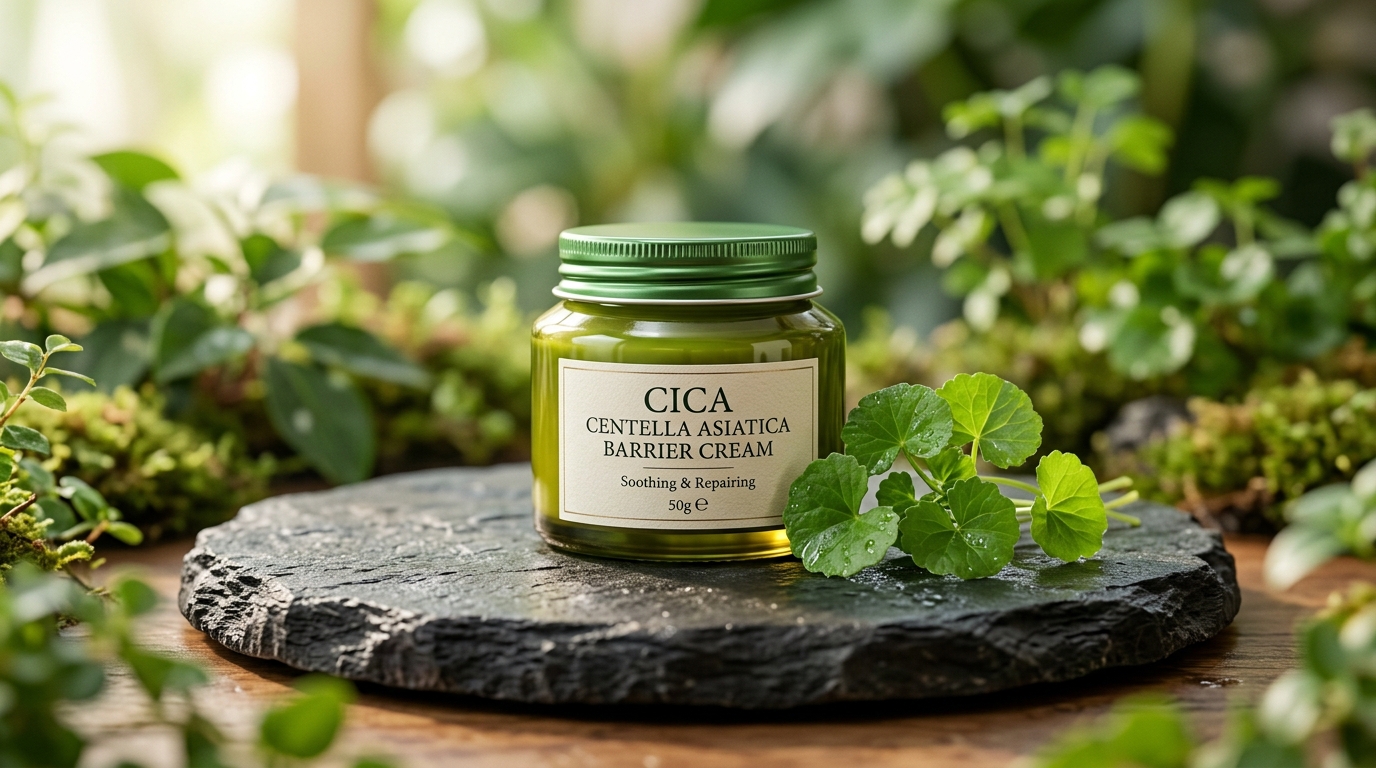
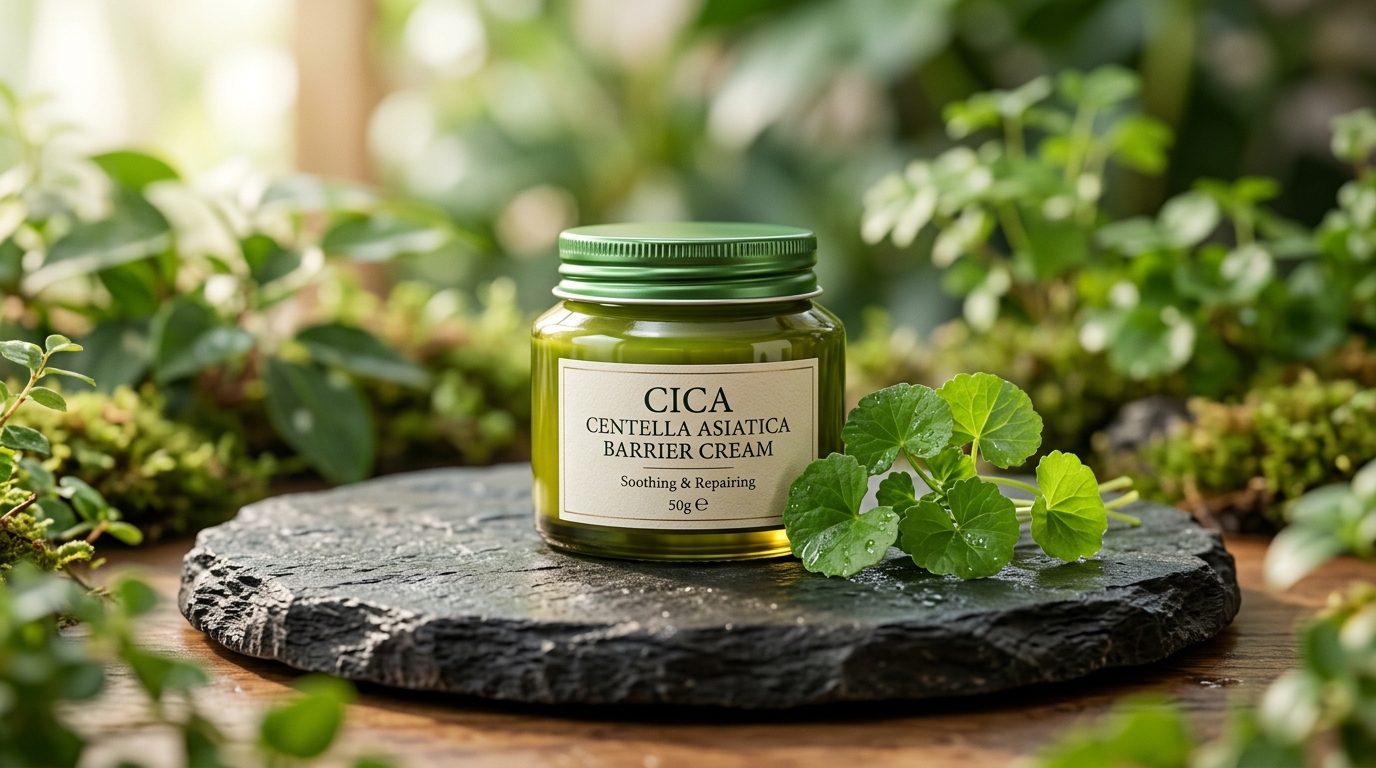
- Apply Cica / Madecassoside soothing balm
- Cold pure-water compresses for burning
- Zero active acids or chemical sunscreens
- 100% complete steroid cessation
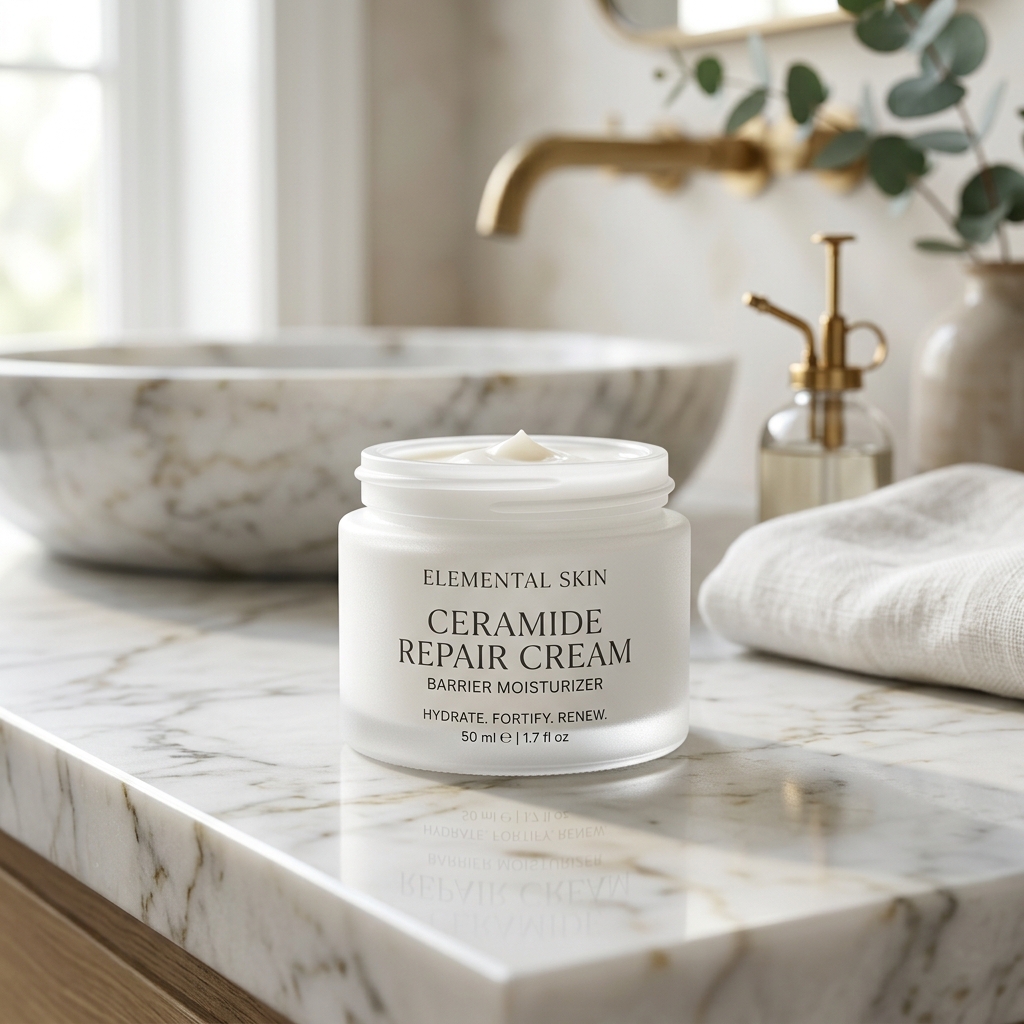
- Apply 1:3:1 Ceramide, Cholesterol, FFA cream
- Add 2% Niacinamide to upregulate ceramides
- 100% Mineral Zinc Oxide SPF 50+ daily
- Pustules dry out and flaking begins
- Moisture barrier 80% restored
- Zero stinging on plain water contact
- Azelaic Acid 10% (if cleared by doctor)
- Continue high-lipid ceramide protection
- Telangiectasia gradually fades
The Strict "Forbidden List" During Steroid Recovery
While your stratum corneum is healing, the following ingredients and practices are strictly prohibited:
Active Exfoliating Acids (AHA/BHA)
Salicylic Acid, Glycolic Acid, and Lactic Acid dissolve already paper-thin stratum corneum corneodesmosomes, triggering severe chemical ulceration.
Retinoids & Tretinoin
Tretinoin, Adapalene, and Retinol increase cellular turnover on an unprotected barrier, creating unbearable burning, peeling, and permanent PIH.
Kitchen Home Remedies
Applying raw lemon juice (pH 2.0), turmeric (stains raw skin), garlic, or baking soda on steroid-raw skin causes severe Contact Dermatitis.
Chemical Sunscreens & Hot Water
Chemical UV filters (Avobenzone, Oxybenzone) penetrate micro-fissures, causing stinging. Hot water triggers massive arteriolar vasodilation flushes.
Safe Barrier-Rebuilding Formulations Available in India
Dermatologist-evaluated calming agents and hypoallergenic barrier repair products available in Indian pharmacies and online:
Diagnostic Table: Steroid Rebound Acne vs. Regular Acne
| Diagnostic Feature | 🔴 Steroid-Induced Acneiform Eruption | 🔵 Acne Vulgaris (Regular Acne) |
|---|---|---|
| Lesion Appearance | Monomorphic (all bumps are identical small red papules/pustules) | Polymorphic (mix of blackheads, whiteheads, cysts, nodules) |
| Comedones (Blackheads) | ❌ Absent | ✅ Present & Core Feature |
| Sensory Symptoms | Intense burning, facial tightness, raw stinging | Localized soreness on individual cysts only |
| Onset Speed | Explosive crop appearing within 24–72 hours of stopping steroid | Gradual progression over months |
| Response to BHA/Retinol | Severe Burning & Chemical Ulceration | Improvement over 6–8 weeks |
6 Fatal Mistakes Made During Steroid Withdrawal in India
1. Applying "Just One Dab" of Betnovate
Applying steroid cream to quell a midnight burning flare resets your addiction clock back to Day 1. Fix: Use cold ice-water compresses and Cica balm.
2. Switching to "Herbal/Ayurvedic" Fairness Creams
Many unbranded Indian fairness creams secretly contain illicit adulterated corticosteroids. Fix: Use only branded pharmacy barrier creams.
3. Scrubbing Off Flaking Dead Skin
Peeling skin is your new stratum corneum forming underneath. Scrubbing rips off basal stem cells. Fix: Let flakes detach naturally under moisturizers.
4. Using Chemical Sunscreens
Organic UV filters sting thinned skin. Fix: Use 100% Zinc Oxide mineral sunscreens that physically sit on top of skin.
5. Steaming Face with Hot Vapor
Hot steam triggers sudden arteriolar expansion and capillary ruptures. Fix: Wash strictly with room-temperature or cool water.
6. Hiding Damage Under Heavy Foundation
Heavy liquid makeup blocks infundibula and traps bacteria in inflamed follicles. Fix: Go bare skin + mineral sunscreen during weeks 1–4.
Steroid Recovery Clinical Troubleshooting Matrix
| Symptom Experienced | Root Cause Mechanism | Immediate Dermatological Remedy |
|---|---|---|
| Intense facial burning & heat flush | Nitric oxide vascular rebound surge | Apply cold pure water compresses (10 mins) followed by thick Cica balm. |
| Hundreds of tiny yellow pustules around mouth | Steroid-induced Perioral Dermatitis | Consult dermatologist for oral Doxycycline and topical Tacrolimus 0.03%. See our complete Perioral Dermatitis Zero Therapy Guide → |
| Stinging on applying plain moisturizer | Total stratum corneum lipid envelope collapse | Apply pure medical-grade squalane or Avene Cicalfate+ on dry face. |
| Severe itching at night | *Demodex* mite proliferation in suppressed follicles | Dermatologist-prescribed oral Ivermectin or topical Soolantra / Permethrin. |
Frequently Asked Questions
Potent corticosteroids (like Betamethasone in Betnovate and Clobetasol in Panderm) artificially constrict facial blood vessels and suppress all immune response. With chronic use, your skin stops producing natural lipids and becomes addicted to the anti-inflammatory drug. When you stop suddenly, blood vessels experience severe rebound vasodilation (Red Skin Syndrome), and suppressed bacteria surge, creating intense burning, redness, and hundreds of tiny pustules (steroid rebound acne).
Stopping high-potency steroids cold turkey often triggers an unbearable rebound flare. Dermatologists typically recommend a structured weaning protocol: either gradually reducing application frequency (from daily to alternate days, then twice weekly) while replacing steroid doses with a non-steroidal anti-inflammatory (such as Tacrolimus 0.03% or Pimecrolimus 1%), or stepping down to a mild non-fluorinated hydrocortisone cream before complete cessation.
Rebound burning and pustular flares typically peak between weeks 1 and 3 after stopping. With strict barrier rehabilitation (bio-identical ceramides, soothing cica, and 100% mineral sunscreen), the stratum corneum lipid envelope begins sealing within 4 to 6 weeks. Complete recovery from epidermal thinning and telangiectasia (visible red veins) takes approximately 3 to 6 months.
Strictly NO. Active chemical exfoliants (AHA/BHA), retinoids, and high-strength Vitamin C will cause severe chemical burns on skin thinned by corticosteroids. You must suspend all active treatments for at least 8 to 12 weeks until your dermatologist confirms full stratum corneum recovery.
Use exclusively 100% Mineral / Physical Sunscreens containing pure Zinc Oxide and Titanium Dioxide. Chemical sunscreens contain organic UV filters (like avobenzone, oxybenzone) that penetrate the thinned stratum corneum and trigger severe stinging and contact dermatitis.
Mild capillary dilation reduces significantly once inflammation subsides and the epidermal layer thickens with ceramide therapy. However, deep permanently dilated capillaries may require in-clinic vascular laser treatments (such as Pulsed Dye Laser / PDL or Nd:YAG) after the barrier has fully healed.
🏥 Medical Disclaimer: Topical Steroid Damaged Facies (TSDF) is a serious dermatological condition. This guide is for educational awareness and does not replace in-person consultation with a board-certified dermatologist. If you experience facial edema or severe secondary infection, seek immediate medical care.