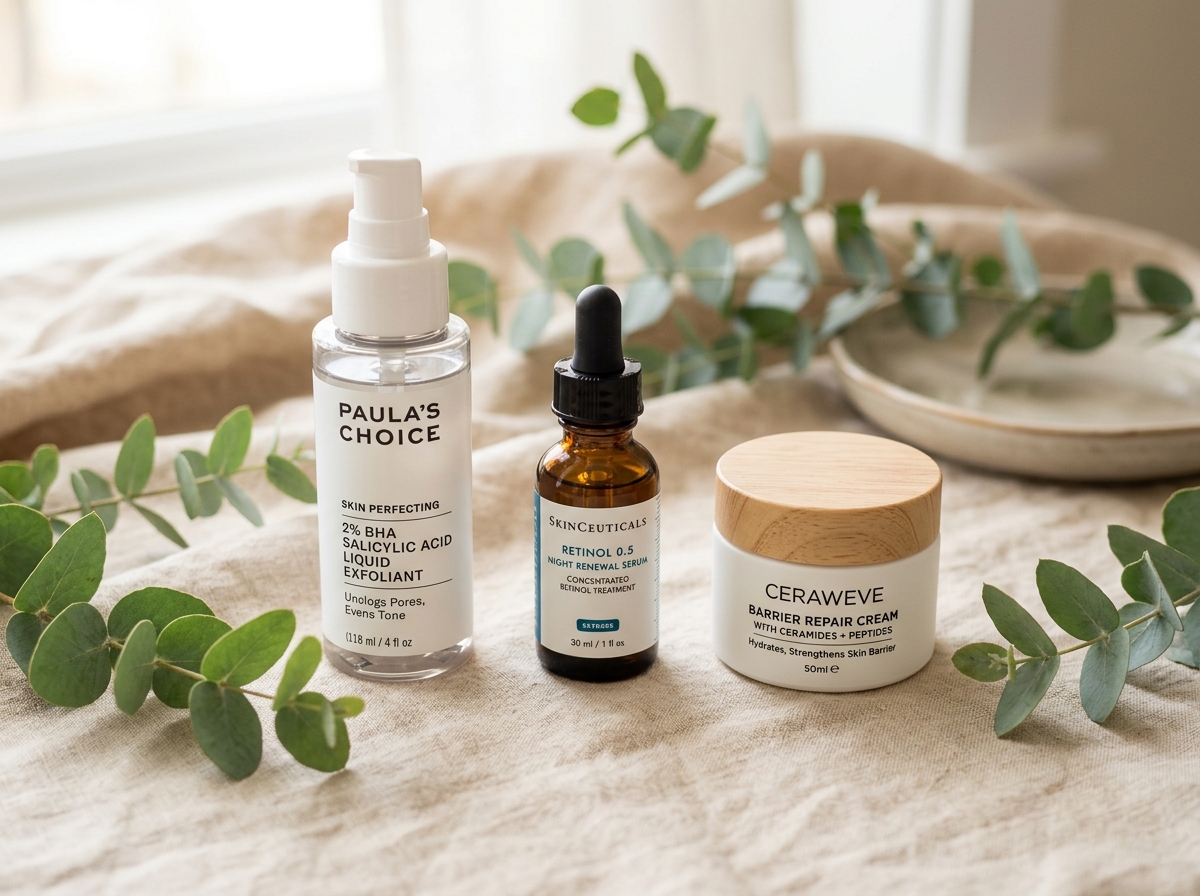
What Is Skin Cycling? The Clinical Logic of Active Rest
Created by board-certified NYC dermatologist Dr. Whitney Bowe, skin cycling is a 4-night rotating framework: Night 1 (Exfoliation) → Night 2 (Retinoid) → Nights 3 & 4 (Recovery & Barrier Repair) → Repeat. Spacing your active treatments prevents chronic Transepidermal Water Loss (TEWL) and barrier breakdown, allowing your skin to reap maximum acne-clearing benefits with zero chemical burns.
In modern dermatology, "more actives is not better skin". When high-potency ingredients like Salicylic Acid and Adapalene are applied back-to-back every single evening, they strip intercellular stratum corneum lipids. This triggers reactive seborrhea (rebound oiliness), bacterial colonization, and deep cystic flares.
Night 1: Desmosomal Clearance
Lipophilic BHA dissolves sebum plugs, unroofs follicular microcomedones, and clears dead keratinocyte debris for deeper retinoid penetration.
Night 2: Cellular Turnover
Adapalene or Retinol binds nuclear retinoic acid receptors (RAR-β/γ) to accelerate basal cell mitosis from 28 days down to 14 days.
Night 3: Lipid Replenishment
Bio-identical Ceramides, Cholesterol, and Free Fatty Acids seal intercellular micro-fissures and halt moisture evaporation.
Night 4: Acid Mantle Reset
Centella Asiatica and Niacinamide restore physiological skin pH (4.5–5.5) and downregulate inflammatory cytokine signaling.
💡 Clinical Rule of Thumb
Skin cycling is not about using less — it is about using actives smarter. Your recovery nights are not passive rest; they are active biochemical repair windows where structural lipids are synthesized to support the next treatment cycle.
Why Indian Fitzpatrick IV–VI Skin Demands Skin Cycling
Melanin-rich Indian skin presents distinct dermatological challenges that make Western "daily retinoid" advice catastrophic:
| Dermatological Factor | Daily Actives Application | Skin Cycling Approach |
|---|---|---|
| PIH Dark Spot Risk | 🔴 Very High (Inflammatory Cascade) | 🟢 Minimal (Buffered by Rest Nights) |
| Stratum Corneum TEWL | Severe Spikes (Stinging on Water) | Normalized (Intact Lipid Bilayer) |
| Purge Phase Adherence | 80% Abandon Due to Peeling | 95% Long-Term Protocol Adherence |
| Indian Climate Fit | Sweat + Acid = Friction Micro-Tears | Adapted for Monsoon & Summer Heat |
| Hard Water Vulnerability | Alkaline Disruption + Stripped Skin | 48-Hour Acid Mantle Recovery Buffer |
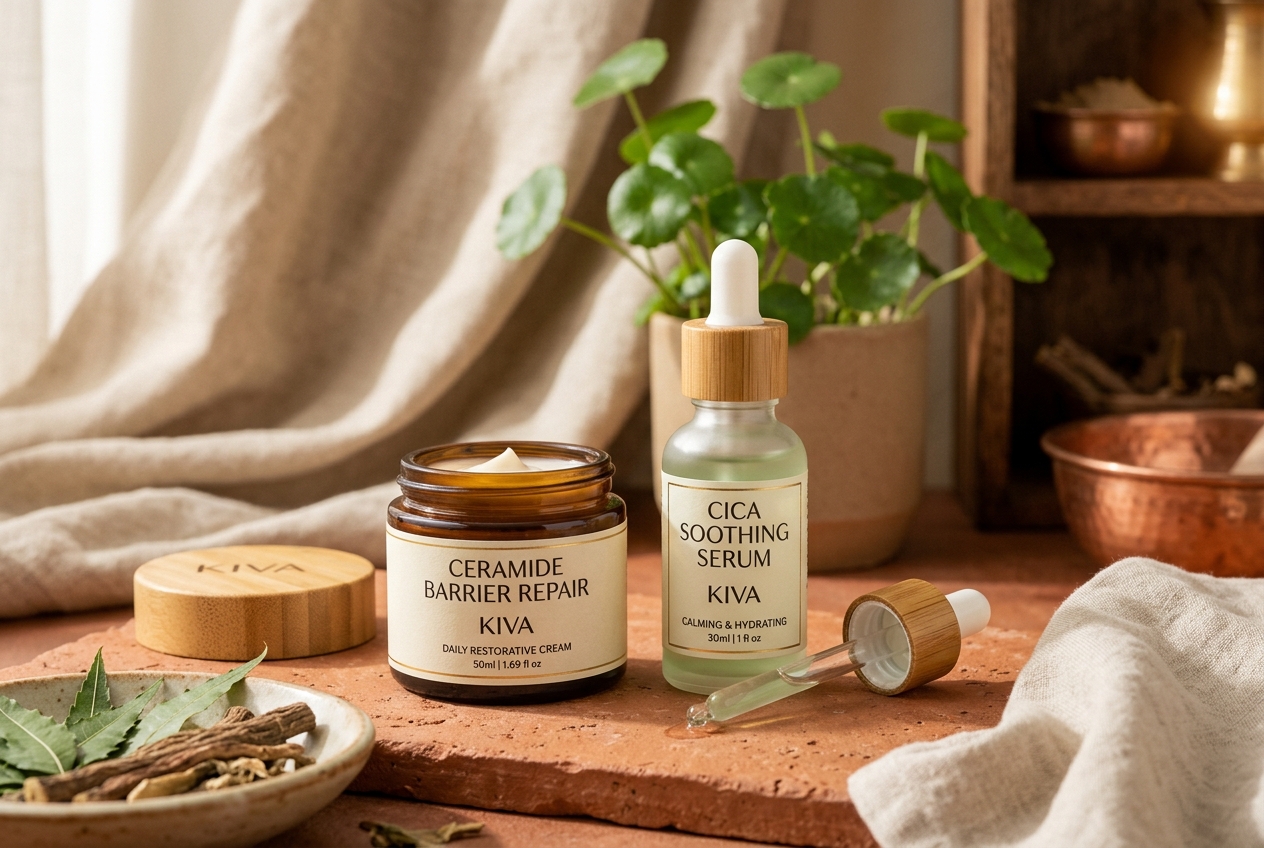
⚠️ The Indian OTC Pharmacy Trap
In India, clinical-strength topicals (Adapalene 0.1%, Tretinoin 0.025%, and Saslic DS) are readily available without prescription friction. Beginners frequently stack these daily, causing severe chemical burns mistaken for "acne purging". Skin cycling establishes mandatory safety boundaries.
The Complete 4-Night Skin Cycling Protocol Matrix
Execute this 4-day repeating nighttime rotation. Keep mornings identical and focused on antioxidant protection and broad-spectrum SPF.
🗓️ The 4-Night Skin Cycling Protocol — Master Action Plan
SUPERIORITY ASSET- Gentle pH 5.5 cleanser
- Wait 10 mins until 100% bone dry
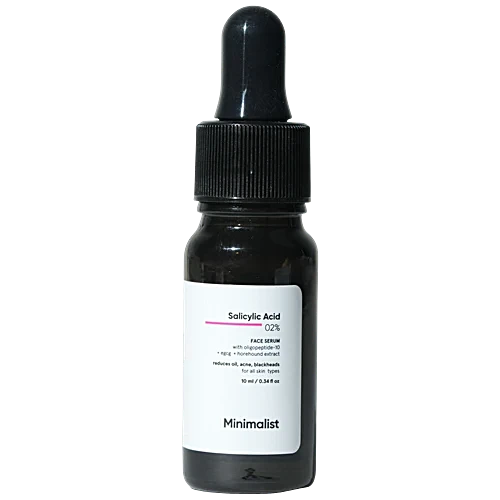
- Apply 2–3 drops 2% BHA serum
- Avoid eye contour & mouth corners
- Wait 5 mins → Light gel moisturizer
- Gentle non-foaming wash
- Buffer eyes & nose with moisturizer
- Pea-sized Adapalene gel
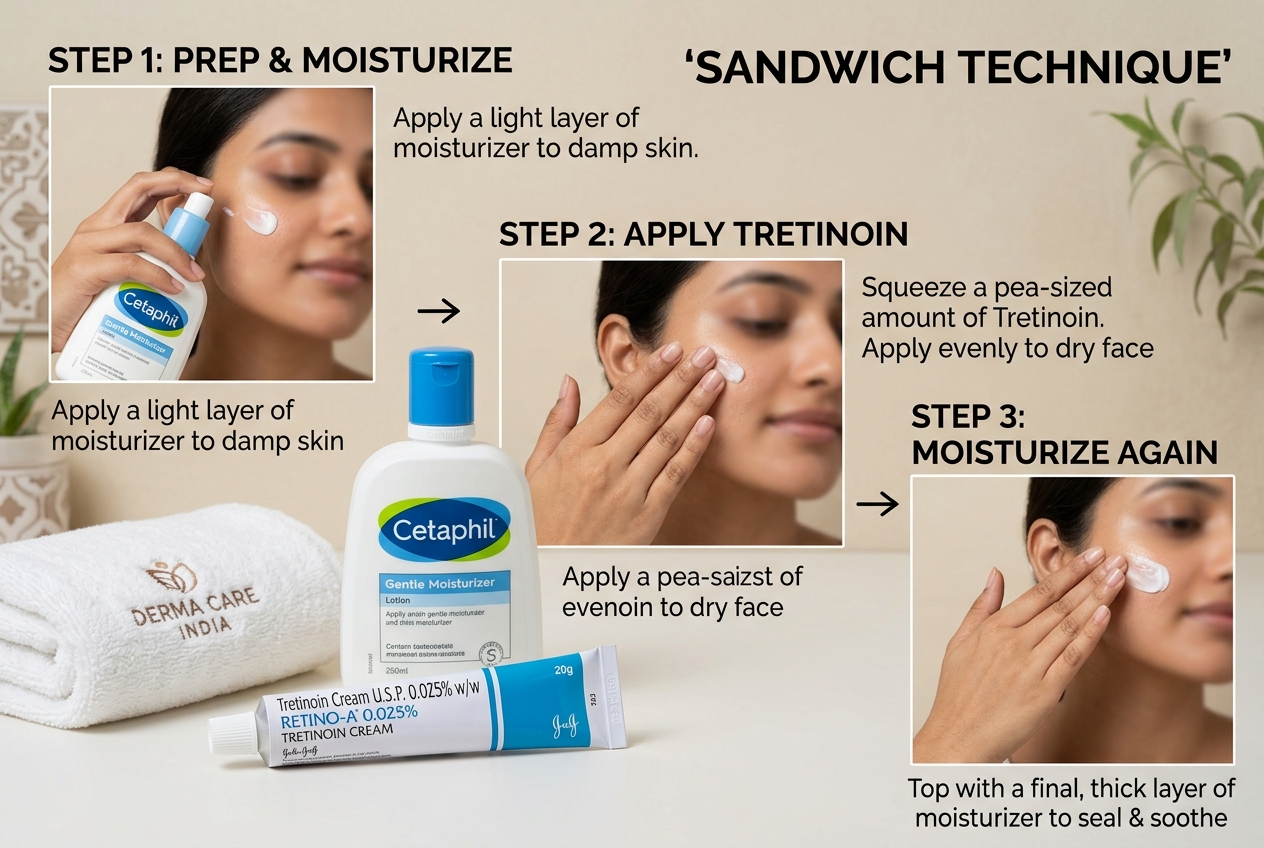
- Use Sandwich Method for beginners
- Accelerates cellular renewal
- Ultra-mild micellar or gel wash
- Apply to slightly damp skin
- 5% Niacinamide or Cica serum
- Bio-identical ceramide cream
- Rebuilds lipid envelope
- Lukewarm water or mild cleanse
- Hyaluronic Acid + Panthenol
- Barrier cream (1:3:1 ratio)
- Optional 2 drops Squalane oil
- Calms inflammation & redness
The Consistent Morning (AM) Defense Protocol
Your morning routine remains identical every single day, regardless of whether last night was Exfoliation, Retinoid, or Recovery. Mornings focus exclusively on environmental defense and UV protection.
| Step | Action | Target Product (India) | Why It Matters |
|---|---|---|---|
| Step 1: Cleanse | Non-stripping low-pH wash | Cetaphil Gentle Cleanser / Minimalist Aquaporin | Removes overnight sebum without drying stratum corneum |
| Step 2: Antioxidant | 10% Vitamin C Serum | Minimalist 10% Vit C / Plum 15% Vit C | Neutralizes urban PM2.5 pollution and boosts SPF photo-protection |
| Step 3: Hydrate | Oil-free gel moisturizer | Cipla Excela / Sebamed Clear Face Gel | Supplies lightweight hydration without pore-clogging film |
| Step 4: Protect | Broad-Spectrum SPF 50+ PA++++ | Re'equil Ultra Matte / Minimalist Fluid SPF 50 | Non-negotiable: Blocks UV-A hyperpigmentation darkening |
🚨 Critical SPF Warning for Indian Retinoid Users
Both Salicylic Acid and Adapalene thin the outermost stratum corneum, increasing solar erythema sensitivity by up to 200%. If you skip sunscreen on skin cycling mornings, ultraviolet radiation will stimulate melanin production, resulting in severe rebound PIH and dark patches that can take over 6 months to reverse.
Dermatologist-Evaluated Indian Products for Each Night
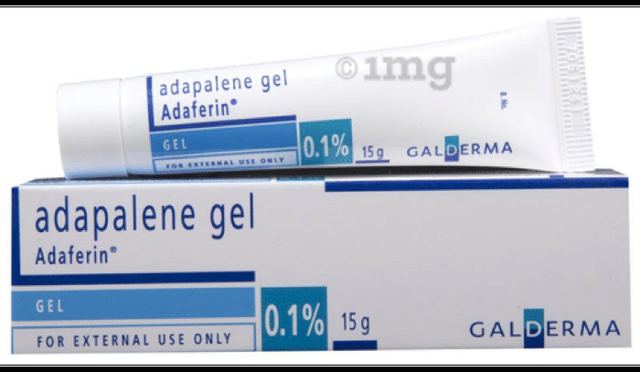
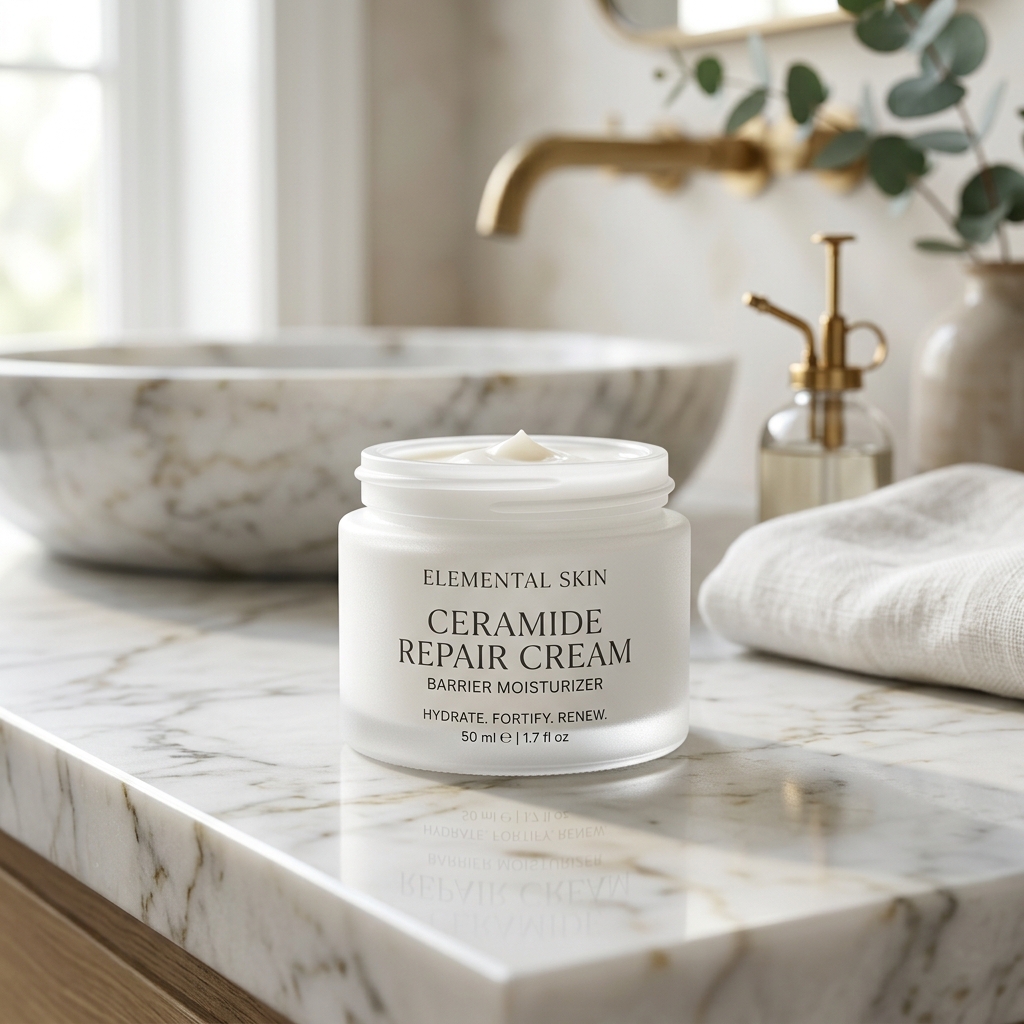
Proven pharmaceutical formulations and science-backed OTC options easily available in India via local pharmacies, Nykaa, and Amazon:
Indian Seasonal & Climate Adjustments
India's extreme weather requires fine-tuning product textures and cycle pacing throughout the year:
| Season & Climate | Skin Stress Trigger | Required Cycle Modification |
|---|---|---|
| Monsoon (June–Sept) Humidity 75%–95% |
Sweat-trapped sebum + fungal overgrowth (*Malassezia*) | Stick strictly to water-gel ceramide textures. Never use heavy petroleum slugging. Keep Night 1 BHA to dissolve sweat plugs. |
| Peak Summer (March–May) 38°C–45°C Heatwaves |
Hyperactive sebaceous glands & intense UV index | If skin feels hot or sun-stressed, convert to a 5-night cycle (add 1 extra recovery night). Reapply gel sunscreen every 2.5 hours. |
| North Winter (Dec–Feb) Delhi/Punjab/Rajasthan |
Dry cold winds + indoor room heating TEWL | Upgrade Night 3 & 4 moisturizer to a rich ceramide cream. Add 2 drops of 100% Squalane oil over your recovery moisturizer. |
| Coastal Metros Mumbai, Chennai, Kolkata |
Year-round heat & saline maritime air | Keep lightweight gel formulations 365 days a year. Use micellar water first to dissolve marine salt & pollution grime. |
Adapting Skin Cycling for PCOS & Hormonal Acne
PCOS acne is driven by elevated ovarian/adrenal androgens (DHT) causing sebaceous gland hypertrophy along the jawline, chin, and lower cheeks. Skin cycling prevents the common mistake of aggressively scrubbing hormonal nodules.
🔗 Related Hormonal Acne Resource
For complete blood panel testing (DHEA-S, Free Testosterone, Fasting Insulin) and oral supplement protocols, read our complete guide on Hormonal Acne & PCOS Skincare in India.
8 Fatal Skin Cycling Mistakes Made by Indian Beginners
1. Physical Walnut/Apricot Scrubs
Using granular physical scrubs on Night 1 creates jagged micro-tears in the stratum corneum. Fix: Use only liquid chemical BHA exfoliants.
2. Stacking BHA + Retinoid Same Night
Layering Salicylic Acid right before Adapalene over-acidifies the mantle and destroys barrier lipids. Fix: Strict one-active-per-night rule.
3. Skipping Recovery Nights
"My skin feels fine, so I'll exfoliate again tonight." This leads to sudden barrier collapse at week 3. Fix: Never skip the 2 recovery nights.
4. Applying BHA on Damp Skin
Applying salicylic acid on a wet face speeds absorption rate 5x, causing instant chemical burning. Fix: Wait 10 minutes until bone dry.
5. Quitting During Week 2–4 Purge
Microcomedones coming to the surface is a normal sign of accelerated cell turnover. Fix: Continue cycle; true purging resolves by week 6.
6. Skipping SPF on Monsoon Days
Up to 80% of UV-A rays penetrate monsoon clouds. UV + Retinoid = permanent dark marks. Fix: Apply SPF 50+ every morning rain or shine.
7. Confusing Tretinoin as an Exfoliant
Tretinoin is a cellular turnover agent, not an exfoliant. Using it on Night 1 doubles retinoid exposure. Fix: Night 1 is BHA; Night 2 is Retinoid.
8. Slugging with Heavy Petroleum
Applying thick petroleum jelly over acne-prone Indian skin in humid weather traps bacteria and causes fungal breakouts. Fix: Use ceramide gel-creams.
Clinical Troubleshooting Matrix
| Symptom Experienced | Root Cause Mechanism | Immediate Dermatological Remedy |
|---|---|---|
| Stinging when applying plain moisturizer | Acute stratum corneum barrier fissure (TEWL spike) | Stop all actives immediately. 7-day zero-active ceramide reset protocol. |
| Intense flaking around nose and mouth | Retinoid pooling in facial skin creases | Buffer nasolabial folds with moisturizer before applying Adapalene. |
| Acne marks getting visibly darker | Subclinical inflammation + inadequate UV-A protection | Upgrade to SPF 50+ PA++++. Add 2%–5% Niacinamide on recovery nights. |
| Tiny itchy uniform bumps on forehead | *Malassezia* fungal folliculitis flare from heavy creams | Switch to oil-free gel creams. Wash hairline with 2% Ketoconazole twice weekly. |
| New breakouts in completely new areas after 6 weeks | Product-induced contact acne or comedogenic response | This is NOT a purge. Discontinue recent new product and consult a dermatologist. |
Frequently Asked Questions
Skin cycling is a structured 4-night skincare protocol created by dermatologist Dr. Whitney Bowe that rotates active treatments (Night 1: Exfoliation with Salicylic Acid, Night 2: Retinoid with Adapalene) with two mandatory recovery nights (Nights 3 & 4: Bio-identical Ceramides). It works exceptionally well on Indian skin because spacing actives prevents the chronic barrier inflammation and Transepidermal Water Loss (TEWL) that triggers reactive sebum and Post-Inflammatory Hyperpigmentation (PIH).
Yes. In fact, Adapalene (0.1% gel like Adaferin or Deriva MS) is the preferred retinoid for acne-prone Indian skin on Night 2. Because Adapalene is a third-generation synthetic retinoid specifically selective for RAR-beta/gamma receptors, it targets follicular microcomedones with less initial irritation than tretinoin, making it ideal for the 4-night rotation.
Indian skin contains hyper-reactive melanocytes. When strong OTC pharmacy actives (Tretinoin, 20% Azelaic Acid, 2% Salicylic Acid) are used daily without recovery, the resulting micro-tears in the stratum corneum release inflammatory cytokines (IL-1alpha, alpha-MSH). This converts mild chemical irritation into dark, persistent post-inflammatory hyperpigmentation (PIH) that can take 6–12 months to fade.
The sandwich method buffers retinoid penetration: (1) Cleanse and pat skin dry, (2) Apply a thin layer of a lightweight ceramide moisturizer, (3) Wait 5–10 minutes, (4) Apply a pea-sized amount of Adapalene or Retinol across the face, (5) Seal with another light layer of moisturizer. This reduces retinoid dermatitis and peeling by 60% without reducing comedolytic efficacy.
Yes, but place them strategically. A 2%–5% Niacinamide serum or ceramide cream is ideal on Nights 3 & 4 (Recovery Nights) because it stimulates natural ceramide synthesis via Serine Palmitoyltransferase. Vitamin C (10% L-Ascorbic or Ethyl Ascorbic Acid) should be kept strictly to your consistent morning (AM) routine to scavenge pollution free radicals and boost sunscreen efficacy.
Do not double up on actives the next night. Simply pick up where you left off. If you missed Night 2 (Retinoid), do Retinoid the next evening, followed by your two recovery nights. Never combine BHA and Retinoid on the same night to "make up" for lost time.
Expect visible texture smoothing and reduced oiliness within 2 to 3 weeks. Inflammatory papules and blackheads significantly decrease by weeks 6 to 8. Deep comedonal clearance and fading of post-acne dark marks (PIH) typically reach peak clinical results between weeks 10 and 12.
Yes, as a short-contact wash (2.5% BPO face wash in the morning 2–3 times a week) or as a spot treatment on active pustules on Recovery Nights. Avoid layering leave-on Benzoyl Peroxide directly over Adapalene or Salicylic Acid unless prescribed in a stabilized dual formula like Epiduo.
🏥 Medical Disclaimer: This guide is for educational purposes and reviewed by board-certified dermatologists. It does not constitute individual medical diagnosis or prescription. If you suffer from severe nodulocystic acne or suspected steroid-damaged skin, consult a dermatologist.