The Biochemical Mechanism: How Hard Water Creates "Soap Scum" Acne
Hard water is saturated with dissolved divalent cations—primarily Calcium (Ca²⁺) and Magnesium (Mg²⁺). When you wash with standard foaming face washes, these minerals react with surfactant fatty acids, precipitating into an insoluble, waterproof film called Calcium Stearate (Soap Scum). This film seals follicular openings, traps oxidized sebum, and blocks active serums from penetrating.
Millions of students and tech professionals moving to Bangalore (Whitefield, Bellandur, Sarjapur), Gurgaon, Noida, or Hyderabad notice sudden painful acne flares within 2–4 weeks. This is frequently misdiagnosed as "diet change" or "travel stress", when the primary trigger is chemical precipitation occurring right at the bathroom sink.
Calcium Stearate Precipitation
Divalent minerals bond to surfactant carboxylate heads, forming insoluble curd that regular tap water cannot rinse away.
Follicular Occlusion
The mineral precipitate settles into the infundibulum of hair follicles, creating micro-comedones and trapping anaerobic C. acnes bacteria.
Barrier Lipid Saponification
Alkaline mineral salts strip intercellular free fatty acids and ceramides from the stratum corneum, causing severe Transepidermal Water Loss (TEWL).
Active Ingredient Barrier
The crystallized mineral film forms a physical hydrophobic shield that blocks leave-on actives (Adapalene, Salicylic Acid, Niacinamide) from absorbing.
Bangalore Borewells & The Chlorine-Mineral Complex
In Bangalore tech hubs (Whitefield, Bellandur, Sarjapur, Electronic City, HSR Layout), over 70% of residential societies rely entirely on 1000ft+ deep borewells and private limestone water tankers. This water carries a toxic dual burden for facial skin:
| Water Contaminant | Borewell Concentration (Bangalore/NCR) | Impact on Facial Stratum Corneum |
|---|---|---|
| Dissolved Calcium & Magnesium | 600 – 1400 mg/L (High TDS) | Reacts with sebum to form insoluble waxy pore plugs; crystallizes upon air-drying. |
| Residual Free Chlorine | 1.5 – 3.0 PPM (Tanker Shock Dose) | Oxidizes stratum corneum keratin, triggering stinging, tight redness, and barrier burning. |
| Alkaline pH Shift | pH 8.2 – 9.2 | Deactivates lipid-repair enzymes (β-glucocerebrosidase) for up to 6 hours after washing. |
Indian Metro City Water Hardness & TDS Index
Water hardness varies drastically by locality, municipal supply, and borewell depth across major Indian metros:
🏙️ Metro City Water Hardness & TDS Index (2026 Benchmark)
SUPERIORITY ASSET- Hotspots: Whitefield, Bellandur, Sarjapur, HSR, Electronic City
- Cause: 1000ft+ deep borewells & private limestone tankers
- Risk: Severe soap scum, dry scalp, and jawline cystic nodules
- Hotspots: DLF Phase 1–5, Golf Course Ext, Noida Sectors 62–137
- Cause: Saline aquifers + heavy calcium carbonate beds
- Risk: Barrier burning combined with PM2.5 winter pollution
- Hotspots: Gachibowli, Madhapur, Kondapur, Kukatpally
- Cause: Granite bed groundwater & summer tanker supply
- Risk: Comedonal forehead bumps & fungal folliculitis
- BMC Supply: 100–200 PPM (Soft lake water from Tansa/Vaitarna)
- Borewell/Thane: 500–800 PPM (High mineral hardness)
- Risk: High humidity traps chlorine + mineral residue
- Hotspots: OMR, Sholinganallur, Velachery, ECR
- Cause: Coastal saline intrusion + calcium carbonate tankers
- Risk: Severe dehydration, salt crusting, and post-acne dark marks
- Hotspots: Hinjawadi Phase 1–3, Wakad, Kharadi, Baner
- Cause: Basalt rock groundwater & society tanker supply
- Risk: Stripped moisture barrier and micro-papules
The 5-Step Stacked Hard Water Skincare Hacks & Protocol
Execute these 5 representative stacked action boxes daily to completely eliminate mineral scum binding and preserve barrier integrity:
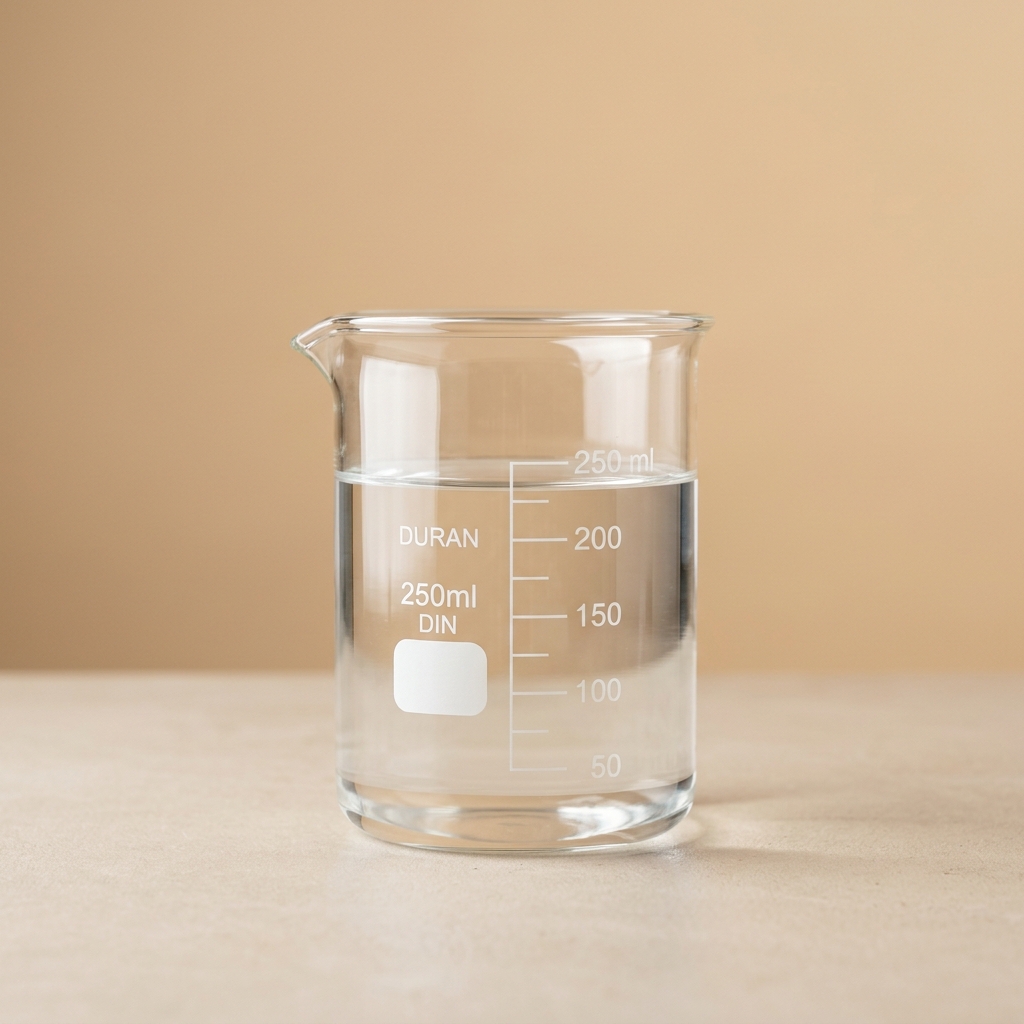
Wash your face normally at the bathroom sink with your cleanser. Before drying, take a small cup with 100ml of drinking water from your kitchen RO purifier (TDS 30–80 PPM) and perform a final rinse.
- Replaces high-calcium water droplets before they evaporate.
- Prevents mineral salt crystallization inside follicular pores.
- Cost: Completely free; takes only 20 seconds.
Before any tap water touches your skin, soak a soft cotton pad with micellar water (powered by Disodium EDTA) and gently sweep across your face.
- Spherical surfactant micelles trap free mineral ions and pollution micro-particles.
- Forms a protective lipid layer that prevents direct borewell water binding.
- Recommended: Bioderma Sensibio H2O or Simple Kind to Skin Micellar.
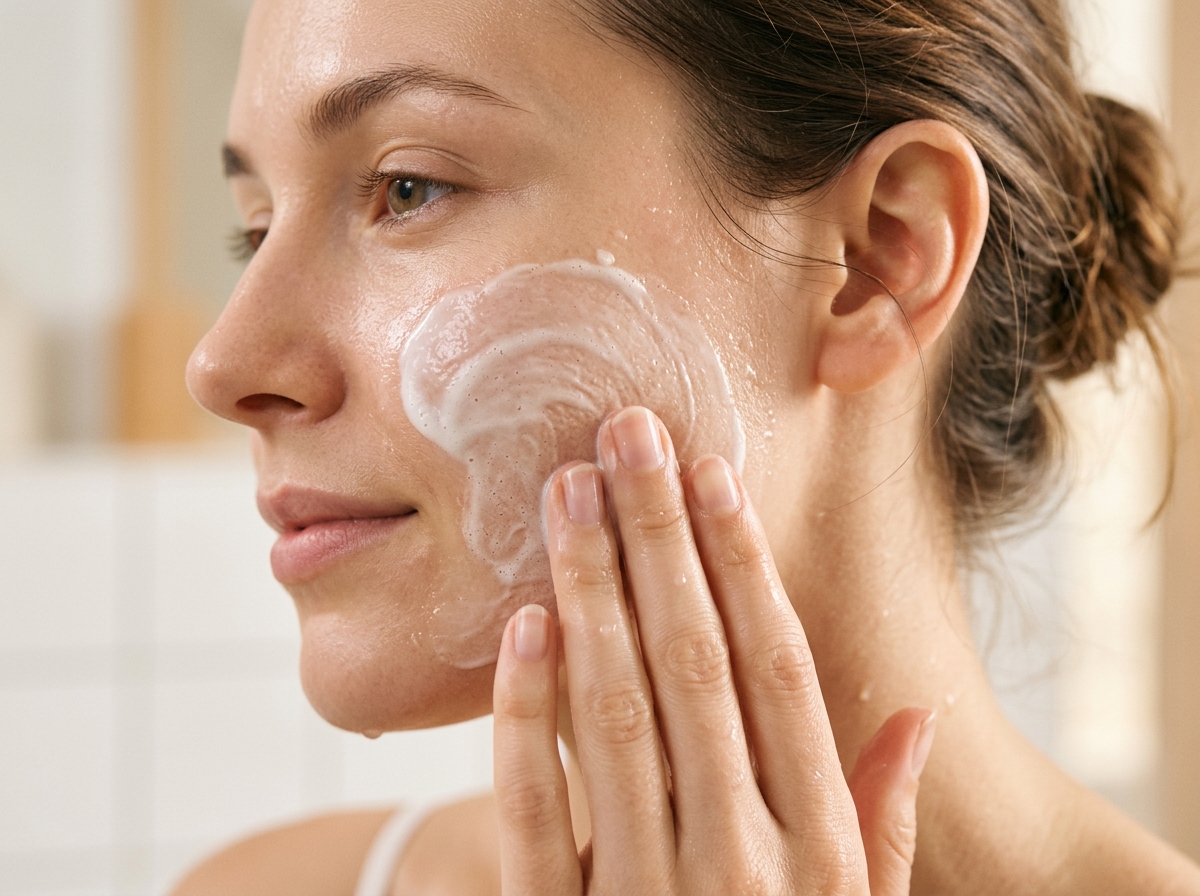
Switch immediately away from traditional alkaline bar soaps and SLS foaming cleansers to non-ionic or amphoteric surfactant washes.
- Look for Coco-Glucoside, Decyl Glucoside, or Sodium Cocoyl Isethionate (SCI).
- Non-ionic cleansers lack carboxylate heads, meaning they cannot react with calcium to form soap scum.
- Recommended: Cetaphil Gentle Cleanser or Minimalist Aquaporin Wash.
Apply a gentle toner formulated with chelating agents (Disodium EDTA, Citric Acid) and Polyhydroxy Acids (PHA / Gluconolactone).
- Chemically sequesters any microscopic residual calcium ions on the skin.
- Instantly resets the alkaline pH 8.5 spike back down to acidic pH 5.0.
- Upregulates endogenous ceramide synthesis enzymes within minutes.
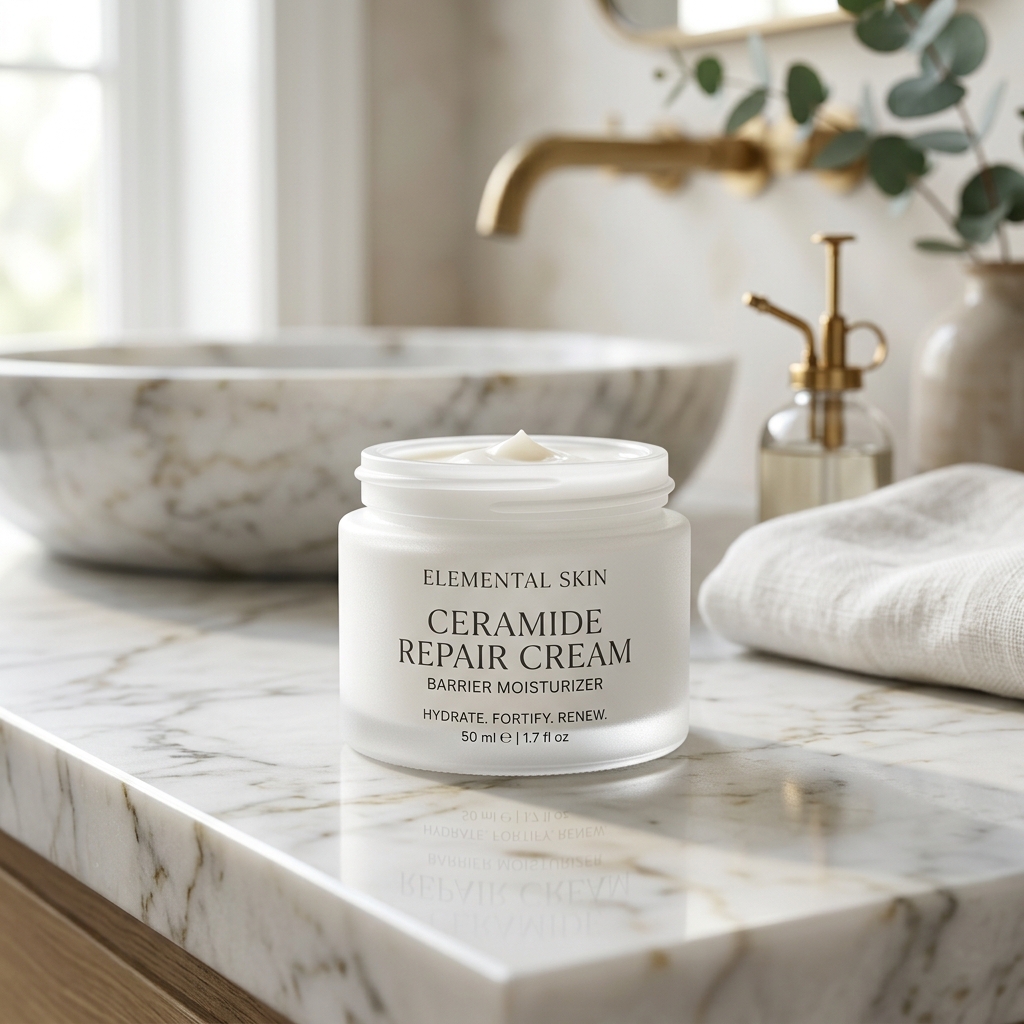
Within 60 seconds of toning—while your face is still slightly damp—apply a physiological ceramide moisturizer (1:3:1 ratio).
- Rebuilds stratum corneum intercellular lipid micro-cracks.
- Locks in hydration before environmental pollution can penetrate.
- Recommended: Minimalist 0.3% Ceramide Cream or Cipla Excela.
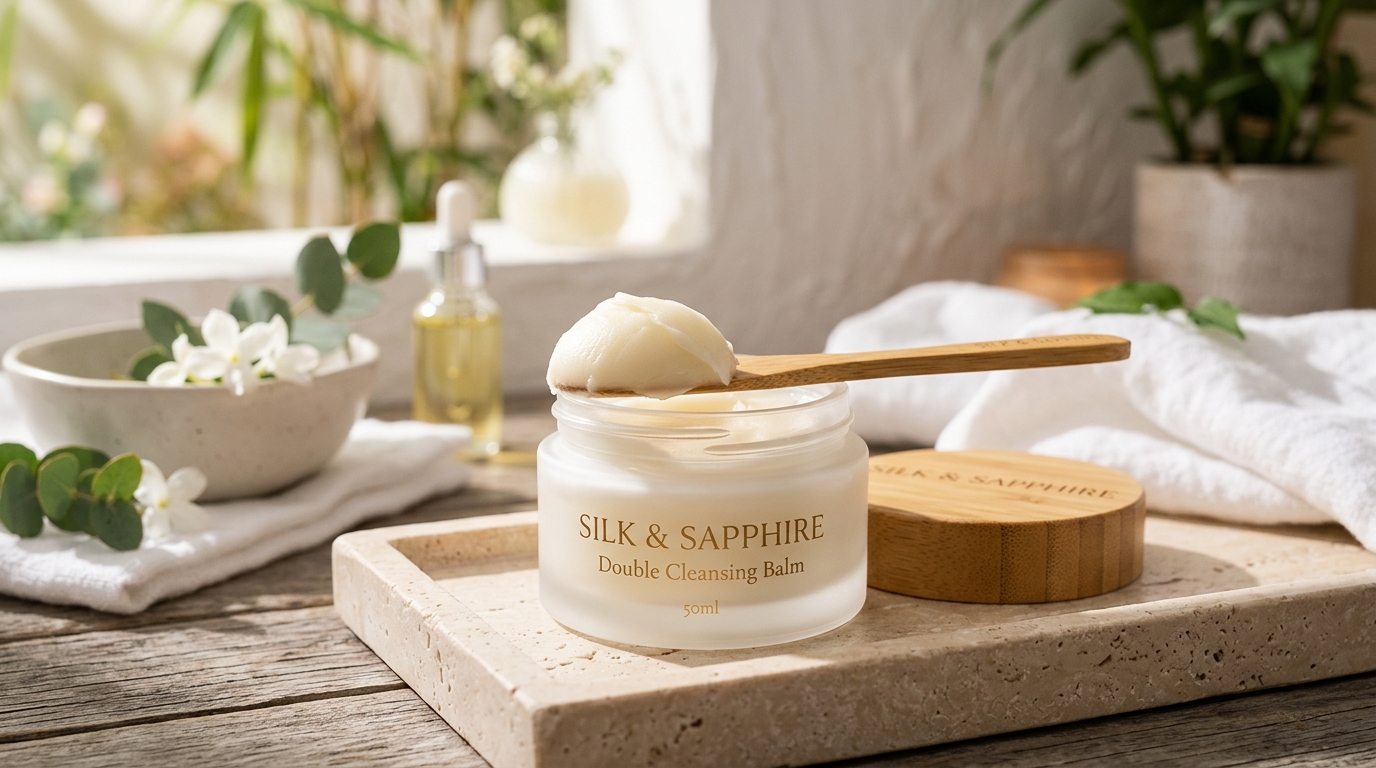
Best Hard-Water Formulations Available in India
Dermatologist-tested products with non-reactive surfactant profiles and chelating agents available in India:
The Truth About Tap & Shower Filters in India
| Filter Type | What It ACTUALLY Removes | Does It Soften Water / Lower TDS? | Dermatologist Verdict |
|---|---|---|---|
| KDF-55 / Carbon Shower Filter (WaterScience / RiverSoft) |
Chlorine, rust, suspended silt, bad odor | ❌ NO (TDS stays same) | Helpful for chlorine reduction, but does not prevent calcium soap scum. Skincare routine adjustment still mandatory. |
| Ion-Exchange Softener Unit (Bathroom Point-of-Entry) |
Exchanges Ca²⁺/Mg²⁺ for Na⁺ ions | ✅ YES (True Water Softening) | True soft water. Completely stops soap scum. Requires regular salt pellet recharging. |
| RO Purifier Tap Water (100ml) (Kitchen Purifier) |
95%+ of all dissolved minerals (TDS < 50) | ✅ YES (Zero Dissolved Solids) | Most cost-effective hack for facial skin. Use for final rinse. |
Hard Water Skin Troubleshooting Matrix
| Symptom Experienced | Root Cause Mechanism | Immediate Dermatological Remedy |
|---|---|---|
| Face feels waxy & tight right after washing | Calcium stearate precipitate crystallized on stratum corneum | Wipe face with micellar water pad; switch to Cetaphil / non-ionic wash. |
| Sudden rash of uniform itchy forehead bumps | Malassezia fungal folliculitis triggered by soap scum occlusion | Wash hairline & forehead with 2% Ketoconazole shampoo twice weekly. |
| Serums and moisturizers balling up / pilling | Mineral film physically repelling water-soluble active formulas | Incorporate a mild PHA / EDTA chelating toner before serums. |
| Persistent redness & stinging on cheekbones | Alkaline pH shift deactivating ceramide-synthesis enzymes | 7-day zero-active ceramide reset; use RO final rinse exclusively. |
Clinical Dermatological Inquiries: High-TDS Water Management
Hard groundwater contains elevated concentrations of divalent calcium and magnesium cations that precipitate fatty acid carboxylates into insoluble calcium stearate soap scum. This hydrophobic residue occludes the follicular infundibulum and shifts cutaneous acid mantle balance from pH 5.0 toward alkaline pH 8.5, accelerating Cutibacterium acnes proliferation.
In skincare formulation chemistry, chelating toners and cleansers prevent mineral ions from bonding to the skin surface, dissolving the insoluble soap scum film so it rinses away cleanly.
Terminal rinse protocols employing demineralized reverse osmosis water dissolve unbound mineral cations prior to stratum corneum crystalline deposition, preventing calcium carbonate crystallization across facial follicles.
Domestic shower filters incorporating kinetic degradation fluxion media adsorb free chlorine and rust particulates, attenuating oxidative barrier damage without altering total dissolved solid metrics or displacing divalent cations.
Introducing topical keratolytics such as micronized adapalene or salicylic acid amidst high-TDS water requires structured barrier stabilization, employing disodium EDTA aqueous solutions and multi-lamellar ceramide emulsions to preserve physiological transepidermal water kinetics.
Cutaneous diagnostic parameters demonstrate that calcium stearate precipitate formation generates persistent epidermal drag, while monomorphic hairline papules indicate Malassezia folliculitis driven by groundwater alkalinity. Crystalline divalent cation residues precipitate serum pilling, whereas acute stinging reflects acid mantle displacement toward pH 8.5.