Skin Barrier Science
Why Acne-Prone Skin Is Starving for Ceramides
Most people believe oily or acne-prone skin never needs moisture. In reality, published dermatological studies reveal that patients with active acne vulgaris have a 30% to 40% natural deficiency in ceramides—specifically Ceramides 1 (EOS) and 3 (NP)—compared to individuals with clear skin.
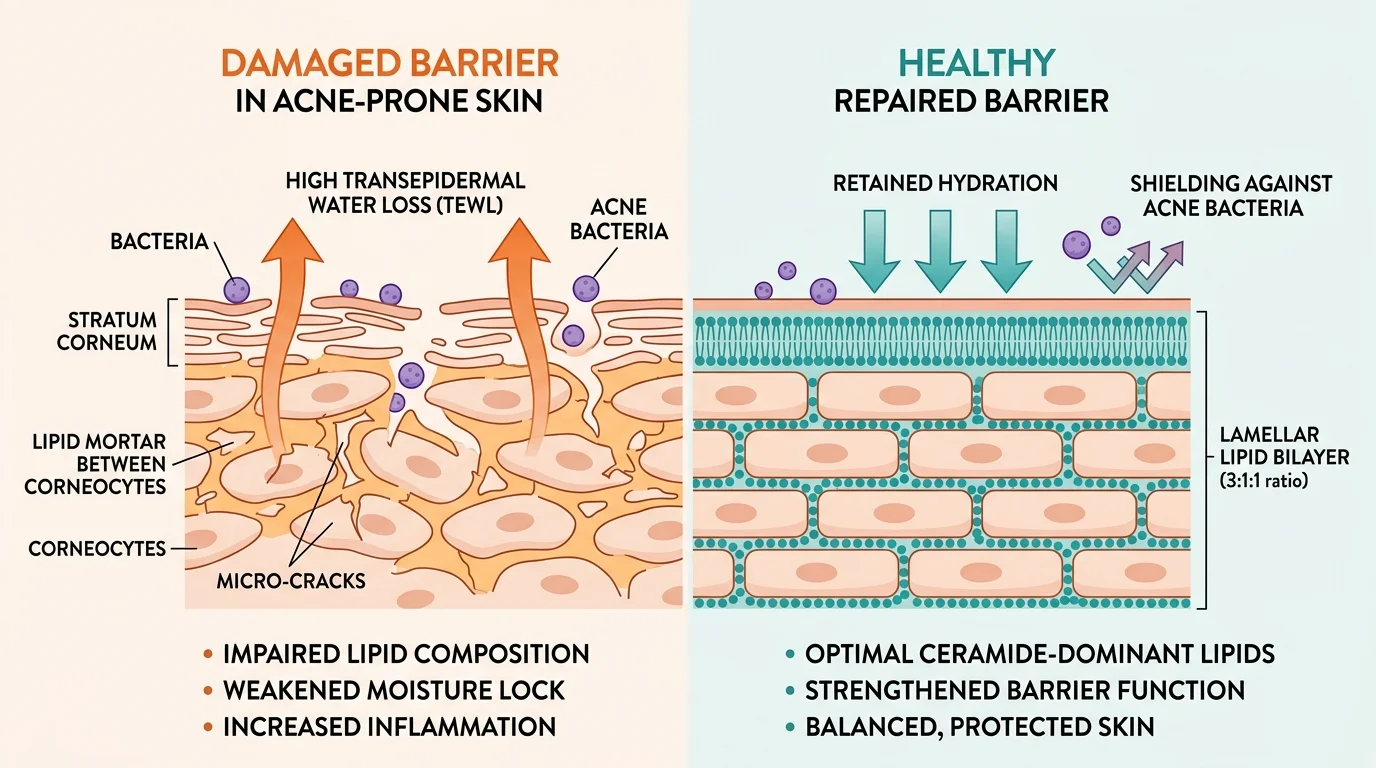
The "Brick and Mortar" Skin Barrier in Simple Terms
Think of your outer skin layer (the stratum corneum) as a sturdy brick wall. Your skin cells are the bricks, and natural lipids (ceramides, cholesterol, and fatty acids) are the mortar holding them tightly together. When your mortar is missing, moisture evaporates into thin air, and bacteria slide right down your hair follicles.
When you combine this natural genetic shortage with aggressive Indian acne routines—such as foaming salicylic acid washes, leave-on benzoyl peroxide gels, and prescription retinoids—the lipid mortar dissolves completely. This triggers a frustrating vicious cycle:
The Dehydrated-Oily Paradox
When your lipid wall breaks down, Transepidermal Water Loss (TEWL) spikes. Your skin perceives this sudden drought as an emergency.
- 💧 Moisture Leaks: Water constantly evaporates, causing stinging and tight skin.
- 🛢️ Panic Oil Production: Oil glands overcompensate by pumping out thick, sticky sebum (squalene).
- 🦠 Pore Clogging: Heavy oxidized sebum mixes with dead flakes, creating closed comedones.
What Physiological Ceramides Fix
Applying the correct lightweight barrier lipids seals micro-fissures and tells your oil glands that the drought is over.
- 🛡️ Hydration Locked: Water loss drops by over 40% within 72 hours.
- ⚖️ Balanced Sebum: Oil glands slow down sebum production once hydration normalizes.
- 🛡️ Retinoid Tolerance: Your skin can comfortably tolerate prescription tretinoin or adapalene.
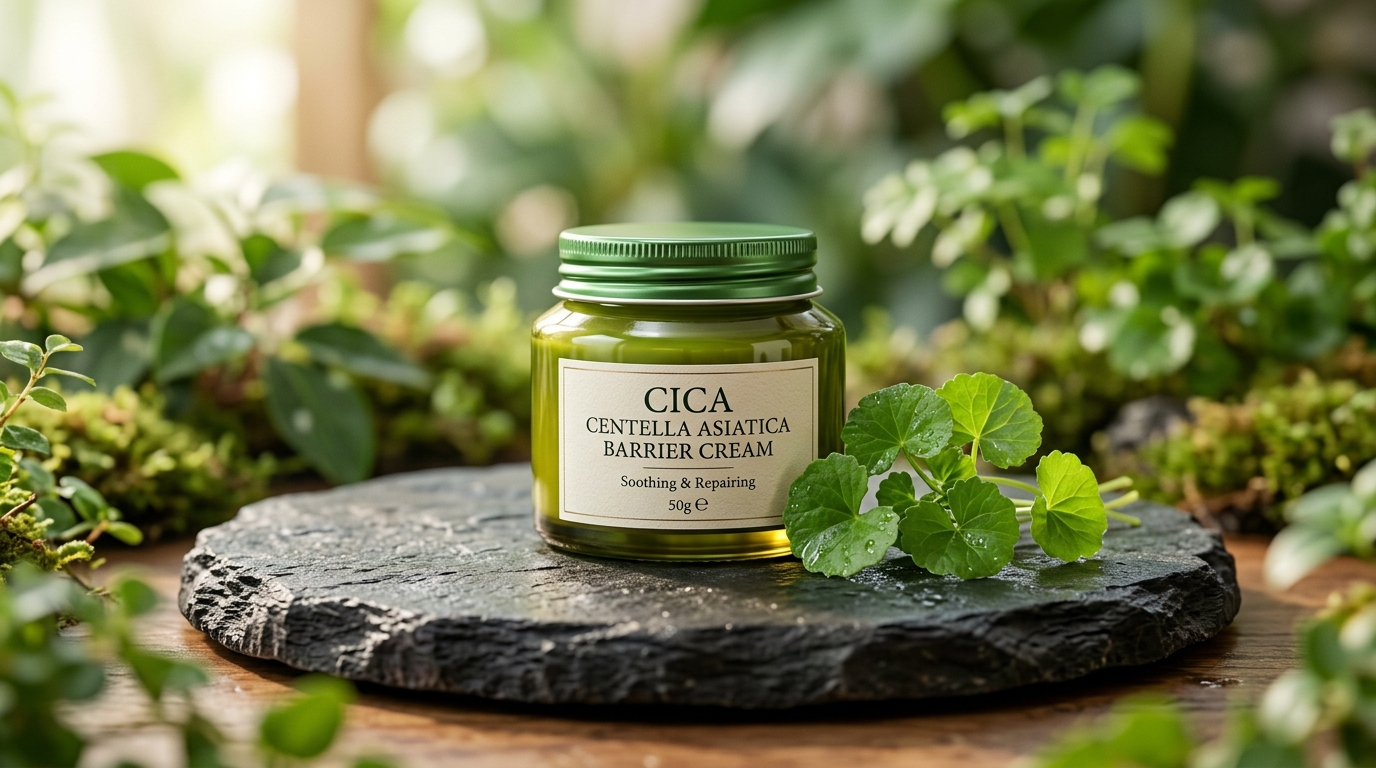
Ceramides vs. Hyaluronic Acid: Hyaluronic acid acts as a water magnet (humectant), while ceramides build the lipid seal that keeps that water from evaporating.
Formulation Rules
The 3:1:1 Ratio: Why Traditional Heavy Creams Clog Acne Pores
When people with acne try to repair their peeling skin, they often make the mistake of buying rich, thick cold creams or heavy tubs designed for severe body eczema. Within 48 hours, their face is covered in closed comedones and tiny whiteheads. Here is why that happens—and what to look for instead.
🚫 Red-Flag Ingredients for Acne-Prone Skin
Always check the ingredient list of barrier creams. Avoid high concentrations of Isopropyl Myristate, Isopropyl Palmitate, heavy Petrolatum (slugging), Coconut Oil, and Cocoa Butter on your face. While excellent for dry body eczema, these ingredients form an airtight seal that suffocates acne-prone pores and breeds anaerobic Cutibacterium acnes bacteria.
The Science of the 3:1:1 Multi-Lamellar Ratio
Pioneering dermatology research led by Dr. Peter Elias demonstrated that your skin barrier cannot regenerate properly if you only apply isolated synthetic ceramides. For true recovery, the lipids must replicate the exact ratio of healthy human epidermis:
- 3 Parts Ceramides (50%): Crucial structural fats (Ceramide NP, AP, and EOP) that knit corneocyte cells together.
- 1 Part Cholesterol (25%): Enhances membrane fluidity, preventing the barrier from becoming stiff or brittle.
- 1 Part Free Fatty Acids (15%): Acidifies the skin mantle to healthy pH 4.5–5.5, keeping acne-causing bacteria from colonizing.
When formulated as a lightweight, multi-lamellar fluid emulsion, this 3:1:1 blend absorbs effortlessly into Indian skin phototypes without leaving a greasy mask or suffocating pores.
Tested & Evaluated
Top 5 Non-Comedogenic Ceramide Moisturizers in India
Our medical review panel evaluated dozens of Indian pharmacy formulations and clinical barrier products based on their lipid profiles, non-comedogenic ester bases, absence of heavy pore-clogging waxes, and suitability for Indian weather conditions.
⭐ Best Overall for Oily & Acne Skin
Top Pharmacy Pick
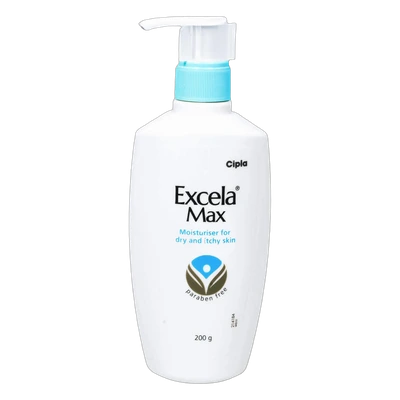
1. Cipla Excela Max Cream
₹480 – ₹540
50g • Cipla Ltd
Texture
Ultra-Light Matte Emulsion
Key Actives
Ceramides + Zinc PCA + Niacinamide
Pore Clogging Risk
🟢 Zero (Non-Comedogenic)
Cipla Excela is the undisputed gold standard prescribed by Indian dermatologists for oily, acne-prone patients undergoing active medical therapy. What makes Excela unique is its multi-action approach: while its bio-identical ceramides rebuild micro-cracks in the skin barrier, Zinc PCA actively downregulates excess sebum production and fights surface bacteria. It also includes Enantia Chlorantha bark extract to tighten visible pore appearance and 4% Niacinamide to soothe redness.
✓ Why It Wins:
- Dries down to an elegant velvety matte finish
- Controls midday T-zone shine with Zinc PCA
- Affordable and readily available in every Indian pharmacy
✗ Keep in Mind:
- Contains a faint clinical scent that dissipates quickly
- Not rich enough for extremely dry, peeling winter patches
⭐ Best for Active Cystic Breakouts
100% Oil-Free Gel
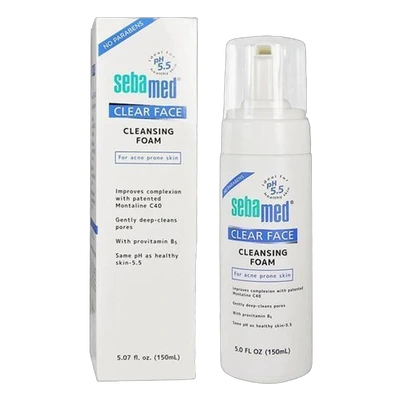
2. Sebamed Clear Face Care Gel
₹450 – ₹480
50ml • Sebapharma Germany / India
Texture
Clear Water-Gel (Zero Greasiness)
Key Actives
Hyaluronic Acid + Panthenol + Aloe Vera
pH Level
Optimal Biological pH 5.5
If your skin is in the middle of an angry flare-up with painful, red cystic bumps and you are terrified that any cream will trigger more breakouts, Sebamed Clear Face Care Gel is your safest harbor. It contains zero oils, zero emulsifiers, and zero fragrance. Instead, it relies on pharmaceutical-grade Panthenol (Pro-Vitamin B5) to accelerate wound healing and pure Hyaluronic Acid to hydrate the epidermis at an exact biological pH of 5.5, which naturally suppresses acne bacteria growth.
✓ Why It Wins:
- Completely oil-free; impossible to clog a pore
- Instant cooling relief on hot, inflamed cystic bumps
- Maintains acid mantle at strict pH 5.5
✗ Keep in Mind:
- Does not contain lipid ceramides (purely water hydration)
- Requires an occlusive buffer if battling severe flaking
⭐ Best Budget Pick for Retinoid Peeling
Colloidal Oat + Ceramides
3. Biosilk Moisturizing Cream
₹390 – ₹470
100g • Plenish Adcock Ingram
Texture
Soothing Lightweight Cream
Key Actives
Ceramides + Colloidal Oatmeal + Sodium PCA
Best For
Burning, Stinging, & Retinoid Peeling
Biosilk is a favorite in Indian government and private dermatology OPDs for patients initiating adapalene, tretinoin, or oral isotretinoin. Formulated with purified ceramides and finely milled Colloidal Oatmeal, Biosilk delivers instant anti-itch (antipruritic) and anti-inflammatory relief. When your face stings even from splashing plain tap water, the oat lipids in Biosilk calm the fire within minutes while restoring the skin's lost fatty acid shield.
✓ Why It Wins:
- Outstanding value (₹390 for a generous 100g tube)
- Stops stinging and peeling from retinoids almost overnight
- Colloidal oat reduces redness and raw sensitivity
✗ Keep in Mind:
- Slightly richer than Excela; best used as a night moisturizer
- May feel slightly heavy in extreme humid monsoon weather
⭐ Best 3:1:1 Physiological Ratio
Modern Gel-Cream
4. The Formula RX Barrier Relief Gel Cream
₹599 – ₹699
50g • The Formula RX India
Texture
Silky Custard-Gel Hybrid
Key Actives
Ceramides NP/AP/EOP + Cholesterol + Oat
Lipid Formula
True 3:1:1 Physiological Balance
The Formula RX Barrier Relief was explicitly created to bridge the gap between heavy clinical ointments and light cosmetic gels. It is one of the few Indian homegrown formulations that rigorously follows the 3:1:1 physiological ratio, combining Ceramides NP, AP, and EOP with bio-identical Cholesterol and Free Fatty Acids. Despite this rich lipid architecture, the texture feels feather-light on the skin, absorbing quickly without clogging pores or leaving an oily film.
✓ Why It Wins:
- Full spectrum of 3 essential ceramides plus cholesterol
- Infused with Niacinamide and soothing Colloidal Oat
- Perfect day and night moisturizer for combination skin
✗ Keep in Mind:
- Priced higher than traditional generic pharmacy tubes
- Mainly available online rather than offline chemist shops
⭐ Best for Over-Exfoliated Barriers
0.3% Active Ceramides
5. Minimalist 0.3% Ceramide Barrier Repair Cream
₹599
50g • Minimalist (Uprising Science)
Texture
Medium Hydrating Cream
Key Actives
0.3% Ceramides + Asiaticoside + Madecassoside
Best For
Over-Exfoliated & Severely Sensitized Skin
If you damaged your skin barrier by overuse of exfoliating chemical peels, 10% niacinamide serums, or excessive salicylic acid, Minimalist's 0.3% Ceramide cream offers concentrated therapeutic repair. It combines five essential ceramides with high-purity Centella Asiatica extracts (Madecassoside and Asiaticoside), which speed up collagen healing and quiet inflamed skin cells. Minimalist offers an oily-skin variant (lighter emulsion) and a dry-skin variant (richer cream).
✓ Why It Wins:
- High active concentration (0.3% pure ceramides)
- Cica actives (Madecassoside) suppress inflammatory cytokines
- Fragrance-free, essential-oil-free, and dye-free
✗ Keep in Mind:
- The dry skin variant is too rich for acne; ensure you pick the Oily/Combination version
- Slightly heavier texture than Cipla Excela
Quick Decision Guide
Ceramide Moisturizer Comparison Matrix
Compare key ingredients, texture, price points, and skin-type recommendations side by side:
| Product Name |
Texture & Vehicle |
Key Barrier Lipids |
Anti-Acne / Sebum Actives |
Best Suited For |
Price (INR) |
| Cipla Excela Max |
Ultra-light matte emulsion |
Ceramides + Fatty Acids |
Zinc PCA + Niacinamide |
Oily, shiny, acne-prone skin |
₹480 – ₹540 (50g) |
| Sebamed Clear Face Gel |
100% oil-free water gel |
Hyaluronic Acid + Panthenol |
pH 5.5 antibacterial mantle |
Active cystic bumps & humid weather |
₹450 – ₹480 (50ml) |
| Biosilk Cream |
Soothing pharmacy cream |
Ceramides + Sodium PCA |
Colloidal Oat (anti-itch) |
Severe retinoid peeling & raw stinging |
₹390 – ₹470 (100g) |
| The Formula RX Relief |
Silky custard-gel hybrid |
3:1:1 Ceramides NP/AP/EOP + Cholesterol |
Niacinamide + Oat extract |
Combination skin & daily maintenance |
₹599 – ₹699 (50g) |
| Minimalist 0.3% Ceramide |
Hydrating light cream |
0.3% 5-Ceramide complex |
Madecassoside & Asiaticoside (Cica) |
Over-exfoliated skin barrier damage |
₹599 (50g) |
Clinical Protocol
The Retinoid Sandwich Protocol: How to Buffer Actives
Starting topical retinoids like Adapalene 0.1% (Adaferin/Deriva-MS) or Tretinoin 0.025% often triggers "retinoid dermatitis"—flaking, peeling, and fiery redness that causes over 60% of beginners to quit. Dermatologists prevent this by using the Sandwich Buffering Method.
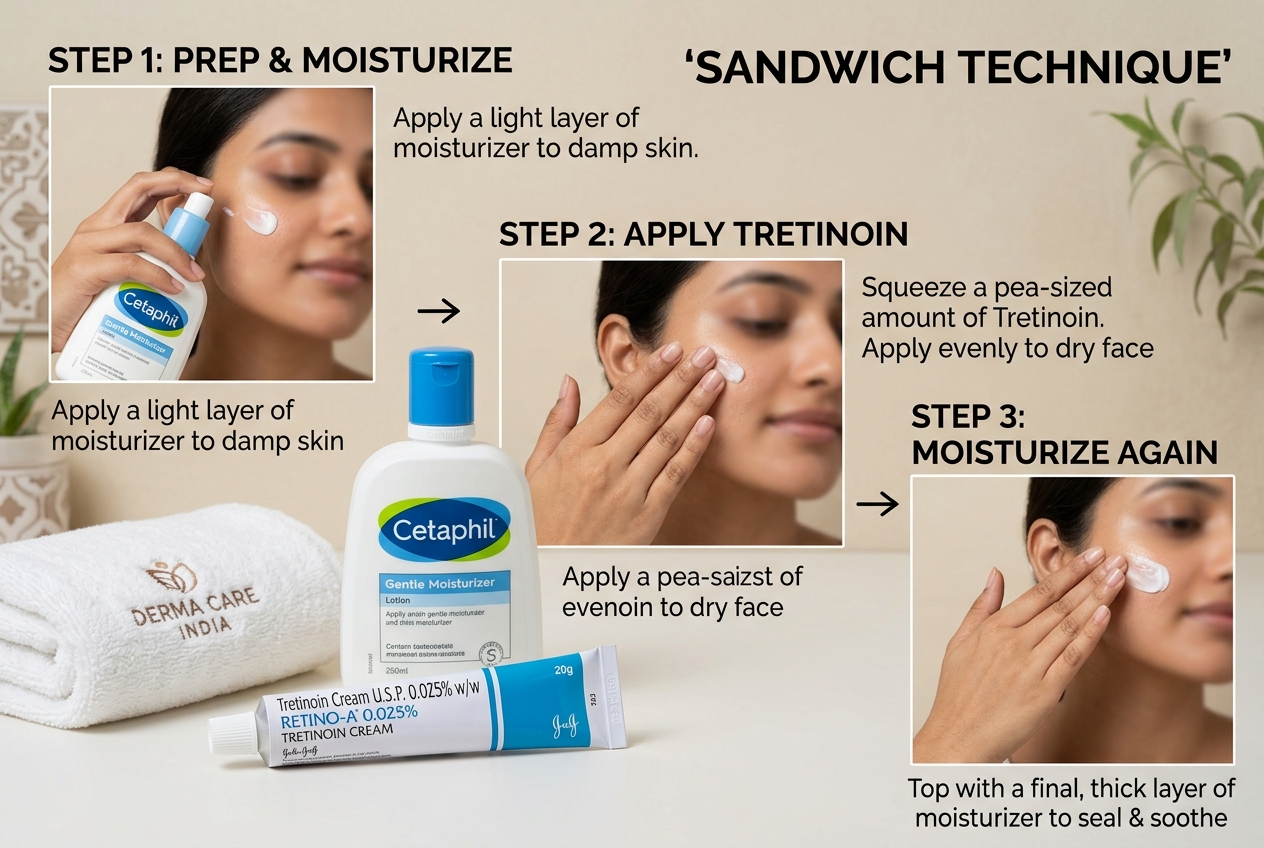
5 Steps to Buffer Retinoids Without Clogging Pores
1
Gentle Soap-Free Cleanse & Complete 10-Minute Dry Down
Wash with a mild foaming gel. Never apply a retinoid to damp skin! Damp skin acts like a sponge, causing the retinoid to absorb too deeply and triggering severe burning. Wait 10 full minutes until skin is bone-dry.
2
Apply a Thin Layer of Ceramide Moisturizer (The Cushion)
Smooth a pea-sized amount of a light ceramide moisturizer (like Cipla Excela or Sebamed Gel) over your entire face. This establishes a microscopic lipid buffer that slows down active absorption.
3
Wait 5 Minutes, Then Apply Pea-Sized Retinoid
Allow the first moisturizer layer to absorb completely. Then dot a single pea-sized amount of Adapalene or Tretinoin across your forehead, cheeks, nose, and chin, smoothing it gently. Avoid eye corners and mouth borders.
4
Add Second Seal Layer (Only If Actively Peeling)
If your skin is adjusting during cold winter months or flaking around the mouth, tap a second light layer of moisturizer on top to finish the sandwich. If skin is oily and well-adjusted, the single buffer in Step 2 is sufficient.
5
Shield With SPF 50+ Sunscreen Every Morning
Retinoids accelerate skin cell turnover, leaving newly exposed skin vulnerable to UV rays. On Indian skin phototypes IV to VI, skipping morning sunscreen will turn peeling skin into stubborn brown dark spots (PIH).
What to Avoid
4 Common Barrier Repair Mistakes That Trigger Breakouts
When treating a compromised barrier, good intentions often lead to clogged pores. Avoid these common pitfalls:
❌ 1. Slugging With Vaseline on Acne Skin
Applying a thick layer of petroleum jelly (slugging) works wonders for dry eczema, but on acne-prone skin in warm Indian weather, it creates an oxygen-free incubator. This traps dead skin cells and allows acne bacteria to multiply rapidly.
❌ 2. Replacing Ceramides With Heavy Plant Oils
Slathering on coconut oil, olive oil, or heavy almond oil does not provide ceramides. Plant oils lack bio-identical ceramides and easily oxidize in the pore, forming hardened blackheads and inflammatory pustules.
❌ 3. Layering 4 Hydrating Serums at Once
Piling on hyaluronic acid serum, snail mucin, essence, and ceramide cream traps excess humectant water on the skin, which can cause folliculitis in humid monsoons. Keep your routine to 3 clean steps: Cleanser, Moisturizer, and Sunscreen.
❌ 4. Quitting Retinoids Completely at the First Flake
Mild flaking in weeks 2 to 4 is normal adaptation. Quitting means your skin will reset, and you'll have to restart the purge from day one later. Instead of quitting, reduce frequency to twice a week and use the sandwich method.
Self-Assessment
Is Your Skin Barrier Damaged or Just Broken Out?
It is easy to mistake a compromised skin barrier for a simple hormonal acne flare-up. Check how many of these 4 classic barrier damage signals you experience:
🚿 The Water Splash Test
Does splashing regular tap water on your face cause a mild stinging or prickling sensation? If yes, micro-fissures in your outer lipid layer are exposing raw nerve endings.
⏱️ The 60-Second Tightness Test
After washing your face with a cleanser, does your skin feel tight, stiff, or shiny like plastic wrap before you apply any skincare? That indicates zero surface moisture retention.
🌡️ Sudden Heat & Sun Flushing
Does your skin turn bright red, hot, or blotchy after mild sun exposure, hot food, or stepping into a warm kitchen? A weakened barrier loses its ability to regulate capillary dilation.
🌵 Sandpaper Texture with Midday Oil
Does your face look rough, dull, or flaky under light, yet feels excessively greasy to the touch by 2 PM? This is textbook dehydrated-oily skin caused by barrier breakdown.
The 14-Day Barrier Reset Protocol
If you answered YES to 2 or more symptoms: Hit pause on all chemical exfoliants (salicylic acid, glycolic peels) and active scrubs for 14 days. Use only a gentle, soap-free cleanser, a non-comedogenic ceramide moisturizer (Cipla Excela or Formula RX), and mineral SPF 50+. Once stinging subsides, slowly reintroduce your acne treatments.
Common Inquiries
Frequently Asked Questions: Ceramide Moisturizers in India
Can ceramide moisturizers cause acne breakouts or clogged pores?
Pure ceramides themselves cannot clog pores because they are skin-identical fats naturally present in your skin. However, heavy creams formulated for dry skin often blend ceramides with pore-clogging ingredients like petrolatum, mineral oil, or coconut oil. For acne-prone skin, choosing an oil-free gel or light non-comedogenic lotion is key.
Why is my acne-prone skin both oily and dry at the same time?
This is known as the 'dehydrated-oily paradox.' When harsh face washes or strong acne creams strip your skin's natural moisture barrier, water evaporates rapidly. In panic, your oil glands pump out extra greasy sebum to stop dehydration, leaving your skin shiny on the surface yet tight, itchy, and irritated underneath.
What is the 3:1:1 physiological ceramide ratio, and why does it matter?
Clinical dermatology research proves your skin barrier repairs fastest when lipids are applied in an exact biological balance: 3 parts ceramides, 1 part cholesterol, and 1 part free fatty acids. Creams with this 3:1:1 ratio knit together like puzzle pieces into your skin's outer layer, repairing damage without leaving a greasy residue.
Is Cipla Excela good for active acne and pimples?
Yes, Cipla Excela is one of the most widely recommended pharmacy moisturizers for acne-prone skin in India. It pairs barrier-restoring ceramides with Zinc PCA (which regulates sebum production) and Niacinamide (which calms inflammation), giving skin a non-greasy, matte finish.
How does the 'sandwich method' stop retinoid peeling without reducing results?
Applying a light ceramide moisturizer before your retinoid (adapalene or tretinoin) creates a temporary lipid buffer in the outer skin layer. Studies show this cuts surface irritation and redness by up to three times while still allowing the retinoid to reach cell receptors and clear acne.
Why does my skin burn or sting when I apply moisturizer?
A burning sensation when applying plain moisturizer is the #1 telltale sign of a broken skin barrier. Over-exfoliation or harsh acne treatments create microscopic cracks in your outer skin layer, exposing sensitive nerve endings. Stick to ultra-gentle, fragrance-free barrier creams until the stinging stops.
Should I use Hyaluronic Acid or Ceramides for acne-prone skin?
You need both for different jobs. Hyaluronic Acid is a water-magnet (humectant) that pulls water into your skin, while Ceramides are the mortar (lipids) that lock that water inside. In India's humid weather, using hyaluronic acid without ceramides can cause water to evaporate, making skin even drier.
Do I still need a ceramide moisturizer during hot and humid Indian summers?
Yes, but you should switch formulas. In sweaty summer or monsoon months, heavy creams can trap sweat and bacteria. Switch to an ultra-lightweight barrier gel (like Sebamed Clear Face Care Gel or Formula RX Barrier Relief) to maintain your lipid shield without any greasy shine.
Analyze Your Skin Barrier & Breakout Pattern
Unsure whether you have hormonal cystic acne, fungal folliculitis, or barrier breakdown dermatitis? Take a 60-second clinical AI scan to get personalized, dermatologist-reviewed ingredient recommendations.
Launch Free AI Skin Scan →