
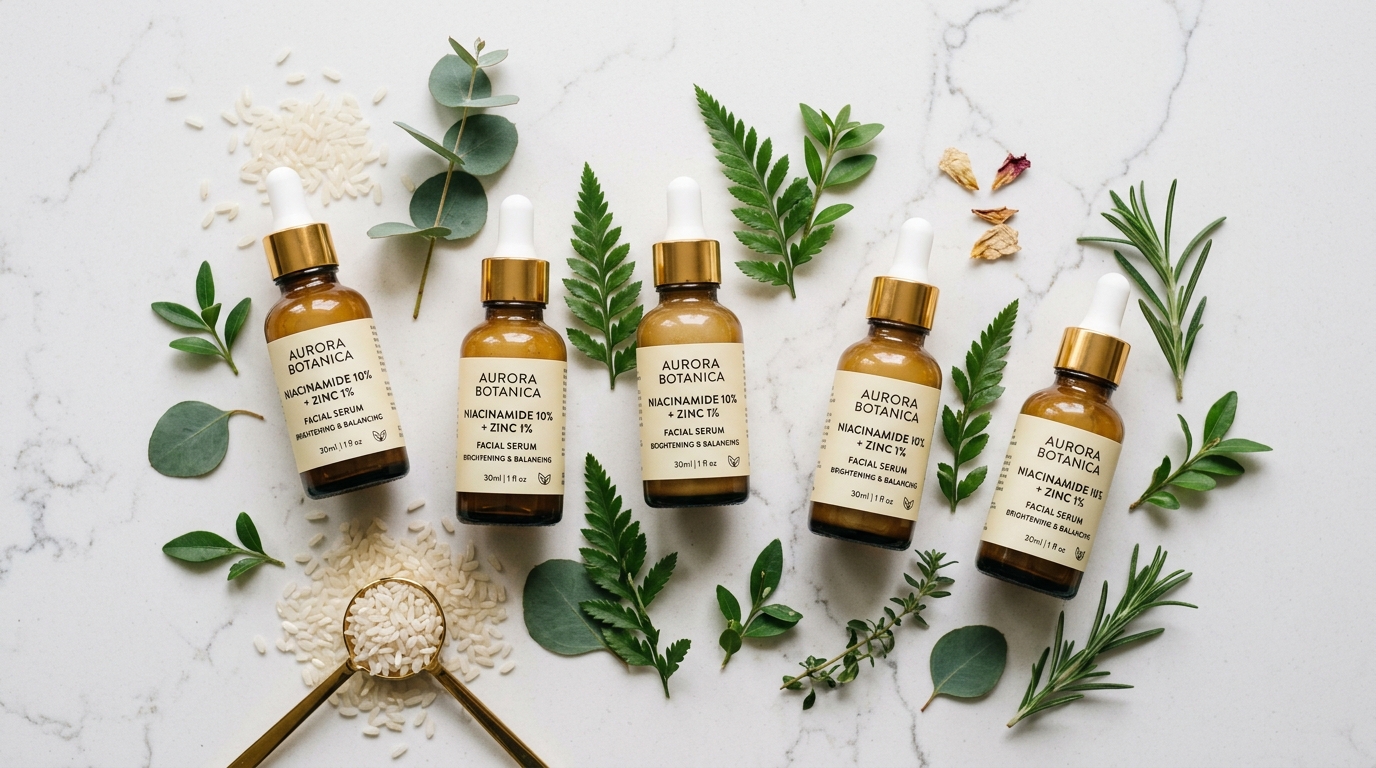
1. Biochemistry of Niacinamide: Sebum Regulation & Melanosome Transfer
Niacinamide, also known as Vitamin B3 or nicotinamide, is a powerhouse, water-soluble vitamin. In the realm of dermatology, it's highly celebrated for its multi-functional benefits, particularly for individuals dealing with excess oil production and enlarged pores.
Its primary mechanism for sebum regulation involves the downregulation of PPAR-gamma, a nuclear receptor involved in sebocyte lipogenesis. By inhibiting this pathway, Niacinamide effectively reduces the overproduction of sebum, leading to a less oily complexion and visibly tighter pores.
Blocking Melanosome Transfer
Beyond sebum control, Niacinamide is a potent skin brightener. It works by blocking the transfer of melanosomes (pigment-carrying organelles) from melanocytes to keratinocytes by an impressive 35-68%.
This mechanism makes it an excellent choice for fading post-inflammatory hyperpigmentation (PIH) and evening out overall skin tone without the irritation associated with harsher skin-lightening agents.
2. 5% vs 10% vs 20% Niacinamide: Clinical Sweet Spot
With Niacinamide serums flooding the US market, finding the right concentration is crucial. Clinical studies demonstrate that the sweet spot for maximum efficacy with minimal irritation lies between 2% to 5%.
⚠️ The 20% Irritation Risk
While many brands promote 10% and even 20% concentrations for faster results, these higher percentages often cross the threshold of diminishing returns.
A 20% Niacinamide serum carries a significantly higher risk of causing the "Niacinamide flush" (redness and heat) or irritant contact dermatitis, especially when formulated with penetration enhancers or applied to compromised skin barriers. For most, 10% is the maximum effective dose before irritation outweighs benefits.
If you are new to Niacinamide or have sensitive skin, start with a 5% formulation. If your skin tolerates it well and you desire more robust sebum control, you can graduate to a 10% serum.
3. Product Comparison Matrix (USA Market)
Compare the top-selling Niacinamide serums available at US retailers like Sephora, Ulta, and direct-to-consumer websites to find your perfect match.
| Serum | Niacinamide % | Added Actives | Texture | Best For | $ Price (USA) |
|---|---|---|---|---|---|
| Paula's Choice 10% Niacinamide Booster | 10% | Vitamin C, Licorice Extract | Water-light liquid | Mixing into moisturizers, PIH | $49.00 |
| The Ordinary Niacinamide 10% + Zinc 1% | 10% | Zinc PCA (1%) | Viscous gel | Severe oil control, budget | $6.00 |
| Glossier Super Pure | 5% | Zinc PCA | Lightweight water-gel | Sensitive skin, daily use | $29.00 |
| Glow Recipe Watermelon Niacinamide Dew Drops | Unknown (Est. 2-5%) | Hyaluronic Acid, Watermelon Extract | Dewy gel-serum | Glass skin finish, dry/combo skin | $35.00 |
| Naturium Niacinamide Serum 12% Plus Zinc 2% | 12% | Zinc PCA (2%) | Silky serum | Acne-prone skin, robust barrier | $16.00 |
| Sunday Riley B3 Nice | 10% | EGCG, Trans-Resveratrol | Milky serum | Redness reduction, anti-aging | $65.00 |
| Dr. Barbara Sturm Better B | Unknown | Marine Plankton Extract, Panthenol | Silky fluid | Luxury skincare, ultimate soothing | $145.00 |
4. Niacinamide + Zinc PCA: The Sebum Control Powerhouse
Many popular formulations, like The Ordinary and Naturium, combine Niacinamide with Zinc PCA. This combination is highly intentional and creates a synergistic powerhouse for acne-prone skin.
Zinc PCA (Pyrrolidone Carboxylic Acid) is a trace mineral that regulates sebum production and has antibacterial properties. While Niacinamide tackles sebum at the cellular lipogenesis level, Zinc PCA works superficially to reduce surface oil and combat acne-causing bacteria. Together, they provide comprehensive oil control and pore-tightening effects.
5. Niacinamide + Retinol / Salicylic Acid Pairing
Niacinamide is renowned for its versatility and generally plays well with other active ingredients. However, proper layering is key to maximizing efficacy and minimizing irritation.
Niacinamide stimulates ceramide synthesis, strengthening the skin barrier. This makes it an ideal precursor to Retinol application, as it mitigates the typical dryness and irritation associated with retinoids.
Salicylic Acid unclogs pores, while Niacinamide regulates the sebum that fills them. This is an excellent combination for treating blackheads and enlarged pores.
6. How to Fix Niacinamide Flush & Irritation
Despite its gentle reputation, Niacinamide can cause irritation, primarily the "Niacin flush," characterized by redness, tingling, and warmth. This typically occurs under two circumstances:
🚨 Preventing the Niacin Flush
1. Low pH Interaction: Formulating Niacinamide at a very low pH (or applying it immediately after strong acids like Glycolic Acid or L-Ascorbic Acid) can cause it to hydrolyze into Nicotinic Acid (Niacin), which triggers the flush. Fix: Wait 15-20 minutes between applying low-pH acids and Niacinamide.
2. Concentration Overload: Using 10%+ concentrations on a compromised skin barrier can lead to irritant contact dermatitis. Fix: Drop down to a 5% serum or mix a drop of your 10% serum into your moisturizer to buffer it.
7. Find Your Ideal Niacinamide Strength
Unsure which concentration is right for your skin type and concerns? Take this quick interactive quiz to find your ideal Niacinamide strength:
Niacinamide Strength Selector
Answer 3 questions to find your optimal serum concentration.
8. Frequently Asked Questions (FAQ)
Expert answers to common questions about Niacinamide serums in the USA: