
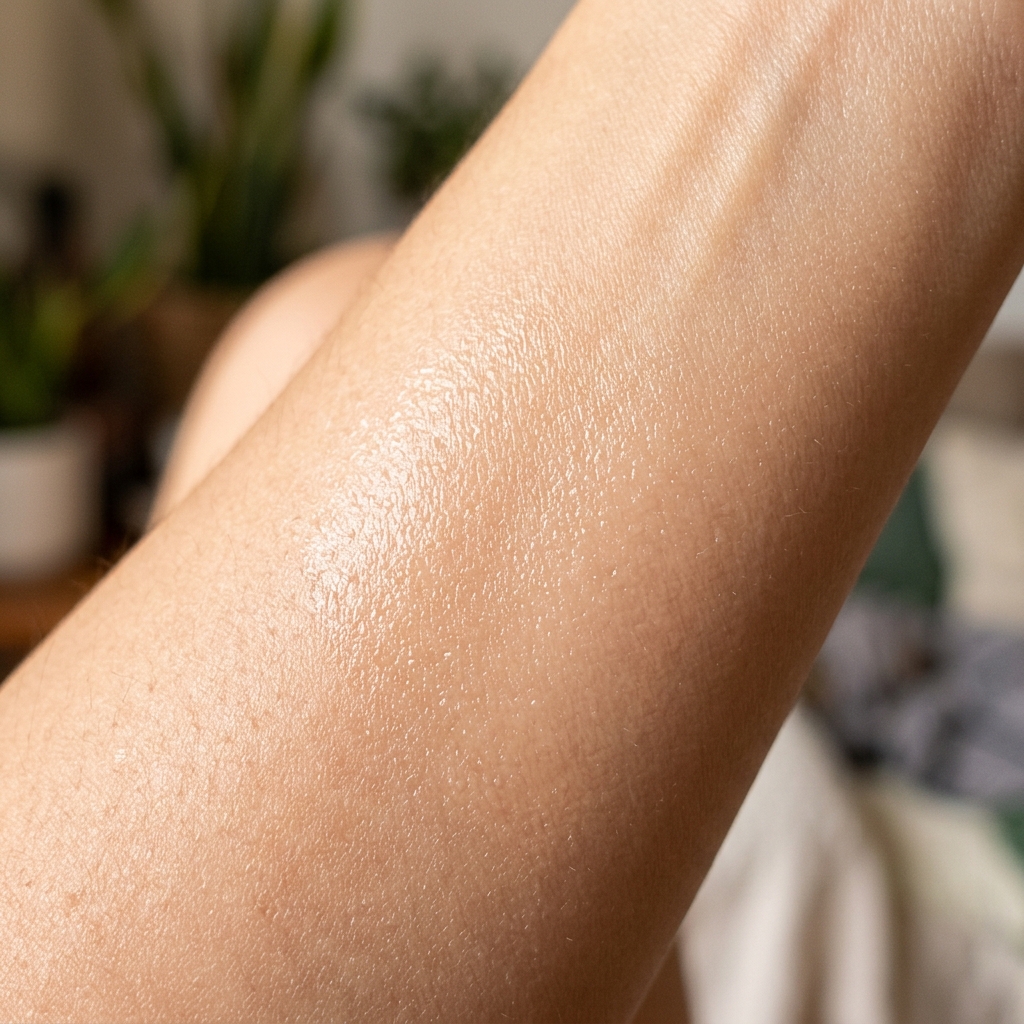
1. The Retinoid Conversion Cascade: Retinyl Palmitate to Retinoic Acid
Vitamin A derivatives are the gold standard in dermatology, but not all over-the-counter (OTC) products are created equal. The effectiveness of a retinoid depends entirely on how closely related it is to pure Retinoic Acid, the active form that your skin cells can actually use.
Before it can bind to cellular receptors, a retinoid must undergo a conversion process in your skin. The conversion cascade looks like this:
The Conversion Steps
Retinyl Palmitate → Retinol → Retinaldehyde → Retinoic Acid
The further away a compound is from Retinoic Acid, the weaker its effects. Retinyl Palmitate is very gentle but requires three conversions, making it extremely weak. Retinol requires two conversions, making it a solid middle-ground. Retinaldehyde requires only one, offering faster results but potentially higher irritation.
However, there's an exception in the OTC market: Adapalene 0.1% (Differin). Unlike traditional retinols, Adapalene is a synthetic retinoid that binds directly to the RAR-beta and RAR-gamma receptors in your skin. No conversion needed. This direct action is what makes Adapalene uniquely powerful for treating comedonal acne and inflammation.
2. Differin (Adapalene 0.1%) vs Encapsulated Retinol: Which to Choose?
If you are standing in a US pharmacy aisle choosing between Differin Gel and an encapsulated retinol serum like CeraVe Resurfacing Retinol, understanding their distinct mechanisms is crucial.
Adapalene is structurally stable, highly lipophilic (oil-loving), and penetrates deep into the pore. It normalizes cell turnover and reduces microcomedone formation. It is specifically FDA-approved for the treatment of acne vulgaris.
Encapsulated retinol (like in CeraVe or RoC) wraps the active ingredient in a lipid shield, delivering it slowly over time. This significantly reduces irritation, making it ideal for targeting fine lines, post-acne marks, and overall texture improvements.
If your primary concern is active, inflammatory acne or deep blackheads, Adapalene is the superior choice. If you want a gentler introduction to retinoids focusing on post-acne marks and preventative aging, start with an Encapsulated Retinol.
3. Product Comparison Matrix (USA Market)
Here is a detailed breakdown of the top OTC retinoid serums available at US retailers (Target, CVS, Ulta, Sephora):
| Retinoid Product | Active Form | Concentration | Irritation Index | Best For | $ Price (USA) |
|---|---|---|---|---|---|
| Differin Adapalene 0.1% Gel | Adapalene | 0.1% | High | Comedonal acne, active breakouts | ~$15 - $18 |
| CeraVe Resurfacing Retinol Serum | Encapsulated Retinol | Undisclosed (~0.3%) | Low | Sensitive skin, post-acne marks | ~$20 |
| RoC Retinol Correxion Deep Wrinkle Serum | Pure Retinol | Undisclosed | Moderate | Fine lines, mature acne-prone skin | ~$25 |
| Paula's Choice 1% Retinol Treatment | Pure Retinol | 1.0% | High | Experienced users, severe texture | ~$62 |
| The Ordinary Retinol 0.5% in Squalane | Pure Retinol in Oil | 0.5% | Moderate | Dry, acne-prone skin on a budget | ~$9 |
| SkinCeuticals Retinol 0.3 | Pure Retinol | 0.3% | Moderate | Medical-grade entry-level routine | ~$78 |
| La Roche-Posay Effaclar Retinol Serum | Retinol + B3 | 0.3% | Low to Moderate | Redness-prone skin, adult acne | ~$45 |
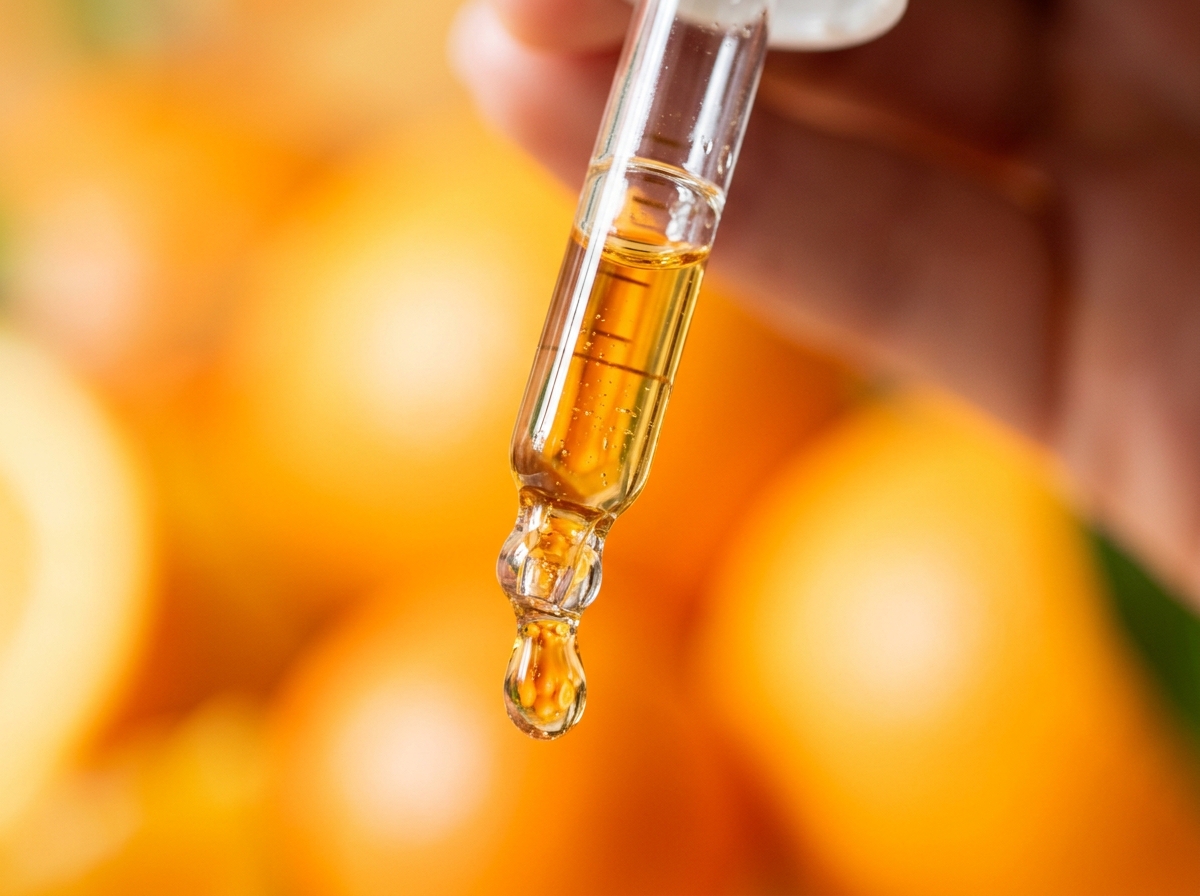
4. The Retinol Sandwich Method: Dampening Dermatitis & Barrier Loss
Retinoid dermatitis—characterized by redness, flaking, and stinging—is the number one reason people abandon their routine. To mitigate this, dermatologists recommend the Sandwich Method.
5. Understanding the Retinoid Purge (Weeks 2-6)
When you introduce a retinoid to your skin, it rapidly accelerates cell turnover. Microcomedones (invisible clogs brewing beneath the surface) are pushed up all at once, leading to a temporary worsening of acne. This is known as the Retinoid Purge.
Purge vs. Reaction
It's a Purge if: Breakouts occur in your usual problem areas. Pimples appear and heal faster than normal. It starts around week 2 and subsides by week 6 to 8.
It's a Reaction if: You are breaking out in entirely new areas. You experience severe hives, intense burning, or prolonged cystic acne beyond 8 weeks. In this case, discontinue use and consult a dermatologist.
6. Retinoid + Sunscreen: Non-Negotiable Morning Defense
Retinoids thin the uppermost layer of dead skin cells (stratum corneum) while thickening the living dermal layers. This exfoliation reveals fresh, delicate skin that is significantly more vulnerable to UV radiation.
Sun Sensitivity Guide
Applying a broad-spectrum sunscreen (SPF 30 or higher) every morning is absolutely mandatory when using any retinoid. Failure to do so can result in severe sunburns, worsened hyperpigmentation, and premature photoaging—undoing all the benefits of your retinoid routine. Opt for US formulations with Zinc Oxide or advanced chemical filters for optimal defense.
7. Interactive 'Find Your Ideal Starter Retinoid' Quiz
Unsure which USA-available retinoid is right for you? Take this quick quiz to get a tailored recommendation.
Retinoid Selector (USA)
Answer 3 questions to find your match.
8. Frequently Asked Questions (FAQ)
Expert answers to the most common retinoid questions in the USA market: