
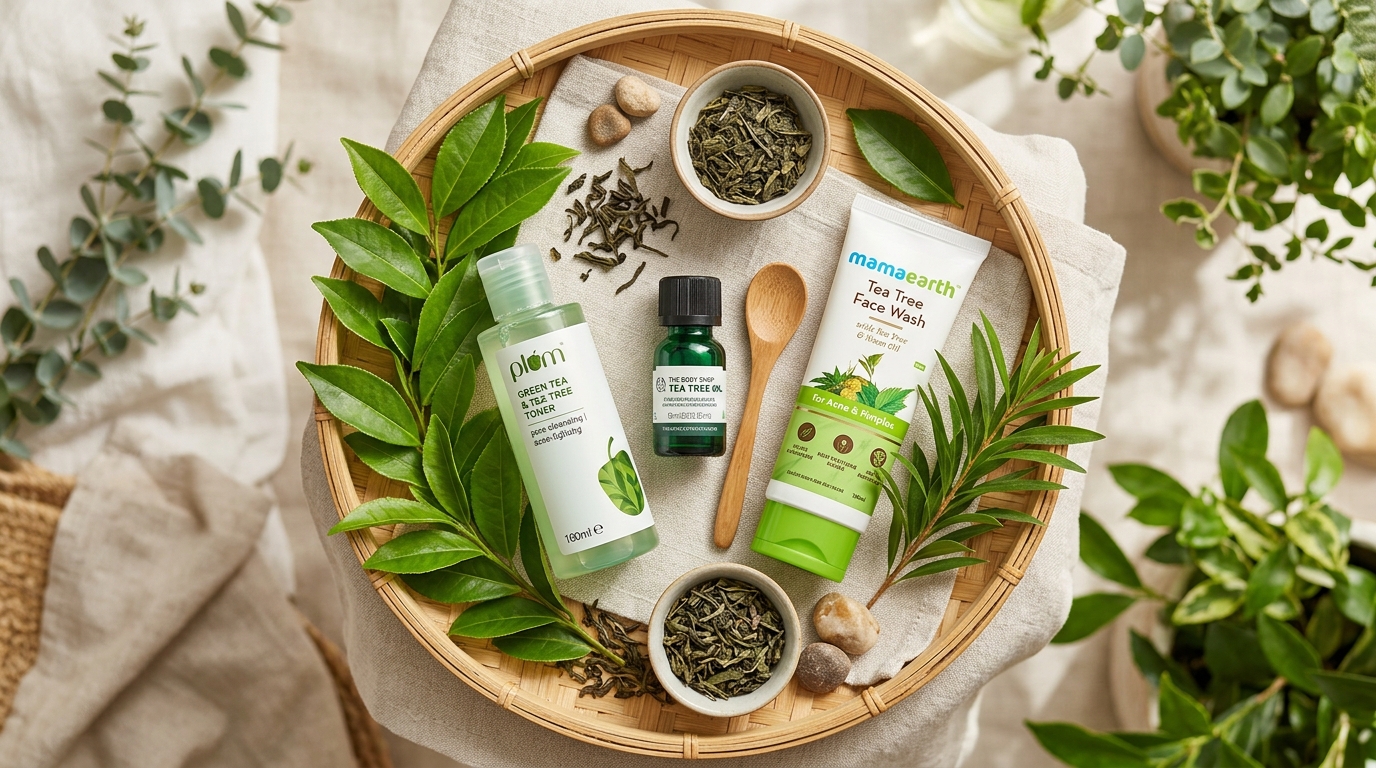
1. The Phytochemistry of Tea Tree Oil: Terpinen-4-ol Science
Tea Tree Oil, extracted from the leaves of Melaleuca alternifolia, is celebrated in dermatology for its profound antimicrobial and anti-inflammatory properties. The primary active constituent responsible for these benefits is Terpinen-4-ol.
Melaleuca alternifolia essential oil contains >30% Terpinen-4-ol, a monoterpene that actively disrupts the bacterial cell membranes of Cutibacterium acnes and Staphylococcus aureus. Furthermore, it downregulates histamine release and pro-inflammatory mediators like TNF-α.
Directly targets and neutralizes acne-causing bacteria without contributing to antibiotic resistance.
Breaks down the lipid bilayer of microbial cells, causing them to lyse and die effectively.
Suppresses TNF-α and other inflammatory cytokines to visibly reduce redness and swelling of pimples.
Acts as an antioxidant to prevent squalene oxidation, a key trigger in comedone formation.
2. 5% Tea Tree Oil vs 5% Benzoyl Peroxide: Landmark Bassett Clinical Trial
In a landmark study by Bassett et al., a head-to-head comparison was made between 5% tea tree oil gel and 5% benzoyl peroxide (BP) lotion in treating mild to moderate acne.
Clinical Results & Tolerability
The study proved that 5% tea tree oil delivers EQUAL lesion reduction to 5% BP after a 3-month period. Crucially, the tea tree oil group experienced significantly fewer side effects such as dryness, stinging, and peeling compared to the BP group.
The Trade-off: Tea tree oil has a slower onset of action. It typically takes about 4 weeks to see significant improvement, whereas benzoyl peroxide often shows results in just 1-2 weeks.
3. Product Comparison Matrix (Indian Market)
Here is a comparative breakdown of the top Tea Tree Oil products available in India, highlighting their formats, concentrations, and pricing.
| Product | Tea Tree % | Format | Best For | Comedogenic Risk | ₹ Price |
|---|---|---|---|---|---|
| The Body Shop Tea Tree Oil | 15% | Targeted Oil | Spot Treatment | Low | ₹695 |
| Plum Green Tea Alcohol-Free Toner | Undisclosed | Liquid Toner | Oily Skin Prep | Zero | ₹390 |
| Mamaearth Tea Tree Face Wash | Undisclosed | Gel Cleanser | Daily Wash | Zero | ₹259 |
| Biotique Bio Tea Tree Spot Gel | Extracts | Gel | Active Papules | Low | ₹199 |
| WOW Skin Science Tea Tree Serum | Undisclosed | Serum | All-over Face | Low | ₹499 |
| Soulflower Pure Tea Tree Essential Oil | 100% | Essential Oil | DIY Dilution | High (if undiluted) | ₹450 |
| Lotus Herbals Tea Tree Wash | Extracts | Face Wash | Oil Control | Zero | ₹195 |
| Minimalist 2% SA + Tea Tree Spot Treatment | Blended | Serum/Gel | Stubborn Acne | Zero | ₹399 |
4. ⚠️ NEVER Apply Undiluted 100% Essential Oil: The Dilution Protocol
While tea tree oil is natural, it is extraordinarily potent. Applying it directly from the bottle is a major mistake many make.
🚨 DANGER: Do Not Use 100% Tea Tree Oil Directly on Skin
Direct 100% tea tree oil causes severe chemical contact dermatitis, skin barrier damage, and intense erythema (redness).
The Golden Dilution Rule:
- ALWAYS dilute to approximately 5% concentration in a carrier oil.
- Use non-comedogenic carrier oils like squalane or jojoba oil.
- Recipe: Mix 3 drops of pure Tea Tree Oil per 1 teaspoon of carrier oil.
- Alternatively, buy pre-formulated OTC products to guarantee safe concentrations.
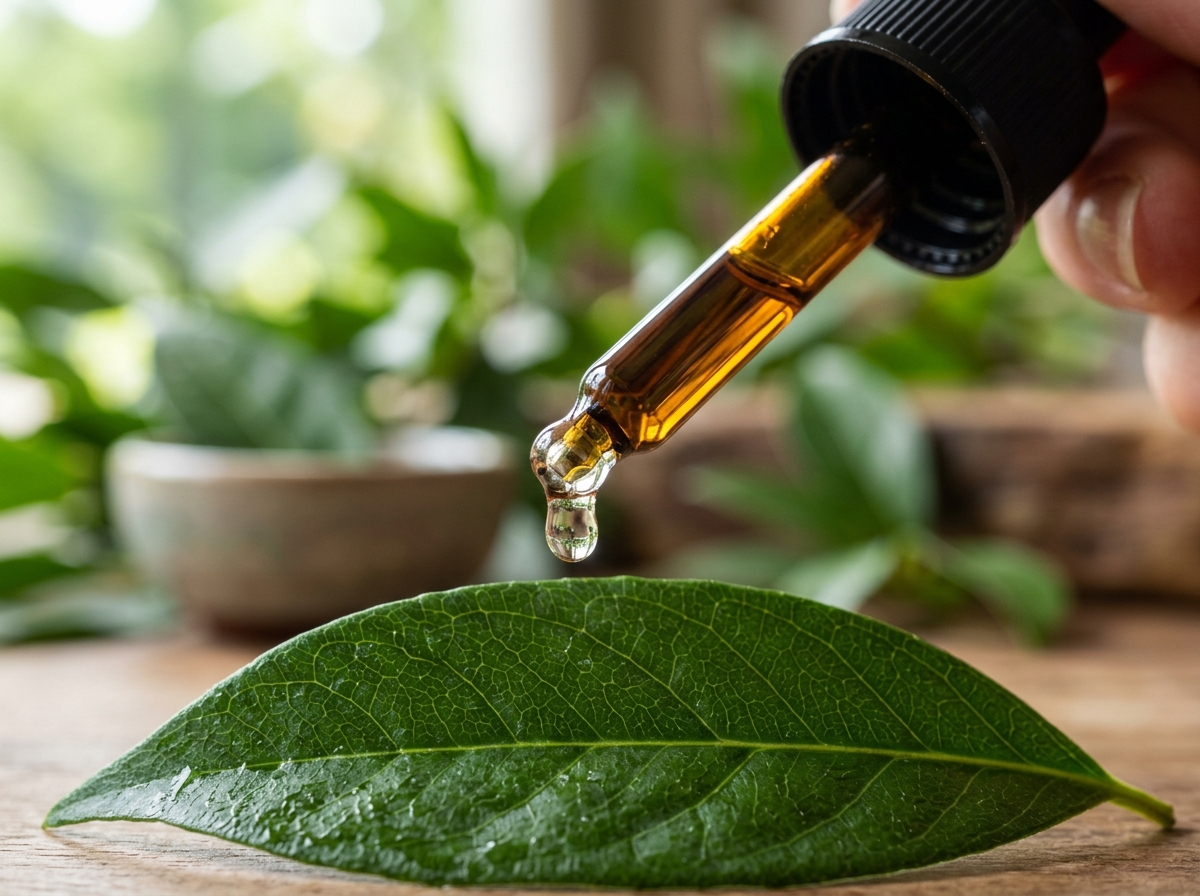
5. How to Spot-Treat Active Inflammatory Pimples with Tea Tree Oil
When dealing with a painful, under-the-skin papule or a whitehead, spot treatment is the most effective approach.
6. Tea Tree Oil + Niacinamide / Salicylic Acid Synergy Routine
For comprehensive acne management, combining tea tree oil with other actives can yield synergistic benefits.
Layering Guidelines
- Morning Routine: Use a Tea Tree Oil infused face wash (like Mamaearth) to control morning sebum. Follow with a 5% Niacinamide serum to strengthen the barrier and reduce inflammation, topped with sunscreen.
- Night Routine: After cleansing, use a 2% Salicylic Acid serum to unclog pores. Wait 15 minutes, then apply a diluted Tea Tree spot treatment directly on active pimples. Finish with a ceramide-rich moisturizer.
- Caution: Do not mix high-concentration pure Tea Tree Oil directly with strong AHA/BHA serums in your palm. Layering formulated products is much safer.
7. Interactive: Is Tea Tree Oil Right for Your Acne Type?
Take this quick 4-question quiz to see if Tea Tree Oil is the optimal ingredient for your specific breakouts.
Tea Tree Oil Suitability Quiz
Answer 4 questions to evaluate your skin compatibility.
8. Frequently Asked Questions (FAQ)
Expert answers to the most common questions regarding Tea Tree Oil for acne: