

1. The Science of Mineral vs Chemical Sunscreens for Active Acne
Physical blockers, particularly Zinc Oxide and Titanium Dioxide, work by sitting on the skin's surface to reflect and scatter UV radiation. Unlike organic chemical filters (such as avobenzone and oxybenzone) which absorb UV rays and convert them into heat energy, mineral sunscreens do not heat the epidermal tissue.
This temperature difference is critical for active acne. Excess heat from chemical sunscreens can trigger flushing, increased sebum production, and inflammatory acne flares in sensitive or rosacea-prone Fitzpatrick III-V skin.
Zinc Oxide is Anti-Inflammatory
Beyond photoprotection, Zinc Oxide is mildly astringent and inherently anti-inflammatory. It helps soothe red, angry papules while regulating sebum production, making it an excellent dual-purpose filter for photoprotection and acne management.
2. Zero White Cast Mineral Sunscreen Formulations for Brown Indian Skin
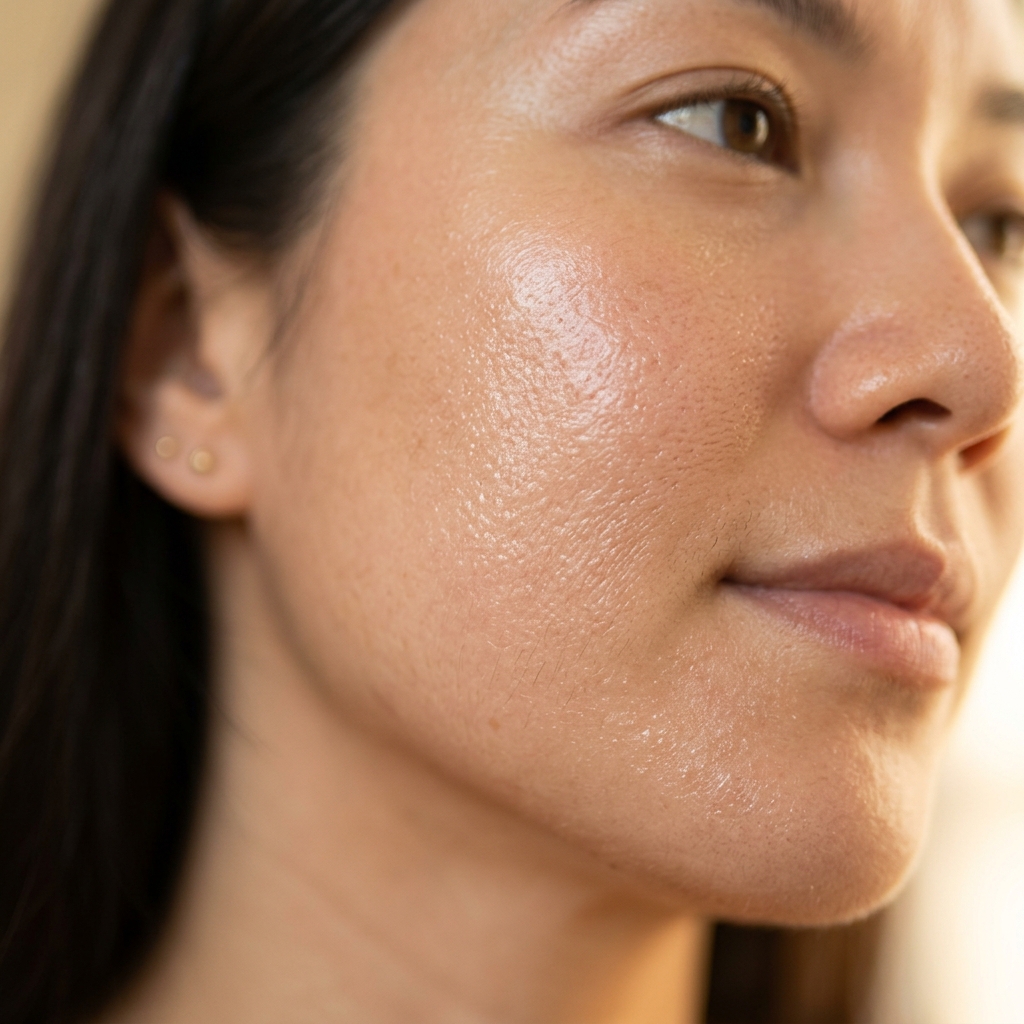
The historical drawback of mineral sunscreens has been the chalky "ashy" white cast they leave on brown skin. However, modern pharmaceutical and cosmetic formulations have solved this issue using advanced technology specifically tailored for Indian skin tones.
Formulators now use micronized non-nano zinc oxide particle technology, silica dry-touch spheres, and subtle iron oxide tinting to prevent chalky ashiness on brown skin tones.
3. Product Comparison Matrix: Best Zinc Oxide SPFs
We've evaluated the most popular mineral and hybrid zinc-based sunscreens available in India for their acne safety, finish, and suitability for Fitzpatrick III-V skin.
| Sunscreen | Filter Type | Zinc Oxide % | White Cast Index | Finish | ₹ Price |
|---|---|---|---|---|---|
| Re'equil Ultra Matte Dry Touch Gel SPF 50 | Hybrid (Zinc + Chemical) | Contains Zinc Oxide | Minimal to None | Powder Matte | ₹695 |
| Re'equil Sheer Zinc Tinted Mineral SPF 50 | 100% Mineral | 25% Zinc Oxide | None (Tinted) | Soft Matte | ₹895 |
| Minimalist Light Fluid SPF 50 | Hybrid | Contains Zinc Oxide | None | Dewy/Natural | ₹499 |
| Neutrogena Sheer Zinc Dry Touch SPF 50 | 100% Mineral | 21.6% Zinc Oxide | High (Requires rubbing) | Dry Touch Matte | ₹850 |
| DermDoc 100% Mineral Sunscreen | 100% Mineral | Contains Zinc & TiO2 | Moderate | Matte | ₹350 |
| Fixderma Shadow SPF 50 Gel | Hybrid | Contains Zinc Oxide | Minimal | Lightweight Gel | ₹450 |
| Photostable Gold Matte Gel | Hybrid | Contains Zinc Oxide | None | Silicone Matte | ₹650 |
| Dr. Sheth's Ceramide & Vitamin C Mineral Sunscreen | 100% Mineral | 25% Zinc Oxide | Minimal | Hydrating | ₹699 |
4. Comedogenic Sunscreen Fillers to Avoid for Acne-Prone Skin
While zinc oxide itself is non-comedogenic, the vehicle (the cream or lotion base) holding the UV filters can often be the culprit behind clogged pores. Always check the ingredient list for hidden comedogenic fillers.
🚨 AVOID: Octyl Palmitate & Isopropyl Myristate
These fatty acid esters give sunscreens a smooth, spreadable feel but are highly comedogenic and notorious for causing closed comedones and whiteheads on acne-prone skin.
🚨 AVOID: Heavy Coconut Derivatives & Beeswax
Ingredients like coconut oil, cocos nucifera, and beeswax create a heavy occlusive barrier that traps sweat and sebum in the pores, leading to immediate inflammatory breakouts.
5. How to Reapply Mineral Sunscreen Over Makeup & Oily T-Zones
Dermatologists recommend reapplying sunscreen every 2 to 3 hours, but spreading thick mineral creams over makeup or an oily face is impractical and can lead to pilling.
Instead, use powder sunscreens, mineral SPF mists, or SPF compacts. Powder sunscreens containing zinc oxide are excellent for absorbing excess sebum throughout the day while topping up your photoprotection without disturbing your makeup base.
6. The Nightly Double Cleanse Protocol to Remove Mineral SPF
Because physical filters like Zinc Oxide adhere tightly to the skin to provide a protective shield and are often water-resistant, a standard face wash will leave behind a micro-layer of zinc particles mixed with daily sebum. This residual mix will absolutely clog your pores overnight.
The Double Cleanse Rule
- Step 1: Use a micellar water (for oily skin) or a cleansing balm (for drier skin) to break down and melt the water-resistant mineral SPF layer.
- Step 2: Follow up immediately with a gentle BHA (Salicylic Acid) wash to deep-clean the follicular lining and remove any trapped remnants.
7. Interactive 'Find Your Ideal Acne-Safe Sunscreen' Quiz
Not sure which mineral sunscreen matches your skin profile? Take this quick quiz to discover your perfect match.
Find Your Ideal Acne-Safe Sunscreen
Answer 3 questions to get your personalized SPF recommendation.
Re'equil Sheer Zinc Tinted Mineral SPF 50
Perfect for your needs! It offers 100% mineral protection with zero white cast and a soft matte finish.
Confirm with AI Skin Scan →