Skin Health Guide · Indian Skin · 2026

Skin Discoloration on Face: Why Patches Form & How to Even Your Tone

Noticing shadowy skin around your lips, brown patches across your cheekbones, or random pale spots on your forehead? In Indian skin, uneven facial color is one of the most common reasons people visit a skin clinic. Here is what dermatologist Dr. Lipy Mehta looks for, why our melanin reacts so fast, and what genuinely restores an even complexion.

Get Your Free Skin Analysis → 3-minute AI photo check · 100% confidential
What you will discover in this guide
  • ✓ 5 common patterns of facial discoloration seen across India
  • ✓ Why the skin around your mouth turns darker (and how to fix it)
  • ✓ The link between vegetarian diets, low Vitamin B12, and facial marks
  • ✓ Ingredients that truly fade pigment: kojic acid, alpha arbutin & azelaic acid
  • ✓ Why steroid fairness creams cause dangerous rebound darkening
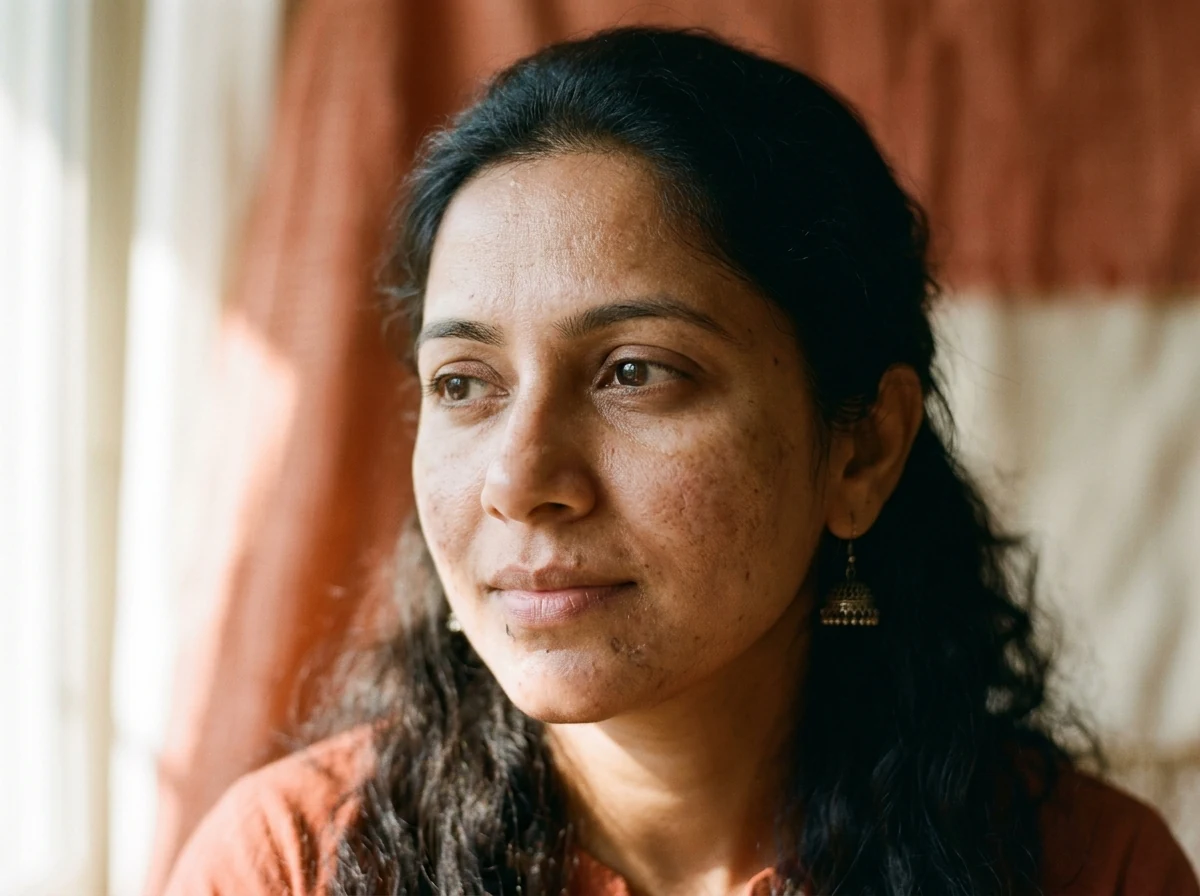
Indian woman with mild skin discoloration and uneven tone on face in natural light
500+ Monthly searches for face discoloration
8–12 Wks Realistic timeframe to see tone evening out

5 Common Patterns of Skin Discoloration on Face in India

If you examine your face under clean bathroom lighting, you might notice that your cheeks, forehead, and jawline do not all share the exact same shade. Discoloration on face is simply an umbrella term for any area where pigment is distributed unevenly — whether darker (hyperpigmentation) or lighter (hypopigmentation) than your natural baseline.

In South Asian skin, our pigment factories (melanocytes) are naturally active. Even mild friction, heat, or hormonal shifts prompt them to dump excess pigment into surrounding tissue. Here are the five patterns dermatologists encounter most often:

🟫
Pattern 1 · Hormonal & UV
Melasma (Cheek & Forehead Patches)
Symmetrical brown or slate-grey patches that sit across the cheekbones, bridge of the nose, and forehead. Often triggered by pregnancy, birth control pills, or sun exposure.
Needs Dermatologist Care
👄
Pattern 2 · Regional Shadow
Perioral Darkness (Around the Mouth)
A shadowy ring around the lips, corners of the mouth, and chin. Arises from repetitive friction, lip licking, foaming toothpaste irritation, and sun exposure.
Very Common in India
🟤
Pattern 3 · Post-Breakout
Acne Marks (Post-Inflammatory PIH)
Individual dark spots left behind where a pimple or bug bite healed. Highly responsive to gentle daily actives and strict morning sun protection.
Clears With Consistency
⚪
Pattern 4 · Dry Skin
Pityriasis Alba (Pale Dry Patches)
Faint white or light patches with mild flaking, often seen in children and young adults. Usually a sign of dry eczema shedding unevenly after sun exposure.
Improves With Moisturizer
🧣
Pattern 5 · Metabolic
Acanthosis Nigricans (Velvety Darkening)
Thickened, velvety dark bands along the jawline, sides of the neck, and temples. Strongly tied to insulin resistance, elevated blood sugar, or PCOD.
Requires Internal Check
8–12 Wks Average timeline to notice real fading of superficial skin discoloration
70%+ Of chronic melasma cases in India improve with diligent broad-spectrum sunscreen
SPF 50 Daily sun defense is the foundation of any tone-correcting routine

Why Does Indian Skin Develop Facial Discoloration So Easily?

If you have ever wondered why fair European skin turns red and recovers, while South Asian skin turns dark and stays patchy for months, the difference lies in our melanocyte biology and local environment.

☀️
Intense Tropical Ultraviolet & Visible Blue Light
India receives high UV radiation year-round. What is less known is that research shows that melanin-rich skin also responds to high-energy visible (HEV) light — including harsh indoor office lighting and computer screens — by producing pigment that darkens existing patches.
🥗
Vitamin B12 & Iron Deficiencies in Vegetarian Diets
Over 60% of urban Indians have sub-optimal Vitamin B12 levels. B12 deficiency disrupts normal melanin synthesis, frequently manifesting as shadowy hyperpigmentation around the mouth, cheeks, and fingers that resolves only when internal levels are corrected.
🧬
Higher Baseline Melanin (Fitzpatrick Skin Types IV–VI)
Our melanocytes contain larger, more densely dispersed melanosomes. While this provides natural defense against skin cancers, it means any localized friction, irritation, or scratch leaves behind long-lasting pigment deposits.
⚖️
Hormonal Fluctuations, PCOS & Pregnancy
Surges in estrogen and progesterone sensitize melanocytes to sunlight. This is why melasma frequently flares up during pregnancy (often called chhai in Hindi) or in women managing polycystic ovarian syndrome.
🍋
Friction, Scrubbing & Harsh Home Remedies
Applying raw lemon juice, raw garlic, or rubbing the face with coarse besan scrubs causes microscopic tears. Citrus oils contain psoralens that react with sunlight to produce severe chemical burns and stubborn brown marks.
🧪
Cosmetic Contact Dermatitis & Hair Dye Irritation
Allergic reactions to paraphenylenediamine (PPD) in dark hair dyes or fragrances in facial creams often produce a slate-grey or muddy discoloration known as Riehl's melanosis.
Crucial Warning: Steroid Fairness Creams

Creams containing clobetasol, betamethasone, or mometasone (sold under names like Betnovate, Panderm, or SkinLite) are frequently abused as quick-fix fairness creams. They thin the epidermis, dilate blood vessels, and trigger severe rebound pigmentation that takes years to correct under medical supervision.

Darkness Around the Mouth: Why It Happens & How to Treat It

A dark shadow around the mouth (perioral hyperpigmentation) is one of the single most frequent complaints in South Asian dermatology clinics. Many people assume they are not washing properly and scrub the area harder — which only makes it darker.

Perioral Breakdown

Understanding the Shadow Around Your Lips

The skin surrounding your lips is thinner, moves constantly throughout the day, and has fewer oil glands than your T-zone. This makes it especially vulnerable to barrier breakdown and friction-induced pigmentation.

Toothpaste Foam Irritation
Sodium Lauryl Sulfate (SLS) and strong mint flavorings in standard toothpastes dribble onto the chin, causing silent low-grade irritant dermatitis that darkens the skin over months.
Lip Licking Habit
Saliva contains digestive enzymes (amylase) that erode delicate facial skin. As moisture evaporates, the area becomes chronically parched, prompting protective melanin production.
Upper Lip Waxing or Threading
Repeated hair removal pulls off surface epidermal cells along with hair. If you step outdoors without sunscreen immediately afterward, the traumatized skin darkens quickly.
Natural Anatomical Shadow
In many South Asian facial structures, the philtrum and mouth corners naturally sit in a hollow. Mild lighting cast creates an optical shadow that looks darker than it truly is.
How to Fix Perioral Darkness

1. Switch to an SLS-free toothpaste. Wash your chin with plain water after brushing.
2. Stop scrubbing your mouth area. Treat it like eye skin.
3. Use a 10% Azelaic Acid or 2% Alpha Arbutin serum at night, followed by a thick ceramide balm. Always apply SPF 50 around the mouth every morning.

Ingredients That Safely Lighten Skin Discoloration

You do not need harsh bleaches to restore an even skin tone. Modern dermatological topicals focus on inhibiting tyrosinase — the enzyme responsible for making pigment — while keeping your moisture barrier calm and healthy.

Alpha Arbutin (2%) Top Choice

A safe derivative of hydroquinone extracted from bearberry leaves. It gently blocks melanin production without destroying pigment cells, making it safe for long-term daily use on brown marks.

Ideal for: Sun spots, post-acne dark marks, uneven cheek tone

Azelaic Acid (10% to 15%) Dual-Action

Naturally derived from wheat and barley. It selectively targets hyperactive melanocytes while leaving normal pigment cells alone, making it one of the safest options for Indian skin tones.

Ideal for: Melasma patches, perioral darkness, redness

Kojic Acid (1% to 2%) Mushroom Active

Produced during the fermentation of rice wine. It chelates copper atoms within tyrosinase enzymes, slowing pigment synthesis and brightening stubborn discoloration.

Ideal for: Stubborn melasma, sun tanning, older brown spots

Niacinamide (3% to 5%) Barrier Defender

Vitamin B3 stops pigment packets from traveling into surrounding surface skin cells. It also boosts ceramide production to prevent barrier irritation from other treatment actives.

Ideal for: Daily morning maintenance, barrier repair, dull skin

Tranexamic Acid (3% to 5%) Melasma Gold-Standard

Originally a medical coagulant, dermatologists discovered it calms the inflammatory signals between blood vessels and pigment cells, making it effective for persistent melasma.

Ideal for: Resistant cheek patches, hormonal pigmentation

Broad-Spectrum SPF 50 (PA++++) Non-Negotiable

The foundation that prevents ultraviolet and visible light from reactivating pigment cells. Without daily sunscreen, even the most expensive prescription topicals will fail.

Ideal for: Everyone dealing with facial skin discoloration

A Simple Daily Routine to Even Out Skin Discoloration on Face

A dependable routine focuses on protecting your skin from daylight in the morning and gently interrupting pigment pathways at night. Here is a realistic plan designed for Indian weather conditions:

☀️ Morning Routine (Shield & Brighten)

1
Hydrating Gentle Cleanser
Wash with lukewarm water and a low-foaming, sulfate-free cleanser. Pat dry gently with a clean towel — avoid vigorous rubbing.
2
Antioxidant Defense (Vitamin C or Niacinamide 5%)
Apply 3 to 4 drops across your entire face to neutralize free radicals from urban pollution and brighten superficial tone variations.
3
Lightweight Moisturizer
Smooth a light, non-comedogenic lotion or gel containing hyaluronic acid or glycerin to keep your epidermal barrier hydrated and calm.
4
Broad-Spectrum Sunscreen (SPF 50, PA++++)
Apply two finger-lengths generously across the face, neck, and mouth area. Reapply before heading outdoors for an afternoon commute.
Tip: A tinted sunscreen with iron oxides offers extra protection against visible light

🌙 Evening Routine (Correct & Repair)

1
Thorough Cleansing
Remove sunscreen, makeup, and city grime using micellar water or a gentle cleansing balm, followed by your regular gentle face wash.
2
Pigment Treatment Active (Alpha Arbutin or Azelaic Acid)
Apply a small pea-sized amount over areas showing discoloration (cheeks, forehead, chin). Let it absorb for two minutes before layering cream.
Use 3 to 4 nights a week to begin, then build up to every evening
3
Barrier-Restoring Night Cream
Finish with a nourishing ceramide cream to lock in moisture and support the skin's natural nocturnal cell turnover process.
DERMATOLOGIST EXPLAINER

Watch: Treating Facial Pigmentation, Melasma & Tanning

Learn how dermatologists diagnose different depths of facial discoloration and choose the right clinical treatments for South Asian skin tones.

What Pattern of Skin Discoloration Are You Seeing?

Select your pattern below to receive tailored, doctor-approved guidance for your skin type.

🟫
Brown Patches on Both Cheeks
Broad, symmetrical patches across the cheekbones, bridge of the nose, or forehead that look darker in summer.
👄
Dark Ring Around the Mouth
A darker shadow encircling the lips and chin area, often aggravated by toothpaste foam or lip dryness.
🟤
Individual Dark Pimple Marks
Scattered flat brown spots remaining after breakouts have cleared up across the cheeks or jawline.
⚪
Faint White or Pale Dry Patches
Dry, slightly scaly light patches that appear paler than the surrounding tanned facial skin.
Recommended Action Plan →

Frequently Asked Questions About Facial Discoloration

Facial skin discoloration in India is mainly triggered by strong year-round sun exposure, which activates our melanin-rich cells. Other major drivers include hormonal shifts from PCOS or pregnancy (causing melasma), post-acne inflammation, vitamin B12 deficiency common in vegetarian diets, insulin resistance, and harsh home remedies like raw lemon or scrubbing.
Darkness around the mouth, known as perioral hyperpigmentation, is very common in South Asian skin. It occurs due to natural friction from talking and eating, lip licking habits, harsh foaming toothpastes containing sodium lauryl sulfate (SLS), and concentrated sun exposure. Gentle barrier repair and mild actives like azelaic acid help lighten this area.
Post-acne marks and sun tanning can clear up completely with regular skincare and sun protection. Chronic conditions like hormonal melasma can be faded by 70% to 90%, but require ongoing maintenance and daily SPF 50 sunscreen to stop dark patches from returning in the summer.
Light or pale patches on cheeks and jawlines in young people are frequently pityriasis alba — a mild form of dry skin eczema where dehydrated skin sheds unevenly and looks lighter than surrounding tanned skin. Regular moisturizing usually clears it. If patches turn chalk-white with zero pigment, consult a dermatologist to check for vitiligo.
Yes. Vitamin B12 deficiency is widespread among Indian vegetarians and can directly trigger patchy skin darkening, especially around the knuckles, mouth, and cheeks. A simple serum B12 blood test will show if low levels are driving your pigment changes.
Topical ingredients with strong clinical evidence for Indian skin include kojic acid (1–2%), alpha arbutin (2%), azelaic acid (10%), niacinamide (5%), and tranexamic acid (3–5%). Pair them with daily broad-spectrum sunscreen so ultraviolet light does not reactivate pigment production.
Never use over-the-counter steroid creams (such as Betnovate, Panderm, or Dermovate) for facial discoloration. While they temporarily reduce redness, long-term use thins facial skin, causes broken red veins, triggers steroid acne, and creates severe rebound pigmentation that is much harder to treat.