How to Treat Acne Papules: Clearing Red, Tender Bumps Before They Become Cysts
You wake up, touch your cheek or forehead, and feel a sore, tender bump. It is bright red, slightly swollen, and has no visible head. Squeezing it right now is the fastest way to turn it into a deep, painful cyst. Here is the doctor-backed protocol to flatten it fast.
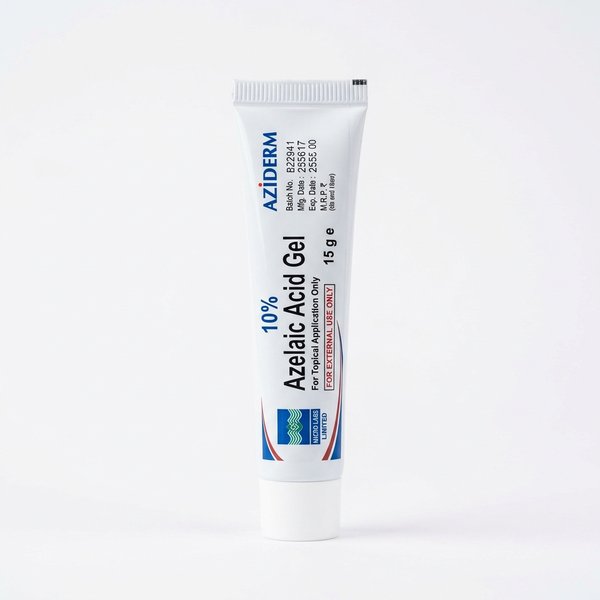
An acne papule is a tender, inflamed red bump with no pus head. Squeezing it forces trapped bacteria sideways through the follicle wall, triggering a deep cystic nodule. To clear it in 48 hours, apply 2.5% Benzoyl Peroxide for 15 minutes (short-contact rinse) followed by 10% Azelaic Acid to soothe redness and stop post-acne dark marks.
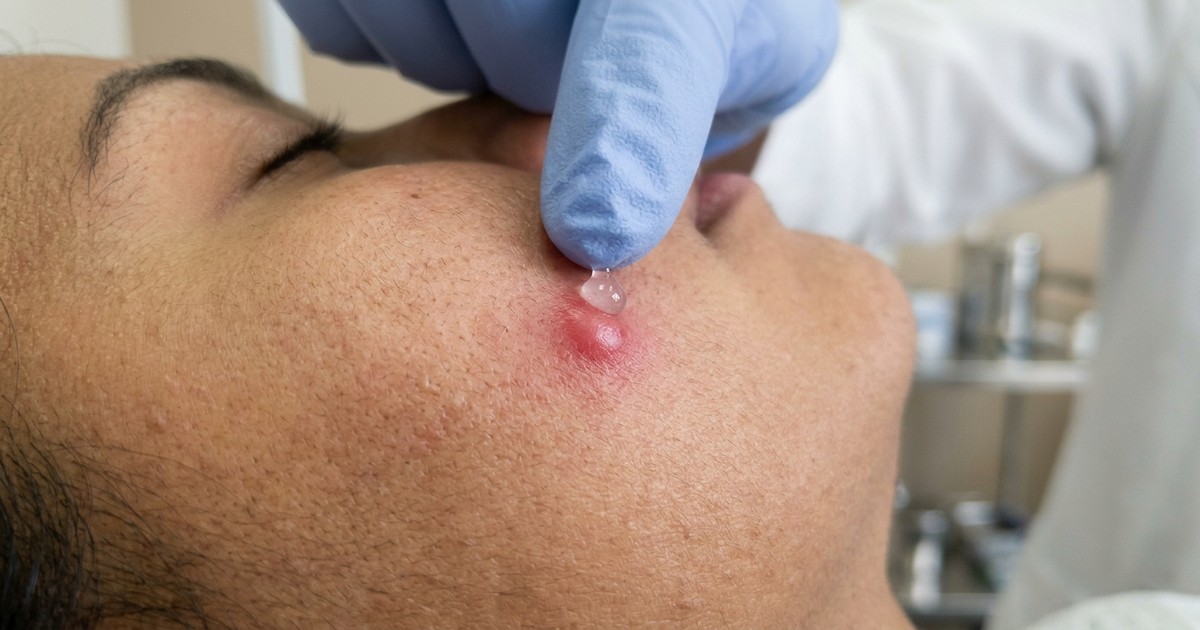
What Exactly Is an Acne Papule? (And Why Does It Hurt?)
Every pimple begins quietly beneath the surface as a clogged pore. Dead skin cells mix with sticky sebum oil, forming a tiny plug called a microcomedo. When this plug stays open to the air, it turns dark and becomes a blackhead. When it stays trapped under a thin layer of skin, it looks like a tiny white bump called a whitehead.
Neither blackheads nor whiteheads hurt when you touch them. So why does an acne papule throb?
The answer is oxygen deprivation. Inside the plugged pore, oxygen disappears. This creates an ideal breeding ground for Cutibacterium acnes, the bacteria naturally living in human skin follicles. As the bacterial colony multiplies, your immune system sounds the alarm.
White blood cells rush to the site through dilated capillaries. Blood vessels expand, fluid accumulates, and local nerve endings are compressed. That pressure creates the warm, tender sensation you feel when your finger touches the bump.
The Visual Diagnostic: Papule vs. Pustule vs. Nodule
Knowing what type of bump sits on your face dictates what product to use. Using the wrong active ingredient on the wrong lesion makes redness worse.
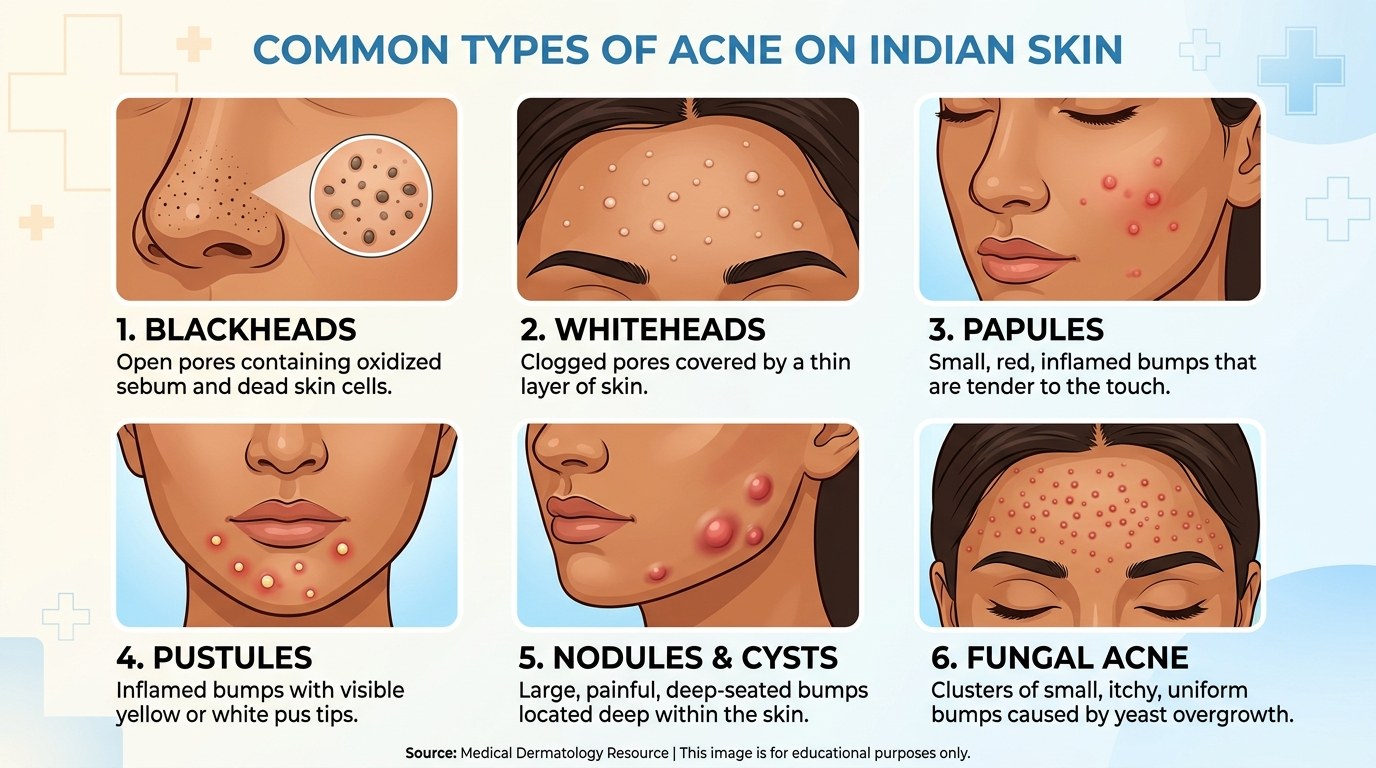
| Acne Lesion | Visual Appearance | Has a Head? | Pain Level | Popping Safety | Best Active Ingredient |
|---|---|---|---|---|---|
| Closed Comedo Whitehead |
Small flesh-colored or white dot | Closed surface | Zero pain | Do not squeeze | Salicylic Acid (BHA), Retinoids |
| Inflammatory Papule Current Stage |
Bright pink or red solid dome (<5 mm) | NO pus head | Tender and sore | Extreme danger: Never squeeze | 2.5% Benzoyl Peroxide, 10% Azelaic Acid |
| Pustule Ripe Pimple |
Red base with visible white/yellow center | Yes (liquid center) | Mildly tender | Hydrocolloid patch only | Hydrocolloid patch, Sulfur, BPO |
| Cyst / Nodule Severe Acne |
Large, deep, hard lump under skin (>5 mm) | No surface head | Throbbing, severe | Cannot be popped | Oral medication, Cortisone injection |
The Balloon in the Wall: Why Squeezing a Papule Creates a Cyst
When you stand in front of the mirror looking at a swollen red bump, human instinct screams: “Pinch it until it pops!”
Doing that to a papule triggers an anatomical disaster. To see why, picture a water balloon stuffed inside a fragile drywall cavity:
Because there is no open pore channel, your fingernails cannot pull anything outward. Instead, your lateral squeezing pressure pushes downward and sideways. The fragile lining of the hair follicle tears open deep inside the dermis[4].
When that wall ruptures, concentrated bacteria, oxidized oil, and dead skin cells spill into sterile dermal tissue. Your immune system treats this as a medical emergency, walling off the disaster with dense inflammatory tissue.
In less than 10 seconds of mirror squeezing, you turn a small 3-day surface papule into a painful, fluctuating cystic crater that takes over a month to heal and leaves permanent textural scarring.
- Ruptured follicular basement membrane
- Deep cystic nodule formation
- Severe Post-Inflammatory Hyperpigmentation (PIH)
- Permanent icepick or boxcar scar crater
- Follicular wall remains completely intact
- Bacteria neutralized without skin tears
- Swelling flattens smoothly within 48 to 72 hours
- Zero pitted scarring or long-term indentation
The 48-Hour Emergency Protocol: How to Calm the Bump Fast
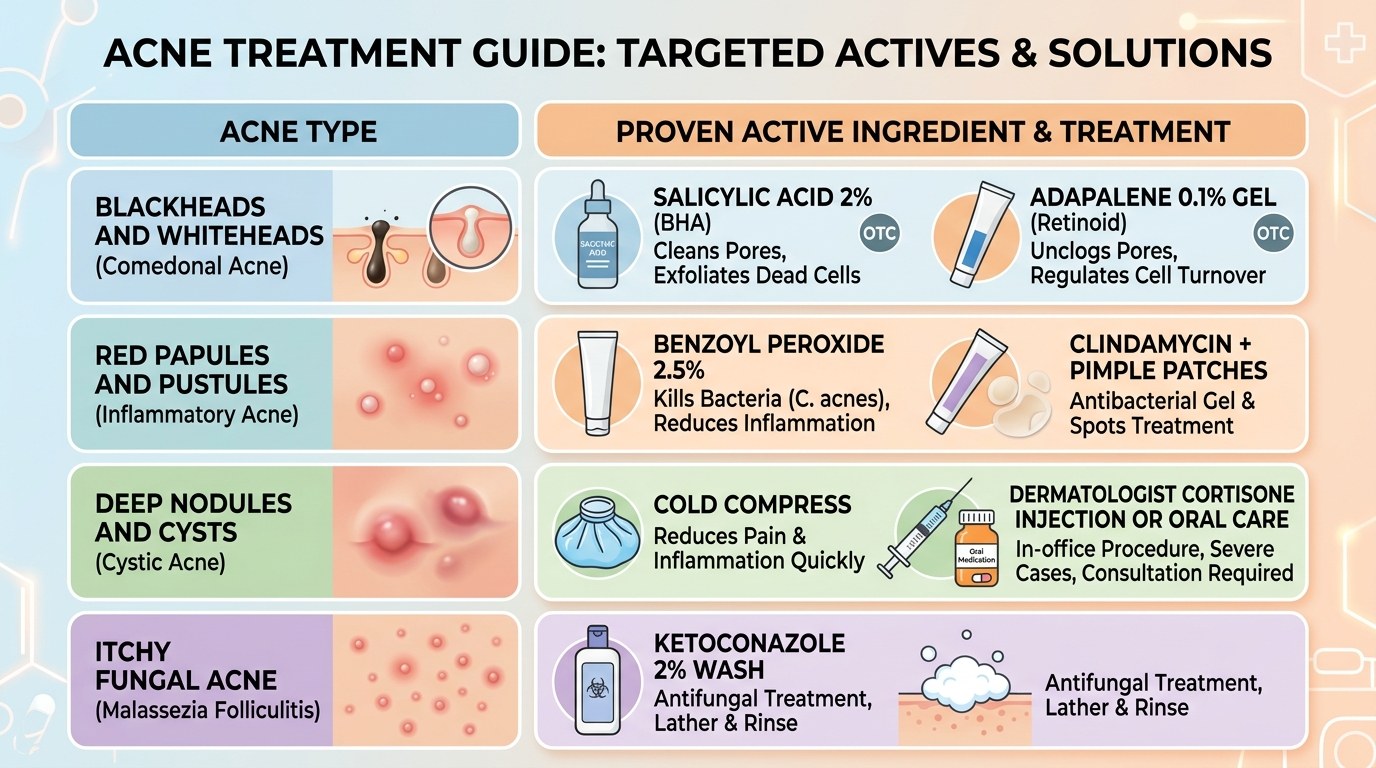
You cannot scrub a papule away. Physical cleansers and gritty walnut scrubs only shear the inflamed surface, worsening redness. Healing an early papule requires two specific actions: kill the bacterial driver and quiet down the immune swelling.
Why rinse it off? Clinical studies show that Benzoyl Peroxide penetrates the follicular canal within minutes[1]. Leaving it on all day often leads to itchy peeling or chemical burns on Indian skin. Washing it off gives you maximum germ-killing action with zero irritation.
Stopping the “Dark Mark” on Indian Skin (Fitzpatrick III–VI)
For Caucasian skin, a pimple often fades leaving faint redness that disappears quickly. On Indian skin (Fitzpatrick phototypes III to VI), the real nightmare starts after the bump goes down: a dark brown or purple spot that lingers for three to six months.
This discoloration is Post-Inflammatory Hyperpigmentation (PIH). South Asian skin possesses highly active melanocytes. When an inflammatory papule sends chemical shockwaves through the dermis, these pigment cells interpret the swelling as trauma and dump excess melanin into the tissue[3].
The Indian Pharmacy Rescue Kit: Proven, Budget-Friendly Essentials
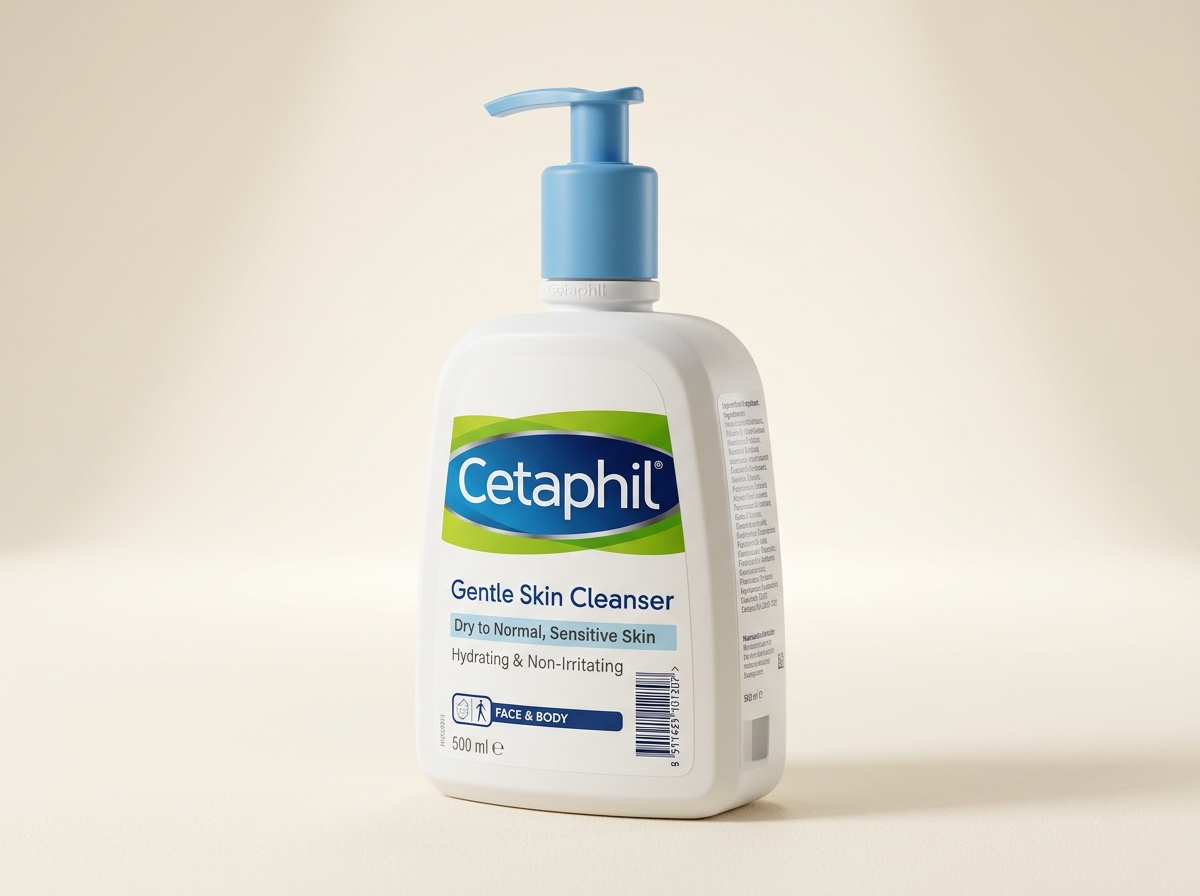
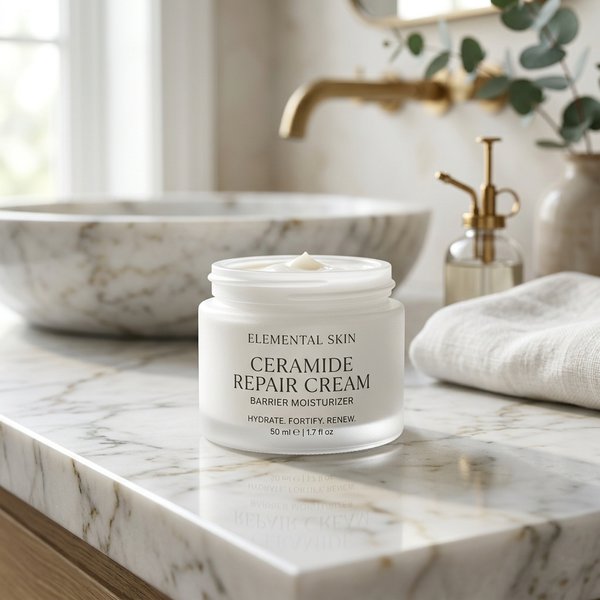
You do not need an expensive imported routine to treat early inflammatory acne. Effective, clinical-grade products are available across Indian community pharmacies for under ₹400:
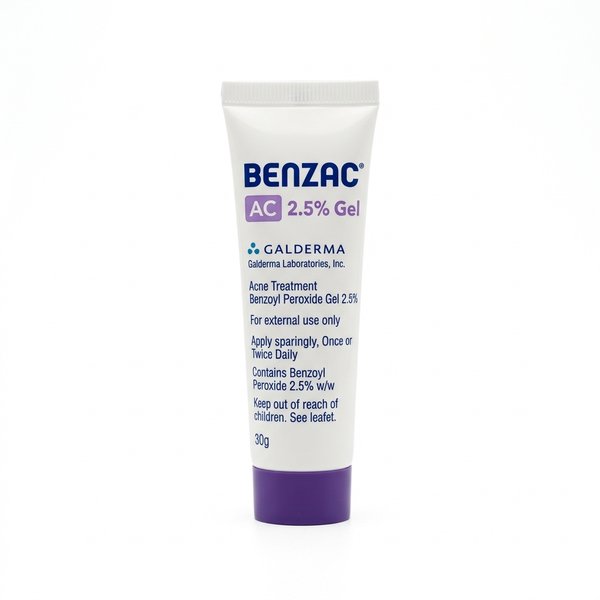
Watch: Dermatologist Guide to Using Benzoyl Peroxide Safely
Indian skin requires careful dosing when using Benzoyl Peroxide. Watch board-certified dermatologist Dr. Aanchal Panth explain how to apply active acne spot treatments without causing peeling, irritation, or chemical burns:
Self-Check: Can You Put a Pimple Patch on It?
Pimple patches have taken social media by storm. But can you stick one over an acne papule?
Hydrocolloid works by absorbing fluid from an open, draining wound. Because a papule has an intact roof and no pus, a plain patch cannot draw anything out. However, wearing one can protect the bump by physically blocking your fingers from picking at it.
Patches featuring dissolving micro-darts loaded with Salicylic Acid, Tea Tree, or Niacinamide can deliver anti-inflammatory actives directly through the stratum corneum, helping relieve localized tenderness overnight.
Frequently Asked Questions
Peer-Reviewed Medical Citations & Clinical Evidence
Clinical Dermatology Literature:
- Mills OH, Kligman AM, Pochi P, et al. Comparing 2.5%, 5%, and 10% benzoyl peroxide on Cutibacterium acnes reduction in inflammatory acne. International Journal of Dermatology. 1986;25(10):664-667. PubMed ID: 31613142
- Gollnick H, Cunliffe W, Berson D, et al. Management of acne: a report from a Global Alliance to Improve Outcomes in Acne. Journal of the American Academy of Dermatology. 2003;49(1 Suppl):S1-S37. PubMed ID: 12833004
- Sarkar R, Garg S, Sonthalia S. Post-inflammatory hyperpigmentation in dark skin: Clinical pearls and procedural precautions. Dermatologic Therapy. 2020;33(6):e14187. PubMed ID: 32881140
- Thiboutot D, Gollnick H, Bettoli V, et al. New insights into the management of acne: an update from the Global Alliance to Improve Outcomes in Acne. Journal of the American Academy of Dermatology. 2009;60(5 Suppl):S1-S50. PubMed ID: 17616333