The Molecular Biochemistry of Dark Spot Fading in Indian Skin
Both Alpha Arbutin (2%) and Kojic Acid (1%–2%) fade post-acne dark spots by inhibiting Tyrosinase—the rate-limiting enzyme responsible for converting L-tyrosine into dopaquinone and melanin. However, Alpha Arbutin acts as a slow-release hydroquinone glycoside substrate competitive inhibitor, making it gentler for sensitive skin. Kojic Acid directly chelates copper ions ($\text{Cu}^{2+}$) at the tyrosinase active site, offering faster lightening for stubborn melasma but carrying a slightly higher contact dermatitis risk.
Fitzpatrick IV–VI Indian skin contains hyper-responsive epidermal melanocytes that produce high concentrations of dark eumelanin in response to inflammatory acne or UV exposure. Selecting the right tyrosinase inhibitor is essential to prevent rebound hyperpigmentation or chemical leukoderma.
Pathophysiology of Post-Inflammatory Hyperpigmentation in Fitzpatrick IV–VI Skin
When an inflammatory papule or pustule erupts on Indian skin, dermal melanocytes respond to acute cytokine signals including Interleukin-1$\alpha$ ($\text{IL-1}\alpha$), Tumor Necrosis Factor-$\alpha$ ($\text{TNF-}\alpha$), and Endothelin-1 ($\text{ET-1}$). These chemical messengers upregulate intracellular gene transcription of the TYR gene, resulting in hyper-synthesis of tyrosinase enzymes.
Tyrosinase catalyzes two rate-limiting hydroxylation steps: first, converting L-tyrosine to L-DOPA, and second, oxidizing L-DOPA into dopaquinone. Dopaquinone subsequently polymerizes into insoluble Eumelanin granules (brownish-black pigment). Because Indian skin features larger, singly dispersed melanosomes with dense eumelanin caps, post-acne dark marks linger in the basal layer for 6 to 18 months unless blocked by specific tyrosinase enzyme inhibitors.
Substrate Competition (Alpha Arbutin)
Alpha Arbutin (hydroquinone-$\beta$-D-glucopyranoside) mimics L-tyrosine, competitively binding tyrosinase without causing melanocyte necrosis or DNA toxicity.
Copper Chelation (Kojic Acid)
Kojic Acid binds copper cofactor ions ($\text{Cu}^{2+}$) inside the binuclear active center of tyrosinase, completely inactivating enzyme catalysis.
Non-Cytotoxic Safety
Unlike Hydroquinone 4%, neither Alpha Arbutin nor Kojic Acid damages melanocyte cell walls, preventing irreversible exogenous ochronosis on Indian skin.
UV Photoprotection Synergy
Suppresses UV-induced reactive oxygen species (ROS) that trigger melanocyte-stimulating hormone ($\alpha\text{-MSH}$) spikes after sun exposure in tropical Indian climates.
Pigmentation Active Decision Chart — Alpha Arbutin vs Kojic Acid vs Hydroquinone
💊 Pigmentation Active Decision Chart — Indian Dermatology Guide
SUPERIORITY ASSET- Best for fresh post-acne PIH red/brown marks
- Gentle, non-irritating, safe for dry & sensitive skin
- Can be used continuously 365 days a year without breaks
- Safe to pair with Niacinamide and Vitamin C
- Ideal for daily AM + PM daily routine
- Best for stubborn deep dermal PIH and melasma patches
- Direct copper chelation yields faster 4–8 week results
- Slightly higher risk of contact dermatitis in sensitive skin
- Best formulated alongside Dipalmitate or Vitamin C
- Ideal for targeted night treatment
- Cytotoxic melanocyte inhibitor (melanocyte destruction)
- High risk of exogenous ochronosis in Fitzpatrick IV–VI skin
- Strict maximum 12-week clinical cap required
- Requires mandatory 2-month rest period to prevent rebound
- Prescription supervision mandatory
Clinical Comparison Matrix: Alpha Arbutin vs Kojic Acid
| Factor | 🟣 Alpha Arbutin (2%) | 🟡 Kojic Acid (1%–2%) |
|---|---|---|
| Primary Mechanism | Competitive substrate tyrosinase inhibition | Copper ion ($\text{Cu}^{2+}$) chelation at active site |
| Inhibition Efficacy | High (10x stronger than Beta-Arbutin) | High (Rapid enzyme binding) |
| Irritation Profile | Extremely Low (Well tolerated) | Moderate (Contact allergy in 3–5%) |
| Formulation Stability | Stable at pH 3.5–6.5 | Oxidizes in light/air (Kojic Dipalmitate is stable) |
| Safe for Long-Term Daily Use | ✅ Yes (365 days) | ✅ Yes (Up to 6 months) |
| Best Combined With | Niacinamide, Hyaluronic Acid, Vitamin C | Glycolic Acid, Azelaic Acid, Vitamin C |
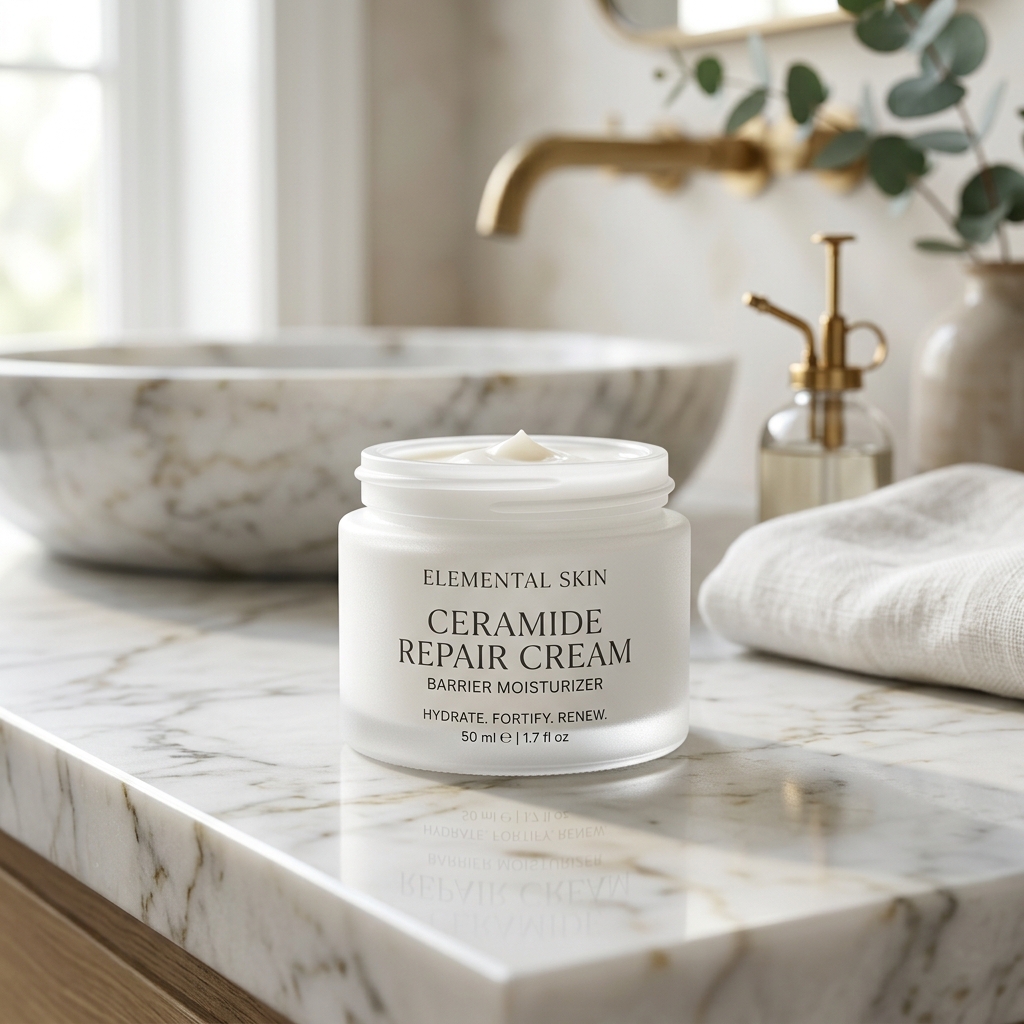
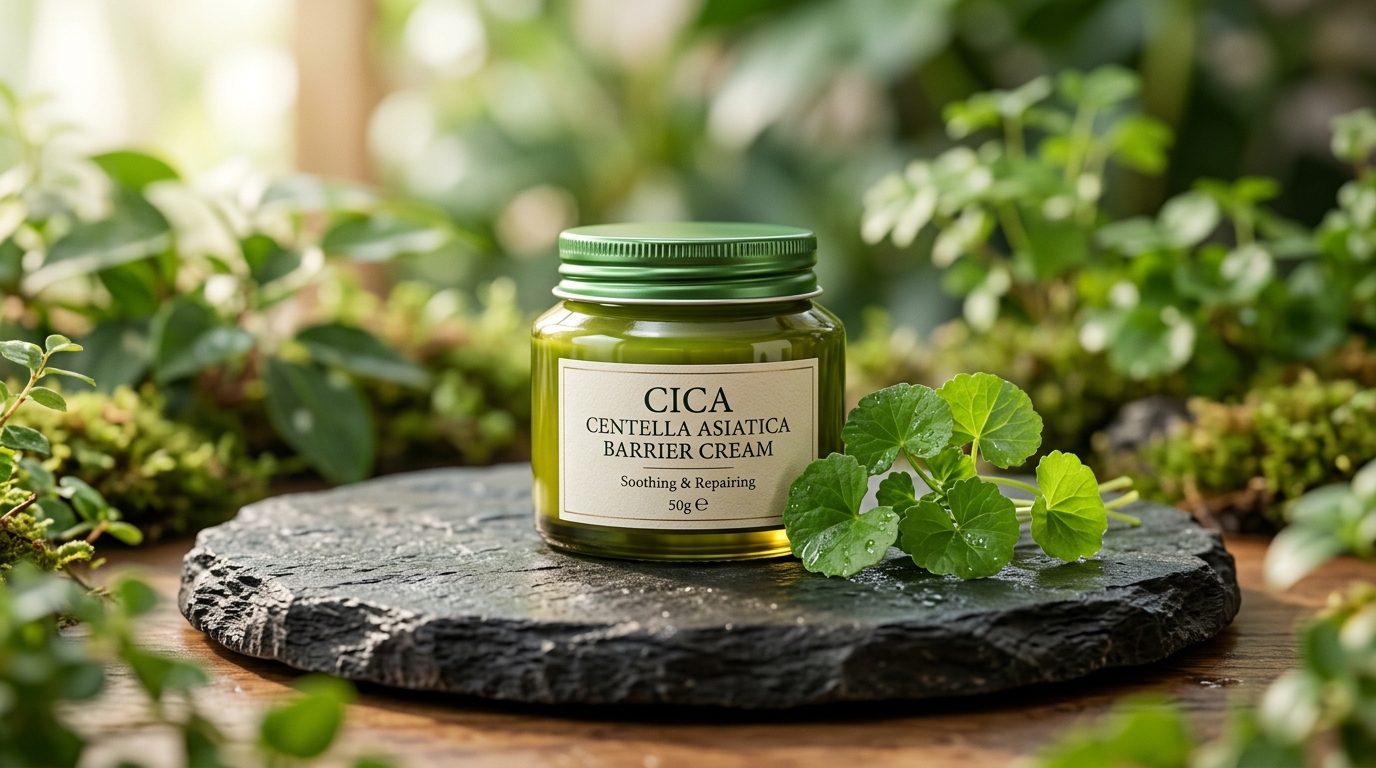
Best Dermatologist-Evaluated Products Available in India
The 12-Week Post-Acne Hyperpigmentation Protocol
Frequently Asked Questions
Both are potent non-cytotoxic tyrosinase inhibitors, but 2% Alpha Arbutin is generally superior for sensitive, dry, or barrier-compromised Indian skin because it releases hydroquinone slowly via glycosidic cleavage without causing contact dermatitis. Kojic Acid (1%–2%) chelates copper ions directly at the tyrosinase active site, making it faster for stubborn PIH and melasma, but carries a higher risk of contact allergic dermatitis.
Yes. Stacking 2% Alpha Arbutin with 1% Kojic Acid provides dual-target tyrosinase blockade: Alpha Arbutin acts as a substrate analog inhibitor while Kojic Acid chelates essential copper cofactor ions. Apply the water-based Alpha Arbutin serum first, followed by the Kojic Acid cream or serum.
Yes. Prescription Hydroquinone carries a documented risk of exogenous ochronosis (bluish-black permanent pigmentation) and rebound hyperpigmentation when used continuously past 12 weeks on melanocompetent Indian skin. Alpha Arbutin is a glycosylated hydroquinone derivative that inhibits tyrosinase without destroying melanocytes, making it safe for continuous long-term daily use.
🏥 Medical Disclaimer: This guide is for educational purposes and reviewed by board-certified dermatologists. It does not substitute formal dermatological consultation.