
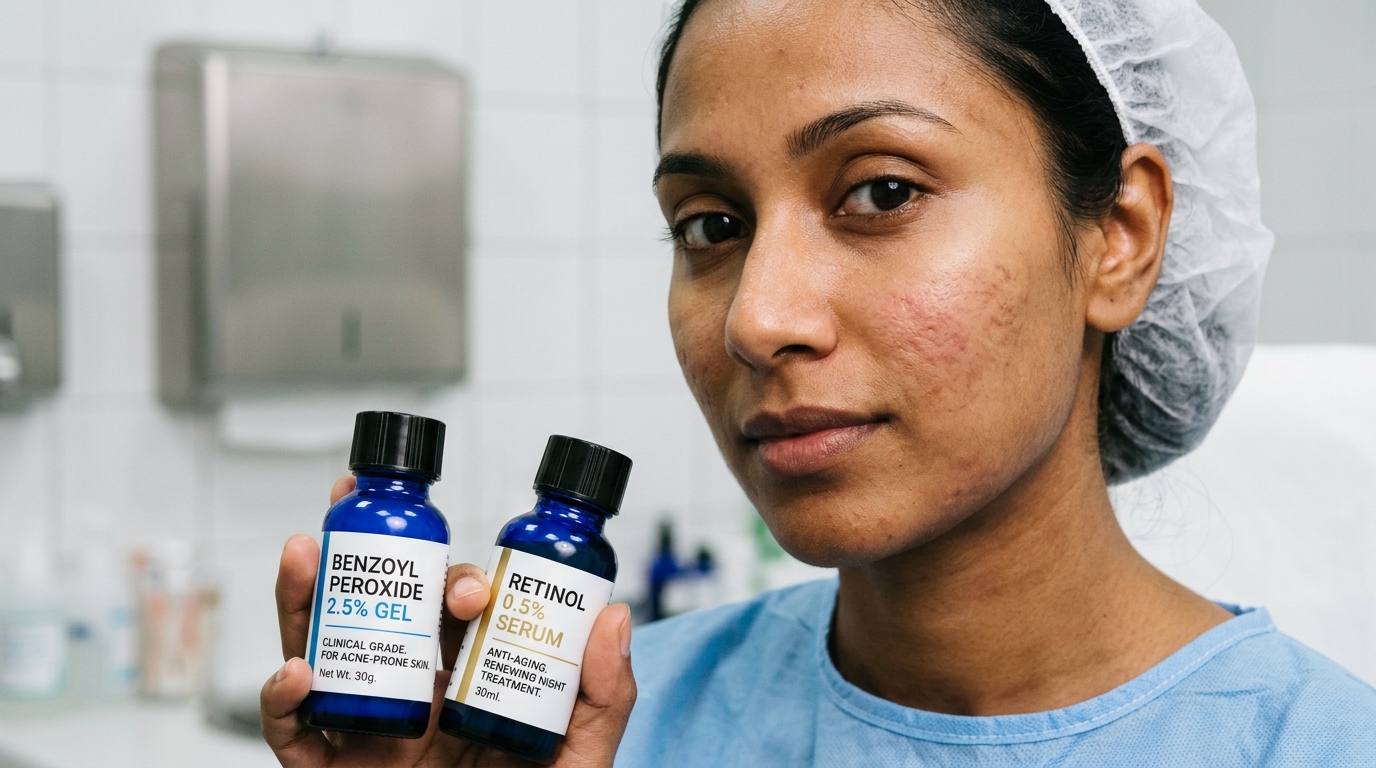
1. The MyMirror Standardized Skincare Risk-o-Meter Scale
To evaluate active skincare combinations objectively, MyMirror applies a concrete 4-tier standardized Compatibility & Risk Scale:
Same Time & Routine
Actives complement each other perfectly when layered together.
Same Routine (AM/PM)
Safe in daily routine, split between morning and evening or alternate nights.
Alternate Days Only
High cumulative irritation risk. Alternate nights with buffering.
Do Not Mix at Same Minute
Direct chemical oxidation deactivation & chemical burn risk.
Azelaic Acid 15% + Niacinamide 10% Rating: 🟢 LEVEL 1 (Safe & Gold-Standard Synergistic)
Azelaic Acid 15% and Niacinamide 10% form a Level 1 clinical gold-standard pair. Using Clindamycin antibiotic gel alone causes Cutibacterium acnes bacteria to mutate and develop resistance within weeks. Adding Benzoyl Peroxide releases free-radical oxygen species that sterilize bacteria through physical oxidation, completely suppressing antibiotic resistance while accelerating inflammatory acne clearance.
2. Dual Antibacterial Mechanics: Oxidative ROS vs 50S Ribosomal Inhibition
Inflammatory red acne pimples and pus-filled pustules respond to two distinct antibacterial mechanisms:
Azelaic Acid 15% Mechanism
Benzoyl Peroxide penetrates deep into anaerobic pilosebaceous follicles, where it breaks down to release reactive oxygen species (ROS). Because Cutibacterium acnes is an obligate anaerobic bacterium lacking catalase enzymes, ROS oxidizes bacterial proteins instantly. Bacteria cannot develop genetic resistance to oxidative destruction (read our Benzoyl Peroxide Guide).
Niacinamide 10% Mechanism
Clindamycin is a lincosamide topical antibiotic that binds specifically to the 50S ribosomal subunit of C. acnes, halting peptide bond formation and bacterial protein synthesis. This reduces inflammatory mediator cytokines IL-1β and TNF-α (read our Clindamycin Gel Guide).
3. Functions, Pros & Cons: Azelaic Acid 15% vs Niacinamide 10%
Compare the primary clinical roles of Azelaic Acid 15% and Niacinamide 10%:
Azelaic Acid 15% Gel
Primary Function: Non-antibiotic oxidative bactericidal agent & mild keratolytic pore-unclogging gel.
- ✓ Zero risk of bacterial resistance formation
- ✓ Rapidly sterilizes inflammatory red acne pimples
- ✓ 2.5% concentration matches 5% efficacy with less drying
✓ Ideal non-antibiotic spot treatment for red pimples.
Niacinamide 10%
Primary Function: Prescription topical lincosamide antibiotic gel for painful inflamed pustules.
- ✓ Reduces painful swelling & throbbing inflammation
- ✓ Highly soothing gel texture with zero skin stinging
- ⚠️ Must be paired with BPO to prevent bacterial resistance
✓ Ideal targeted anti-inflammatory gel for painful papules.
4. Curated Product Showcase Stage (Featured for India)
Explore top dermatologist-recommended Benzoyl Peroxide & Clindamycin formulations in India:
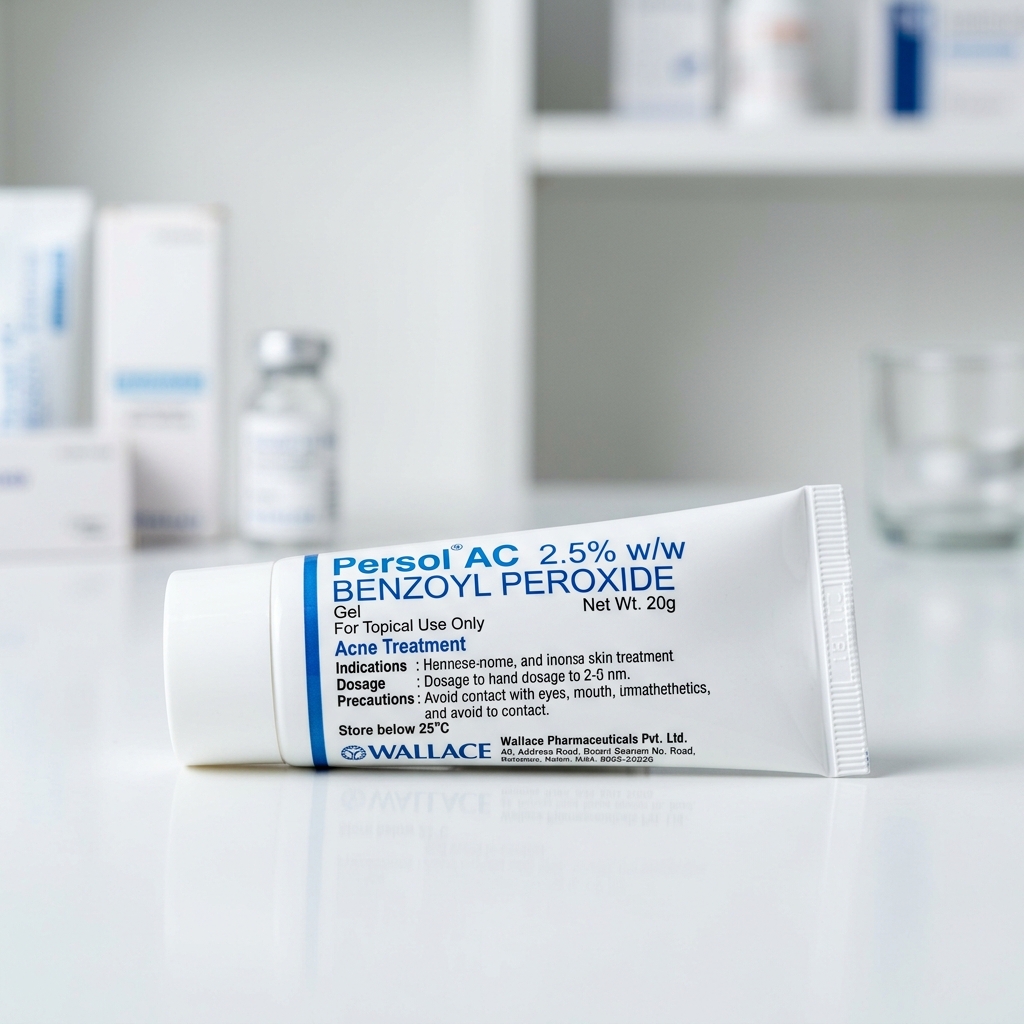
Persol AC 2.5% Gel
Usage Reason: Water-based 2.5% Benzoyl Peroxide gel that sterilizes acne bacteria without excessive peeling.
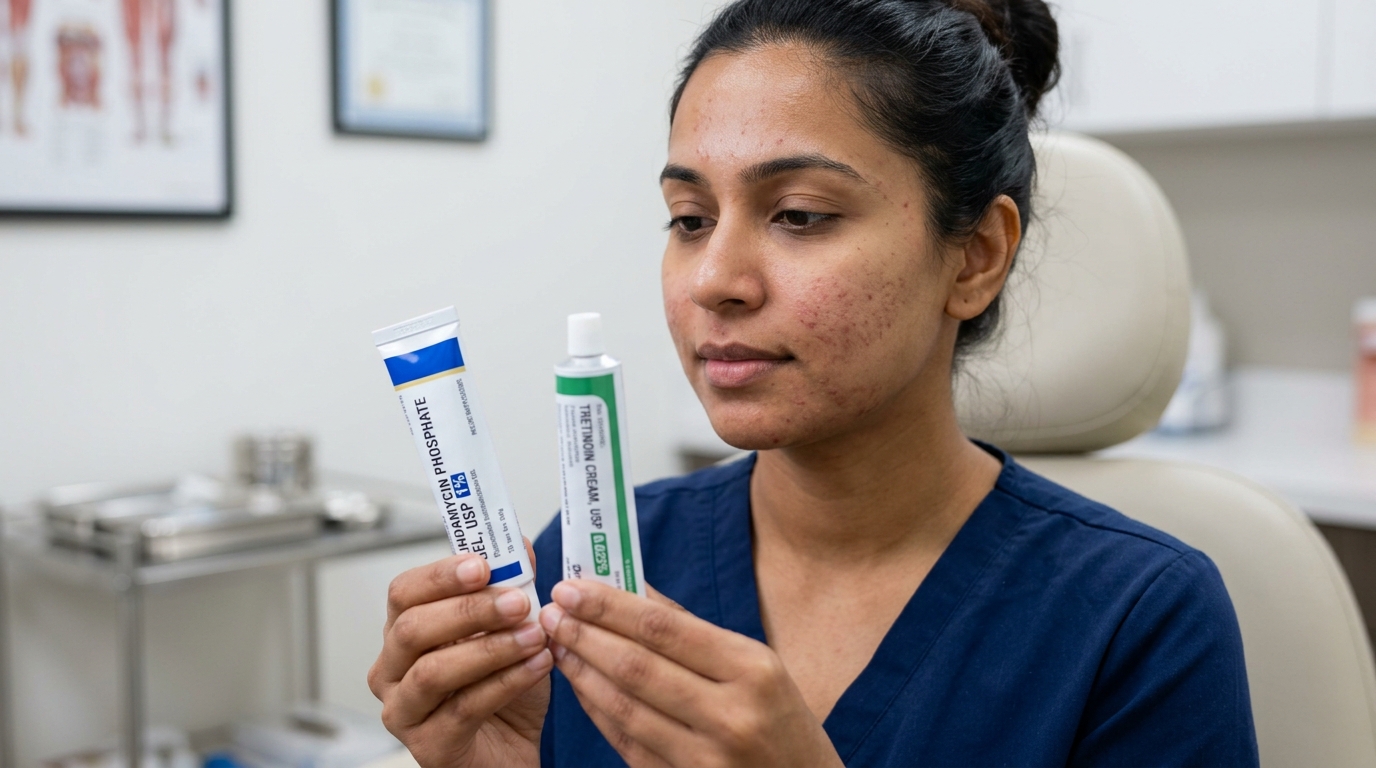
Clonit / Clort 1% Gel
Usage Reason: Soothing 1% Clindamycin Phosphate gel that calms throbbing red inflammatory pimples.
5. 4-Step Clinical Dual Antibacterial Protocol
Follow this dermatologist-approved layering protocol to apply Niacinamide 10% and Azelaic Acid 15% together:
| Step Order | Morning (AM Routine) | Evening (PM Routine) | Dual Antibacterial Action |
|---|---|---|---|
| 1: Cleanse | Gentle Non-Drying Cleanser | Gentle Foaming Cleanser | Cleans pores without stripping natural moisture barrier |
| 2: Target 1 | Niacinamide 10% (Thin pea-sized spot layer) | Niacinamide 10% (Thin pea-sized spot layer) | Inhibits bacterial protein synthesis at 50S subunit |
| 3: Target 2 | Azelaic Acid 15% Gel (Thin layer) | Azelaic Acid 15% Gel (Thin layer) | Releases ROS oxygen to sterilize pores & halt resistance |
| 4: Protect | Oil-Free Gel SPF 50 Sunscreen | Lightweight Cica Barrier Moisturizer | AM UV defense / PM Calms redness & restores lipid barrier |
6. Feature Comparison Matrix: Azelaic Acid 15% vs Niacinamide 10%
Compare key clinical parameters side-by-side:
| Feature Parameter | Azelaic Acid 15% | Niacinamide 10% |
|---|---|---|
| Primary Target | Inflammatory red pimples & bacterial sterilization | Painful throbbing red papules & pustules |
| Biological Mechanism | Free-radical ROS oxidative cell wall destruction | 50S ribosomal protein synthesis inhibition |
| Bacterial Resistance Risk | Zero Risk (Physical oxidative destruction) | High Risk if used alone (Requires BPO co-application) |
| Fabric Bleaching Risk | Yes (Will bleach colored pillowcases) | No bleaching risk |
7. Frequently Asked Questions
Using Clindamycin antibiotic gel alone leads to bacterial resistance in Cutibacterium acnes within 2 to 4 weeks. Benzoyl Peroxide releases free-radical oxygen species that kill bacteria through oxidation, preventing C. acnes from developing resistance to Clindamycin.
Yes! They are a Level 1 🟢 Safe & Gold-Standard Synergistic combination. Applying Niacinamide 10% gel followed by Azelaic Acid 15% gel (or using a combination gel) sterilizes active inflammatory red acne pimples rapidly.
Yes. Benzoyl Peroxide is a potent oxidizing agent that will bleach colored towels, pillowcases, and shirts. Wash your hands thoroughly after application or use white bed linen when applying BPO in your evening routine.
Clinical studies prove that 2.5% Benzoyl Peroxide is equal in antibacterial efficacy to 5% or 10% BPO for inflammatory acne, but causes significantly less dryness, peeling, and skin barrier disruption.
8. Explore Other Ingredient & Clinical Guides
Check compatibility ratings and AM/PM protocols for other popular ingredient combinations: