
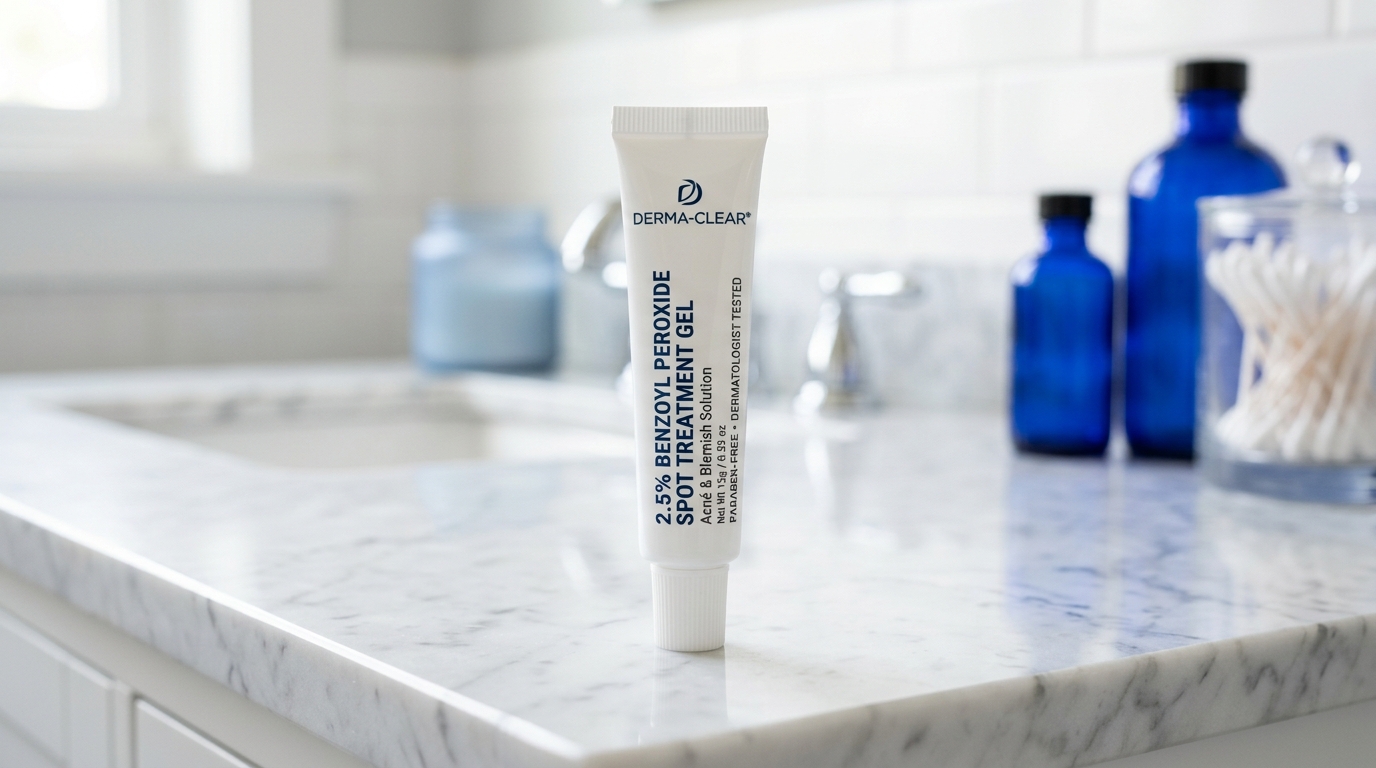
1. The Clinical Case for Short Contact Therapy
Benzoyl Peroxide is an exceptional, gold-standard antimicrobial agent that releases oxygen inside the pores. This oxygenation kills anaerobic Cutibacterium acnes bacteria directly without the risk of developing bacterial resistance (unlike topical antibiotics). However, because it is also a potent oxidizing agent, leaving it on the skin overnight frequently destroys the lipid barrier, leading to intense skin peeling, redness, itching, and dry burns.
Short Contact Therapy (SCT) is a clinically backed method that solves this problem. Research shows that Benzoyl Peroxide penetrates the follicular infundibulum and achieves its full antibacterial effect within 2 to 5 minutes of contact. Washing it off after this period removes the surface active residue, stopping it from stripping the stratum corneum lipids and preventing the bleaching of your towels and sheets.
2. The Short Contact Therapy Protocol
To safely introduce Benzoyl Peroxide to your face, follow this step-by-step routine in your evening wash:
- Gentle Wash: Wash your face with a basic, hydrating cleanser and pat dry.
- Apply Gel: Spread a thin, pea-sized layer of 2.5% Benzoyl Peroxide gel over the breakout-prone areas. Do not rub it in aggressively.
- Wait (2-5 Minutes): Let the gel sit on your skin. For week 1, start with exactly 2 minutes. If no burning occurs, you can scale to 5 minutes in week 2.
- Rinse: Rinse thoroughly with cool or lukewarm water. Do not use soap during this rinse.
- Protect: Apply a rich barrier-repair cream containing ceramides or hyaluronic acid to lock in moisture.
3. Recommended Benzoyl Peroxide Gel Options in India
For Short Contact Therapy, a 2.5% gel is the clinical standard. Studies show that 2.5% is just as effective at clearing acne as 5% or 10% strengths, but carries a significantly lower risk of dryness and irritation:
| Brand Name | Active Ingredient | Concentration | Ideal Application | Est. Price |
|---|---|---|---|---|
| Benzac AC 2.5% Gel | Benzoyl Peroxide | 2.5% w/w | Leave-on SCT (wash off after 2-5 min) | ~₹125 (15g) |
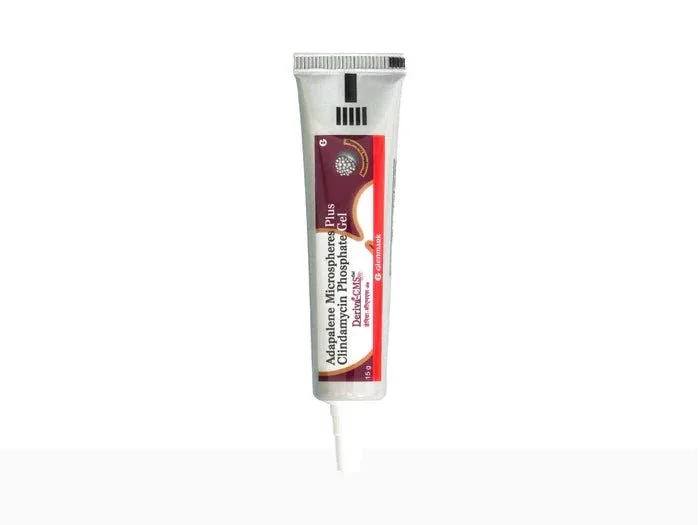
| Deriva-CMS Gel | Adapalene + Clindamycin | 0.1% / 1% w/w | Alternative active: Nightly leave-on spot care | ~₹380 (15g) |
4. The Benzoyl Peroxide SCT Protocol Timeline
Use this weekly timeline to adapt your skin to Benzoyl Peroxide without barrier damage:
| Week Phase | Contact Time | Weekly Frequency | Expected Skin Sensation | Post-Rinse Care Goal |
|---|---|---|---|---|
| Weeks 1-2: Adaptation | 2 Minutes | Alternate nights | Mild warming or slight tingling | Heavy Ceramide moisturizer to rebuild skin lipids. |
| Weeks 3-4: Build-Up | 5 Minutes | Every night | Minimal sensation, clearing begins | Basic hydration and non-comedogenic SPF 50 during day. |
| Weeks 5+: Full Efficacy | 10 Minutes | Every night | No sensation, active breakouts resolved | Maintain routine. Can transition to standard leave-on spot treatment if tolerated. |
5. Frequently Asked Questions
No. Clinical trials show that washing off a 2.5% benzoyl peroxide gel after 2 to 5 minutes achieves the same level of reduction in acne-causing bacteria as leaving it on overnight, with significantly less skin barrier peeling and irritation.
If your skin is red, peeling, and stinging from leave-on benzoyl peroxide use, immediately stop all actives (including salicylic acid and retinoids). Wash only with water or a very gentle hydrating cleanser. Apply a soothing calamine paste or pure zinc oxide cream, and use a heavy barrier-repair cream containing ceramides until the skin barrier closes (usually 3-5 days).
Map and Monitor Your Epidermal Redness
Oxidative stress triggers sub-surface blood flow. Scan your skin to measure the response.
Scan your face with MyMirror AI to track your skin barrier status, hydration percentage, and redness score.
Start Your Free AI Skin Scan Now