
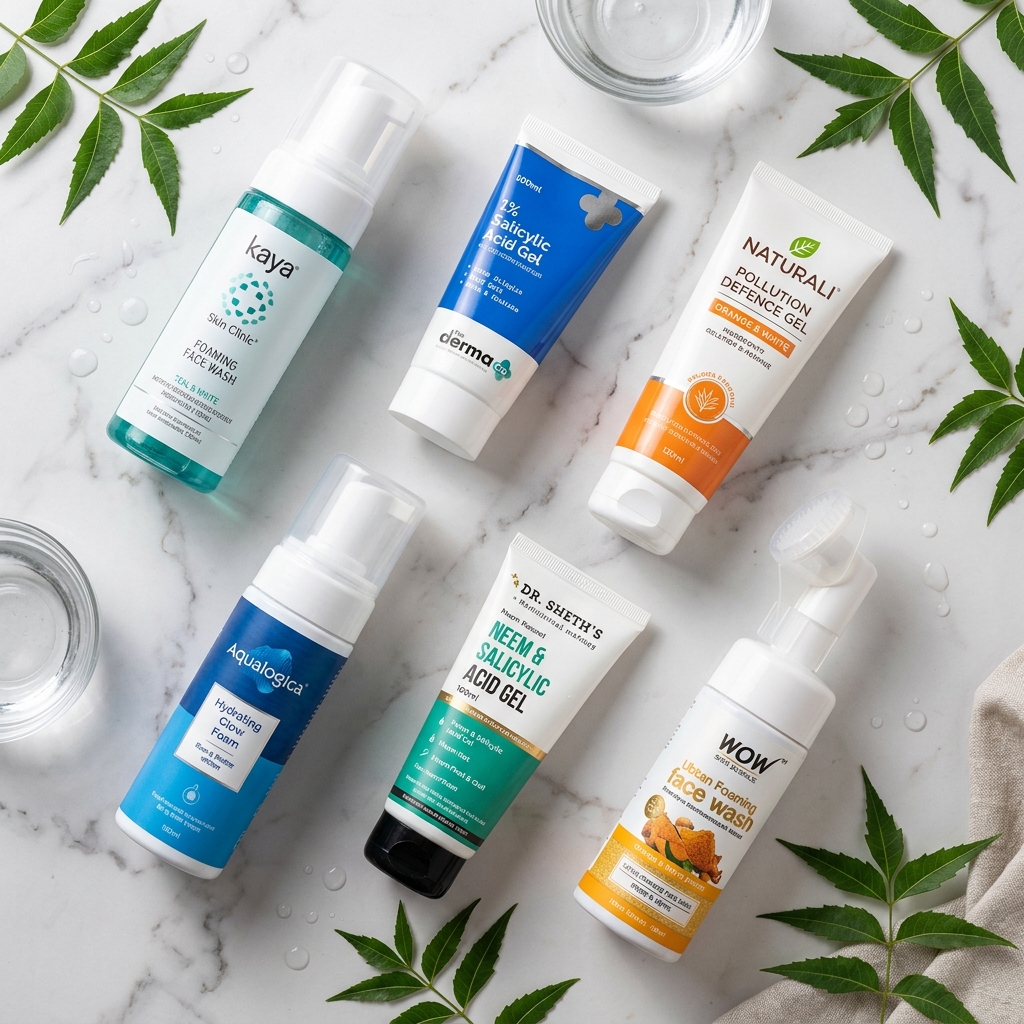
1. Why Oily Skin Needs a Different Cleanser: The Sebum Science
In the humid Indian climate, sebaceous glands go into overdrive, particularly for Fitzpatrick III-V skin types. Our sebum is a complex mixture of squalene, wax esters, and triglycerides. When exposed to heat and pollution, this sebum undergoes comedogenic oxidation—turning into the blackheads and clogged pores we battle daily.
Many turn to harsh SLS (sodium lauryl sulfate) cleansers for that "squeaky clean" feeling. This is a counterproductive dermatological mistake. Stripping the skin's acid mantle causes a phenomenon known as rebound oil production. Your skin senses the extreme dryness and signals glands to produce even more oil.
The Golden Rule
An effective cleanser for oily skin must maintain a pH below 6.0 (ideally between 4.5–5.5) to dissolve excess oil without destroying the protective lipid barrier.
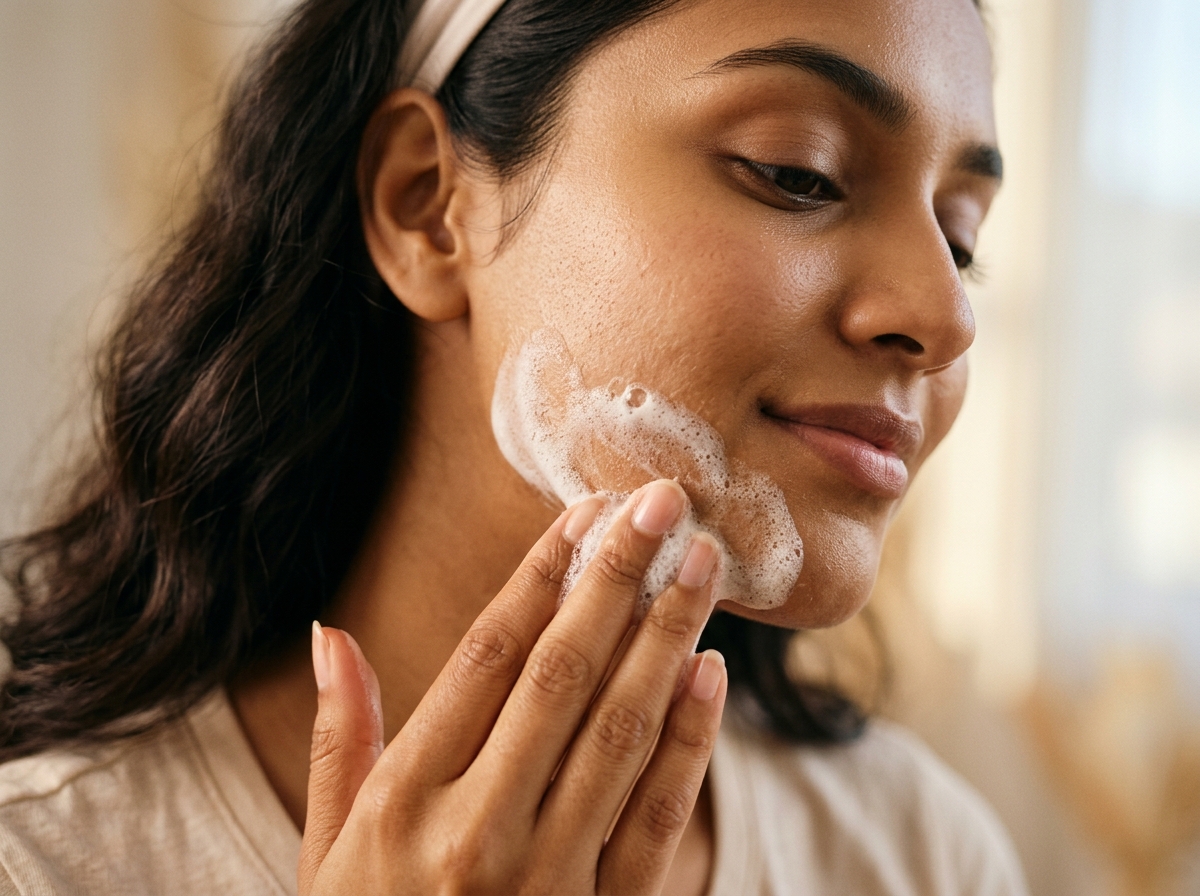
2. 3 Cleanser Actives That Actually Control Oil on Indian Skin
Stop buying face washes based on fragrance or fruit extracts. Look for these proven dermatological actives:
As an oil-soluble beta-hydroxy acid, salicylic acid diffuses through lipid-rich follicular plugs rather than washing away at the surface. By lysing intercellular desmosomes binding impacted keratinocytes, it unblocks microcomedones and smooths persistent blackheads across the nose and chin.
Working as a physiological sebocyte regulator, topical niacinamide decreases the squalene and triglyceride ratio in cutaneous secretions while suppressing inflammatory cytokine release. This calms post-acne redness and refines dilated pore openings without causing xerosis.
Unlike topical antibiotics that induce bacterial resistance, micronized benzoyl peroxide introduces free oxygen radicals into anaerobic follicular crevices. This neutralizes Cutibacterium acnes colonies on contact, rapidly deflating tender inflammatory papules and pustules.
3. Comparison Matrix: Top Face Washes Ranked
| Face Wash | Active Ingredient | pH Level | Sebum Control (hrs) | Best For | Price (₹) |
|---|---|---|---|---|---|
| Saslic DS Foaming | 2% Salicylic Acid | 5.5 | 6-8 hrs | Severe Blackheads | ₹420 |
| The Derma Co Sali-Cinamide | 2% SA + 2% Nia | 5.5 | 8 hrs | Oily skin with dark spots | ₹249 |
| Minimalist 2% SA | 2% Salicylic Acid | 4.5-5.5 | 6 hrs | Sensitive oily skin | ₹299 |
| Ahaglow S Foaming | 1% Salicylic Acid | 5.5 | 5 hrs | Mild daily exfoliation | ₹750 |
| Cipla Saslic Foam | 1% Salicylic Acid | 5.5 | 5 hrs | Beginners with BHA | ₹350 |
| Neutrogena Oil-Free Acne Wash | 2% Salicylic Acid | 4.0-5.0 | 7 hrs | Classic oily skin control | ₹700 |
| CeraVe Blemish Control | 2% SA + Nia + Ceramides | 5.5 | 8 hrs | Barrier repair & acne | ₹1300 |
| Perobar 2.5% Wash | 2.5% Benzoyl Peroxide | 5.0-6.0 | 4 hrs | Inflamed red acne | ₹150 |
| Deconstruct Pore Control | 2% SA + 1.5% Nia | 5.5 | 7 hrs | Large pores & oil | ₹349 |
| Foxtale Acne Control | 2% SA + Niacinamide | 5.5 | 7 hrs | Oil control with hydration | ₹349 |
4. The 60-Second Face Wash Protocol (Derm-Approved)
1. Thermal Pre-Cleansing
Splashing lukewarm water across the face softens hardened sebum plugs lodged inside infundibular openings without stripping superficial lipids like hot water does.
2. Palmar Emulsification
Dispensing a nickel-sized amount between palms and emulsifying with water before facial application ensures uniform active distribution and prevents concentrated surfactant contact on sensitive cheek zones.
3. T-Zone Focused Massage
Dedicate the initial thirty seconds to gentle upward circles over the forehead, nose creases, and chin where sebaceous gland density is highest, avoiding the delicate periorbital tissue.
4. Active Dwell Duration
Rather than rinsing immediately, allow the surfactant lather to rest against the skin for 45 to 60 seconds so chemical actives like salicylic acid have sufficient dwell time to dissolve follicular debris.
⚠️ Dermatologist Warning
Never wash your face more than twice daily. Over-washing damages the skin barrier and triggers rebound oil production.
5. AM vs PM Cleanser Pairing Strategy
Your skin's needs differ from morning to night. Here's how to structure your cleansing routine:
☀️ Morning (AM)
Morning skin requires removing oxidized overnight sebum and cellular turnover debris without stripping the stratum corneum before sun exposure. A gentle foaming wash or 2% niacinamide gel prepares the barrier to receive lightweight hydration and broad-spectrum sunscreen.
🌙 Evening (PM)
Following exposure to urban particulates, humidity, and water-resistant UV filters, the evening cleanse must dissolve stubborn lipophilic grime. Pair a targeted 2% salicylic acid or 2.5% benzoyl peroxide wash with a 60-second contact massage before layering prescription retinoids or barrier creams.
6. Ingredient Red Flags: 5 Things to Avoid
1. Harsh Anionic Sulfates (SLS / SLES)
Sodium lauryl sulfate strips the acid mantle below its physiological 5.5 pH, prompting rebound hyper-seborrhea within hours.
2. Denatured Alcohol Bases
While denatured alcohol produces an instant matte sensation, it solubilizes essential stratum corneum lipids and provokes secondary barrier irritation.
3. Volatile Fragrances
Synthetic perfuming agents remain the primary culprit behind allergic contact dermatitis in acne-prone individuals.
4. Abrasive Seed Scrubs
Crushed walnut shells or coarse granules inflict microscopic lacerations that shear follicular openings and scatter surface bacteria.
5. Alkaline Solid Soaps
Traditional bar soaps hold an alkaline pH between 8.5 and 10.0, neutralizing natural acid-mantle defenses and allowing Cutibacterium acnes to multiply.
7. Find Your Perfect Cleanser
Take this quick diagnostic quiz to find your personalized cleanser routine:
Skin Quiz
Answer 4 questions for your bespoke cleanser protocol.