If washing your face in Delhi, Bengaluru, or Chennai leaves your cheeks feeling tight, chalky, or irritated within two minutes, the problem is rarely just your skin. High-TDS borewell water and harsh foaming agents in common cleansers strip your barrier twice a day. Here is what dermatologist testing reveals about choosing the right surfactant chemistry and shopping Indian pharmacy staples that keep your skin barrier intact.
Free 60-second AI scan to detect moisture depletion levels and hard-water barrier damage.
Finding a cleanser that works in Indian conditions depends heavily on your local tap water TDS and daily skincare actives. We evaluated popular drugstore formulas across hard borewell water in Gurugram, softer municipal supply in Mumbai, and dry winter air in North India. Explore the three companion guides below for head-to-head brand comparisons, hard water filtration tips, and cleansing routine timelines.
We compared formula textures, hard-water rinsing, ceramide absorption, and real cost per millilitre across three widely available gentle cleansers.
Read Comparison Guide Specialist GuideHow borewell water in Gurugram, Noida, and Bengaluru deposits mineral scum on dry skin, and how to protect your face with simple tap water adjustments.
Read Hard Water Guide Technique GuidePractical daily cleansing steps, water temperature tips, and how to apply your moisturizer before surface hydration evaporates.
Read Technique GuideMost people assume dry skin is simply a lack of oil. In Indian bathrooms, post-wash tightness is almost always a chemistry conflict between local tap water and harsh foaming detergents.
In cities like Delhi, Noida, and Bengaluru, borewell and municipal water carries heavy concentrations of dissolved calcium and magnesium. When you wash with a conventional foaming cleanser, those mineral ions react with surfactants to form microscopic soap scum that clings to skin crevices and physically weakens your lipid barrier.
At the same time, over seventy percent of popular commercial cleansers in India still use Sodium Lauryl Sulfate or similar alkaline foaming agents. These operate at a pH between 8.0 and 10.0, which clashes with your skin's naturally acidic pH of 5.5. Washing with high-pH sulfates activates destructive enzymes that dissolve your natural ceramides and fatty acids. When mineral scum combines with alkaline stripping, moisture evaporates rapidly from your skin within ninety seconds of stepping away from the sink.
Caring for dry skin in Indian cities comes down to three sensible changes. Choose a gentle lotion or amino-acid face wash that rinses cleanly without leaving scum, avoid formulas loaded with harsh sulfate detergents, and moisturize while your face is still damp.
When you look at the back of any cleanser bottle, the first cleansing ingredient listed after water tells you almost everything you need to know. In cities with hard tap water, sulfate foaming agents react with calcium and leave skin feeling tight and chalky. On the other hand, non-ionic fatty alcohols and gentle amino-acid foamers rinse away cleanly without reacting with tap water minerals.
| Surfactant Class | Common INCI Name | Hard Water Reaction | Barrier Risk | Dry Skin Verdict |
|---|---|---|---|---|
| Anionic Sulfates | Sodium Lauryl Sulfate (SLS) | Heavy insoluble calcium soap curd formation | Severe — +300% TEWL | 🚨 STRICTLY AVOID |
| Ethoxylated Sulfates | Sodium Laureth Sulfate (SLES) | Moderate scum in high TDS water | Moderate Drying | ⚠️ USE SPARINGLY |
| Amphoteric Betaines | Cocamidopropyl Betaine (CAPB) | Minimal mineral binding; good solubility | Low Irritation | ✅ ACCEPTABLE |
| Amino Acid Surfactants | Sodium Cocoyl Glycinate / Isethionate | Superior solubility; zero mineral curd | Near Zero — pH 5.5 | 🏆 EXCELLENT |
| Non-Ionic Fatty Alcohols | Cetyl Alcohol, Stearyl Alcohol | Zero foaming — completely hard-water immune | Zero — Barrier Replenishing | 🏆 GOLD STANDARD |
Ingredients are always listed in descending order of volume. If you see Sodium Lauryl Sulfate right near the top of the bottle, that cleanser will likely leave your cheeks dry and peeling by winter. Look instead for ingredients like cetyl alcohol, coco-glucoside, or sodium cocoyl glycinate near the top, which signal a mild formula suited for daily dry skin care.
We evaluated popular drugstore cleansers across Indian cities to see how easily they rinse in high-TDS borewell water and how comfortable they leave delicate skin:
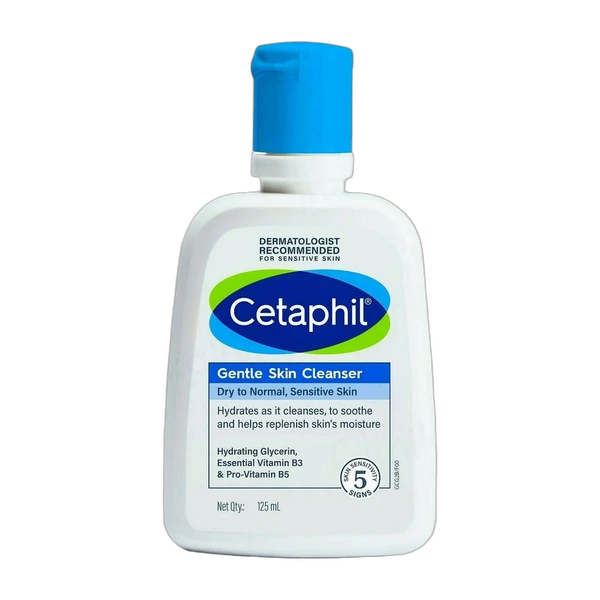
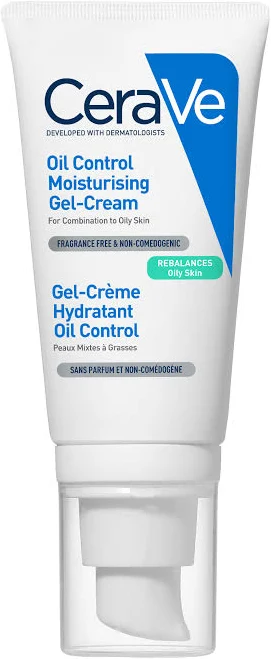
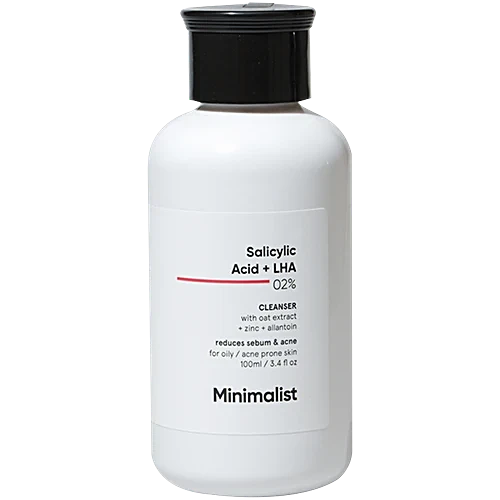
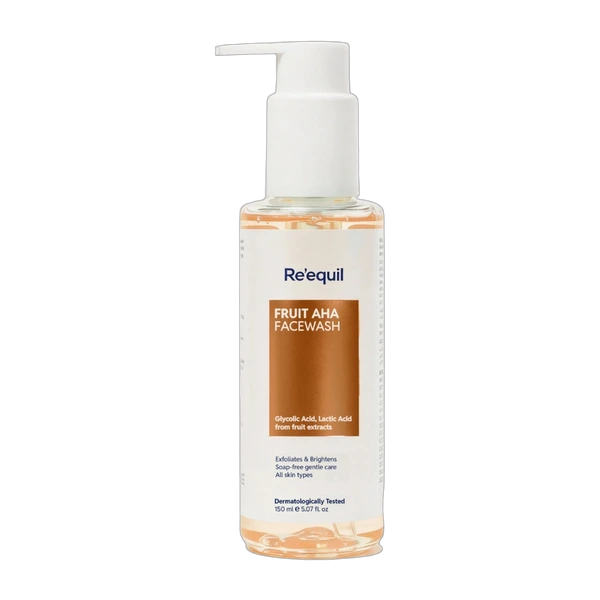
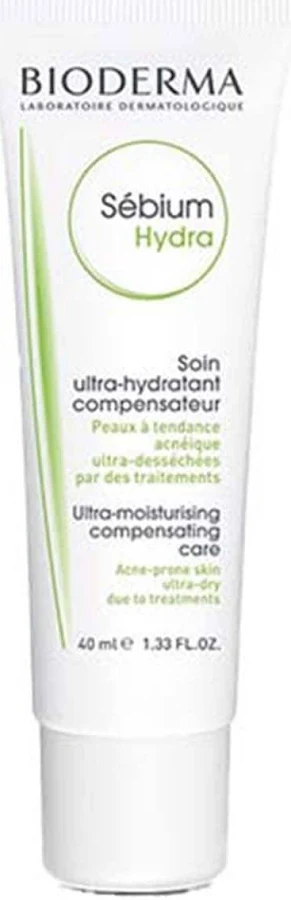
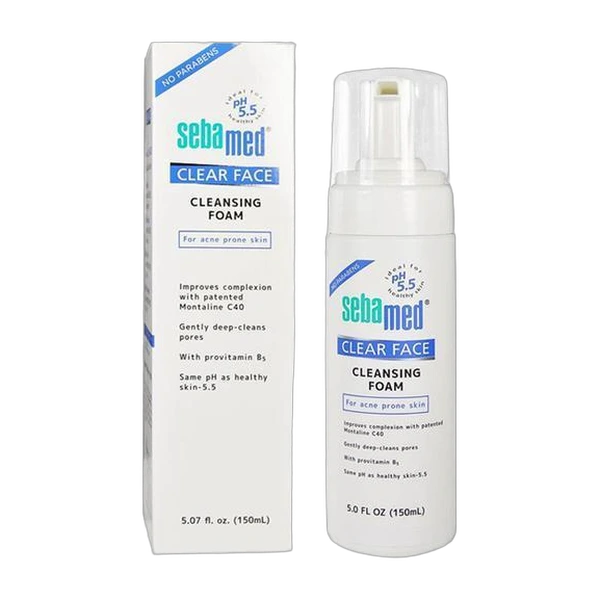
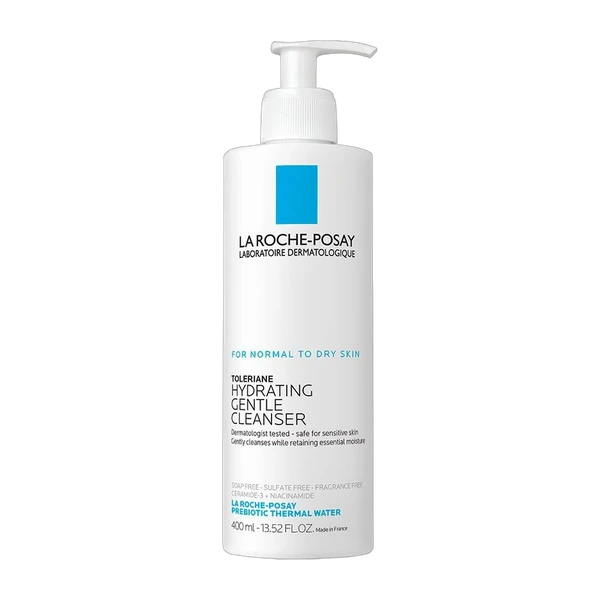
What your skin needs after cleansing depends on where you live and whether you use active night treatments:
Technique matters just as much as formulation. When patients complain that even gentle cleansers irritate their face, the culprit is often geyser water that is too hot. Steamy water melts your skin's natural protective fats within seconds. Always wash with lukewarm water that feels barely warm to the touch.
Wash with lukewarm water. Steamy hot water dissolves your natural skin oils and triggers redness before you finish rinsing. The water should feel barely warm against your wrist.
Apply your lotion cleanser gently to your face with clean fingertips. You do not need vigorous rubbing or facial sponges to remove daily grime.
Rinse thoroughly with lukewarm water. If you live in an apartment complex with high-mineral borewell water, finishing with a quick splash of filtered drinking water removes lingering salts.
Pat gently with a clean towel and apply your moisturizer immediately while your face remains slightly damp. Locking in moisture early prevents post-wash tightness.
If you notice any of these six warning signals after washing, your current cleanser is likely compromising your skin barrier:
For dry or reactive skin, Cetaphil Gentle Cleanser and Episoft OC Cleansing Lotion are two of the safest options in Indian pharmacies. Both rely on non-foaming lotion bases that leave skin barrier lipids untouched. If your skin is flaking from acne treatments like retinoids, CeraVe Hydrating Cleanser is also widely stocked and provides ceramides.
In most cases, post-wash tightness has nothing to do with the cleanser itself. Three common factors cause this: washing with hot water from the geyser, waiting more than a minute to apply your moisturizer, or washing with high-mineral borewell water. Switching to lukewarm water and applying a rich cream while your face is damp usually solves the tightness within three days.
You do not necessarily need a different cleanser, but you should adjust how often you wash. During dry winter months in Delhi and Punjab, indoor heaters and low humidity pull moisture from your skin. You can skip the morning face wash completely, rinsing with plain water instead, and reserve your cleanser for the evening.
Yes. Many adults in India suffer from barrier-damaged acne, where the skin lacks protective oils but still breaks out with inflammatory bumps. The biggest mistake is using harsh anti-acne foaming washes, which strip lipids and trigger rebound inflammation. Instead, wash with a mild cream cleanser and apply targeted spot treatments like 2.5% benzoyl peroxide only on active pimples.
Once a day in the evening is plenty. Over-washing strips the natural sebum your skin produces overnight. If you exercise or sweat heavily during humid monsoon months, rinse with plain water or use a fragrance-free micellar wipe afterwards.