
The Vitamin C Breakout Paradox on Oily & Acne-Prone Indian Skin
Vitamin C is celebrated as the ultimate antioxidant for fading Post-Inflammatory Hyperpigmentation (PIH) and boosting collagen synthesis. However, for thousands of Indians with Fitzpatrick Types III–VI living in hot, humid climates, starting a popular 10% or 15% pure Vitamin C serum often results in an unexpected explosion of tiny forehead bumps, itchy red papules, or blackened clogged pores.
🚨 THE BIOLOGICAL CONFLICT: Pure L-Ascorbic Acid requires an ultra-low, highly acidic formulation pH of 2.8 to 3.5 to cross the lipid bilayer. For oily skin with an already fragile acid mantle, this severe acid shock ruptures the stratum corneum, creating micro-inflammation. Furthermore, heavy glycols (Ethoxydiglycol, Propylene Glycol) used to dissolve crystalline Vitamin C act as severe pore-clogging comedogenic vehicles during Indian monsoon sweating.
To clear post-acne marks without triggering new breakouts, you must understand whether your skin is reacting to formulation acidity, comedogenic penetration enhancers, or oxidized degraded molecules. For our complete ranking of tested formulations, consult our pillar guide: Best Vitamin C Serum for Face in India.
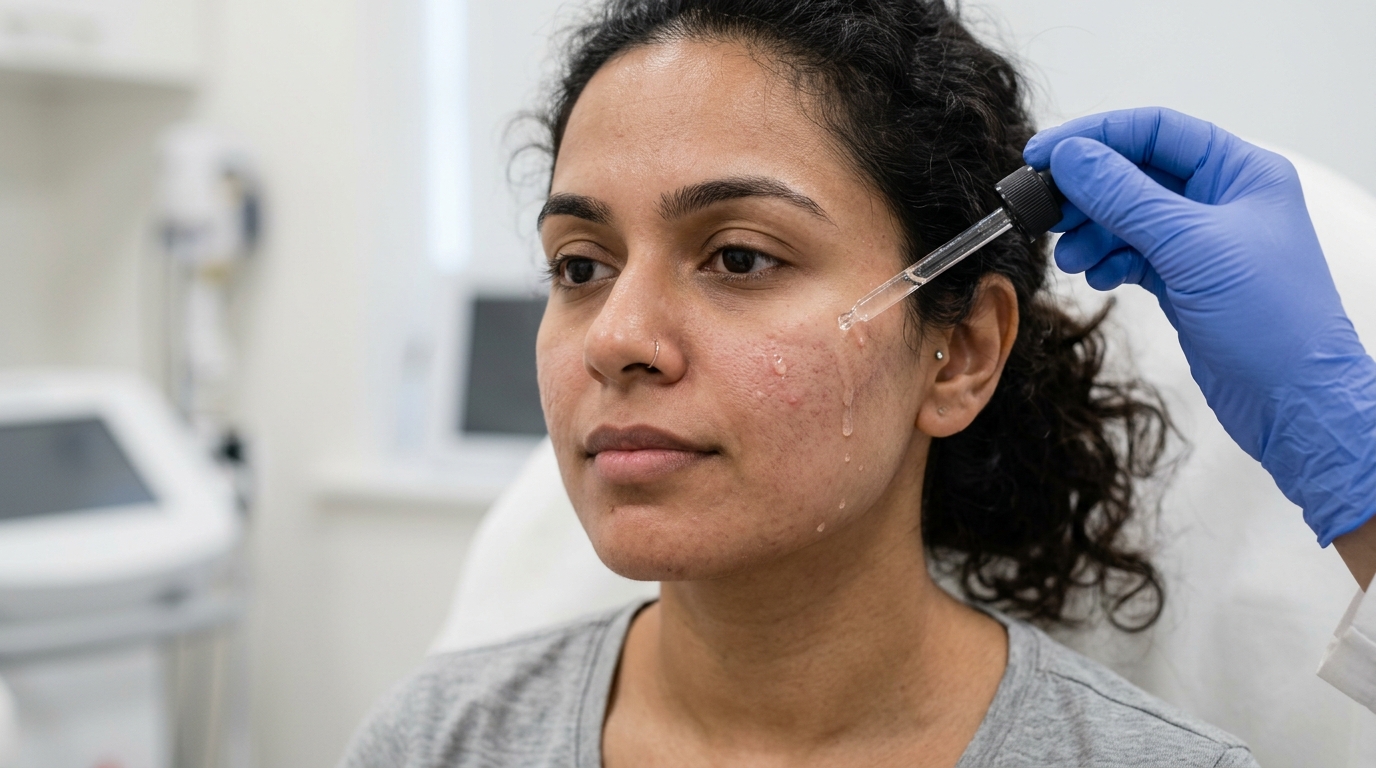
Diagnostic Matrix: Is It a True Purge, Acid Irritation, or Clogged Pores?
Does Vitamin C cause purging? Technically, pure Vitamin C is NOT a keratolytic cell-turnover agent like Retinoids (Adapalene/Tretinoin) or BHAs (Salicylic Acid). However, mild low-pH exfoliation can occasionally speed up surface desquamation. Use this differential matrix to identify what is happening on your face:
| Diagnostic Feature | Mild Turnover Purge ✅ (Rare) | Acid Contact Irritation 🚨 (Common) | Comedogenic Pore Clogging ⚠️ (Common) |
|---|---|---|---|
| Type of Lesion | Small whiteheads in usual breakout zones that come to a head fast. | Clusters of itchy, red micro-papules and widespread burning. | Flesh-colored closed comedones, rough sandpaper bumps, blackheads. |
| Onset Timing | Within 3 to 7 days of starting. | Within 24 to 48 hours (immediate sting). | Appears gradually after 2 to 3 weeks of daily use. |
| Sensory Sensation | Zero burning or itching. | Intense stinging, burning, or tightness. | Painless, dull textured bumps. |
| Underlying Cause | Mild desquamation from low pH. | Acid mantle disruption (pH < 3.0 shock). | Heavy glycols, oils, or oxidized dehydroascorbic acid. |
| Clinical Action | Reduce frequency to alternate mornings. | Pause immediately; switch to SAP or EAA derivative. | Stop product; exfoliate with Salicylic Acid 2%. |
The 4 Hidden Culprits Behind Vitamin C Breakouts in India
The Low pH (< 3.5) Acid Shock
Pure L-Ascorbic Acid requires a pH of 2.8–3.2 to penetrate skin. On compromised Indian barriers, this acid bath triggers chemical folliculitis and micro-pustules that mimic sudden acne flares.
Heavy Glycols & Solvent Clogging
Because L-AA is difficult to stabilize in water, manufacturers pack serums with Ethoxydiglycol, Propanediol, and Butylene Glycol. In hot humid weather, these heavy solvents trap sebum in pores.
Oxidized Dehydroascorbic Acid (DHAA)
When Vitamin C oxidizes and turns yellow/orange, it transforms into DHAA and Erythrulose. DHAA oxidizes surface squalene, blackening pores and creating inflammatory free-radical damage.
Layering Incompatibility with Other Actives
Layering pure L-Ascorbic Acid directly alongside Salicylic Acid, Glycolic Acid, or Benzoyl Peroxide overwhelms epidermal tolerance, causing acute barrier rupture and breakout cascades.
Interactive Diagnostic Matcher: Tap Any Card to Flip
Identify Your Exact Vitamin C Reaction Profile
Tap any of the 4 clinical breakout scenarios below to flip the card and reveal its biological mechanism, targeted fix, and safe alternative:
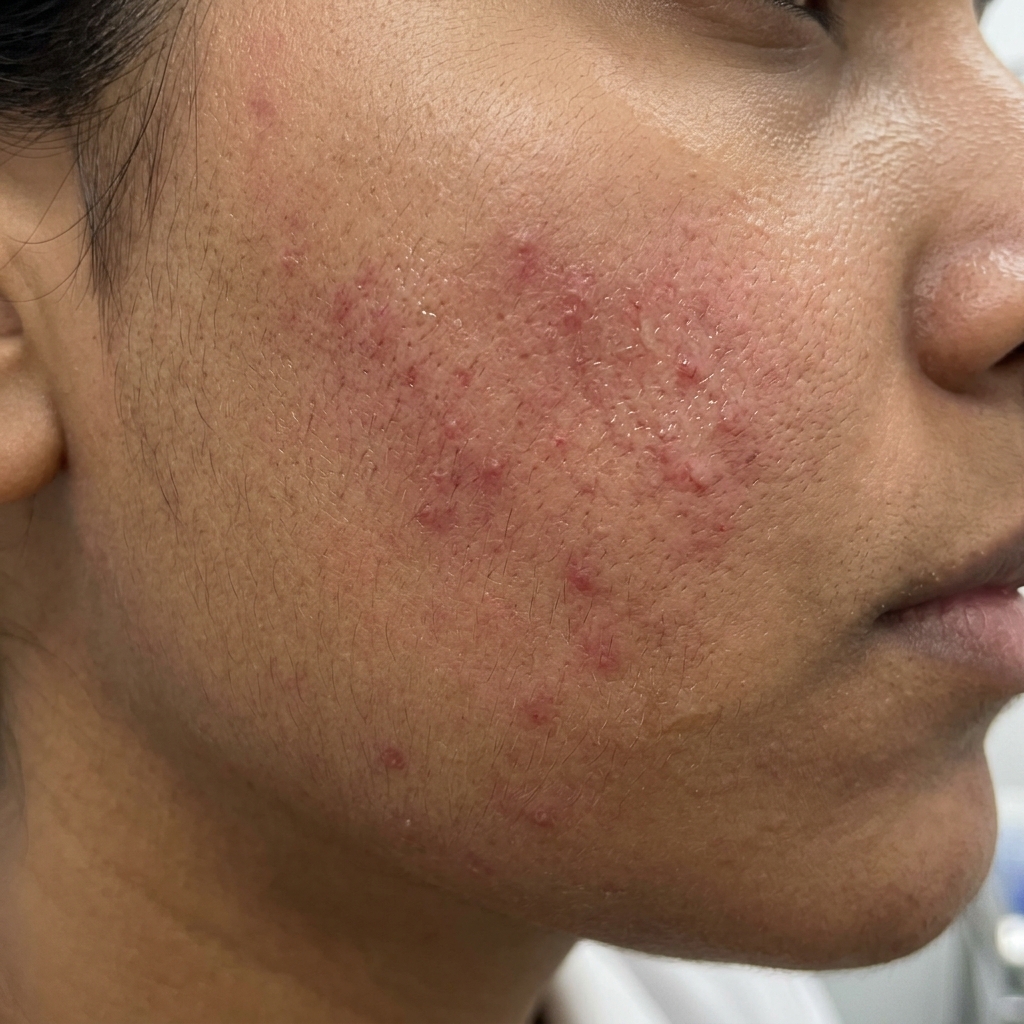
Low pH Acid Irritation Bumps
Clusters of stinging red micro-papules that appear within 48 hours of applying a potent 15% L-AA serum.
Tap to Reveal Match 🔄Switch to 3-O-Ethyl Ascorbic Acid
Your acid mantle cannot tolerate low-pH formulas. Ethyl Ascorbic Acid works at skin-friendly pH 5.5, delivering 86% pure Vitamin C conversion with zero stinging.
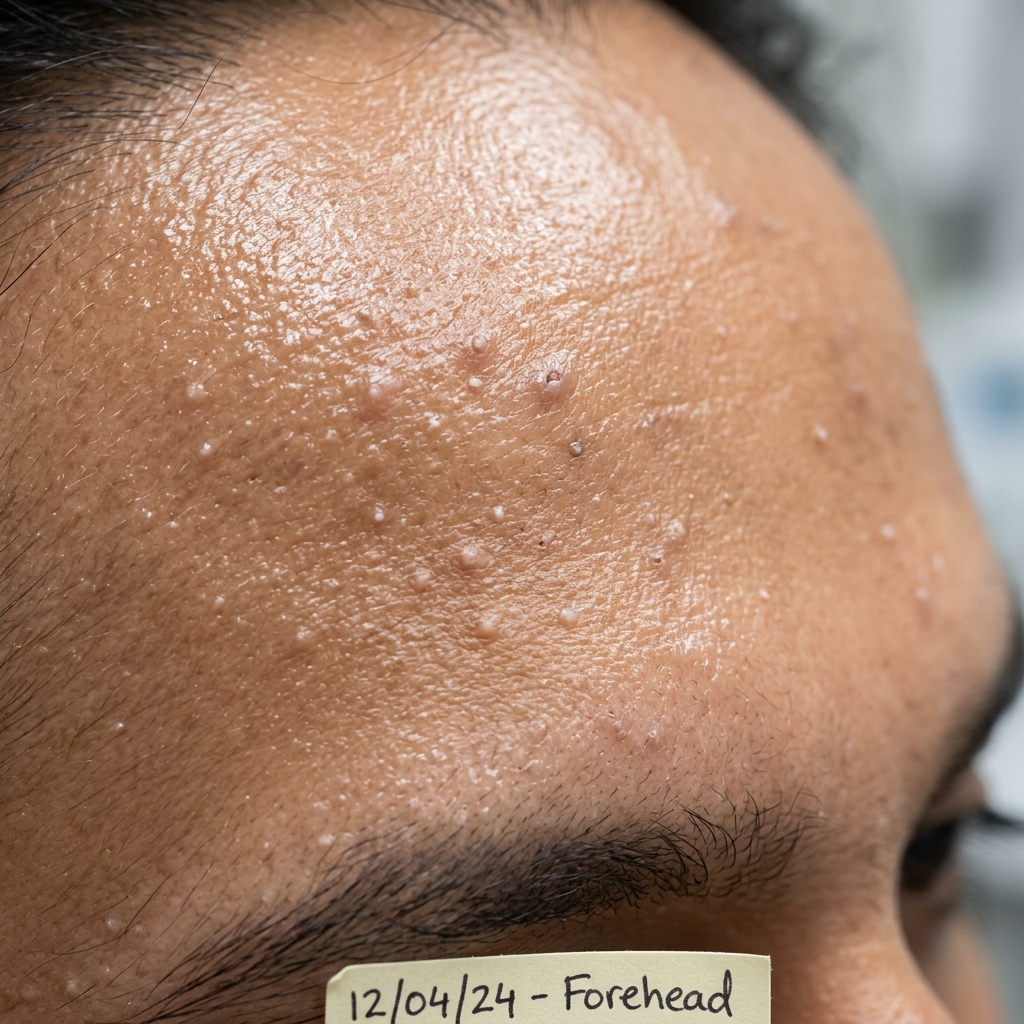
Solvent-Induced Closed Comedones
Sandpaper texture and tiny closed bumps on forehead and chin without redness or itching.
Tap to Reveal Match 🔄Switch to Water-Base SAP Serum
Heavy stabilizing glycols in humid weather trap sebum inside the follicular infundibulum. Switch to an ultra-light, water-based derivative serum.
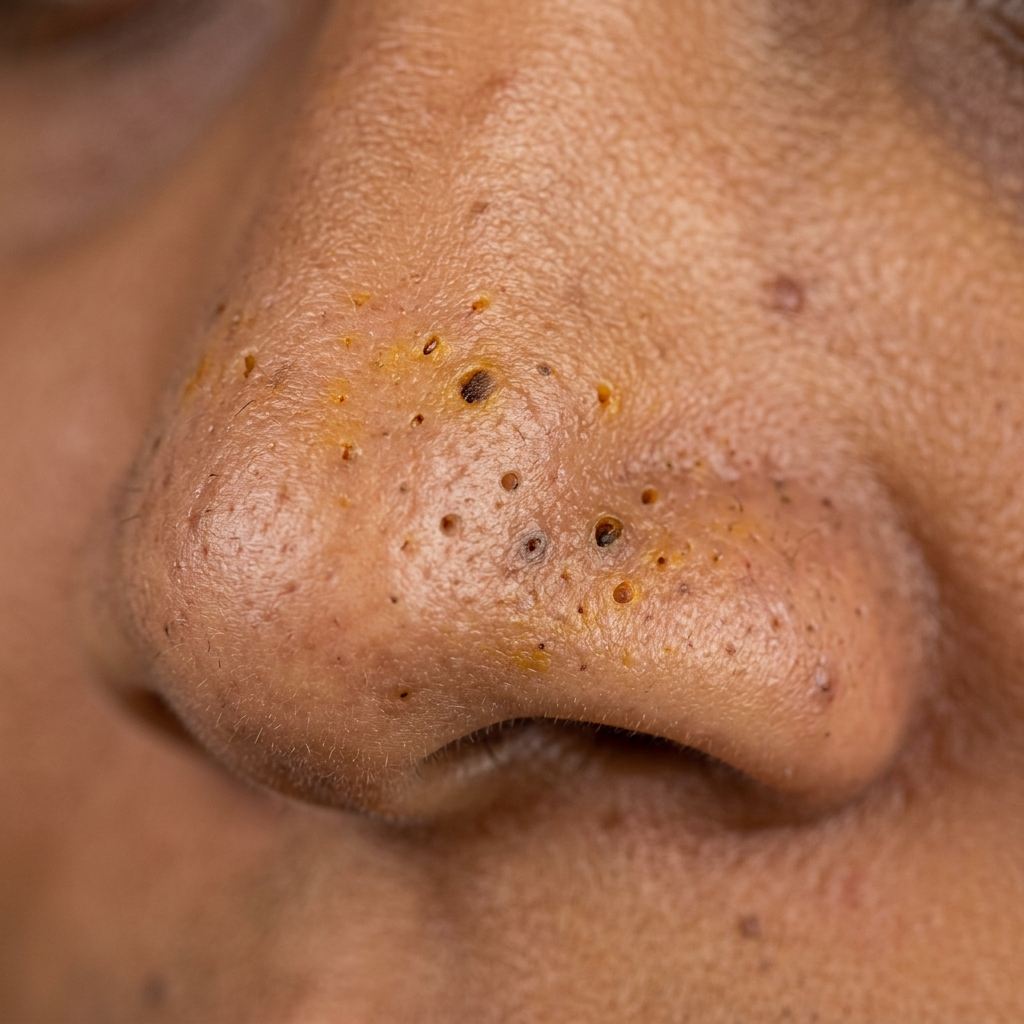
Oxidized Pores & Dark Staining
Nose and cheek pores turn dark orange-brown, resembling dirty blackheads after using oxidized serum.
Tap to Reveal Match 🔄Discard Degraded Serum Immediately
Oxidized Vitamin C turns into erythrulose (a self-tanner molecule) that stains keratin and creates pro-oxidant free radicals inside pores. Toss the bottle.
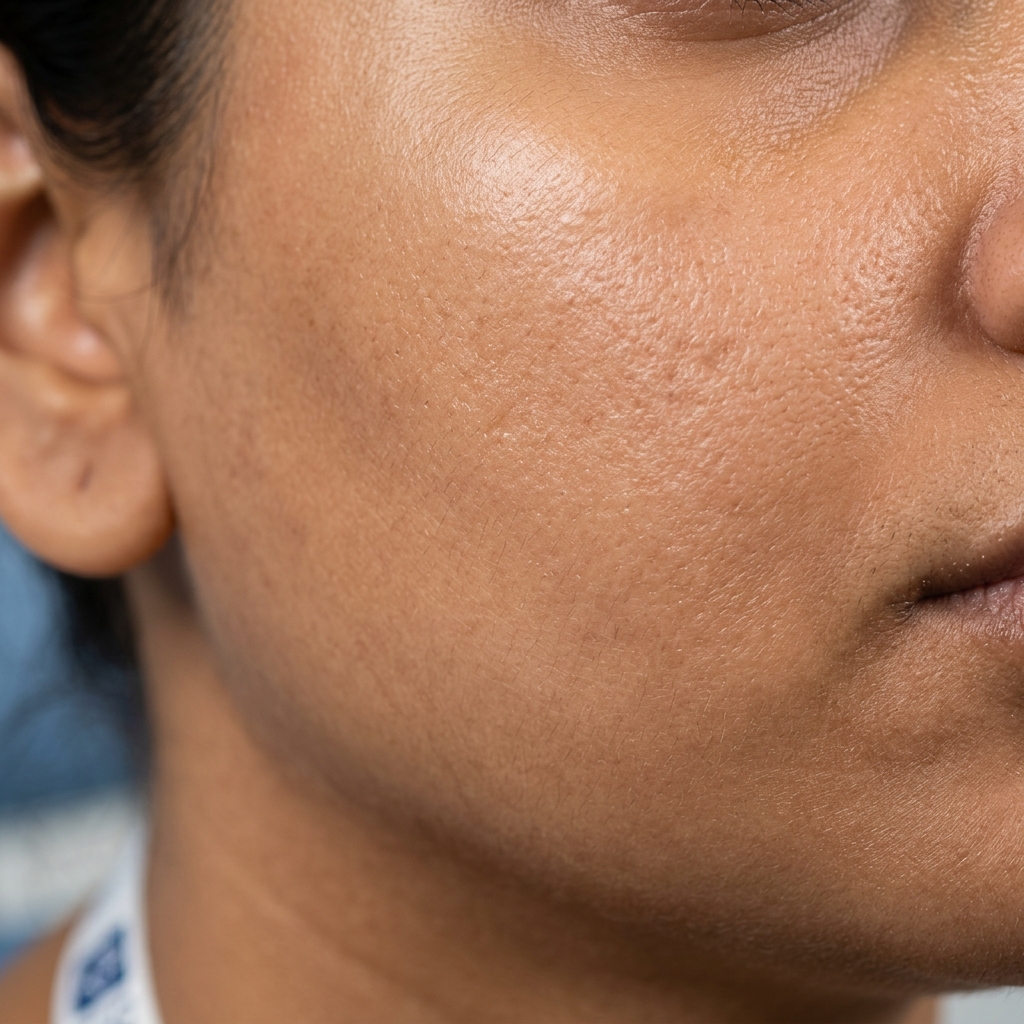
Active Acne + Dark Spot Healing
How to actively fight acne bacteria while fading stubborn dark spots and acne scars.
Tap to Reveal Match 🔄Sodium Ascorbyl Phosphate (SAP 5%)
Clinical trials prove 5% SAP directly inhibits *Cutibacterium acnes* bacteria while preventing lipid peroxidation, clearing active acne and PIH simultaneously.
The 3 Acne-Safe Vitamin C Derivatives & Product Recommendations for Indian Skin
If pure L-Ascorbic Acid triggers breakouts on your skin, you do not need to give up on Vitamin C entirely. Modern clinical skincare utilizes photostable, non-acidic Vitamin C derivatives that operate at neutral pH levels, delivering robust antioxidant photoprotection and melanin suppression without irritating your acid mantle.
| Derivative Name | Formulation pH | Pore Clogging Risk | Primary Biological Action | Dermatologist Verdict |
|---|---|---|---|---|
| 1. Sodium Ascorbyl Phosphate (SAP) | pH 6.5–7.0 (Neutral) | Zero | Directly inhibits *Cutibacterium acnes* bacteria & prevents sebum peroxidation. | 🏆 #1 for Active Acne & Oily Pores |
| 2. 3-O-Ethyl Ascorbic Acid (EAA) | pH 5.0–6.0 (Skin-Friendly) | Zero | Direct 86% active conversion; potent tyrosinase inhibitor for dark PIH marks. | 🏆 #1 for Stubborn Dark Marks |
| 3. Ascorbyl Glucoside (AA2G) | pH 5.5–6.5 (Gentle) | Zero | Time-released glucose cleavage; zero sting for reactive barriers & rosacea. | 🏆 #1 for Ultra-Sensitive Skin |
Sodium Ascorbyl Phosphate (SAP)
Clinical Science: SAP is a water-soluble, stable salt of ascorbic acid. Unlike pure L-AA, SAP is converted enzymatically inside the skin by cellular phosphatases. In peer-reviewed double-blind clinical trials, 5% SAP outperformed 5% Benzoyl Peroxide in reducing inflammatory acne lesions over 12 weeks—making it the gold-standard Vitamin C for active pimples.
Recommended SAP Products in India:
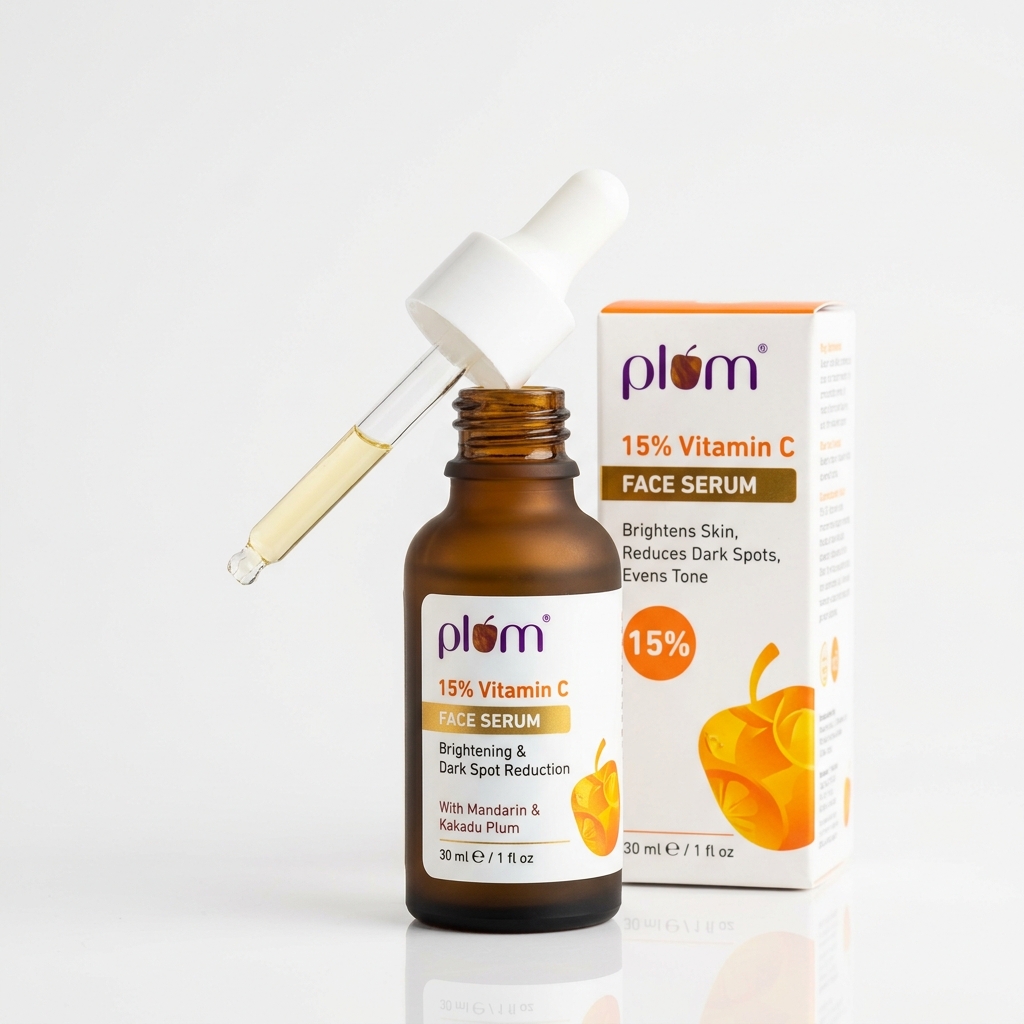
Formulation: Water-light gel serum formulated with Sodium Ascorbyl Phosphate, Japanese Mandarin, and Kakadu Plum. Completely non-acidic and non-comedogenic.
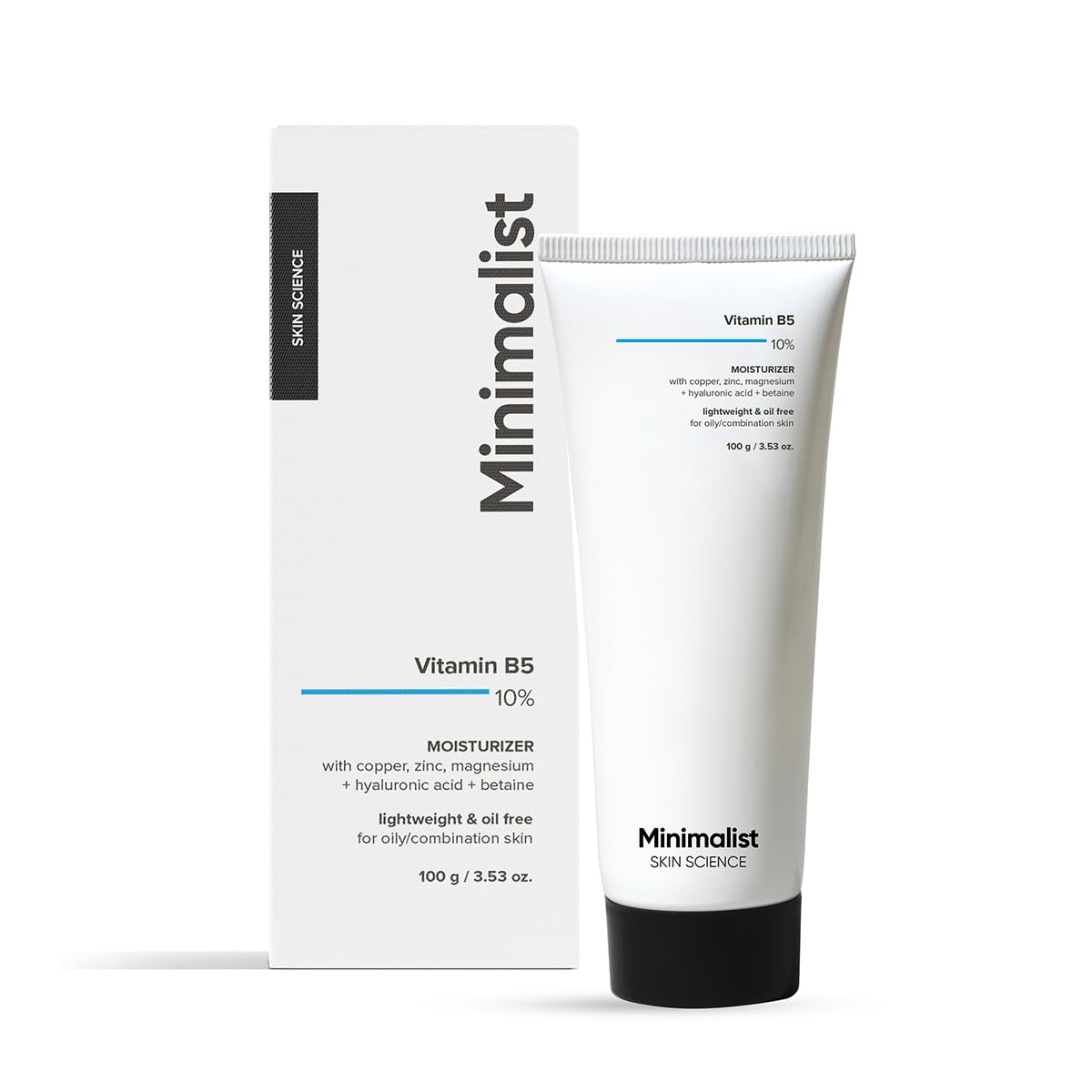
Formulation: Dermatologist-prescribed pharmacy formulation combining stabilized SAP with lipid-replenishing Tocopherol and Ferulic Acid to prevent sebum oxidation.
3-O-Ethyl Ascorbic Acid (EAA)
Clinical Science: EAA is an etherified derivative where an ethyl group protects the 3rd carbon position from oxidation. It is both water and oil soluble (amphiphilic), allowing it to penetrate stratum corneum lipid bilayers without requiring a low acidic pH. It boasts an extraordinary 86% direct molecular conversion rate to free L-Ascorbic Acid, delivering unmatched dark spot clearance without stinging.
Recommended EAA Products in India:
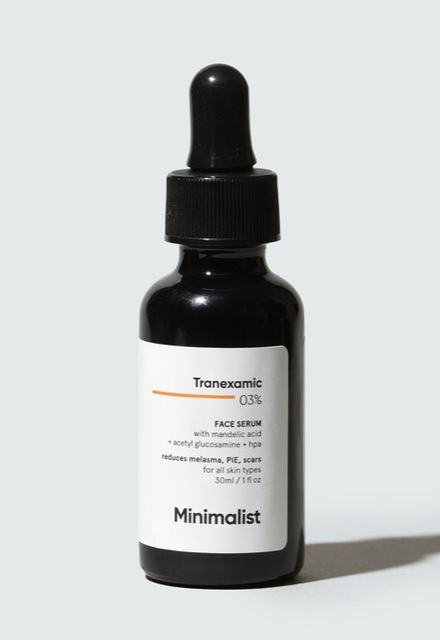
Formulation: Formulated in a Centella Asiatica leaf water base with 1% Ascorbyl Glucoside. 100% free of fragrance, essential oils, and heavy glycols.
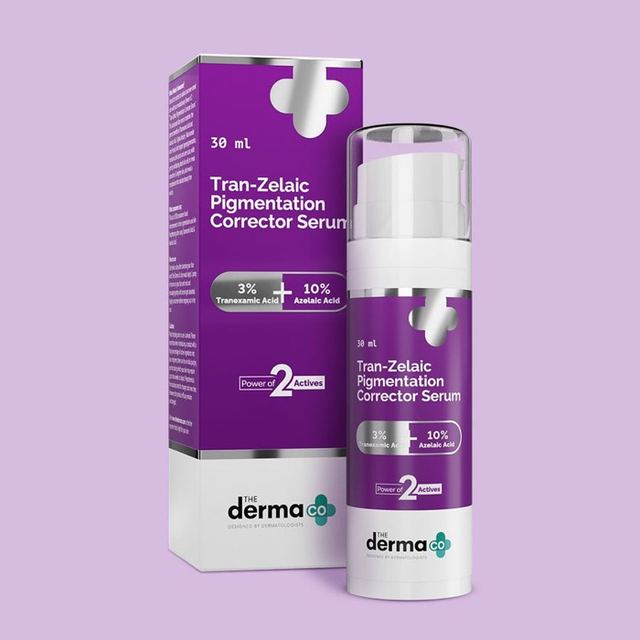
Formulation: Synergistic dual-active complex featuring Ethyl Ascorbic Acid and Niacinamide with Ferulic Acid to suppress melanin transfer while regulating sebum.
Ascorbyl Glucoside (AA2G)
Clinical Science: In AA2G, ascorbic acid is bound to a glucose molecule. Once absorbed into the epidermis, the natural skin enzyme alpha-glucosidase gradually hydrolyzes the bond, releasing pure Vitamin C continuously over an 8-hour window. Because release is sustained and gradual at pH 6.0, it produces zero tingling, zero flushing, and zero acid folliculitis.
Recommended AA2G Products in India:
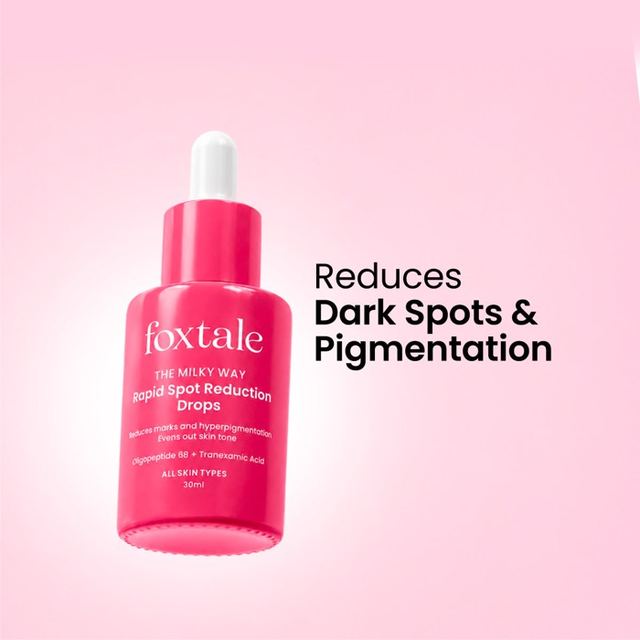
Formulation: Formulated in an emollient gel-milk vehicle with Dicaprylyl Carbonate and Vitamin E to buffer active release and prevent acid stinging.
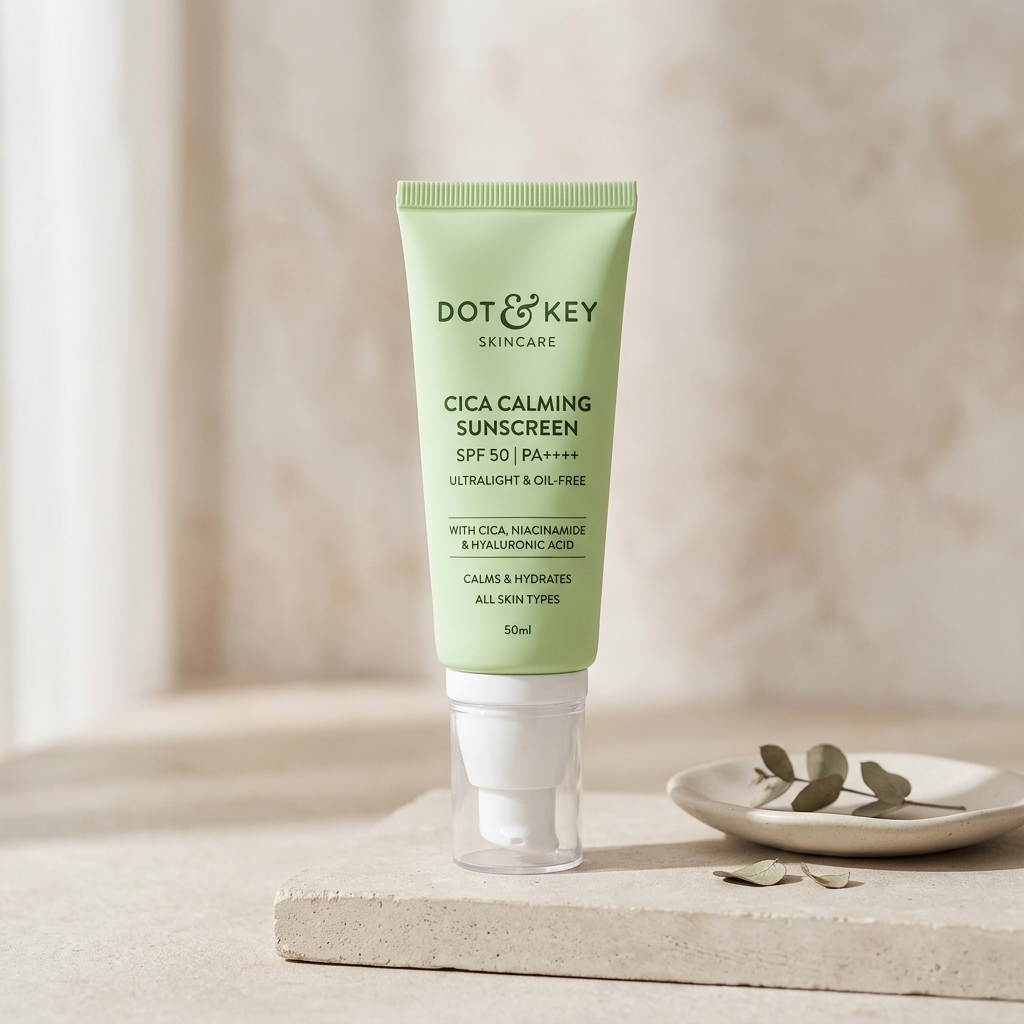
Formulation: Premium liposomal nanotechnology that encapsulates stabilized Vitamin C inside lipid vesicles, bypassing surface epidermal irritation entirely.
Top Dermatologist-Approved Non-Comedogenic Vitamin C Serums in India
Formulation: Water-light serum powered by 3-O-Ethyl Ascorbic Acid with Centella Asiatica water and 1% Ascorbyl Glucoside. 100% fragrance-free and non-comedogenic.
Formulation: Unique emollient gel-milk formulation with Dicaprylyl Carbonate that cushions pure L-AA, drastically reducing tingling on resilient oily skin.
Formulation: Gold standard Indian pharmacy formulation with stabilized L-Ascorbic Acid. Ultra-pure formulation recommended by Indian dermatologists.
Formulation: Nanotech liposomes encapsulate Ethyl Ascorbic Acid, transporting the antioxidant deep into the dermis with zero surface irritation.
The 4-Step Breakout Recovery & Reintroduction Protocol
Immediately stop your Vitamin C serum. Wash with a gentle, non-stripping cleanser (e.g. Cetaphil Gentle Cleanser) and apply a soothing barrier moisturizer with Ceramides and Centella.
Once active burning has stopped, apply a leave-on Salicylic Acid 2% Serum at night to dissolve trapped oxidized sebum plugs and unroof closed comedones.
Introduce a 10% Ethyl Ascorbic Acid serum on alternate mornings (Monday, Wednesday, Friday) over bone-dry skin. Apply only 2 to 3 drops for the entire face.
Always seal your morning Vitamin C with a lightweight, non-comedogenic sunscreen like Hydrating SPF 50 to prevent UV oxidation of surface lipids.
6 Dangerous Vitamin C Mistakes That Worsen Acne in India
Low-pH L-Ascorbic Acid burns open inflammatory pustules, causing severe stinging, tissue maceration, and deep hyperpigmented scarring.
Heat and humidity in Indian bathrooms accelerate the degradation of L-AA into pro-oxidant Dehydroascorbic Acid in less than 3 weeks.
20% pure L-AA does not lighten spots twice as fast as 10%; it simply multiplies barrier irritation and acid folliculitis by 400%.
Benzoyl Peroxide is a potent oxidizing agent that instantly oxidizes Vitamin C on contact, neutralizing both actives and irritating the pore.
Water increases the trans-epidermal penetration rate of acidic serums by 300%, turning a gentle application into an intense chemical sting.
Unprotected UV exposure on sensitized, Vitamin C-treated skin activates tyrosinase, darkening pre-existing marks into deep melasma.
Frequently Asked Questions: Vitamin C Breakouts
Vitamin C is not a true cell-turnover active like retinoids (Adapalene/Tretinoin) or salicylic acid. While mild low-pH exfoliation from L-Ascorbic Acid can occasionally bring shallow microcomedones to the surface within the first week, widespread tiny bumps, itching, or breakouts in new areas are clinical signs of acid contact irritation or solvent pore-clogging—not a healthy purge.
Sodium Ascorbyl Phosphate (SAP) is the premier choice for active acne because clinical studies demonstrate it directly inhibits *Cutibacterium acnes* bacteria and prevents sebum oxidation. For fading dark post-acne marks (PIH) without irritation, 3-O-Ethyl Ascorbic Acid (EAA) at 10% is exceptionally effective due to its skin-friendly pH (5.5) and superior stability.
When L-Ascorbic Acid oxidizes upon contact with oxygen and light, it degrades into Dehydroascorbic Acid and Erythrulose (the active dye in self-tanning lotions). When this degraded formula enters open pores on your nose and cheeks, it stains trapped sebum and keratin into dark blackish-orange plugs that look like stubborn blackheads. Discard oxidized serum immediately.
Yes. Modern dermatological formulations prove that Niacinamide and Vitamin C work synergistically to inhibit tyrosinase and block melanosome transfer. While mixing pure L-AA (pH 3.0) and Niacinamide at high concentrations can cause temporary flushing (nicotinic acid conversion), pairing Niacinamide with Ethyl Ascorbic Acid or SAP is completely safe and highly effective for Indian skin.
Store pure L-Ascorbic Acid serums in an amber or opaque glass bottle inside your refrigerator (at 4°C to 8°C) or in a dark, air-conditioned drawer. Avoid keeping your serum on bathroom vanity counters where steam and heat accelerate oxidation. Modern derivative serums (Ethyl Ascorbic Acid) are heat-stable and can be stored at room temperature away from direct sunlight.
Epidermal melanin turnover in Indian skin requires approximately 28 to 45 days. With daily morning use of a 10% Ethyl Ascorbic Acid serum paired with broad-spectrum SPF 50 sunscreen, noticeable lightening of post-inflammatory hyperpigmentation (PIH) occurs within 6 to 8 weeks, with optimal collagen and tone improvements visible at 12 weeks.