Indian skin predominantly spans Fitzpatrick Skin Types III to V, characterized by higher basal melanin production and larger, hyper-reactive melanocyte cells. When acne inflammation occurs—or when pimples are squeezed and picked—an inflammatory cascade triggers rapid tyrosinase enzyme activity and melanin overproduction.
To effectively fade post-acne dark spots, it is critical to understand that Vitamin C and Niacinamide target two completely distinct stages of the pigmentation pathway:
- Vitamin C (Tyrosinase Inhibition): Directly suppresses the tyrosinase enzyme in melanocytes, halting the initial chemical conversion of L-tyrosine into L-DOPA and preventing new melanin pigment from forming.
- Niacinamide (Melanosome Transfer Blockade): Does not stop melanin production directly; instead, it blocks the physical transfer of pigment-filled melanosomes from melanocytes into surrounding keratinocyte skin cells by 35% to 68%.
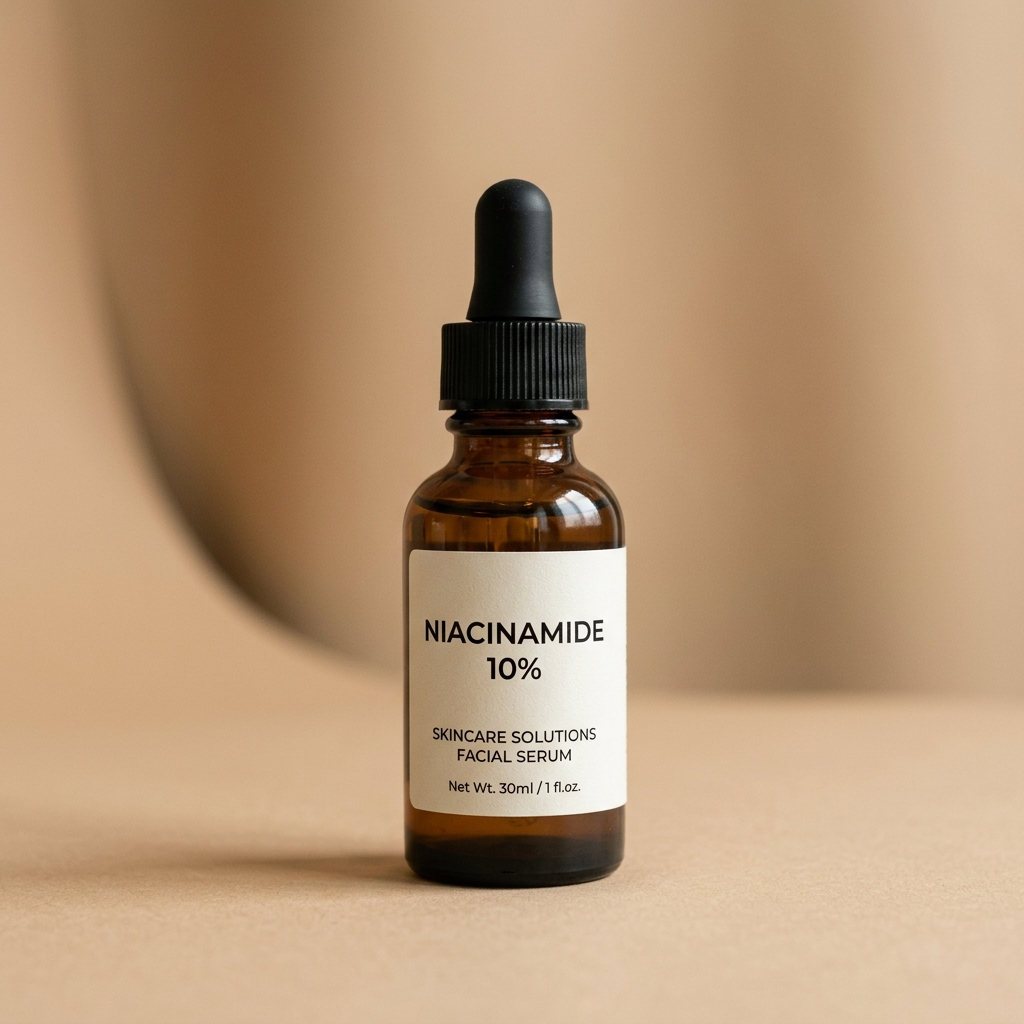
| Feature | Niacinamide (5%) | Vitamin C (L-Ascorbic Acid 10–15%) | Vitamin C Derivatives (3-O-Ethyl Ascorbic 10%) |
|---|---|---|---|
| Mechanism | Melanosome transfer blockade (35–68% reduction) | Tyrosinase enzyme inhibition + free radical neutralization | Enzymatic conversion to L-Ascorbic Acid + tyrosinase suppression |
| Stability in Indian Climate | Extremely stable (heat/light resistant) | Unstable (oxidizes turn yellow/brown in heat/light) | Highly stable (heat & light resistant) |
| Optimal pH | 5.5–6.5 | 2.5–3.5 (can sting sensitive skin) | 4.0–5.5 (non-stinging) |
| Sebum & Barrier Benefit | Boosts ceramide synthesis & controls sebum | Boosts collagen synthesis | Antioxidant protection |
| Top Indian Picks | Minimalist 5% Niacinamide / Plum 10% | Cipla VC 15 / Dermaco 15% | Minimalist 10% Vitamin C / Deconstruct 10% |
| Price | ₹499–₹599 | ₹699–₹1200 | ₹599–₹699 |
A persistent skincare myth claims that Niacinamide and Vitamin C cancel each other out or react to form skin-irritating nicotinic acid. This myth stems from an outdated 1960s laboratory study that mixed unformulated, pure compounds at extreme temperatures above 80°C in an acidic environment.
In modern room-temperature skincare chemistry, Niacinamide and Vitamin C are completely stable when combined. However, there is a practical application nuance for Indian skin:
- Pure L-Ascorbic Acid pH Clash: Pure Vitamin C requires a low, highly acidic pH (2.5–3.5) to penetrate skin, whereas Niacinamide operates best at a neutral pH (5.5–6.5). Applying them simultaneously in liquid layer form can raise the pH of Vitamin C (reducing efficacy) or cause temporary facial flushing in sensitive skin.
- Ethylated Derivatives Pair Seamlessly: Modern derivatives like 3-O-Ethyl Ascorbic Acid operate at pH 4.0–5.5 and can be mixed directly with Niacinamide without any flushing or neutralization.
Niacinamide 5% Wins
Controls facial sebum production, shrinks enlarged pores, and prevents future acne breakouts while fading dark marks without clogging pores.
Vitamin C 10–15% Wins
Stimulates dermal collagen synthesis, neutralizes environmental free radicals, and imparts an instant radiant glow to dull, sun-damaged skin.
Niacinamide 2–5% Wins
Strengthens the stratum corneum barrier by accelerating ceramide synthesis, soothing inflammation without acidic stinging.
Combo Therapy (AM + PM)
Combines Vitamin C in the morning (tyrosinase inhibition) with Niacinamide in the evening (melanosome transfer block) for max pigment clearance.
To maximize post-acne dark spot fading while preserving your skin barrier in humid or dry Indian weather, follow this dermatologist-approved regimen:
☀️ Morning Routine (Antioxidant & UV Protection)
- Gentle Cleanser: Wash face with a non-stripping, sulphate-free gel cleanser.
- Vitamin C Serum: Apply 3–4 drops of Vitamin C serum (L-Ascorbic Acid 10–15% or 3-O-Ethyl Ascorbic 10%) on dry skin.
- Niacinamide Moisturizer: Apply a light gel-cream moisturizer enriched with 2–5% Niacinamide to lock in hydration.
- Gel Sunscreen SPF 50 PA++++: Apply a lightweight, non-comedogenic sunscreen. Sunscreen prevents UV rays from darkening fading PIH marks.
🌙 Evening Routine (Cellular Repair & Barrier Renewal)
- Double Cleanse: Remove sunscreen, excess sebum, and outdoor pollution using a gentle cleansing oil or micellar water followed by a foaming cleanser.
- Active Treatment: Apply 5% Niacinamide Serum OR your prescribed Retinoid (Adapalene / Tretinoin) on alternate nights.
- Ceramide Repair Cream: Seal your skin with a ceramide-rich barrier repair moisturizer to prevent transepidermal water loss (TEWL).