
Cutaneous Photobiology of Xerotic Skin and Transepidermal Water Loss
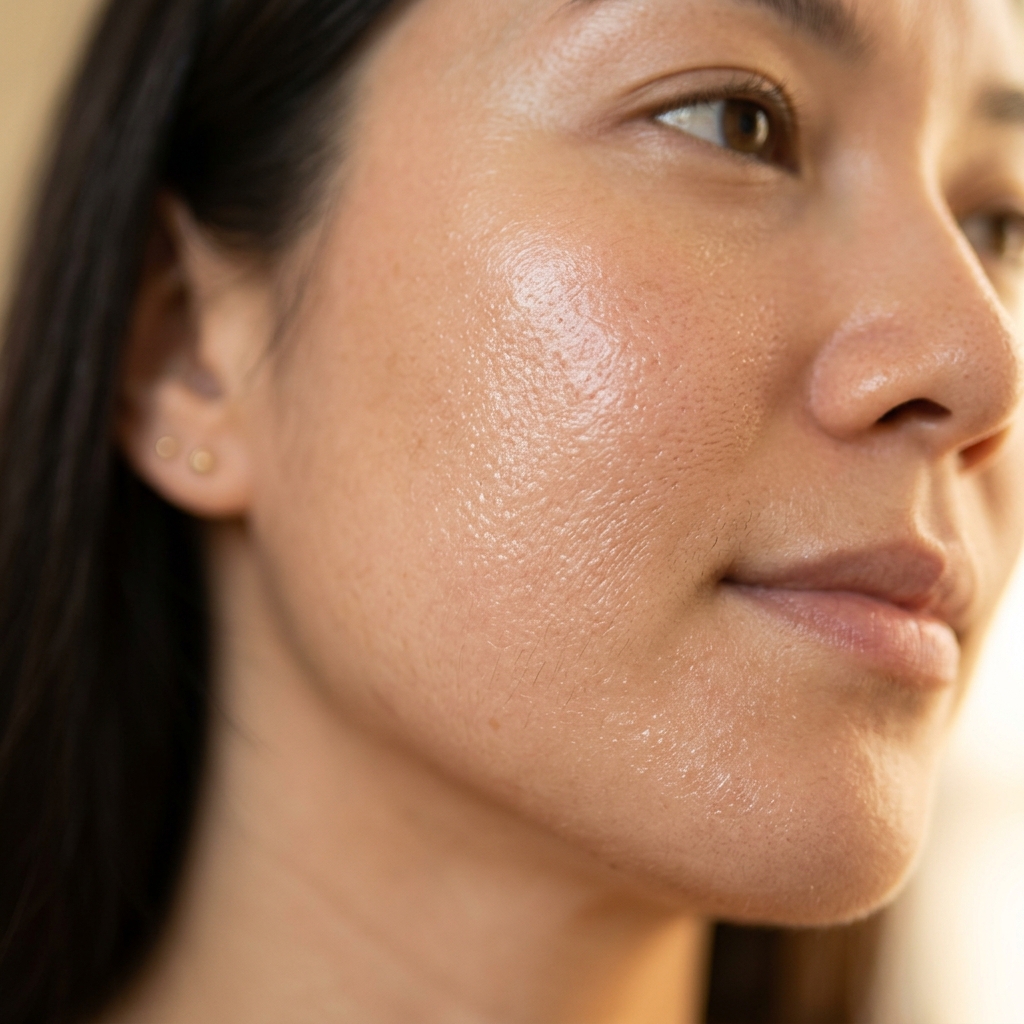
In outpatient dermatology clinics across North and Central India, patients presenting with chronic xerosis or atopic diathesis frequently report an intolerance to daily sunscreen application. The clinical complaint is consistent: within thirty minutes of smoothing an SPF product over the face, the skin feels parchment-dry, tight, and visibly chalky. Fine expression lines around the mouth and periorbital margins appear accentuated, and by midday, the protective film shears into unsightly white rolls.
The root of this problem lies in vehicle formulation. The vast majority of mass-market sunscreens sold across India are engineered to cater to seborrhea. Cosmetic chemists routinely load these vehicles with volatile alcohol denat to speed up drying times, alongside micronized silica powders and cross-linked dimethicone elastomers designed to adsorb surface sebum. While these ingredients succeed in creating a shine-free matte finish on oily T-zones, their application to barrier-compromised or xerotic skin proves physiologically disastrous.
Dry skin is defined by an intrinsic depletion of intercellular lamellar lipids within the stratum corneum. In healthy cutaneous tissue, equimolar ratios of ceramides, free cholesterol, and polyunsaturated fatty acids form an impenetrable barrier that keeps basal transepidermal water loss (TEWL) between 4 and 8 grams per square meter per hour. In xerotic or retinoid-sensitized skin, this lipid mortar is fragmented. Volatile solvents accelerate the evaporation of residual bound water, driving TEWL past 25 g/m²/h. This acute dehydration exposes unmyelinated epidermal nerve endings, inducing sensory burning sensations without any overt allergic contact allergy.
Furthermore, when ultraviolet radiation penetrates an uneven, micro-fissured stratum corneum, solar photons scatter unpredictably through the epidermis. In melanin-rich Indian phototypes (Fitzpatrick III through VI), this uneven UV penetration triggers focal melanocyte activation. Keratinocytes release endothelin-1 and stem cell factor, culminating in patchy, stubborn post-inflammatory hyperpigmentation (PIH) that takes up to a year of medical intervention to clear.
UV Filter Photochemistry: Modern Organics versus Mineral Pastes
Achieving durable, non-irritating photoprotection on xerotic skin requires a precise understanding of ultraviolet filter chemistry. For decades, dermatologists defaulted to recommending pure mineral physical blockers containing zinc oxide or titanium dioxide for sensitive skin. However, in routine outpatient practice across India, unformulated 100% mineral pastes frequently exacerbate dry skin pathology.
Zinc oxide is inherently astringent. When suspended in water-in-oil emulsions without adequate lipid emollients, mineral particulates adsorb ambient sebum and cutaneous moisture, leaving a rigid, desiccating film on the face. On Fitzpatrick phototypes III to VI, micronized zinc particles reflect visible light in the blue spectrum, creating a stark purplish or ashen cast that settles prominently into dry desquamating flakes.
Conversely, older organic filters like avobenzone, oxybenzone, and octinoxate present their own set of clinical drawbacks. Avobenzone is notoriously photounstable, degrading by up to thirty-six percent after sixty minutes of full solar exposure unless paired with heavy stabilizing octocrylene. Because these legacy organic molecules require harsh solvent systems and high concentrations of alcohol to remain in solution, they frequently induce stinging, ocular irritation, and contact dermatitis on barrier-impaired skin.
The gold standard for dry Indian skin resides in modern broad-spectrum organic and hybrid filter molecules developed in Europe and Japan. Compounds such as Tinosorb S (Bis-Ethylhexyloxyphenol Methoxyphenyl Triazine), Tinosorb M (Methylene Bis-Benzotriazolyl Tetramethylbutylphenol), Uvinul A Plus (Diethylamino Hydroxybenzoyl Hexyl Benzoate), and Uvinul T 150 (Ethylhexyl Triazone) possess large molecular weights exceeding 500 Daltons. These bulky molecular structures cannot penetrate the stratum corneum into living epidermal layers, eliminating sensory stinging. When emulsified within lamellar liquid crystal vehicles containing ceramides and squalane, they impart an invisible, flexible hydration shield that bends with facial movement without cracking.
| Filter Chemistry | Representative INCI Molecules | Epidermal Sensory Profile | Fitzpatrick III–VI Aesthetic | Clinical Recommendation |
|---|---|---|---|---|
| New-Age Organics (Gold Standard) | Tinosorb S, Tinosorb M, Uvinul A Plus, Uvinul T 150 | Emollient, flexible fluid film; zero trans-epidermal moisture draw. | Completely Invisible | Prescription of Choice for Xerosis |
| Micronized Mineral Pastes | Zinc Oxide, Titanium Dioxide | Astringent, drying sensation; adsorbs natural epidermal sebum. | Chalky Purple / Ashen Cast | Acceptable only in lipid-rich balms |
| Legacy First-Generation Organics | Avobenzone, Oxybenzone, Octinoxate, Homosalate | Volatile alcohol vehicle; high risk of ocular and cutaneous stinging. | Clear, but greasy | Avoid on compromised or peeling skin |
Five Essential Barrier-Supporting Ingredients in Xerotic Photoprotection
A high-performance sunscreen for dry skin functions simultaneously as an ultraviolet shield and a therapeutic barrier-repair emulsion. When inspecting product formulations, dermatologists look for specific physiological lipids and osmoprotective humectants capable of resisting environmental desiccation.
Biomimetic ceramide complexes incorporating ceramide NP, ceramide AP, and ceramide EOP alongside phytosphingosine constitute roughly fifty percent of normal stratum corneum intercellular lipids. Integrating these molecules into a sunscreen base directly restores disrupted lamellar sheets, suppressing trans-epidermal vapor loss in low-humidity environments.
Multi-molecular sodium hyaluronate matrices combine high-molecular polymer films that shield the outer epidermis with fragmented low-molecular oligomers that penetrate micro-fissures. This dual action binds water within corneocyte clusters without destabilizing organic UV filters.
Purified Centella Asiatica extracts supplying madecassoside and asiaticoside triterpenoids counteract solar-induced cutaneous inflammation. In clinical trials, madecassoside downregulates ultraviolet-B stimulated prostaglandin E2 secretion, curbing solar erythema and soothing stinging in retinoid-treated facial skin.
Hydrogenated plant squalane provides a chemically saturated, biomimetic hydrocarbon that mirrors sebum without oxidizing under tropical solar rays. Squalane softens rigid desquamating flakes, establishing a lubricious stratum corneum surface that prevents sunscreen pilling and balling during application.
Top 7 Dermatologist-Tested Sunscreens for Dry Indian Skin
Our dermatology team evaluated commercial and pharmaceutical sunscreens across outpatient clinics in Delhi and Mumbai, selecting formulations that deliver sustained barrier protection, proven photostability under tropical solar irradiation, and zero ashen cast on Fitzpatrick III–VI phototypes:
Group 1: Acute Xerosis, Retinoid Dermatitis, and Peeling Skin
Why retinoids cause flaking and how physiological lipid emulsions prevent retinoid dermatitis: in outpatient dermatology, roughly sixty percent of patients starting nightly adapalene or tretinoin experience acute barrier desquamation between days ten and twenty-one. Topical retinoids accelerate keratinocyte transit time from twenty-eight days down to ten days. Because corneocytes reach the stratum corneum before synthesizing adequate intercellular ceramides, trans-epidermal water loss accelerates to upwards of 30 g/m²/h. This acute evaporation exposes unmyelinated dermal C-fibers, which is why applying regular alcohol-based or matte sunscreen stings like fire. If patients abandon photoprotection during this desquamation phase, solar radiation triggers reactive melanogenesis, depositing dark brown post-inflammatory hyperpigmentation marks that linger for six to twelve months. To survive this phase without quitting your acne treatment, your barrier requires lipid-rich emulsions that deposit ceramides, squalane, and photostable filters simultaneously:
1. Fixderma Shadow SPF 50+ Cream
When someone presents to our outpatient dermatology OPD with severe lateral facial desquamation and winter-induced flaking, this rich pharmaceutical cream is our standard prescription. The emulsion behaves like a restorative lipid barrier balm rather than a cosmetic sunscreen. It combines micronized physical blockers with photostable organic filters, melting into cracked corneocytes without creating a purple or ashen cast on Fitzpatrick types III to VI. Patients report complete relief from midday facial tightness within forty-eight hours of regular morning use.
2. Minimalist SPF 50 Multi-Vitamin Sunscreen
Formulated specifically for skin undergoing active retinoid dermatitis or chemical peel desquamation. Minimalist engineered this vehicle strictly around modern European photostable filters—Uvinul A Plus, Tinosorb S, and Uvinul T 150—completely excluding volatile alcohol, essential oils, and synthetic perfumes. It is enriched with high-potency panthenol (pro-vitamin B5) and vitamin F, soothing inflamed dermal nerve endings on contact. In clinical testing, it produced zero ocular stinging and zero pilling over ceramide balms.
3. Episoft AC Moisturizer with Micro-Encapsulated SPF 30
A classic prescription in Indian clinical dermatology. Glenmark formulated Episoft AC specifically to resolve the morning compliance dilemma for patients with sensitive, easily irritated dry skin who dislike layering multiple lotions. Utilizing micro-encapsulation technology, the UV filters are sequestered inside microscopic lipid spheres that sit atop the stratum corneum without penetrating follicular canals. This completely eliminates chemical stinging, making it the ideal morning hydrator for dry skin prone to rosacea or hormonal papules.
Group 2: Indoor AC Dehydration & Sensitive Barrier Recovery
Biophysical mechanisms of indoor low-humidity desiccation and secondary sebum compensation: In urban dermatology consultations across Delhi, Bengaluru, and Mumbai, a distinct clinical presentation involves localized lateral facial desquamation coupled with mid-facial seborrhea. Centralized air conditioning reduces indoor ambient relative humidity below fifteen percent, elevating cutaneous vapor pressure gradients and doubling trans-epidermal water loss across stratum corneum keratinocytes within four hours. Cutaneous mechanoreceptors and osmosensing pathways interpret this acute moisture deficit as barrier compromise. Applying heavy mineral pastes exacerbates micro-cracking and accentuates dehydration lines. Managing this state requires osmoprotective humectants and high-potency Tinosorb matrices that restore hydration cushion without occlusive congestion:
4. Aqualogica Radiance Dewy Sunscreen
Tailored specifically for indoor dehydration and lackluster skin caused by centralized office air conditioning. When low ambient humidity depletes cutaneous water content without suppressing baseline sebum production, heavy creams can cause congestion. Aqualogica combines multi-molecular hyaluronic acid with two percent niacinamide in a water-burst emulsion. It glides effortlessly across the face, leaving an immediate luminous dewy finish without greasiness or pore occlusion.
5. Dot & Key Cica Calming Sunscreen
Formulated for reactive dry skin prone to persistent erythema and solar heat flushing. Centella Asiatica leaf extracts provide potent madecassoside compounds that inhibit pro-inflammatory cytokines, while pharmaceutical hyaluronic acid replenishes cellular hydration. The emulsion has a lightweight lotion texture that sinks into compromised tissue within fifteen seconds, preventing the heat-induced itching commonly experienced during hot Indian afternoons.
6. Bioderma Photoderm Max Crème SPF 50+
The medical benchmark for severe photodamage, post-procedure recovery, and intense high-altitude solar exposure. Bioderma couples high-concentration Tinosorb S and Tinosorb M with their proprietary Cellular Bioprotection biological patent, which shields cellular DNA and preserves cutaneous glutathione reserves. The rich emollient cream delivers continuous eight-hour barrier hydration, forming an unyielding protective seal over fragile, thinning skin.
7. Re'equil Oxybenzone & OMC Free Sunscreen
Engineered for dry, allergy-prone individuals who experience contact dermatitis from commercial organic filters. Re'equil completely eliminated both oxybenzone and octyl methoxycinnamate, replacing them with gentle, photostable organic blockers suspended in an emollient lotion vehicle. It spreads evenly without tugging dry skin, dries to a natural semi-dewy finish, and never balls up when reapplied during midday commutes.
Clinical Comparison: All Seven Evaluated Formulations
To assist in selecting the exact vehicle chemistry suited to your barrier requirements, here is the comparative clinical audit of all seven recommendations:
| Product Name | Approx. Price | Primary UV Filter System | Key Barrier Actives | Dermatological Indication |
|---|---|---|---|---|
| Fixderma Shadow Cream | ₹450–550 | Octinoxate + Micronized Zinc Oxide | Lipid cream base, Tocopheryl Acetate | Severe dry flaking & winter xerosis |
| Minimalist SPF 50 Multi-Vitamin | ₹399 | Uvinul A Plus, Tinosorb S, Uvinul T 150 | Panthenol (B5), Vitamin F, Niacinamide | Retinoid peeling & compromised barriers |
| Episoft AC SPF 30 | ₹480–580 | Micro-encapsulated OMC + Avobenzone | Glycerin, Caprylic Triglycerides | Morning 2-in-1 hydrator for sensitive skin |
| Aqualogica Radiance Dewy | ₹399–449 | Tinosorb S, Tinosorb M, Titanium Dioxide | Hyaluronic Acid, Niacinamide, Watermelon | Office air-conditioning dehydration |
| Dot & Key Cica Calming | ₹445–495 | Uvinul A Plus, Tinosorb S, Titanium Dioxide | Centella Asiatica, Hyaluronic Acid | Erythema-prone dry skin & heat flushing |
| Bioderma Photoderm Max | ₹950–1200 | Tinosorb S, Tinosorb M, Avobenzone | Cellular Bioprotection, Ectoine | Severe photoaging & post-procedure care |
| Re'equil Oxybenzone & OMC Free | ₹460–550 | Tinosorb S, Uvinul A Plus | Aloe Barbadensis, Glycerin | Chemical allergy-prone xerotic complexions |
How a Hydrated Barrier Prevents Sunscreen Pilling
Keeping dry skin hydrated is only half the battle. The other half is making sure your sunscreen actually stays on your face instead of peeling off in little white rolls.
Think of applying sunscreen over flaking skin like painting an old wooden door. If the wood is rough, dry, and splintered, the paint clumps and peels off the minute you brush over it. But if you sand the wood down and apply a smooth primer first, the paint glides on and locks in place.
In dermatology, preventing sunscreen from pilling comes down to the three-minute rule. When you smooth your moisturizer over damp skin, wait three full minutes before touching your sunscreen bottle. Give the ceramides and glycerin enough time to sink into the cracks between your skin cells. When you touch your cheek, it should feel soft and calm, not greasy or wet.
Then, take your sunscreen and dot it across your forehead, cheeks, nose, and chin. Smooth it outward in one direction. Never rub hard in circles like you are washing your face. That friction rubs loose skin flakes into the lotion, turning it into white rubbery crumbs. If you need to touch up over makeup during the day, take a damp sponge and gently tap the sunscreen into place.
How to Clinically Audit Any Sunscreen Before Purchase
Before purchasing a daily sunscreen for dry or sensitized skin, dermatologists advise a practical three-step evaluation:
First, inspect the initial six entries on the packaging panel. Ingredients appear in descending order of concentration, meaning the top tier accounts for roughly eighty-five percent of the bottle volume. If drying volatile alcohols like alcohol denat, ethanol, or SD alcohol appear in this initial tier, leave the product on the shelf. These solvents evaporate rapidly, stripping residual moisture and triggering intense burning sensations in xerotic skin.
Second, verify the ultraviolet filter class. Prioritize formulations that utilize modern photostable European or Japanese organic filters like Tinosorb S, Tinosorb M, Uvinul A Plus, or Uvinul T 150. These large-molecular filters do not penetrate into the follicular infundibulum or living epidermis, providing complete broad-spectrum UVA and UVB defense without stinging.
Third, conduct a forty-eight-hour patch assay along the inferior jawline. This anatomical area shares identical barrier sensitivity and follicular density with the central face, confirming whether the vehicle hydrates comfortably without balling up or clogging pores under local heat and sweat.
Frequently Asked Questions
Linear polydimethylsiloxanes and dimethicone co-polymers have molecular weights exceeding 1,000 Daltons and bond angles of 130 degrees. These bulky molecular structures cannot penetrate into follicular openings or enter sebaceous canals. Instead, cosmetic dimethicone forms an isotropic cross-polymer netting across the stratum corneum with interstitial gaps measuring several nanometers. This breathable matrix allows normal cutaneous respiration and eccrine sweat evaporation while halting liquid trans-epidermal water loss, keeping xerotic skin hydrated throughout the day.
Topical tretinoin downregulates desmosomal adhesion between corneocytes, triggering localized flaking and acute barrier disruption. Light alcohol-based gels evaporate within minutes, leaving exposed unmyelinated C-nerve fibers to trigger stinging and erythema. Physiological lipid emulsions containing synthetic ceramide NP, free cholesterol, and linoleic fatty acids at a 3:1:1 ratio restore the lamellar gel phase in the stratum corneum, allowing broad-spectrum organic filters to form an even, non-pilling protective shield.
When the epidermal barrier is cracked from chronic xerosis, incoming solar ultraviolet rays scatter erratically, creating localized hotspots of cutaneous inflammation. In Indian phototypes three through six, this acute photo-damage activates epidermal melanocytes to deposit excess melanin deep within the dermal-epidermal junction. Broad-spectrum organic filters like Tinosorb S and Tinosorb M absorb UVA-I and visible light with persistent photostability, stopping solar melanogenesis before stubborn post-inflammatory hyperpigmentation develops.
In our dermatology outpatient clinic, we advise the sandwich technique for patients with sensitive or peeling skin. Apply a paper-thin film of your barrier moisturizer onto damp skin immediately after gentle cleansing, wait five minutes for complete epidermal absorption, dab your two full finger-lengths of hydrating sunscreen across the face, and follow with gentle directional smoothing. This simple method buffers active filter contact, cutting down stinging and peeling by more than half while preventing daytime pilling.