
What Is Fungal Acne & Why Standard Acne Treatments Make It Worse
If you have clusters of tiny, itchy, identical bumps across your forehead, temples, upper chest, or back that seem impervious to Salicylic Acid, Adapalene, or Clindamycin, you are almost certainly dealing with Malassezia (Pityrosporum) Folliculitis—commonly referred to as "Fungal Acne".
🚨 CRITICAL CLINICAL DISTINCTION: Fungal acne is NOT acne vulgaris. It is an opportunistic infection of the hair follicle caused by an overgrowth of Malassezia—a lipophilic (lipid-loving) yeast that lives naturally on human skin. When you apply typical acne treatments like topical antibiotics (Clindamycin, Nadifloxacin), you wipe out benign skin bacteria, eliminating natural competition and causing Malassezia yeast colonies to explode exponentially.
In hot and humid Indian conditions (especially during monsoon and peak summer), high ambient sweat and sebum production provide an endless buffet of free fatty acids for Malassezia yeast. Furthermore, traditional Indian hair oiling practices (champi with coconut or mustard oil) deposit dense C12–C18 fatty acids directly onto the forehead hairline, triggering severe fungal folliculitis flares.
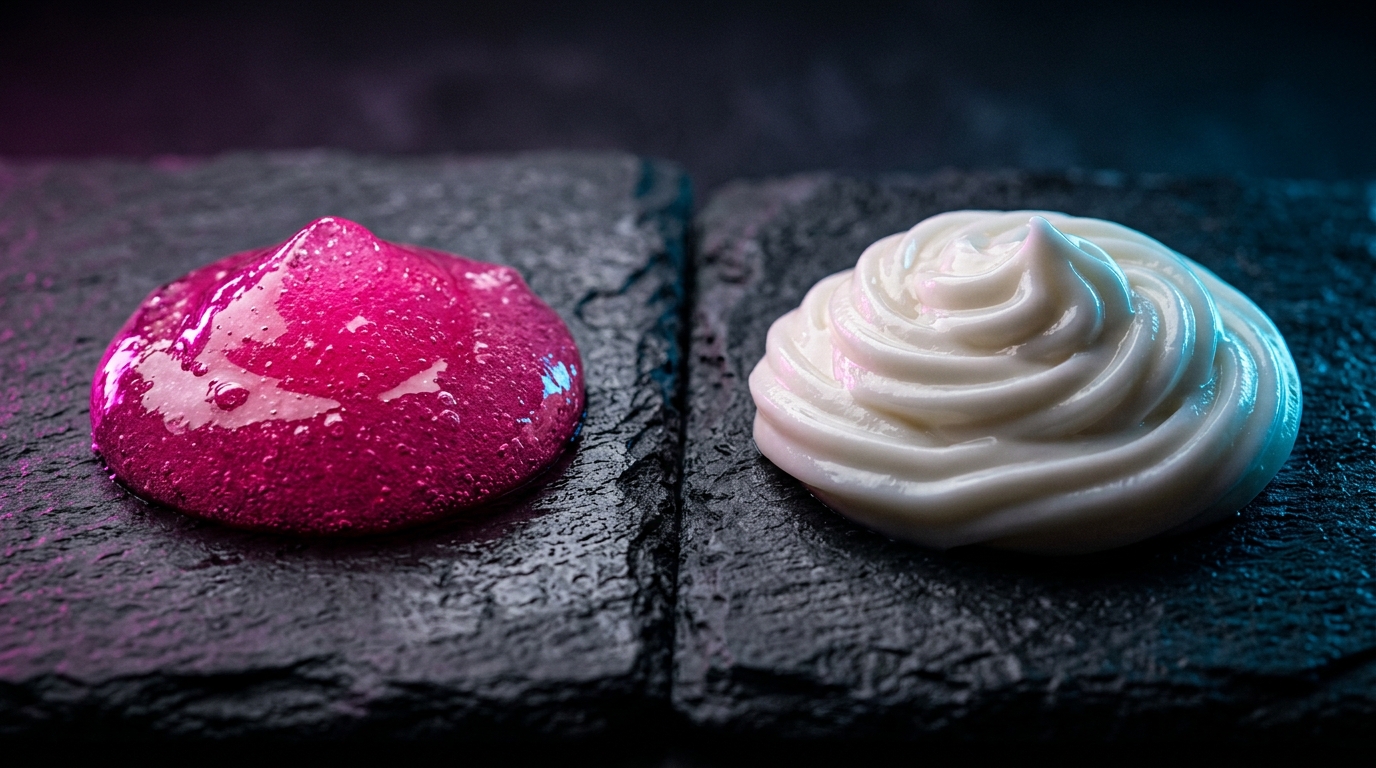
Diagnostic Matrix: Fungal Acne vs Closed Comedones vs Bacterial Acne
Treating fungal acne requires a radically different active portfolio compared to bacterial acne. Use this clinical differential diagnostic matrix to determine the exact nature of your breakouts:
| Feature | Fungal Acne (Malassezia) | Closed Comedones (Whiteheads) | Bacterial Acne (Acne Vulgaris) |
|---|---|---|---|
| Lesion Appearance | Uniform, monomorphic 1–2mm dome papules in tight clusters. | Flesh-colored bumps with varying sizes; non-inflammatory. | Polymorphic mix of pustules, cysts, blackheads & red nodules. |
| Hallmark Symptom | Pruritic (Itchy), especially when sweating or in humid weather. | Zero itching or pain; rough "sandpaper" texture. | Throbbing tenderness and localized inflammatory heat. |
| Primary Locations | Forehead hairline, temples, upper chest, shoulders, upper back. | Cheeks, chin, forehead, nose bridge, jawline. | U-zone, jawline, cheeks, chin, back. |
| Microbial Cause | Malassezia globosa / restricta (Fungal Yeast) | Hyperkeratinization + Trapped Sebum Plug | Cutibacterium acnes (Anaerobic Bacteria) |
| Response to Antibiotics | Worsens rapidly (Yeast thrives as bacteria die). | No effect. | Improves (temporary reduction in inflammation). |
| Gold-Standard Active | Ketoconazole 2% / Zinc Pyrithione | Salicylic Acid 2% / Adapalene 0.1% | Benzoyl Peroxide 2.5% / Retinoids |
The 5-Minute Short-Contact Ketoconazole Wash Protocol
Ketoconazole works by inhibiting lanosterol 14-alpha-demethylase, a key fungal enzyme required to synthesize ergosterol (the structural building block of fungal cell membranes). Without ergosterol, Malassezia cell walls become porous and collapse.
Because anti-dandruff shampoos contain foaming surfactants (SLS/SLES) designed for scalp skin, leaving them on delicate facial skin overnight will destroy your acid mantle. Follow this dermatologist-approved Short-Contact Therapy (SCT) protocol:
Splash your face or chest with lukewarm water. Do NOT use hot water, which dilates capillaries and intensifies surfactant irritation. Pat gently so skin remains damp.
Dispense a coin-sized amount of Ketoconazole 2% Shampoo (e.g. Nizoral, Scalpe Pro, Danfree) into damp palms and work into a rich lather. Smooth across affected areas (forehead, temples, chest). Set a 5-minute timer. Keep away from upper eyelid skin.
Why 5 Minutes? Pharmacokinetic studies demonstrate that 5 minutes of topical contact achieves 92% Malassezia inhibition without depleting intercellular stratum corneum ceramides.
Rinse thoroughly with lukewarm water until zero residue remains. Pat dry with a fresh, clean microfiber towel. Never scrub or rub aggressively with terry cloth.
Within 60 seconds of drying, apply a generous layer of an oil-free, fatty-acid-free gel moisturizer (e.g. Sebamed Clear Face Care Gel or Pond's Super Light Gel) to restore hydration without feeding dormant yeast.
📅 Treatment Cadence:
• Active Flare Phase: Use once daily every evening for 10 to 14 consecutive days.
• Maintenance Phase: Once clear, use 1 to 2 times weekly to prevent monsoon humidity relapses.
Interactive Diagnostic Tool: Tap Any Card to Flip
Identify Your Exact Malassezia Breakout Profile
Tap any of the 4 clinical presentations below to flip the card and reveal its biological mechanism, targeted protocol, and safety rule:
Monomorphic Forehead Bumps
Clusters of identical 1–2mm itchy bumps across the hairline and upper forehead that worsen in sweat.
Tap to Reveal Match 🔄5-Min Ketoconazole 2% Mask
Malassezia yeast feeds on sweat and sebum trapped against the hairline. Short-contact Ketoconazole dissolves ergosterol cell membranes and halts proliferation rapidly.
Chest & Shoulder Folliculitis
Itchy red papules across the decolletage and upper spine after gym workouts or synthetic clothing wear.
Tap to Reveal Match 🔄Body Wash Lather + Zinc Soap
Gym compression wear and synthetic polyester trap heat and sweat, creating a yeast incubator. Lather Ketoconazole across the upper torso daily for 2 weeks.
Hair Oil (Champi) Outbreak
Sudden explosion of forehead and hairline bumps within 48h of applying coconut or almond hair oil.
Tap to Reveal Match 🔄Scalp Ketoconazole + Oil Cessation
Coconut oil contains 50% lauric acid (C12), the single most potent growth accelerator for Malassezia yeast. Stop all hair oiling and shampoo scalp with Ketoconazole 2x weekly.
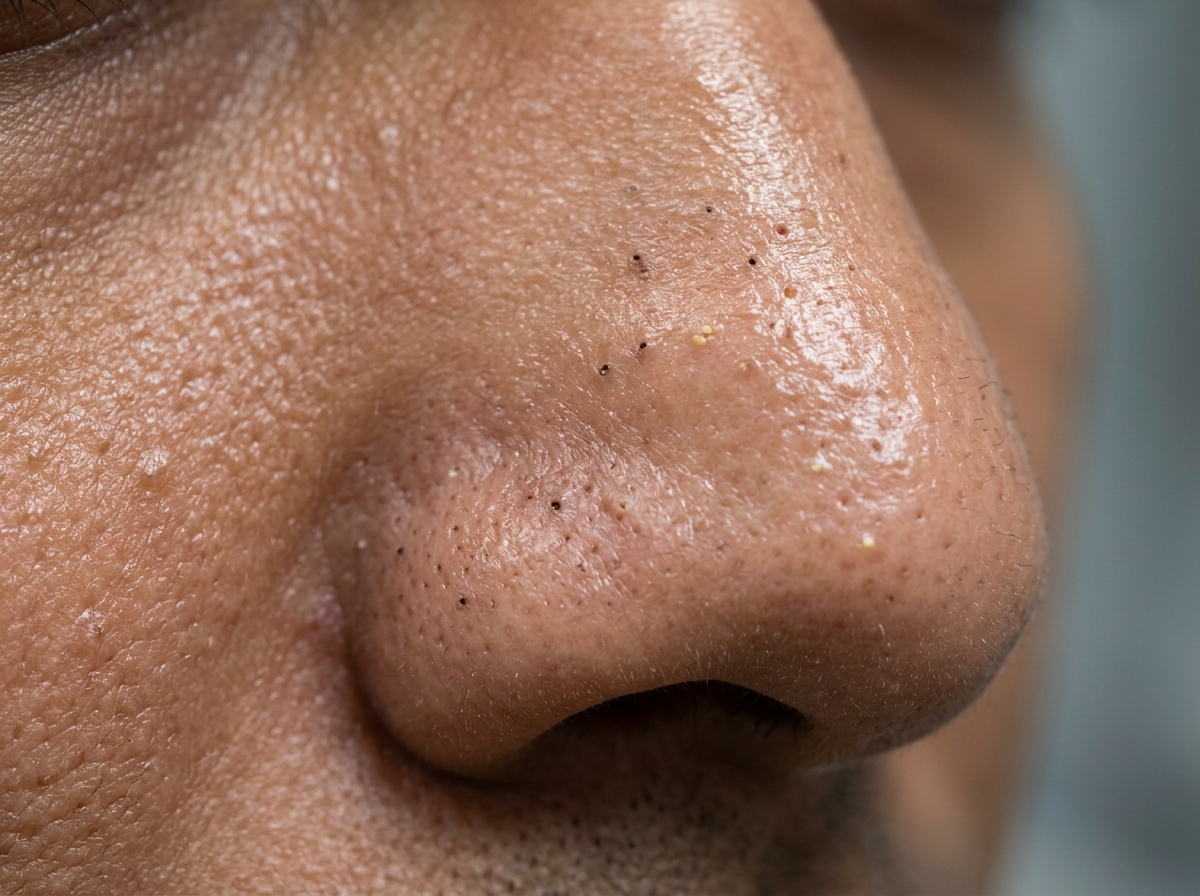
True Closed Comedones
Non-itchy flesh bumps with visible keratin plugs that fail to improve with antifungal washes.
Tap to Reveal Match 🔄2% Salicylic Acid + Adapalene 0.1%
These are true keratin and dead-cell plugs inside sebaceous pores. Switch from antifungal washes to oil-soluble Salicylic Acid and Adapalene to dissolve the plug.
Top Indian Pharmacy Ketoconazole Formulations
Indian pharmacies stock world-class 2% Ketoconazole formulations at very affordable price points. Here are the top dermatologist-recommended picks:
Formulation: The global gold-standard benchmark. Extremely potent fungicidal efficacy with minimal residue.
Formulation: Combines Ketoconazole with ZPTO for dual-action yeast suppression plus Piroctone Olamine conditioning.
Formulation: Cost-effective, gentle lathering agent that washes off cleanly without lingering heavy fragrances.
Formulation: Standardized 2% fungicidal wash available widely at any Indian chemist OTC.
The "Fungal Feeders" Lipid Banlist (C11–C24 Fatty Acids)
Malassezia is biologically unique: it lacks the genes required to synthesize its own fatty acids. To survive and multiply, it secretes lipase enzymes that cleave and consume carbon chain lipids between C11 and C24. Using even one product containing these lipids will trigger immediate regrowth:
| Ingredient Category | Common Culprits (FEED Malassezia) ❌ | Fungal-Safe Alternatives (SAFE) ✅ |
|---|---|---|
| Natural Oils & Butters | Coconut Oil, Almond Oil, Olive Oil, Shea Butter, Rosehip Seed Oil, Castor Oil, Argan Oil. | 100% Pure Sugarcane Squalane (C30 isoprenoid), Mineral Oil, Petrolatum. |
| Fatty Acids | Lauric Acid (C12), Myristic Acid (C14), Palmitic Acid (C16), Stearic Acid (C18), Oleic Acid (C18). | Caprylic Acid (C8), Capric Acid (C10) — pure MCT oil without C12. |
| Esters & Polysorbates | Isopropyl Myristate, Ethylhexyl Palmitate, Polysorbate 20/40/60/80, Glyceryl Stearate. | Caprylic/Capric Triglyceride (high purity), Propanediol, Glycerin. |
| Fermented Filtrates | Galactomyces Ferment Filtrate, Bifida Ferment, Saccharomyces Filtrates. | Centella Asiatica Extract, Niacinamide, Green Tea Polyphenols, Allantoin. |
Verified Fungal-Acne Safe Skincare Routine for Indian Skin
Simple Kind to Skin Refreshing Wash
100% free of fatty acids, esters, and harsh fragrances. Cleanses commuter grime without stripping the acid mantle or feeding Malassezia.
Sebamed Clear Face Care Gel
Formulated at physiological pH 5.5 with Hyaluronic Acid, Aloe, and Allantoin. 100% oil-free and ester-free; the gold standard in fungal safety.
Sebogel (Salicylic Acid + Niacinamide)
Contains 2% Salicylic Acid in a lightweight water-based gel vehicle that exfoliates follicles without any fungal-feeding lipids.
Blynds AC Gel SPF 50+ / Re'equil Oxybenzone Free
Lightweight gel-based broad-spectrum sunscreens that leave a matte finish without heavy fatty alcohols or comedogenic waxes.
6 Critical Mistakes That Cause Fungal Acne Relapses
Topical antibiotics kill off competing bacteria on your skin surface, allowing Malassezia yeast to proliferate uncontrolled. Never apply antibiotic gels to itchy uniform bumps.
Shampoos contain strong sulfates designed for sebum-heavy scalp skin. Leaving them on your face overnight strips stratum corneum lipids, causing severe contact dermatitis and peeling.
Coconut oil contains 50% lauric acid (C12). Sleeping with oiled hair allows lipids to migrate down the forehead, fueling massive fungal flares within 48 hours.
Polyester and nylon trap heat, humidity, and sweat against the chest and back. Always shower with Ketoconazole within 15 minutes of completing your workout.
While ceramides are essential for barrier repair, traditional rich creams contain Glyceryl Stearate, Isopropyl Myristate, and Polysorbates that trigger immediate yeast regrowth.
Malassezia spores remain dormant inside hair follicles. Complete the full 10–14 day daily protocol and transition to a weekly maintenance wash to prevent relapses.
Frequently Asked Questions: Ketoconazole & Fungal Acne
Most patients experience a significant reduction in itching within 24 to 48 hours of starting the 5-minute short-contact protocol. The small uniform papules typically flatten within 7 to 10 days of consistent daily use. A full 14-day course is recommended to eliminate residual fungal spores within follicular infundibula.
Topical Ketoconazole creams (like Nizral Cream) are effective against fungal organisms, but standard pharmaceutical cream bases often contain fatty acids, cetyl alcohol, and polysorbates that can paradoxically feed Malassezia or clog pores on oily T-zones. The shampoo short-contact wash is preferred by dermatologists because it delivers high fungicidal efficacy and is rinsed away completely.
Malassezia yeast thrives in high humidity (75–95%) and elevated ambient temperatures (30–38°C). The combination of constant sweating, increased sebum production, and atmospheric moisture creates the optimal micro-environment for fungal proliferation across the forehead, chest, and back.
Yes. Salicylic Acid (BHA) is oil-soluble and helps break down hyperkeratotic plugs, allowing Ketoconazole to penetrate deeper into the hair follicle. However, to avoid barrier irritation, use Ketoconazole as your PM 5-minute wash and apply gentle Salicylic Acid (like Sebogel) only 2 to 3 nights weekly.
Yes, Niacinamide (Vitamin B3) is 100% fungal-safe and highly beneficial. It regulates sebaceous gland activity, strengthens the ceramide lipid barrier, and calms inflammatory erythema. Choose a lightweight water-based serum formulated at 5% concentration without added heavy plant oils.
Fungal acne bumps are uniform (all 1–2mm in size), appear suddenly in dense clusters, and itch intensely when sweating. Closed comedones (whiteheads) vary in size, do not itch, possess visible trapped keratin plugs, and respond to retinoids rather than antifungal shampoos.
You must completely eliminate traditional vegetable oils (coconut, almond, mustard, castor, olive). The only 100% fungal-safe lipid alternative is Pure Sugarcane Squalane Oil (a saturated C30 hydrocarbon that Malassezia cannot metabolize) or pure mineral oil applied sparingly to hair ends.
If your breakouts fail to improve after 14 days of consistent 2% Ketoconazole short-contact therapy, or if folliculitis covers extensive surface areas across the entire back and chest, consult a dermatologist. Severe cases often require a short 1-to-2 week course of oral Itraconazole or Fluconazole alongside topical therapy.