
The Quick Buyer's Shortlist: What to Pick for Your Skin
If you want to skip guessing and find what works for your face right now, match your skin type to these four tested categories:
Minimalist Light Fluid SPF 50
Watery milk texture, zero fragrance, no greasy layer. Sinks in immediately without clogging pores.
The Derma Co 1% Hyaluronic Aqua Gel
Cooling gel with hyaluronic acid and niacinamide. Rehydrates skin dried by adapalene or benzoyl peroxide.
Re’equil Ultra Matte Dry Touch
Silicone gel that blurs pores and controls shine for 5+ hours. Requires nighttime double cleansing.
Conscious Chemist 100% Mineral
Pure zinc oxide and titanium dioxide. Zero chemical stinging on broken barrier or tender pustules.
Verified Lab Evidence: Who Shows Independent Testing?
Anyone can print "SPF 50, PA++++." But these three Indian brands published verifiable test documentation from independent laboratories:
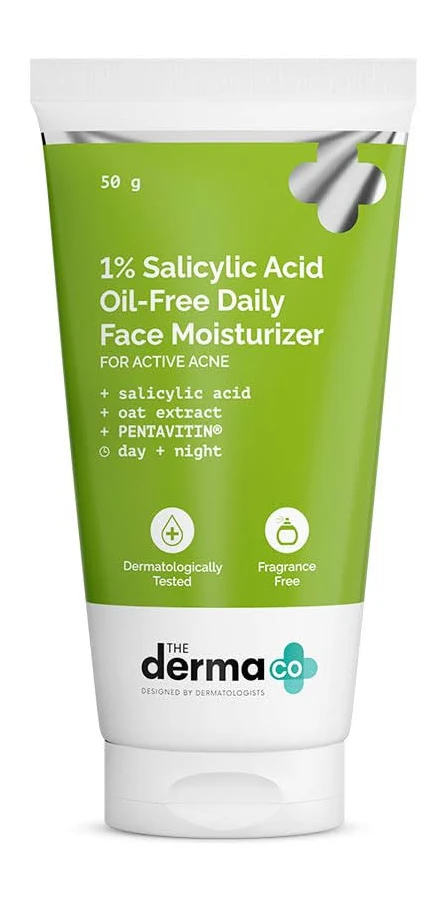
The Derma Co 1% Hyaluronic Aqua Gel
Provides a public test certificate from CCFT Laboratories confirming an in-vivo SPF of 50.169 and laboratory PA++++. (Note: certificate does not list a specific commercial batch number).
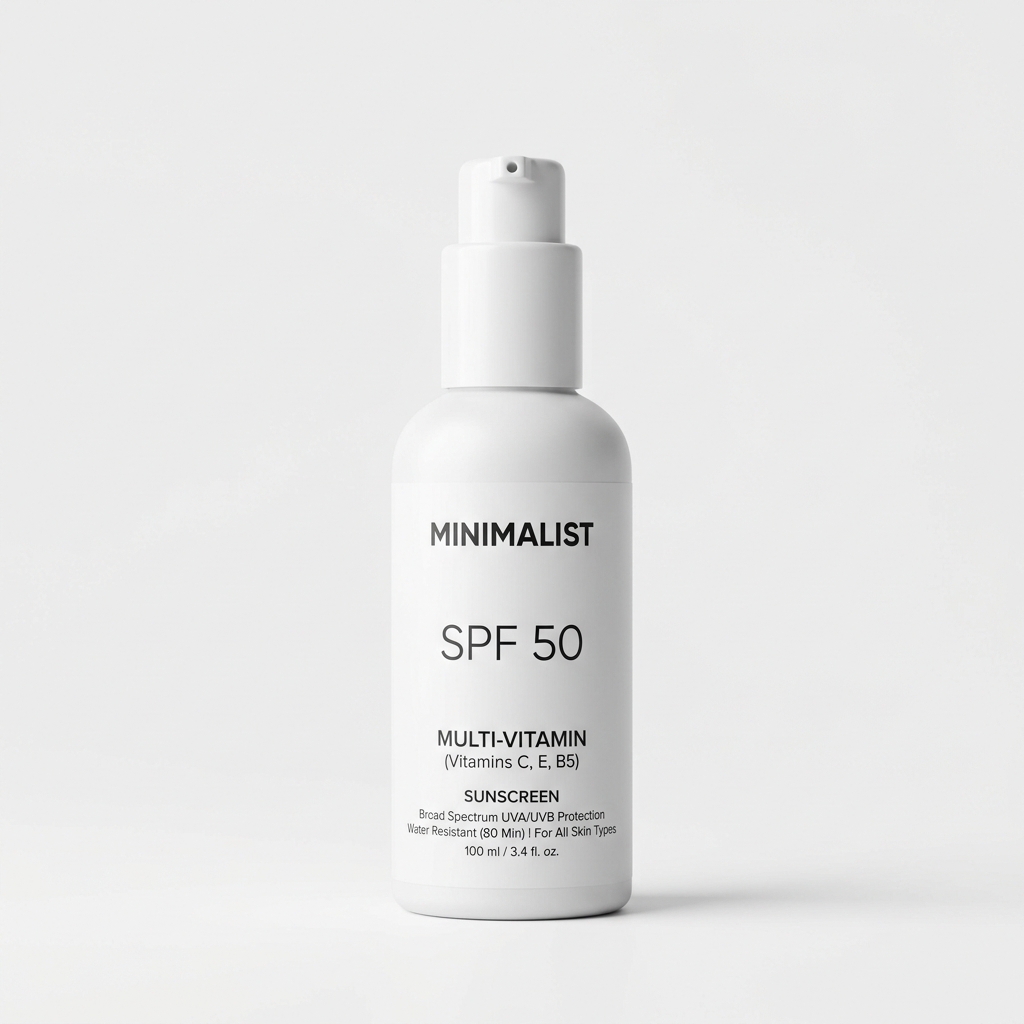
Minimalist Light Fluid SPF 50
Names independent facility Advanced Science Laboratories and shares an ISO 24444 in-vivo test result measuring SPF 56 with its registered study number.
Plum Green Tea & Zinc Super-Matte
Features an online batch portal where customers can enter the code from their tube to view batch-specific UV testing results.
10 Popular Indian Sunscreens Compared: Formulas & Evidence
We evaluated 10 widely discussed Indian sunscreens across claimed ratings, texture finish, benefits for acne-prone skin, potential watch-outs, and published laboratory evidence:
| Product | Claimed Protection | Formula & Finish | Pros for Acne-Prone Skin | Cons / Checks | Published Protection Evidence |
|---|---|---|---|---|---|
|
Minimalist Light Fluid
SPF 50, PA++++
|
SPF 50, PA++++ | Mixed modern UV filters; fragrance-free runny fluid | Very light fluid texture; zero perfume; non-comedogenic claim | Check how it feels when applied generously (requires 2-3 full pumps to reach full SPF) | Named independent lab: Advanced Science Laboratories; ISO 24444 in-vivo SPF 56, with study number published |
|
The Derma Co 1% Hyaluronic Aqua Gel
SPF 50, PA++++
|
SPF 50, PA++++ | Hyaluronic acid and niacinamide; fragrance-free, dewy finish | Great if skin feels tight or dry from acne treatments like benzoyl peroxide or adapalene | Dewy finish can look shiny on very oily t-zones during peak summer months | Downloadable CCFT lab certificate: in-vivo SPF 50.169, lab PA++++; certificate gives no batch number |
|
Foxtale Ultra Matte
SPF 50, PA++++
|
SPF 50, PA++++ | Niacinamide, panthenol, and silica; matte finish | Designed for oil control; silica absorbs midday grease; non-comedogenic claim | Contains fragrance; perfumed formula may irritate angry, active acne lesions | Product-specific SPF test report not located on product page; consumer trials do not establish SPF |
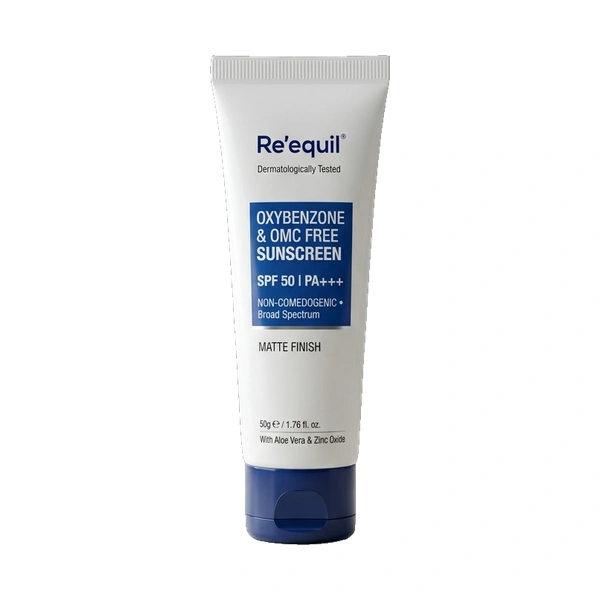
Re’equil Ultra Matte Dry Touch
SPF 50, PA++++
|
SPF 50, PA++++ | Hybrid UV filters; silicone-based, primer-like velvety matte finish | Controls shine for 5+ hours; sweat and water-resistant; smooth makeup base | Contains fragrance; silicone film feels heavy if not removed with an evening double cleanse | Product-specific measured SPF report or downloadable document not located on page |
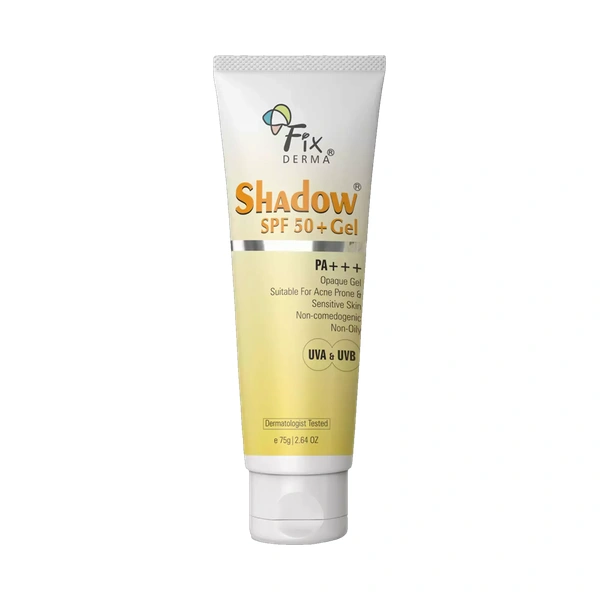
Fixderma Shadow SPF 50+ Gel
SPF 50+
|
SPF 50+ (PA unconfirmed) | Oil-free gel texture; mixed chemical and physical filters | Lightweight cooling gel; absorbs rapidly; popular among dermatologists for oily skin | Check outer box for PA rating and full ingredient list | Page states in-vivo tested and shows Fare Labs snippet, but readable measured SPF and batch were unverified |
|
Dr. Sheth’s Centella & Niacinamide Matte
SPF 50+, PA++++
|
SPF 50+, PA++++ | 4% niacinamide, centella asiatica, ceramides; oil-free matte | Centella calms red acne inflammation; niacinamide balances sebum production | Label discrepancy: test report confirms SPF 50, whereas packaging claims 50+ | CCFT test documentation: in-vivo SPF 51.98, lab PA++++. Brand’s page flags the 50+ label for review |
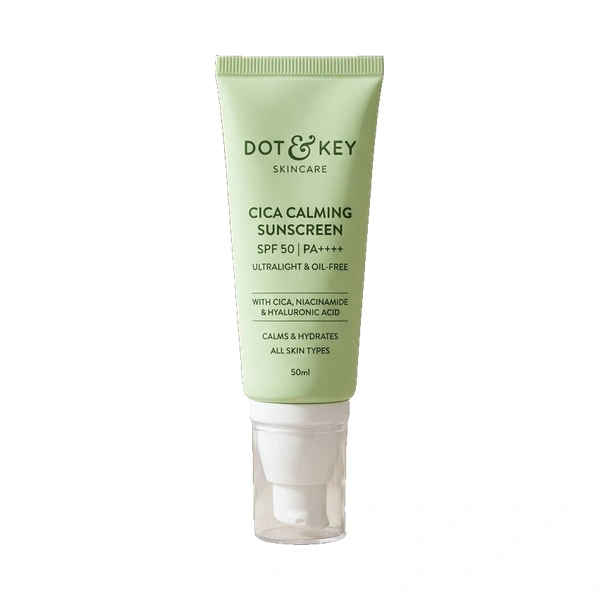
Dot & Key Cica + Niacinamide
SPF 50+, PA++++
|
SPF 50+, PA++++ | Fragrance-free matte; allantoin and glycerin | Soothes surface redness; easy spreading; non-comedogenic claim | Published ingredient list does not clearly highlight cica/niacinamide in top ranks; ask brand about 50+ label | Names CCFT Laboratories with in-vivo SPF 51.54, lab PA++++; full test report PDF not located on page |
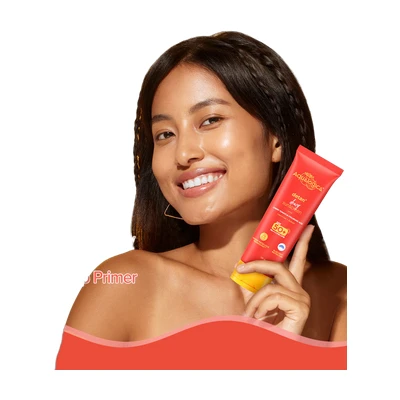
Aqualogica Detan+ Oil Balance Fluid
SPF 50+, PA++++
|
SPF 50+, PA++++ | Niacinamide, panthenol, and hyaluronic acid; light watery fluid | Hydrating watery texture spreads easily without sticky residue; zero cast | Protection score needs confirmation; contains added fragrance | Page mentions standard quality and irritation tests, but no product-specific SPF/UVA certificate was located |
|
Plum Green Tea & Zinc Super-Matte
SPF 50, PA++++
|
SPF 50, PA++++ | Green tea extract and zinc PCA; fragrance-free matte gel | Zinc PCA balances sebum; green tea provides antioxidants; non-comedogenic claim | Contains benzophenone-3 (oxybenzone), which some hypersensitive skins prefer avoiding; check batch report | Brand features a public batch lookup portal; this exact batch was not independently verified |
|
Conscious Chemist 100% Mineral
SPF 50, PA++++
|
SPF 50, PA++++ | Zinc oxide and titanium dioxide; niacinamide and squalane | Pure mineral filters do not sting open, burning pimples or sensitized barriers | Feels thicker than fluids; requires 2-3 minutes of blending to settle on deeper Indian skin tones | Named laboratory, measured numerical SPF, or downloadable test certificate not located on page |
Why Sunscreens Clog Pores & How to Choose Texture
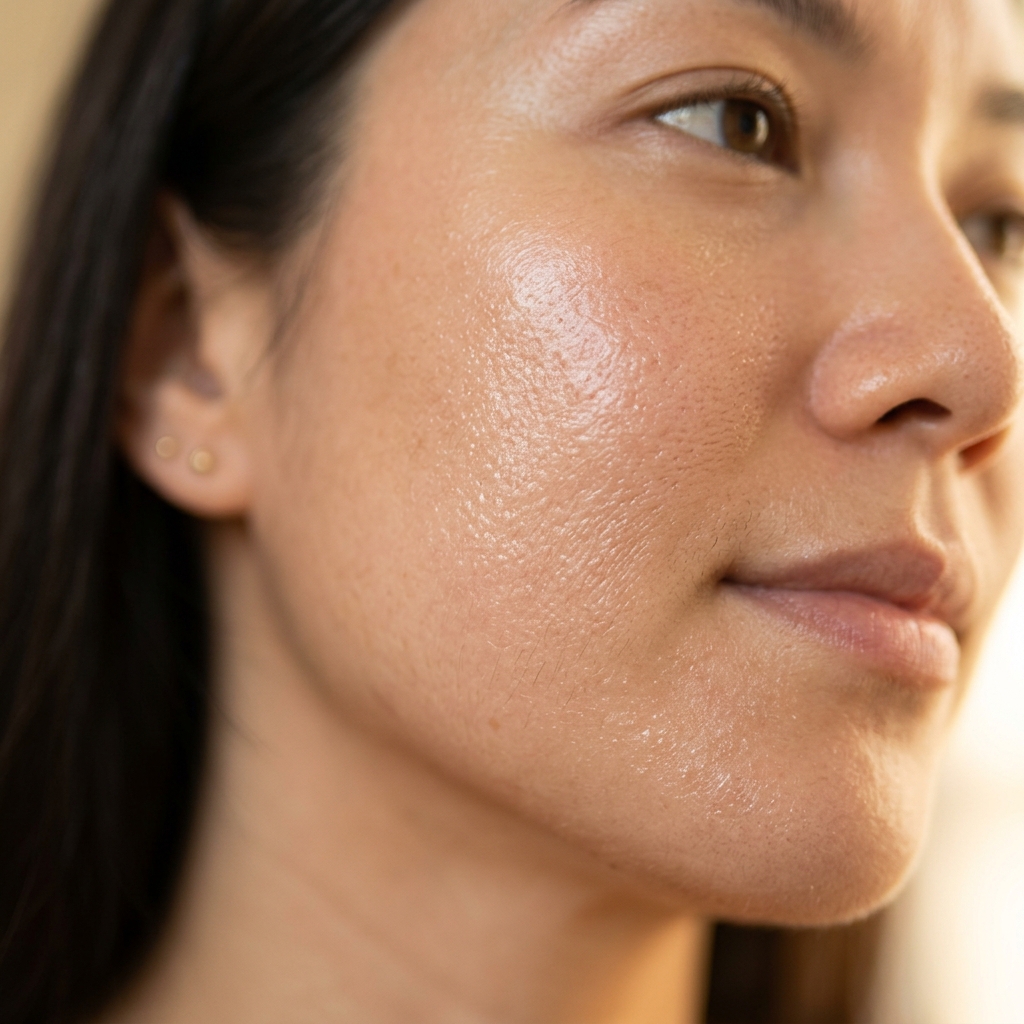
If you struggle with blackheads or inflamed acne, buying sunscreen can feel like a trap. Skip sunscreen, and dark acne marks turn into stubborn brown spots under the sun. Wear sunscreen, and thick creams suffocate your pores by midday.
"Non-Comedogenic" Is Not a Law
In India, cosmetic labels can print "non-comedogenic" without filing an official pore-clogging test. It simply means the brand formulated it without heavy waxes. It is a guideline, not a guarantee for your face.
Trapped Sweat & Sebum
When summer temperatures hit 35°C with high humidity, heavy creams mix with facial oils and sweat. That sticky layer seals pore openings, giving acne bacteria an oxygen-free home to multiply.
Added Synthetic Perfume
Strong synthetic perfumes and essential oils often sting active acne. If you already have red, tender bumps, strong fragrances trigger low-grade redness and flare-ups.
Lazy Evening Washing
Water-resistant sunscreens are chemically engineered to stick to your face. Splashing plain tap water leaves an invisible film behind. If you do not dissolve that layer before bed, you wake up with bumps.
Which Vehicle Matches Your Daily Routine?
1. Water Fluids & Aqua Gels
Best for: Combination to oily skin in hot, humid weather.
These feel like runny milk or light serum. They sink into pores within 30 seconds and leave zero white cast. Examples include Minimalist Light Fluid and The Derma Co Aqua Gel. They let skin breathe freely.
2. Silicone Dry-Touch Gels
Best for: Extremely greasy skin, excessive sweat, or makeup wearers.
Formulas like Re'equil Ultra Matte feel like velvety makeup primers. They blur pores and keep forehead shine away for hours. Rule: You must double cleanse at night to remove silicones.
3. Pure Mineral (Zinc Oxide)
Best for: Angry, inflamed cystic pimples or broken barrier.
Zinc oxide sits on the skin and reflects UV rays without chemical absorption. It has natural soothing properties and never stings burning skin. The trade-off: slight white cast that takes a few minutes to blend.
Clinical Guidance: What Dermatologists Look for in Acne-Safe Sunscreen
Leading Indian dermatologists emphasize that preventing sunscreen breakouts comes down to vehicle chemistry and post-wear cleansing, rather than chasing high SPF numbers above 50:
- Avoid heavy comedogenic creams if your forehead or nose produces high midday sebum.
- Water-based gels and fluids minimize the risk of trapping sweat during high humidity.
- Always remove sunscreen completely before sleeping; leftover sunscreen film is a top culprit behind sudden forehead bumps.
The Two-Finger Rule & Pore-Safe Night Wash Protocol
Applying too little sunscreen leaves you vulnerable to dark marks, while slapping on a huge blob all at once leads to pilling and grease. Here is how to apply and remove sunscreen without clogging pores:
Two Full Finger Strips
Squeeze two steady lines of sunscreen along the length of your index and middle fingers. This provides roughly 1 to 1.2 grams of product, which is the amount needed to achieve the stated SPF 50 rating across your face and neck.
Dot & Pat (Avoid Rubbing)
Distribute small dots across your forehead, cheeks, nose, and chin. Gently pat the product into your skin with flat fingers rather than aggressively rubbing. Patting prevents the sunscreen from balling up or pilling.
Wait 3 Minutes Before Stepping Out
Allow the formula 3 full minutes to form a protective dry film over your face. Once settled, you can safely apply powder or step outdoors without feeling sticky or sweaty.
Step 1: Dissolve the Filter
Use a gentle micellar water on a soft cotton pad or a lightweight non-comedogenic cleansing balm (such as Plum E-Luminence Cleansing Balm). Massage gently over dry skin for 30 seconds to break down waterproof polymers.
Step 2: Wash Pores Clean
Follow immediately with your regular foaming cleanser or a 1% to 2% salicylic acid wash. This washes away dissolved oils and leaves pores fresh, clean, and ready for your evening acne care.
Frequently Asked Questions
Clear answers to common questions about sunscreen, clogged pores, and acne care: