
Small Bumps on Face: Closed Comedones vs Fungal Acne vs Milia
Why your face has rough sandpaper texture, little bumps on forehead, and sub-surface whiteheads that never come to a head: clinical diagnostics, why walnut scrubs make them worse, and how to dissolve follicular plugs.
1–3 mm
Average Bump Diameter
3 Types
Distinct Biological Causes
0 Scrubs
Physical Exfoliation Banned
Sub-Surface Texture Protocol
Select your treatment timeline stage for targeted pharmacy directions:
Week 1: Pore Entrance Decongestion
Apply Sebogel (2% Salicylic Acid + 6% Niacinamide) 3 nights a week on clean, dry skin. Lipophilic BHA penetrates sebum to loosen hardened follicular plugs.
Interactive Texture Triage: Identify Your Bumps
Answer these 3 clinical screening questions to discover whether your sub-surface texture is closed comedones, fungal acne yeast, or milia cysts.
Analyzing responses...
Why Indian Skin Develops Sub-Surface Facial Bumps
Environmental humidity, traditional hair care practices, and hard water residue combine to trap sebum beneath an intact stratum corneum.
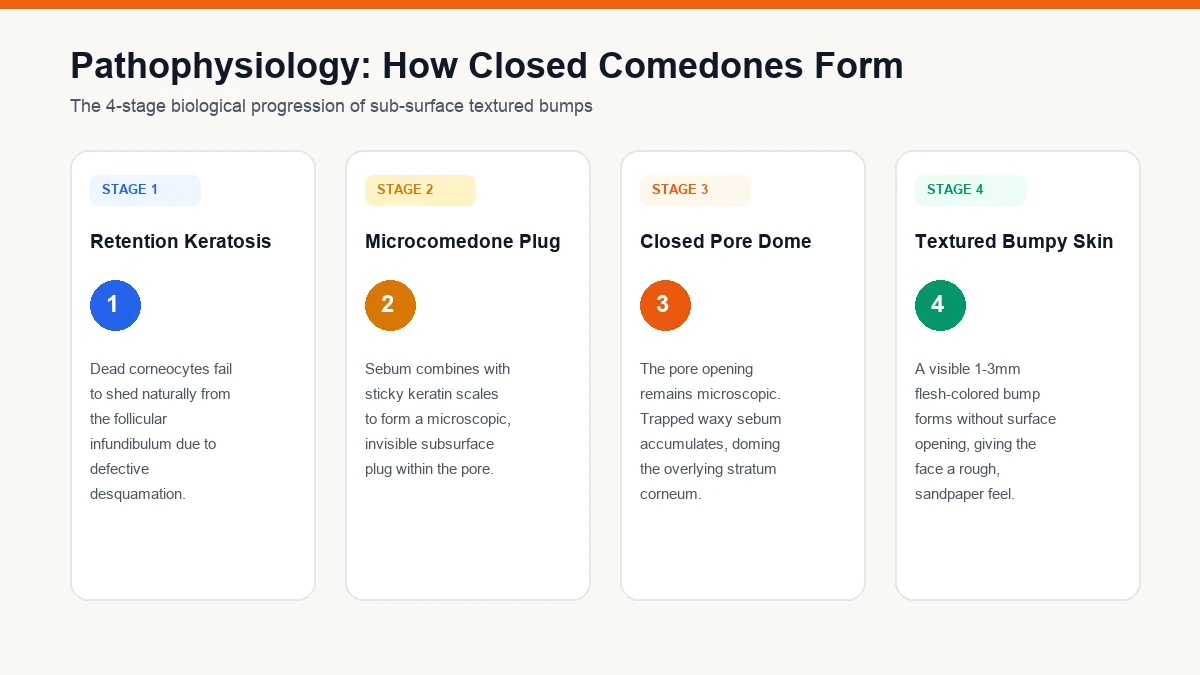
1. Retention Hyperkeratosis & Closed Pore Entrances
Unlike open blackheads where the follicle opening dilates and oxidizes in air, closed comedones form when dead epidermal cells (corneocytes) fail to detach. They mix with thick squalene sebum, doming the overlying stratum corneum into a microscopic closed vault.
2. The Champi & Coconut Oil Yeast Trigger
Traditional overnight hair oiling (champi) with pure coconut, almond, or mustard oil transfers heavy fatty acids onto the forehead while sleeping. Coconut oil contains high levels of lauric and myristic acids, which Malassezia yeast feed upon voraciously, sparking widespread fungal folliculitis.
3. Trapped Keratin Seeds: How Milia Form
Milia are not acne lesions and contain zero sebum. They are tiny epidermal inclusion cysts formed when dead skin flakes become entrapped beneath fragile, thin skin—most commonly around the orbital eye area from rich, heavy eye creams or after sun damage.
4. Why Walnut Face Scrubs Multiply Bumps
Physical scrubs with jagged crushed walnut shells or apricot kernels lacerate the delicate epithelial domes covering closed comedones. This introduces surface bacteria into the trapped sebum plug, transforming painless microscopic bumps into painful inflammatory pustules.
Texture Clearing Habit Checklist
Check off each dermatological lifestyle and skincare adjustment to restore smooth glass skin texture.
1. Introduce 2% Salicylic Acid (Sebogel)
Apply a pea-sized amount on clean, dry skin 3 nights per week. BHA is lipid-soluble, allowing it to penetrate through sebum and dissolve microscopic keratotic plugs.
2. 5-Minute Ketoconazole 2% Forehead Mask
If bumps itch in heat, wash forehead and hairline with Nizral 2% twice weekly. Leave lather on skin for 5 minutes before rinsing to suppress Malassezia yeast.
3. Eliminate Overnight Hair Oiling (Champi)
Never sleep with coconut or almond oil in your hair. If practicing champi, apply oil 45 minutes before showering and wash off thoroughly with shampoo.
4. Ban Physical Walnut & Apricot Scrubs
Throw away jagged shell scrubs. Physical friction tears follicle margins and spreads inflammation. Rely exclusively on chemical keratolytics like BHA and azelaic acid.
5. Incorporate Topical Retinoid (Adapalene 0.1%)
Apply 0.1% Adapalene gel on alternate nights over lightweight gel moisturizer. Accelerates cellular desquamation, preventing new microcomedones from forming.
6. Switch to Non-Comedogenic Gel Hydration
Replace heavy cold creams and shea butter with oil-free gel creams containing hyaluronic acid, ceramides, and niacinamide to hydrate without feeding yeast.
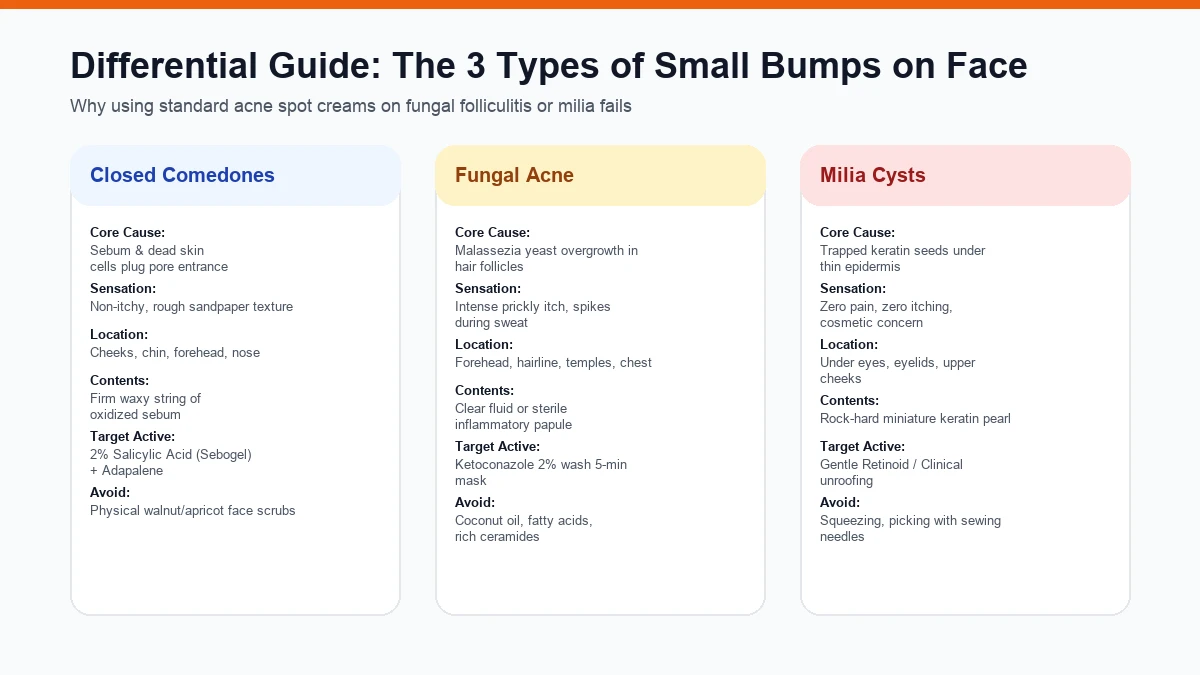
Clinical Comparison: The 4 Causes of Facial Texture
Differential diagnostic chart to guide targeted pharmacy interventions.
| Diagnostic Feature | Closed Comedones | Fungal Acne (Malassezia) | Milia Cysts | Keratosis Pilaris (Face) |
|---|---|---|---|---|
| Primary Cause | Retention hyperkeratosis & trapped sebum plug | Malassezia yeast proliferation in hair follicles | Trapped epidermal keratin scales under thin skin | Keratin plug filling the outer funnel of hair follicles |
| Physical Sensation | Non-itchy, painless, dry sandpaper roughness | Intense, prickly itching, especially after sweating | Asymptomatic, zero pain, cosmetic firmness | Rough "chicken skin" texture, mild dry itching |
| Appearance | Flesh-colored or white 1–3mm closed domed bumps | Uniform, monomorphic red papules / micro-vesicles | Distinct, pearly white 1–2mm hard tiny beads | Small red or brown follicular bumps with dry halo |
| Common Sites | Cheeks, chin, jawline, forehead, nose | Forehead, hairline, temples, upper back & chest | Under-eye orbital rim, eyelids, high cheekbones | Outer cheeks, jawline, upper outer arms |
| Extraction Findings | Firm waxy sebum cylinder or spiral thread | Watery fluid or sterile inflammatory papule | Rock-hard spherical keratin pearl (resists popping) | Coiled miniature hair fragment with dry keratin plug |
| Gold-Standard Active | 2% Salicylic Acid (Sebogel) + 0.1% Adapalene | 2% Ketoconazole wash 5-min mask + Azelaic Acid | Topical Retinoids / Clinical sterile unroofing | 10% Urea cream + 12% Lactic acid lotion |
| What MUST Be Avoided | Crushed walnut scrubs, comedogenic foundation | Coconut oil, facial oils, fatty acid rich creams | Puncturing with sewing needles, aggressive squeezing | Hot water washing, vigorous loofah rubbing |
The 4-Week Texture Clearing Roadmap
Step-by-step dermatological guidelines to transition from rough texture to smooth glass skin.
Intra-Follicular Decongestion
Introduce Sebogel (2% Salicylic Acid) 3 nights a week. Salicylic acid is oil-soluble, penetrating deep into the sebum-filled pore to break desmosomal bonds holding dead keratin scales together.
Yeast Suppression & Champi Halt
For forehead bumps, lather with Nizral 2% shampoo twice a week, allowing the ketoconazole foam to sit for 5 minutes before rinsing. Stop all coconut and almond hair oils immediately.
Cellular Turnover Normalization
Begin applying a pea-sized dot of Adapalene 0.1% on alternate nights over moisturizer. Adapalene binds to nuclear retinoic acid receptors, normalizing epithelial differentiation to prevent new microcomedones.
Non-Comedogenic Hydration
Support stratum corneum hydration with oil-free gel creams containing niacinamide and hyaluronic acid. Protect healing skin with 100% mineral zinc oxide sunscreen to prevent post-acne marks.
Top Indian Pharmacy Solutions for Small Bumps
Affordable, board-approved pharmacy formulations readily available across Indian chemist counters.
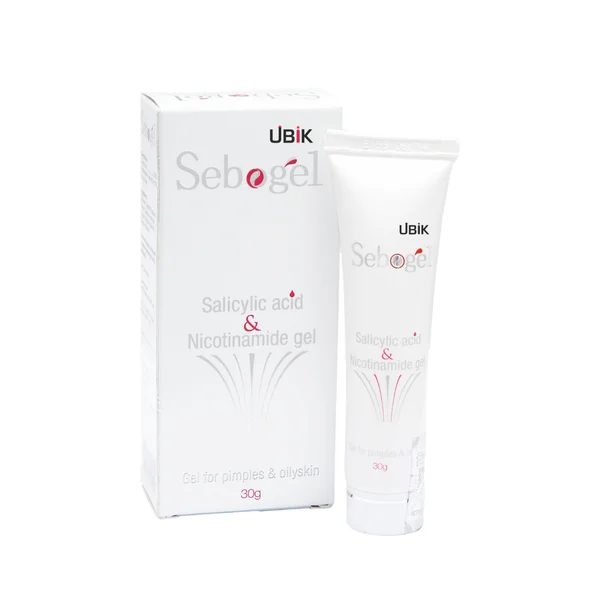
Sebogel Salicylic Acid + Niacinamide
Formulated with 2% BHA to dissolve sub-surface sebum plugs and 6% niacinamide to calm inflammation and refine pores.
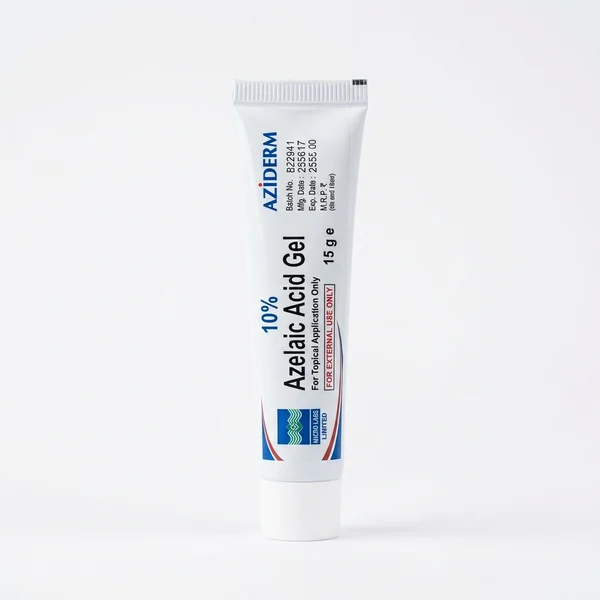
Aziderm 10% Micronized Gel
Dual antibacterial and anti-fungal agent that gently exfoliates follicular funnels while preventing dark spots on Indian skin.
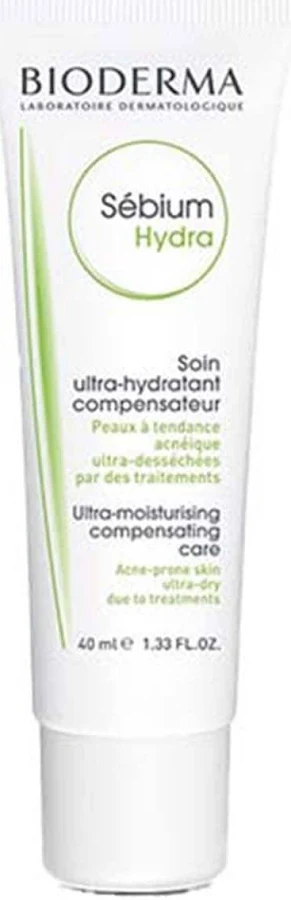
Bioderma Atoderm Intensive Baume
Non-comedogenic barrier hydrator that prevents dryness and flaking while using active retinoids and exfoliants.
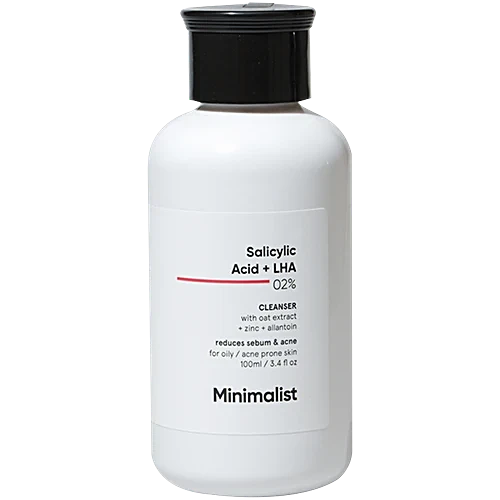
Minimalist Colloidal Oat 06% Cleanser
Sulfate-free, soothing face wash that removes surface debris without disrupting fragile lipid barrier mantles.
How to Get Rid of Closed Comedones Once and for All
Board-certified dermatologist Dr. Andrea Suarez (Dr. Dray) explains why sub-surface bumps develop beneath intact skin, why walnut scrubs irritate pores, and how topical retinoids and salicylic acid dissolve waxy keratin plugs safely.
Focus: Microcomedone Pathophysiology & Cellular Turnover
Don't Just Take Our Word for It
Verified skin-smoothing journeys from Indian patients who conquered sub-surface bumps.
"My forehead felt like rough sandpaper with hundreds of tiny bumps that never popped. My grandmother told me to scrub with besan and walnut powder, which gave me red cysts! Following the Sebogel and Adapalene routine cleared my entire forehead in 5 weeks."
Closed Comedones Cleared"After Sunday morning gym workouts, my forehead and temples would break out in intensely itchy little bumps. I used Nizral 2% wash as a 5-minute mask and stopped my coconut hair oil. The bumps disappeared within 10 days."
Fungal Acne Resolved"I had small, firm white seeds under my eyes that wouldn't squeeze out. Learning they were milia and switching to a gentle retinol instead of squeezing with a needle saved me from horrible scars."
Under-Eye Milia Flattened"Hard tap water in my apartment was leaving white film on my skin and giving me tiny bumps along my jawline. Sebogel plus a soft water filter cleared the texture completely."
Jawline Texture Cleared"Humidity in Kolkata made my forehead breakout constantly. The 4-week protocol of BHA and lightweight gel moisturizers gave me smooth glass skin for the first time in years."
Glass Skin Restored"I thought I had incurable acne because pimple creams did nothing for my forehead bumps. Differentiating between sweat yeast and clogged pores was a revelation. Nizral + Sebogel worked like magic."
Texture Cleared in 3 WeeksFrequently Asked Clinical Questions
Evidence-based answers to sub-surface facial texture and closed comedone treatment.
Not Sure What Is Causing Your Sub-Surface Bumps?
Scan your facial skin with MyMirror's AI clinical camera to analyze pore occlusion, follicular yeast patterns, and keratin retention in under 60 seconds.
Scan Your Skin Free