Online trends claim thick castor oil wipes away under-eye hollows, wrinkles, and dark circles. But thousands wake up with tiny, hard white seeds that refuse to pop. Here is what happens when heavy ricinoleic acid meets the thinnest skin on your body.
Cold-Pressed Pure Castor Oil
Your facial skin is not uniform. The skin directly beneath your lower lash line is built completely differently from your cheeks or forehead, making it vulnerable to heavy plant oils.
Under-eye skin measures barely 0.5 millimeters thick—about one-quarter the thickness of your cheek skin. It has fewer epidermal layers to absorb thick products.
Unlike your nose or forehead, your eyelid region possesses virtually no sebaceous glands. It cannot metabolize, spread, or break down dense lipid coats.
Castor oil contains nearly 90% ricinoleic acid. This unique fatty acid has extreme viscosity, acting like glue that seals shedding dead cells into tiny pockets.
Not every plant oil behaves the same way. Understanding lipid weights helps you protect your delicate eye area while giving dry cheek areas the nourishment they need.
Thick, sticky, honey-like consistency. Creates an impenetrable surface seal that traps shedding keratin cells underneath eye tissue.
Weightless dry oil that absorbs in seconds. Mimics the natural squalene in young skin without feeding bacteria or trapping dead cells.
Lightweight oil packed with pro-vitamin A and carotenoids. Nourishes dull skin and fades post-acne dark marks without thick residue.
Structurally similar to human sebum. Excellent for buffering strong anti-aging serums on the face, but should be used sparingly around eyes.
Before picking up a needle or squeezing an under-eye bump, you must identify what you are dealing with. Attempting to pop a milia seed can tear thin eyelid tissue and leave a dark, permanent scar.
Glide a clean finger across the bump. Milia feels like a hard, tiny sesame seed or pearl rolling smoothly beneath the skin. Pimples feel soft, squishy, or swollen.
Examine the spot closely under good lighting. Milia has zero central pore opening—it is trapped beneath an unbroken roof of skin. Whiteheads always have a visible pore exit.
Press gently on the area. Milia is completely painless and has zero surrounding redness. Acne lesions throb, feel sore to the touch, and show red inflammation around the base.
Several different conditions create pale bumps around Indian eyes. Here is how dermatologists distinguish them in a clinic.
| Condition | What It Contains | How It Feels | Can You Squeeze It? | Dermatologist Treatment |
|---|---|---|---|---|
| Milia (Primary) | Trapped dead skin flakes (Keratin) | Hard, round, painless tiny pearl | ❌ Never (Has no pore exit) | Sterile medical unroofing or gentle retinoids |
| Closed Comedone | Stagnant sebum and skin cells | Soft, raised skin-colored bump | ⚠️ Only with medical extractor | Salicylic acid or adapalene gel |
| Syringoma | Benign sweat duct overgrowth | Firm, yellowish, grouped flat bumps | ❌ Never (Solid flesh tissue) | Radiofrequency ablation or laser therapy |
| Xanthelasma | Cholesterol deposits under skin | Velvety, soft, yellowish flat plaques | ❌ Never (Fat deposit in dermis) | Lipid panel check and medical laser removal |
Board-certified dermatologist Dr. Dray breaks down the science behind castor oil, explaining where it shines and why slathering it around your eyes can lead to issues.
You do not need harsh chemical peels to fix under-eye congestion. When you remove heavy occlusives, your skin cells regain their natural shedding rhythm.
The heavy lipid seal is gone. Under-eye swelling subsides and oil film washes away completely with water-soluble cleansers.
The natural 28-day skin renewal cycle pushes trapped keratin flakes closer to the surface of the stratum corneum.
Small surface seeds slough off naturally during gentle cleansing without needing needles or painful extraction.
Protecting thin eye skin from permanent damage requires knowing which habits help and which create deep post-inflammatory dark marks.
If you love the nourishing feel of castor oil, you can still enjoy its benefits by applying it with proper technique and dosage control.
Never dab raw castor oil on eyelid skin with your fingertips. Use a clean, dry mascara spoolie to brush only the outer tips of your eyelashes.
If using castor oil on dry cheek areas, blend one drop of castor oil into four drops of light jojoba or plant squalane oil first.
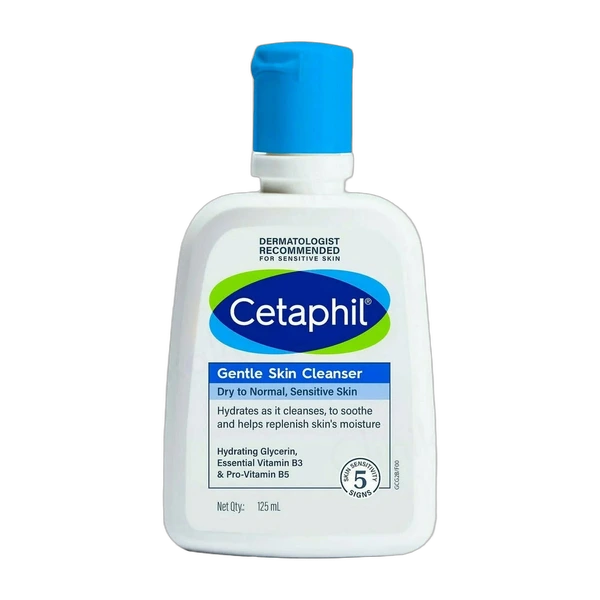
Always wash your face the next morning using a gentle non-stripping cleanser and lukewarm water to remove any lingering lipid film.
Dermatological research shows that skin around the eyes absorbs substances differently than the rest of the face.
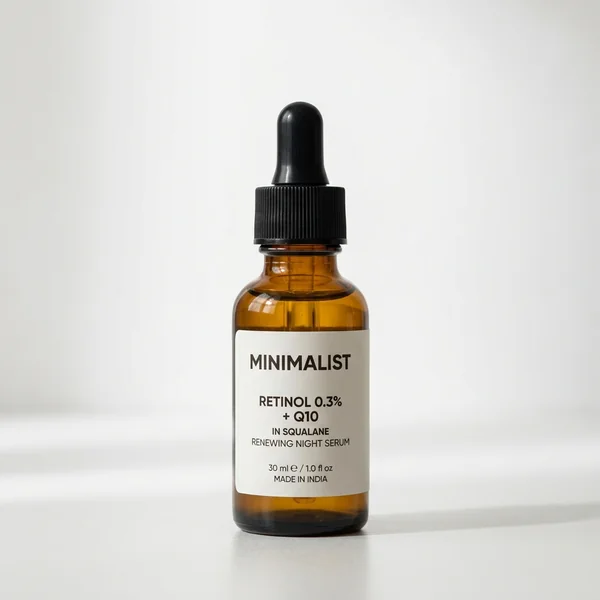
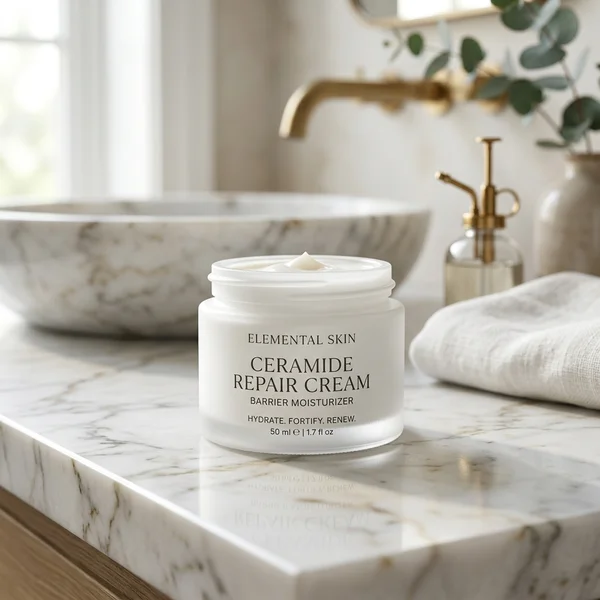
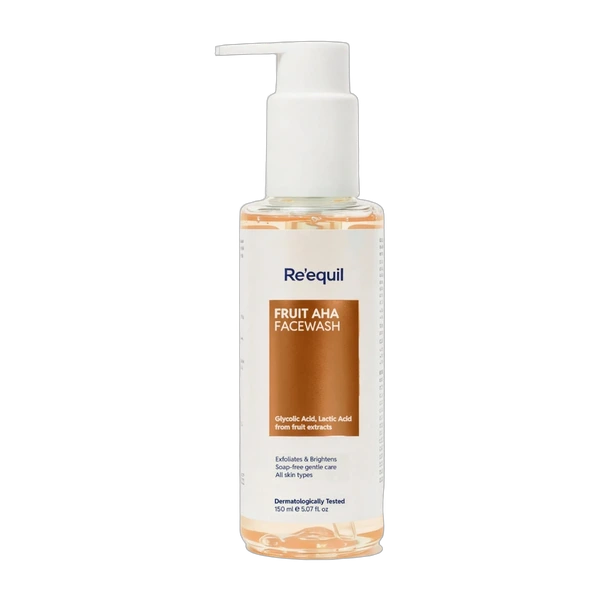
Looking to smooth fine lines, soften texture, or hydrate tired eyes without triggering milia seeds? These lightweight formulas provide hydration with zero heavy wax residue.
Learn more about identifying skin conditions, balancing face oils, and building healthy daily routines.