Acne Scar Laser Treatment in India: Real Costs, Fractional CO₂ vs. Erbium & PIH Risks (2026)
Tired of over-promising creams that fail on sunken pits? Here is the unvarnished, clinical breakdown of what laser acne scar resurfacing really costs across Indian clinics, which laser wavelength suits Fitzpatrick phototypes IV–VI, and how to dodge the dreaded Melanin Heat Trap.
In India, laser acne scar treatment costs ₹4,500 to ₹18,000 per session depending on the laser modality and facial area. Expect a 50% to 70% depth improvement over 3 to 6 sessions—100% scar erasure is a clinical impossibility. For darker Indian skin (Fitzpatrick IV–VI), unprimed Fractional CO₂ carries a 25%–35% hyperpigmentation (PIH) burn risk; Erbium:YAG or Microneedling RF (MNRF) are significantly safer alternatives.
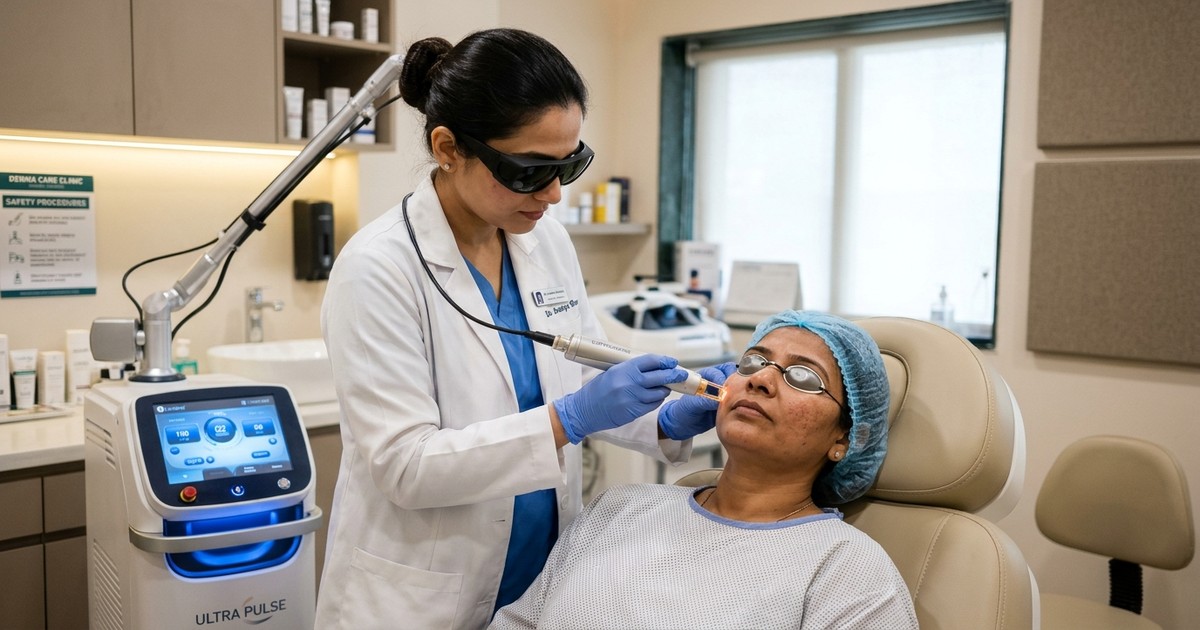
The Real Cost of Acne Scar Laser Treatment in India (2026 Survey)
Walking into a cosmetic dermatology clinic in India without transparent pricing data is a recipe for sticker shock. Clinics often advertise tantalizing “Starting at ₹2,999” offers on Instagram, only to reveal during the consultation that this covers a tiny 2 cm patch using outdated machines.
Real-world pricing in India depends on three distinct anatomical and procedural tiers:
| Treatment Scope | Typical Laser Used | Price Per Session | Recommended Package (4–6 Sessions) |
|---|---|---|---|
| Cheeks & Temples Only Most common localized area |
Fractional CO₂ / Erbium:YAG | ₹4,500 – ₹8,500 | ₹18,000 – ₹38,000 |
| Full Face Fractional CO₂ Deep ablative resurfacing |
Lumenis UltraPulse / Alma Pixel | ₹7,000 – ₹14,000 | ₹32,000 – ₹55,000 |
| Full Face Erbium:YAG / Dual Resurfacing Low thermal spread, safer for dark skin |
Fotona SP Dynamis / Sciton Joule | ₹9,000 – ₹18,000 | ₹40,000 – ₹75,000 |
| Combination: Subcision + MNRF + Laser Gold standard for deep rolling & tethered scars |
Cannula Subcision + Secret RF + Laser | ₹12,000 – ₹22,000 | ₹50,000 – ₹90,000 |
City-Wise Price Comparison: Metro vs. Tier-2 Indian Clinics
Pricing varies significantly by geographic location due to clinic real estate overhead, technician seniority, and the presence of US FDA-cleared hardware versus cheaper assembled laser consoles.
| City / Region | Key Dermatology Hubs | Avg. Cost Per Session (Full Face) | Clinic Tier Dynamics |
|---|---|---|---|
| Delhi NCR | South Extension, Greater Kailash, Gurugram DLF, Noida | ₹8,500 – ₹16,000 | Highest concentration of ultra-pulse CO₂ and board-certified aesthetic dermatologists. |
| Mumbai | Bandra West, Juhu, Andheri West, South Bombay | ₹9,000 – ₹18,000 | Premium pricing driven by high clinic operating costs; extensive Erbium:YAG availability. |
| Bengaluru | Indiranagar, Koramangala, Whitefield, Jayanagar | ₹8,000 – ₹15,000 | Tech-savvy demographic; high adoption of combination Subcision + Microneedling RF (MNRF). |
| Hyderabad | Banjara Hills, Jubilee Hills, Gachibowli | ₹7,000 – ₹13,500 | Competitive multi-chain aesthetic clinics; excellent package bundled rates. |
| Chennai & Kolkata | Nungambakkam, Alwarpet (Chennai); Park Street, Salt Lake (Kolkata) | ₹6,000 – ₹12,000 | Conservative, clinical-first dosing with heavy focus on preventing post-laser hyperpigmentation. |
| Tier-2 Cities Jaipur, Lucknow, Indore, Chandigarh, Pune |
Major commercial medical centers | ₹4,500 – ₹9,500 | Significantly lower overhead. Verify whether the provider is an MD Dermatologist or a non-medical technician. |
Scar Anatomy: Why Creams & Serums Can Never Fix Pitted Scars
One of the most heartbreaking traps in Indian skincare is spending thousands of Rupees on Niacinamide, Retinol serums, Vitamin C, and onion-extract scar gels hoping they will “fill up” sunken icepick or rolling scars.
To understand why this is biologically impossible, you need to understand the Mattress Spring Analogy:
Imagine your skin as a plush hotel mattress. The fabric sheet on top is your epidermis. The dense foam cushion and coiled steel springs underneath represent the dermal collagen architecture. When severe, cystic acne ruptures deep in the dermis, the violent bacterial infection destroys both the foam and the steel springs. The overlying fabric collapses inward, creating a physical crater.
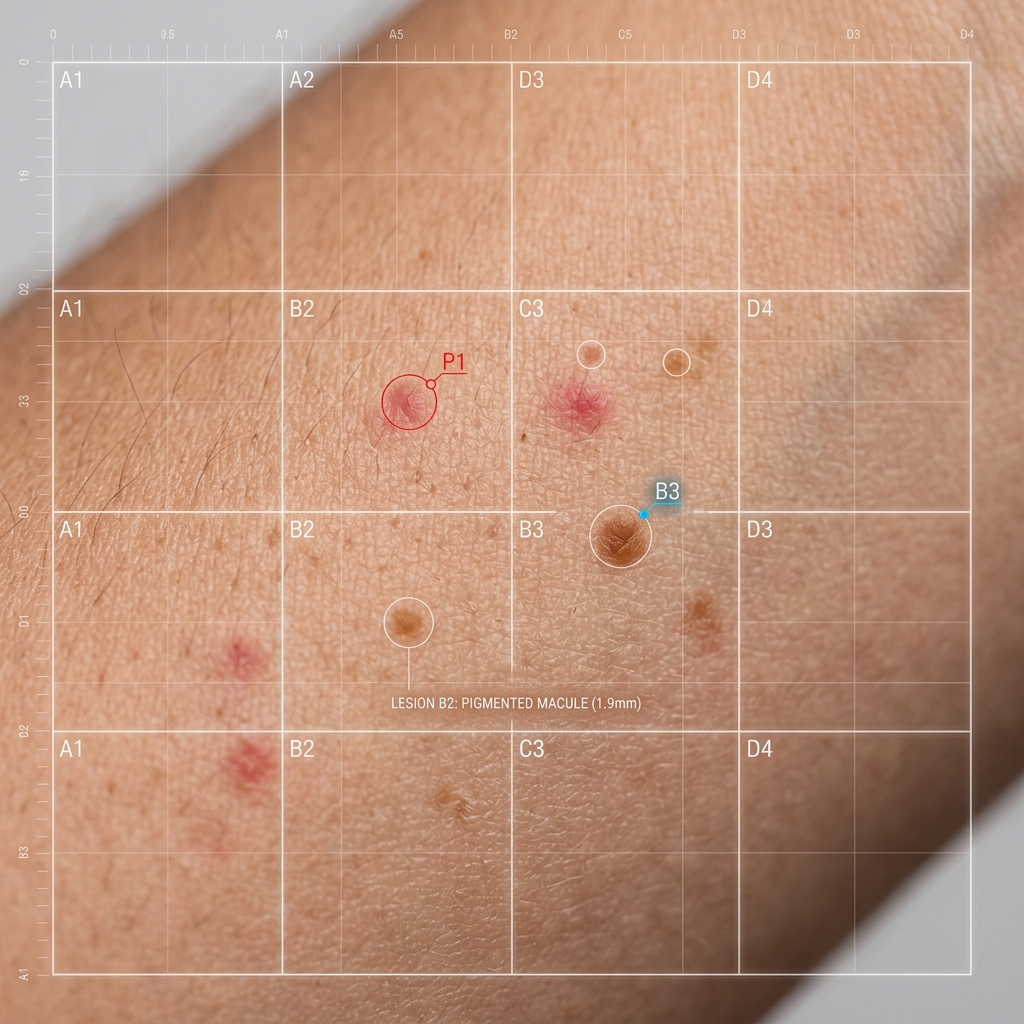
The Three True Atrophic Scars vs. Flat Marks
- Ice Pick Scars (60–70% of atrophic cases): Narrow (<2 mm), deep, steep-sided punctures that extend straight down into the deep dermis or subcutis. Lasers alone are ineffective; they require TCA Cross (chemical reconstruction).
- Boxcar Scars (20–30% of cases): Round or oval depressions with sharp, vertical vertical edges. Superficial boxcars (<0.5 mm) respond brilliantly to Fractional CO₂ and Erbium lasers.
- Rolling Scars (15–25% of cases): Broad (>4 mm), undulating depressions caused by fibrous bands tethering the dermis to the underlying subcutaneous tissue. Must be released via Subcision before any laser treatment.
- Post-Inflammatory Hyperpigmentation (PIH/PIE): Flat brown, black, or red marks with ZERO textural depression. These are NOT scars. They are purely pigmentary and can be treated with chemical peels and topical tyrosinase inhibitors without costly laser resurfacing.
Laser Modality Breakdown: Fractional CO₂ vs. Erbium:YAG vs. MNRF
Not all lasers operate on the same physics. The secret behind modern laser scar revision is Fractional Photothermolysis: rather than burning away the entire surface layer of your face, the laser fires microscopic thermal treatment zones (MTZs) in a grid, leaving columns of surrounding skin intact to jumpstart rapid healing[1].
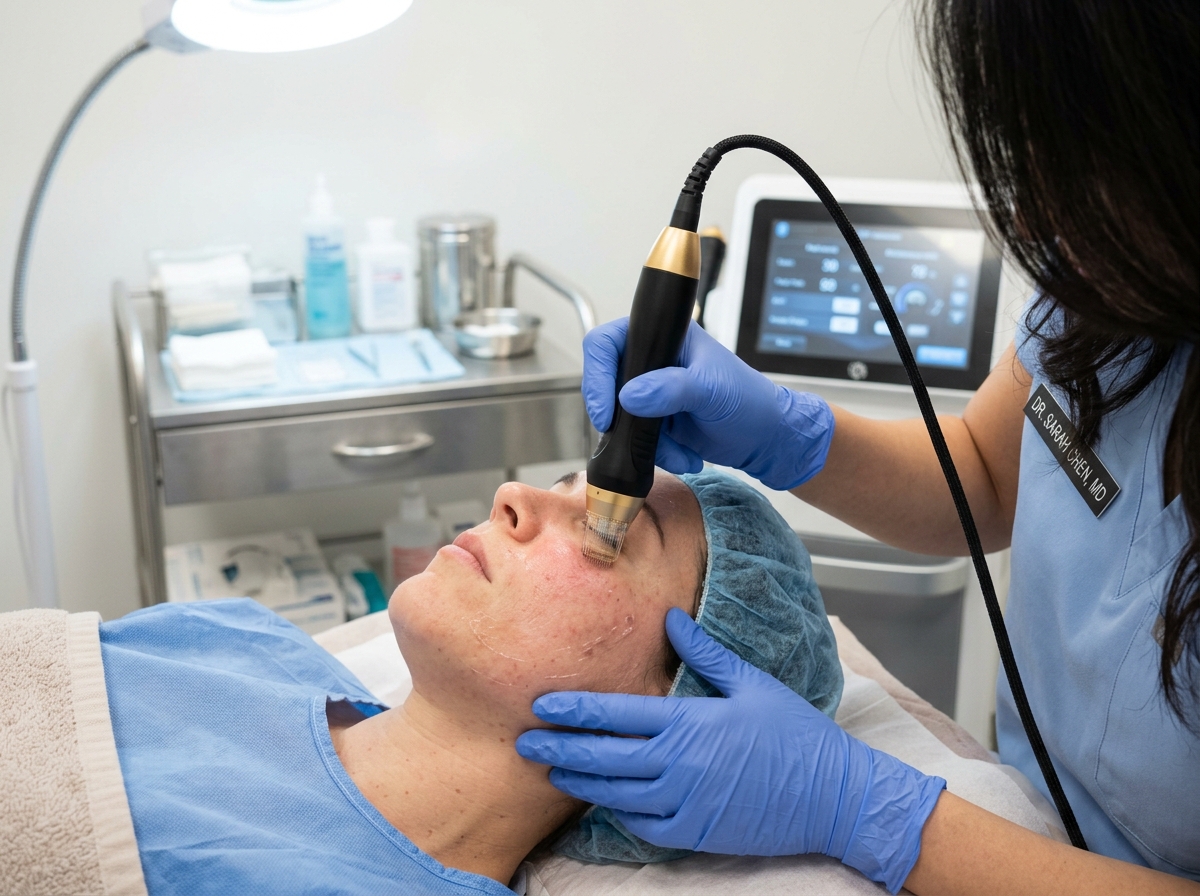
Vaporizes microscopic columns of water in the tissue. Exceptional for deep boxcar scars, but produces intense thermal spread. Requires expert low-density settings on Indian skin to avoid hyperpigmentation.
Vaporizes tissue cleanly without heating surrounding melanocytes. Far lower risk of post-inflammatory bronzing on Fitzpatrick IV–V skin, making it the preferred ablative choice for conservative dermatologists.
Not an optical laser, but electro-thermal energy delivered directly beneath the epidermis. Because the epidermal melanin is completely bypassed, the risk of hyperpigmentation on dark Indian skin is virtually zero.
The Critical Warning for Indian Skin: The “Melanin Heat Trap”
Most laser protocols published in Western textbooks were developed for Caucasian skin (Fitzpatrick Phototypes I–II). Applying those exact same aggressive energy densities to Indian skin (Fitzpatrick Phototypes IV–VI) is a clinical disaster waiting to happen.
Indian skin contains high concentrations of eumelanin in the basal epidermal layer. When optical laser energy passes through the skin, epidermal melanin absorbs the light, converts it into uncontrolled thermal heat, and triggers hyperactive melanocytes into overdrive. This biological reaction is known as Post-Inflammatory Hyperpigmentation (PIH)[2].
The Mandatory 4-Week Pre-Priming Protocol
A reputable Indian dermatologist will never fire a fractional laser on your face during your very first consultation. Safe protocols mandate 2 to 4 weeks of epidermal “priming” to quiet down melanocytes before entering the laser room:
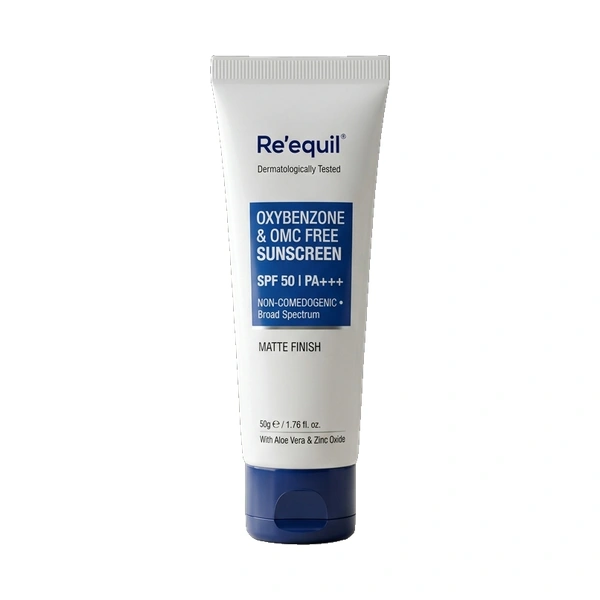
- Daily Broad-Spectrum SPF 50 Mineral Sunscreen: Non-negotiable physical protection against UV rays.
- Topical Tyrosinase Inhibitors: Azelaic Acid (10% to 15%) or Kojic Acid/Alpha Arbutin applied nightly for 21 days prior to treatment[2].
- Strict Avoidance of Sun Tanning: Never receive laser treatment on active tan; sunburned melanocytes will blister.
Day-by-Day Recovery Timeline: What Really Happens to Your Face
Social media reels showing patients looking pristine 24 hours after laser resurfacing are filtered fiction. Real ablative Fractional CO₂ recovery involves significant physical transformation:
Post-Procedure Skincare Protocol: The Barrier Shield Routine
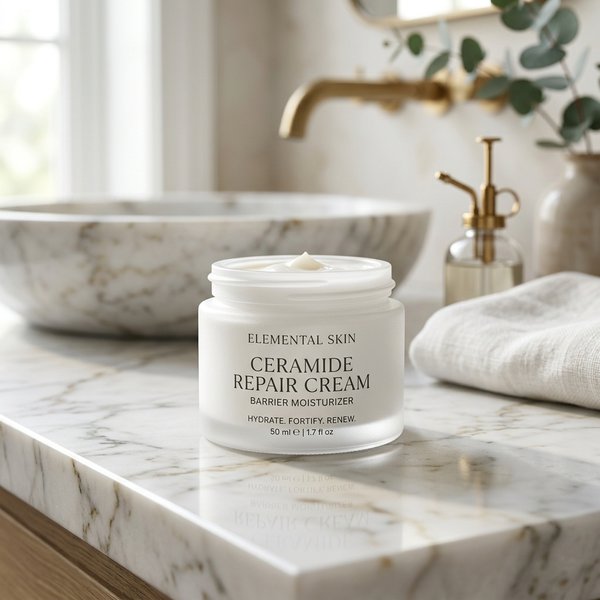
What you put on your face after a laser procedure accounts for 50% of your final cosmetic outcome. Using an irritating active ingredient on fresh laser-ablated skin can ruin months of progress.
Do You Actually Need Laser Treatment? Take the Self-Triage Test
Before spending ₹30,000 to ₹60,000 on clinical laser packages, perform this simple 60-second tactile check in the mirror:
Turn off your room's overhead light. Hold your phone's flashlight at a sharp 45-degree angle against your cheek. If you see distinct cast shadows resembling mini moon craters, you have true structural atrophic scars that warrant laser or subcision consultations.
Close your eyes and run clean fingertips across your cheek. If the surface feels completely smooth despite looking dark or red, you have flat epidermal pigment (PIH/PIE). You do NOT need laser resurfacing—medical chemical peels or topical tyrosinase inhibitors will clear your marks at a tenth of the price.
Frequently Asked Questions
Peer-Reviewed Medical Citations & Clinical Evidence
Clinical Studies & Dermatology Literature:
- Sardana K, Manjhi M, Garg VK, et al. Which laser for which scar? A systematic review of lasers and light technologies for atrophic acne scars in skin of color (Fitzpatrick IV–VI). Indian Journal of Dermatology, Venereology and Leprology (IJDVL). 2014;80(1):37-44. PubMed ID: 24618515
- Manuskiatti W, Triwongwaranat D, Varothai S, et al. Efficacy and safety of fractional photothermolysis in the treatment of acne scars in Asian patients: Prevention of post-inflammatory hyperpigmentation. Dermatologic Surgery. 2010;36(8):1232-1241. PubMed ID: 20482657
- Choudhary S, Sharma A, Khunger N. Evaluation of subcision alone and in combination with fractional carbon dioxide laser in the management of atrophic rolling acne scars. Journal of Cutaneous and Aesthetic Surgery. 2012;5(4):254-258. PubMed ID: 22279383
- Sarkar R, Garg S, Sonthalia S. Post-inflammatory hyperpigmentation in dark skin: Clinical pearls and procedural precautions. Dermatologic Therapy. 2020;33(6):e14187. PubMed ID: 32881140