Breakouts on the cheeks are uniquely frustrating for many Indian youth. Unlike temporary forehead bumps, cheek pimples are often deep, painful cysts that take weeks to heal and leave stubborn dark spots, known as post-inflammatory hyperpigmentation (PIH). Understanding why these breakouts happen is key to stopping them.
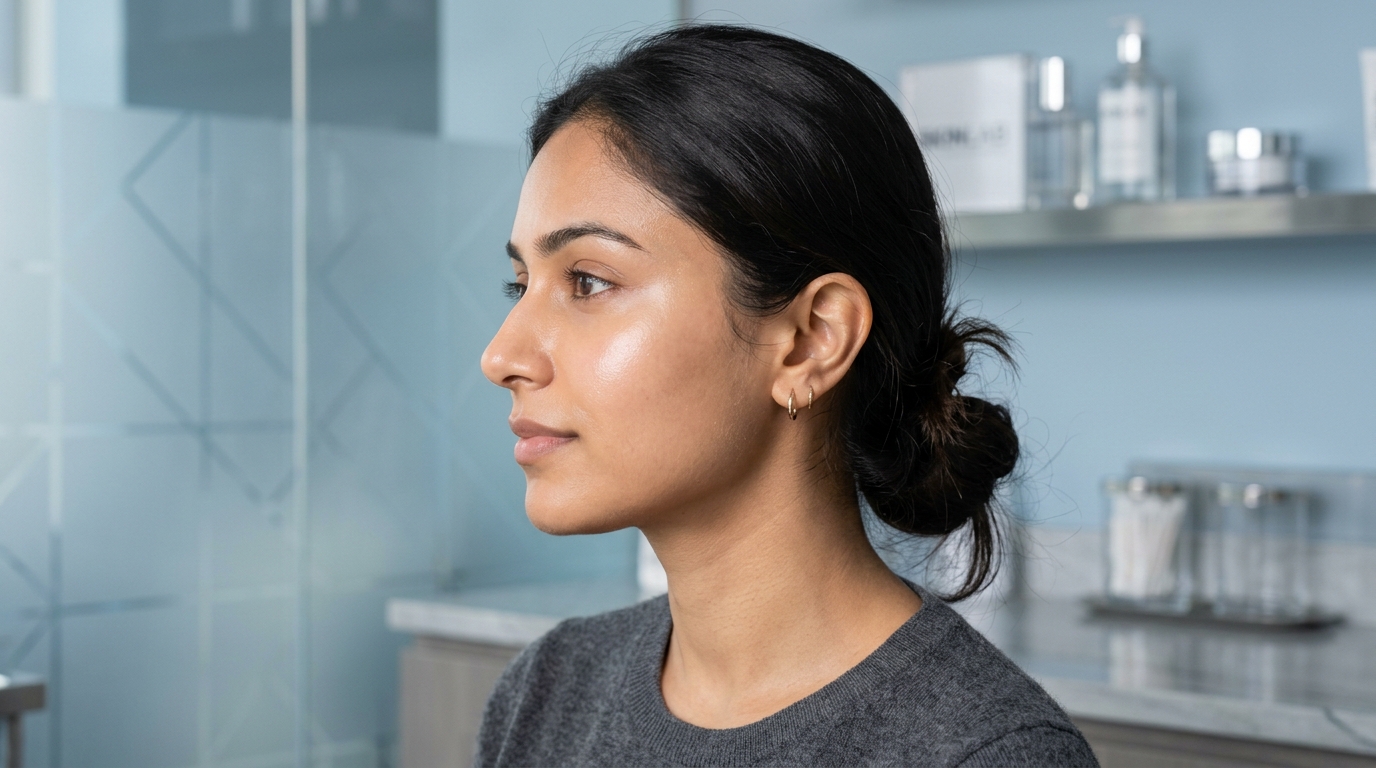
Cheek skin has a thinner epidermal barrier than other areas of your face, meaning it is highly vulnerable to friction, environmental dust, and bacterial buildup. Daily habits like holding a phone screen directly against your face, wearing scooter helmet straps, or applying heavy hair oils can block pores and cause deep inflammation. In this guide, we perform a comprehensive diagnostic self-audit to decode your cheek triggers.
To start clearing this, perform a physical audit: clean your phone screen daily with an alcohol wipe, wash your helmet straps weekly, and avoid heavy hair oils running onto your cheeks during champi. If these habit adjustments do not clear your cheek breakouts within 4 weeks, consult a dermatologist to prevent permanent rolling scars.
Cheek skin contains a high density of fine vellus hair follicles and has a relatively thin moisture barrier. When you ride in auto-rickshaws or scooters through polluted metro areas, dust and diesel exhaust particles stick to your skin.
When mixed with sweat and sebum, these particles create a dense layer that clogs follicles. Unlike the thicker forehead skin, cheek skin is highly prone to deep, pitted scarring (rolling and boxcar scars) if breakouts become inflamed. This is why mechanical friction (acne mechanica) from touching your face, dirty pillowcases, or glasses frames is so dangerous for cheek clarity. Compare with our guide on hormonal chin acne triggers and breakout zones.
To effectively diagnostic cheek breakouts, we must audit five common physical and lifestyle triggers:
1. Champi and Hair Oils
Applying heavy hair oils (like coconut, amla, or mustard oil) and leaving them overnight often leads to oil migrating down your temples and cheeks, causing deep comedonal clogs.
2. The Commuter's Helmet Strap
Dirt, sweat, and friction from scooter helmet straps rub against the lower cheeks, triggering physical friction breakouts.
3. Phone Screen Biofilm
Pressing a warm, dirty phone screen against your cheek transfers a biofilm of bacteria and makeup residue directly to the pores.
4. Monsoon Humidity
Excess sweat and humidity create a breeding ground for Malassezia yeast and bacterial acne.
5. Pillowcase Oil Buildup
Sleeping on cotton pillowcases traps hair product residues and skin sebum, pressing them into your cheeks night after night. Swapping to silk or washing them every 2-3 days helps skin recovery.
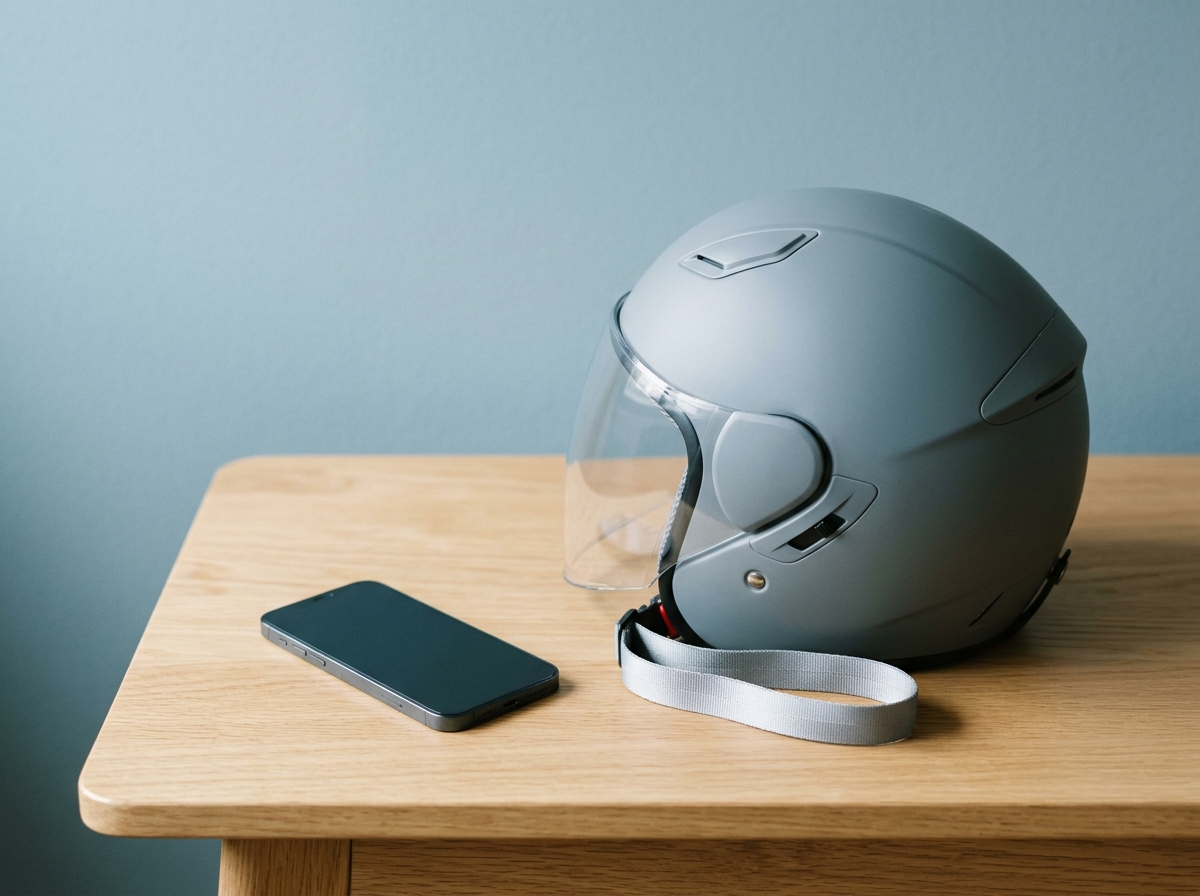
By identifying these lifestyle friction points, you can make targeted adjustments. For example, check out our guide on a skincare routine for acne to build a clean baseline.
To identify your primary cheek triggers, use our mapping matrix to audit your habits:
| Cheek Zone | Primary Triggers | Skincare Routine Active |
|---|---|---|
| Upper Cheek | Phone screens, pillowcases, dirty makeup brushes | Salicylic Acid (clogged pore exfoliation) |
| Lower Cheek | Helmet straps, champi hair oil run-off, dental issues | Benzoyl Peroxide (antibacterial cyst wash) |
| Cheek Border | Jawline friction, heavy comedogenic face creams | Niacinamide (barrier repair and redness) |
Perform a cheek audit: clean your phone daily, wash helmet straps weekly, swap cotton pillowcases for silk, and avoid heavy hair oil runoff. This structured approach helps target the exact physical triggers on your face.
If you are confused about physical friction triggers vs hormonal cysts on cheeks, take our free AI-powered scan of cheek skin barrier. The MyMirror Face AI Scan provides immediate custom product advice to help you select non-comedogenic formulations and target cheek redness safely.
Scan your forehead, cheeks, and chin to pinpoint the root cause of localized acne (bacterial, fungal, or friction).
Avoid claiming that MyMirror AI scan can detect clinical skin infections, as it is an educational tool. The scan helps track active cheek breakouts, fades dark spots, and maps them to a customized dermatologist guide for long-term clarity. Read our clinical guide on fading post-acne dark marks and PIH for tailored dermatological protocols.
This diagnostic guide has been reviewed by Dr. Lipy Mehta, Board-Certified Dermatologist, to ensure all habit recommendations are clinically sound. Early intervention is critical because deep cheek cysts can destroy dermal tissue and lead to permanent pitted scarring.
Q: Why is my acne only on my right cheek?
A: This is typically because you sleep on your right side or hold your phone on your right cheek. To prevent this, perform phone cleaning daily and swap pillowcases regularly.
Q: Can hair oiling cause cheek pimples?
A: Yes, heavy coconut oil drips during champi can clog cheek pores. Wash your temples and cheeks with a gentle cleanser after oiling your hair. Consider using a benzoyl peroxide wash to clear bacteria.
Q: How long does it take for cheek acne marks to fade?
A: Cheek dark spots (PIH) in Indian skin tones can take 3 to 6 months to fade. Using actives like Niacinamide or Azelaic Acid accelerates barrier recovery and spot fading.
Eliminating friction triggers is the essential first step to cheek clarity. Start by cleaning your phone daily and washing your helmet straps. For a complete analysis of your cheek skin barrier, start our free AI skin scan today. Read our double cleansing guide to learn about clean phone screen residue removal.
- - Anatomy and Physiology of Cheek Epidermal Barrier: https://pubmed.ncbi.nlm.nih.gov/study-1/