Online trends swear by slugging with ₹30 Vaseline for a plump glass skin glow. But putting a heavy occlusive balm over oily skin or active acne can cause trouble. Here is the doctor-reviewed science behind using petroleum jelly safely on Indian skin.
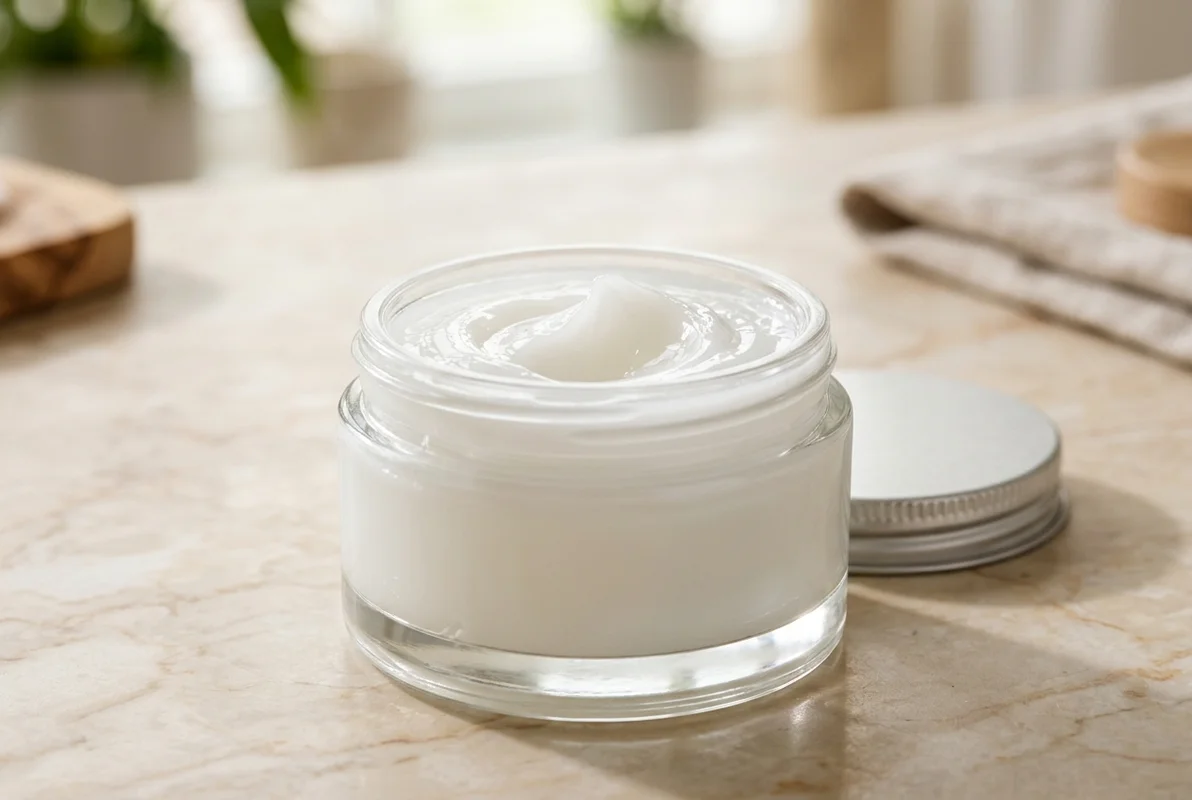
100% Pure White Petrolatum
Most people assume thick petroleum jelly clogs pores. The reality is quite surprising, and understanding how it works helps you avoid sudden breakouts.
Petrolatum is made of heavy mineral hydrocarbons (carbon chains of 25 or more). These molecules are physically much larger than human pore openings, meaning they cannot sink inside pores to form blackheads.
Unlike light lotions that evaporate, petrolatum forms a physical blanket over your epidermis. It prevents 98% of trans-epidermal water loss, giving damaged barriers rapid relief.
While the jelly itself does not cause pimples, whatever sits underneath it gets trapped. If you apply it over unwashed oil, dead cells, or acne bacteria, they multiply rapidly beneath the airtight seal.
Different moisturizers seal your barrier in different ways. Choosing the right one depends on your natural oil production and local humidity.
Maximum occlusion. Halts 98% of water evaporation, making it the premier rescue remedy for raw peeling skin, windburn, and cracked lips.
Lightweight dry oil. Absorbs in seconds without leaving a greasy glaze, making it safe for sensitive skin and mild barrier repair.
Physiological skin lipids. Rebuilds the natural mortar between skin cells rather than sitting on top as a simple surface shield.
Dense plant butter rich in stearic and oleic fatty acids. Provides rich comfort for dry body skin, but can feel heavy on warm facial zones.
Not all jars are created equal. Some contain 100% pure petrolatum, while others blend in perfumes, lanolin, or ceramides that change how they interact with facial skin. Here is how the top five options in India compare on safety, ingredients, and cost.
| Product / Brand | Petrolatum % | Normalized Price (per 10g) | Key Added Actives | Allergy / Irritation Risk | Slugging Suitability |
|---|---|---|---|---|---|
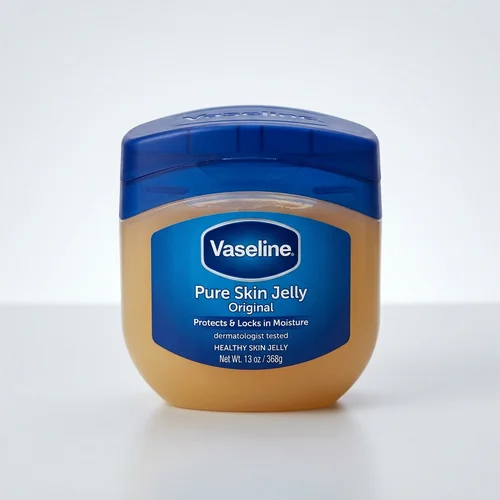
| Vaseline Pure Skin Jelly | 100% | ₹9.60 – ₹11.90 | None (100% Pure) | 🟢 Lowest (Hypoallergenic) | 🟢 Excellent (Full face slugging) |
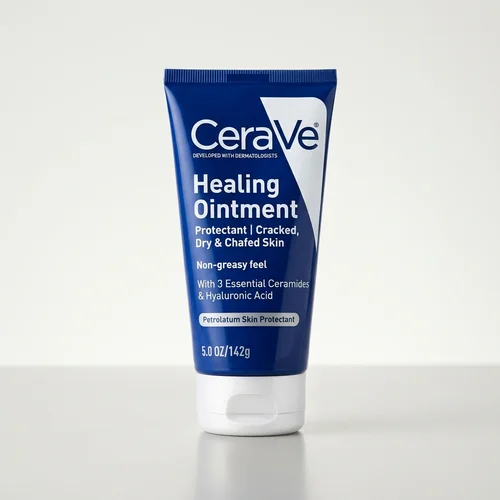
| CeraVe Healing Ointment | 46.5% | ₹188.00 | 3 Ceramides + Hyaluronic Acid | 🟢 Very Low (Lanolin-free) | 🟢 Excellent (Barrier recovery) |
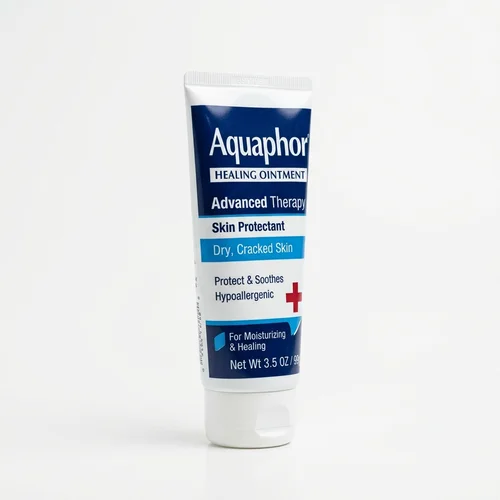
| Aquaphor Healing Ointment | 41% | ₹280.00 | Panthenol + Glycerin + Lanolin | 🟡 Moderate (Lanolin wool risk) | 🟡 Good (If not allergic to lanolin) |
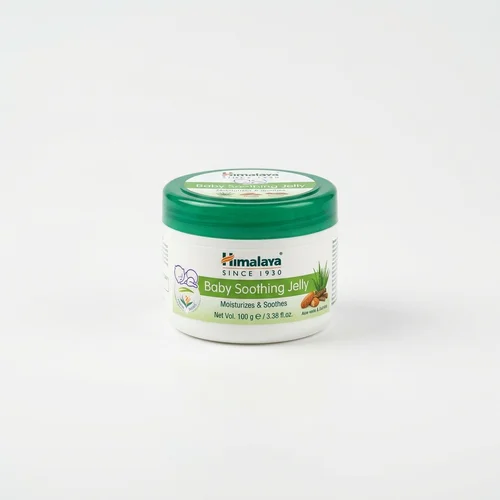
| Himalaya Baby Soothing Jelly | ~95% | ₹13.00 | Aloe Vera + Almond Oil + Scent | 🟡 Moderate (Added perfume) | 🔴 Avoid on raw or sensitive faces |
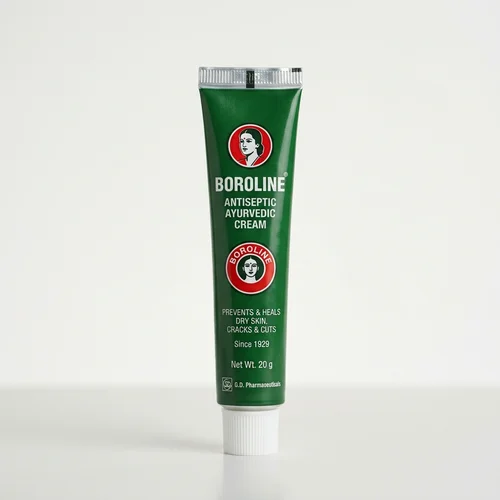
| Boroline Antiseptic Cream | Base | ₹22.50 | Zinc Oxide + Boric Acid + Lanolin | 🟡 Moderate (Heavy zinc & fragrance) | 🔴 Spot use only (Lips & heels) |
Slugging is wonderful for the right skin state, but troublesome on the wrong night. Run through this quick checklist before reaching for the tub.
Does plain tap water or your simple moisturizer cause stinging or burning? If yes, your lipid barrier is stripped. Slugging with jelly tonight will speed up healing.
Did you apply retinol, glycolic acid, or salicylic acid tonight? If yes, do not slug. The airtight seal drives potent acids too deep, causing chemical burns.
Is your room hot and humid, or is your T-zone feeling greasy? If yes, skip full-face slugging. Dab a tiny dot over dry cheekbones or lips only.
Dermatology studies measure occlusives by how well they stop water from leaving your skin. Here is how common ingredients stack up.
| Ingredient | Water Loss Reduction | Pore Clogging Risk | Texture Feel | Best Skin Type |
|---|---|---|---|---|
| Petroleum Jelly (Petrolatum) | 98% (Highest known) | 0 (Non-comedogenic) | Heavy, glossy, rich balm | Very dry, peeling, compromised skin |
| Mineral Oil | 30% to 40% | 0 to 1 (Low) | Slippery fluid liquid | Normal to dry body skin |
| Dimethicone (Silicone) | 20% to 30% | 1 (Low) | Silky, velvety, matte finish | Combination, oily, and sensitive skin |
| Coconut Oil | 15% to 20% | 4 (High risk) | Rich solid melting oil | Body skin only; avoid on acne faces |
Board-certified dermatologist Dr. Dray breaks down ten reasons why petroleum jelly is a trusted skincare staple and how to apply it without breakouts.
Slugging does not mean dipping into a jar and smearing thick globs across your face. Follow this method for a clean, non-greasy morning glow.
Wash thoroughly with a gentle non-foaming cleanser to clear away daytime oil and dust. Do not towel your skin bone-dry; leave a light mist of water.
Apply a soothing ceramide moisturizer or hyaluronic acid serum over damp skin. Give your face humectants that draw water into the upper epidermal layers.
Scoop a tiny pea-sized dab of petroleum jelly. Rub palms together to warm it into a sheer film, then gently press your hands over dry cheeks, forehead, and neck.
Dermatologists use petroleum jelly in very clever ways to stop prescription creams from irritating sensitive facial creases.
Decades of published dermatology research confirm the unique role of pure petrolatum in wound care and moisture retention.
Learn more about identifying skin conditions, balancing face oils, and building healthy daily routines.