
The 5 Salon Culprits: Why Traditional Indian Parlor Facials Cause Pimples
In India, getting a "fruit facial," "gold cleanup," or "diamond bridal package" is a cultural ritual before festivals, weddings, and celebrations. Yet every Monday morning, dermatologists' clinics across Delhi, Mumbai, Bengaluru, and Kolkata are flooded with distressed patients whose faces exploded in painful acne 24 to 72 hours after their parlor appointment.
When you ask your salon esthetician, their standard response is almost universally dismissive: "Madam/Sir, your skin is just detoxing! All the dirt from inside is coming out. Take another cleanup next week."
The 5 Culprits Behind Post-Salon Disasters
Purging vs Folliculitis vs Allergic Dermatitis: The Differential Diagnosis
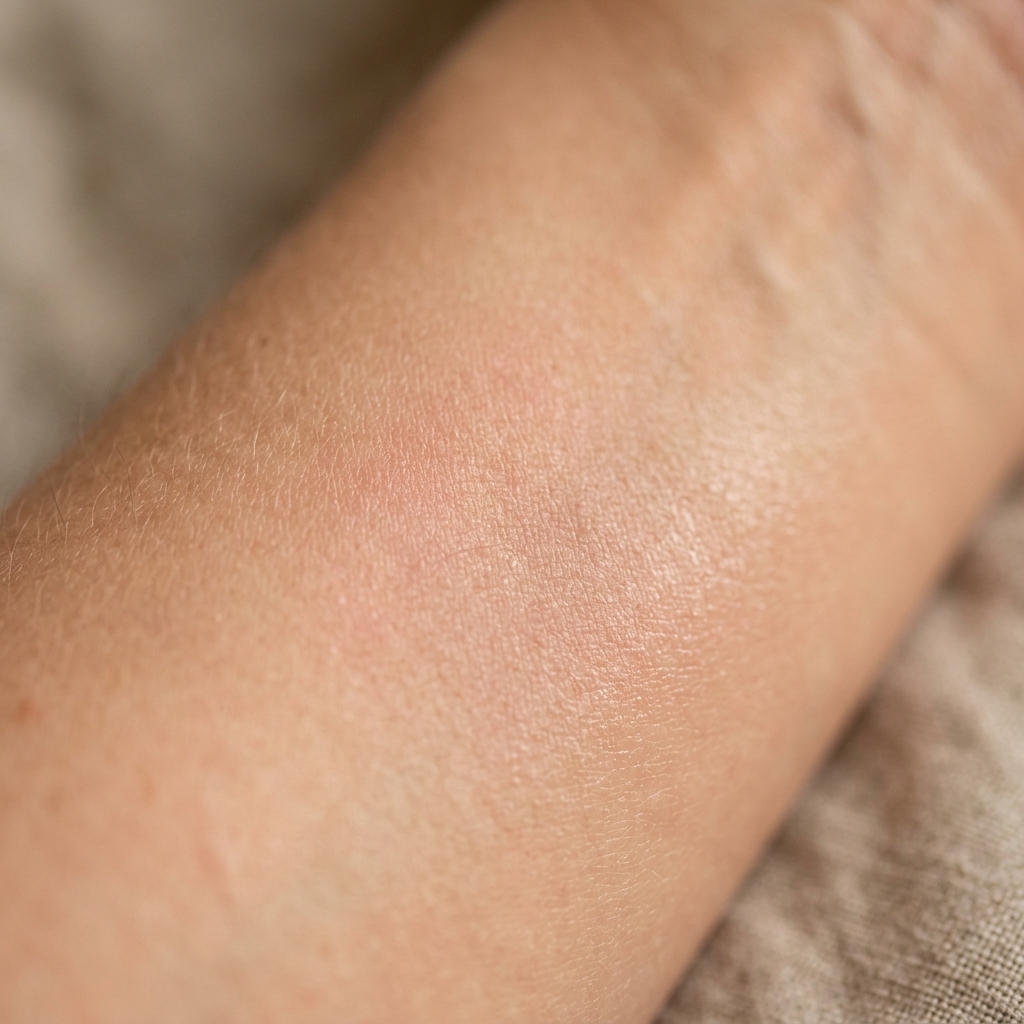
Is your breakout a temporary active "purge" or an active dermatological emergency? Knowing the difference determines whether you should wait it out or immediately apply targeted pharmacy interventions:
| Diagnostic Feature | True Active Purge | Bacterial Folliculitis | Acne Cosmetica (Pore Clogging) | Allergic Contact Dermatitis |
|---|---|---|---|---|
| Primary Cause | Medical chemical peel (Glycolic, Salicylic, Retinol peel) accelerating turnover | Infection by Staphylococcus or Pseudomonas from dirty tools, sponges, or towels | Heavy mineral oil, paraffin, or shea butter massaged into pores | Fragrances, essential oils (lavender/sandalwood), or bleach chemicals |
| Onset Timeline | Slow: emerges gradually over 4 to 10 days post-procedure | Fast: erupts within 12 to 36 hours post-facial | Gradual: appears 48 to 96 hours later as deep closed bumps | Immediate to rapid: intense itch and redness within 2 to 24 hours |
| Lesion Appearance | Small whiteheads or comedones in your habitual breakout zones | Crop of tiny, uniform, dome-shaped yellow pustules centered on hair follicles | Clusters of deep, flesh-colored bumps (closed comedones) and painful cysts | Diffuse bright red rash, swelling, tiny micro-blisters, and flaky patches |
| Sensation | Mild tenderness only when touched; no intense itch | Prickling, sore, tender, or mild localized throbbing | Deep, dull ache under the skin; no itch | Intense, unbearable itching, stinging, and burning sensation |
| Usual Locations | T-zone, chin, or areas where you normally get clogged pores | Perioral area, cheeks, upper neck, jawline | Cheeks and temples where heavy massage cream was worked in | Entire face, eyelids, neck, wherever the product was smeared |
| What Will Clear It? | Patience: resolves naturally in 10–14 days with gentle hydration | Topical antibacterial (e.g., Fusidic Acid or Clindamycin) + Cica | Lightweight BHA wash-off + Non-comedogenic recovery | Cold compresses + Calamine + Barrier repair (Strictly NO actives) |
The 72-Hour Emergency Calming Protocol (Hour-by-Hour)
If your skin is currently bright red, burning, or erupting in dozens of white pustules following a salon treatment, stop panicking. Follow this hour-by-hour emergency clinical regimen:
-
Hours 0 to 24: Immediate Thermal Cooling & The Actives Freeze
Action 1: Put All Skincare on Absolute Pause. Stop using all vitamin C serums, retinol, glycolic toners, salicylic acid washes, and acne spot gels immediately. Your barrier is deeply compromised; applying acids now will cause chemical burns and severe dark PIH marks.
Action 2: Evaporative Cooling Compress. Soak a soft, clean cotton handkerchief in chilled drinking-grade RO water (or pure saline solution) and drape it over your face for 5 to 7 minutes, 3 times daily. Do NOT apply raw ice cubes directly to the skin, as freezing cold causes reactive rebound vasodilation.
Action 3: The Plain Water Rinse. Wash your face using only lukewarm or cool water. If your skin feels coated in greasy massage wax, use a single pump of an ultra-gentle, non-foaming cleanser (such as Cetaphil Gentle Cleanser or Episoft Cleansing Lotion). Pat dry with a fresh tissue—never use a shared bathroom towel. -
Hours 24 to 48: Anti-Inflammatory Calamine & Barrier Sealing
Action 1: Calamine & Zinc Application. If the bumps are itchy, weeping, or red, apply a thin layer of plain calamine lotion (or a zinc oxide soothing cream like Sudocrem) over the affected areas. Calamine immediately cools inflamed nerve endings, reduces capillary engorgement, and inhibits bacterial colonization.
Action 2: The Physiological Lipid Buffer. Apply a lightweight, fragrance-free gel-cream rich in bio-identical ceramides, cholesterol, and Madecassoside/Centella Asiatica (e.g., Bioderma Atoderm Intensive Baume or Formularx Barrier Relief). This seals damaged stratum corneum micro-fissures and halts Transepidermal Water Loss (TEWL). Read our Damaged Barrier Protocol. -
Hours 48 to 72: Assessment & Targeted Antimicrobial Support
Scenario A (Pustules & Folliculitis): If white pus-filled heads persist, dab a tiny dot of OTC Fusidic Acid 2% cream or Clindamycin 1% gel strictly on the active pustules twice daily for 3 days to eliminate bacterial infection.
Scenario B (Dry, Flaky Redness): If the reaction was an allergic bleach burn, continue pure cica + ceramide hydration and non-nano mineral sunscreen. Avoid all direct sun exposure to prevent post-inflammatory hyperpigmentation on Indian skin.
5 Disastrous "Parlor Hacks" to Avoid When You Break Out
When panic sets in, many Indian consumers resort to popular internet remedies or parlor advice that turns a temporary 3-day breakout into permanent facial scarring:
Face Bleach & "Golden Glow" Hazards: The Alkaline Chemical Burn
In Indian beauty culture, "bleach" (such as OxyBleach, Fem, or Olivia) is widely marketed as a quick way to camouflage dark facial peach fuzz (vellus hair) into golden-yellow strands to simulate an instant fair glow. Dermatologically, facial bleach is one of the most hazardous salon procedures practiced in the country.
How Salon Bleach Destroys Your Barrier
Commercial bleach kits combine high-concentration hydrogen peroxide cream with a crystalline ammonium bicarbonate activator powder. When parlor estheticians eyeball the powder ratio—often adding "extra activator for a stronger glow"—the pH of the mixture surges above 9.5 to 10.0.
- Superficial Chemical Dermatitis: Bright red, hot, swollen skin that burns whenever water touches it.
- Monomorphic Micro-Pustules: Hundreds of microscopic, sterile pustules that appear within 24 hours as white blood cells rush to the chemically burned epidermal tissue.
- Paradoxical Hyperpigmentation: As the burn heals over 2 to 4 weeks, melanin rebounds aggressively, leaving behind patchy, dark slate-gray discoloration (PIH) that is far more conspicuous than the original facial hair.
If you experience an acute bleach burn: wash immediately with cold running water, apply pure unfragranced Aloe Vera or Calamine lotion, and avoid all sun exposure. Never apply lemon, turmeric, or exfoliating acids on bleached skin.
Extraction Loop Trauma: How Unsanitized Tools Spread Bacterial Folliculitis
The standard "blackhead removal" step during an Indian parlor cleanup is responsible for over 70% of post-facial bacterial infections. Understanding what actually occurs beneath the skin explains why this practice is so dangerous:
The Biomechanics of Follicular Rupture
A closed comedone or blind pimple is sealed beneath the stratum corneum. When a salon worker uses a stainless-steel wire loop or sharp comedone extractor and presses down with body weight onto your nose or cheek:
- The downward mechanical force does not cleanly expel the plug upward. Instead, pressure radiates outward in a 360-degree cone.
- The microscopic follicular wall (composed of living keratinocyte layers) ruptures deep in the dermis. Trapped lipids, Cutibacterium acnes, and foreign keratin debris extrude into surrounding sterile dermal tissue.
- This transforms a harmless, non-inflammatory whitehead into an angry, throbbing, deep-seated inflammatory cystic nodule.
The Contamination Chain in Local Salons
Unlike medical dermatology clinics that utilize high-pressure medical autoclaves (121°C steam sterilization) for surgical tools, local beauty parlors routinely "sterilize" extraction needles by dipping them in a small cup of Dettol water, wiping them with a damp towel, or holding them over a matchstick flame. These rudimentary methods do not eliminate spore-forming bacteria, Staphylococcus aureus, or fungal spores. As the needle pierces pore after pore across dozens of clients, it directly inoculates pathogenic bacteria into open, steamed follicles, resulting in widespread acute bacterial folliculitis.
Indian Pharmacy Emergency Soothers: What Actually Works
Instead of trusting expensive salon after-care lotions loaded with perfume, Indian pharmacies stock affordable, clinically proven, medical-grade formulations to rapidly extinguish post-facial breakouts:
Why it works: Basic zinc carbonate and ferric oxide soothe itching, absorb reactive weeping fluid from broken pustules, and provide immediate anti-pruritic relief. Apply a thin layer twice daily.
Why it works: Centella triterpenes stimulate Type I collagen synthesis, reduce dermal erythema, and accelerate barrier re-epithelialization within 48 hours.
Why it works: Eradicates opportunistic Staph and C. acnes colonizing ruptured follicles. Apply strictly as a targeted spot application for 3 to 5 days only.
Why it works: Identical to the antimicrobial molecule produced by human neutrophils. Broad-spectrum antibacterial, anti-inflammatory, and completely non-stinging on broken skin barriers.
Safe Clinical Alternatives: What Dermatologists Recommend Instead
If you want clear, radiant, glowing skin for a wedding, festival, or milestone event without risking a catastrophic breakout, replace unstandardized parlor cleanups with evidence-based dermatological procedures:
| Procedure | How It Works | Breakout Risk | Ideal Timing Before an Event |
|---|---|---|---|
| Medical Hydra-Facial (MD-Grade) | Uses closed-loop vortex vacuum suction with salicylic and lactic acid infusions. Deeply clears pores without manual squeezing or mineral oil massage. | Ultra Low | 3 to 5 days prior to the event |
| Superficial Salicylic / Mandelic Peel | A light 20% Salicylic or 30% Mandelic acid chemical peel gently dissolves intercellular dead skin glue and purges microcomedones without thermal trauma. | Low (Mild flaking) | 10 to 14 days prior to the event |
| Carbon Laser Peel ("Hollywood Facial") | A medical liquid carbon lotion is applied and vaporized with a Q-switched Nd:YAG laser. Cleanses deep pores, reduces oiliness, and brightens tone instantly. | Very Low | 2 to 4 days prior to the event |
| Traditional Parlor Fruit/Gold Facial | Unregulated steam, heavy petroleum massage, manual loop squeezing, and uncalibrated bleach. | Very High (40%–60% flare rate) | NEVER before a major event |
The Pre-Salon Safety Protocol: How to Protect Your Skin If You Must Go
If you choose to visit a beauty salon for grooming, hair services, or a basic cleanup, enforce these 5 strict non-negotiable ground rules with your esthetician: