
What Is Facial Heat Rash? The Blocked Eccrine Sweat Duct Mechanism
Every summer and monsoon in India, dermatology clinics witness a surge of panicked patients with dozens of tiny, intensely prickling red bumps across their forehead, temples, cheeks, and neck. Many assume they have suffered a massive, overnight acne breakout. In reality, these eruptions are almost always Miliaria—commonly known across Northern India as ghamoria or prickly heat.
To understand why regular acne treatments fail catastrophically against heat rash, you must first understand the fundamental anatomical difference between an eccrine sweat gland and a pilosebaceous hair follicle.
When ambient temperatures cross 38°C in Delhi, Jaipur, or Ahmedabad, or relative humidity exceeds 80% in Mumbai, Kolkata, or Chennai, the human body sweats continuously to shed thermal energy. Under prolonged heat and high humidity, three physiological events occur simultaneously:
- Stratum Corneum Overhydration (Maceration): Constant sweat saturates the outer keratin layer. Keratinocytes swell like wet sponges, compressing and physically narrowing the tiny ductal openings (sweat pores).
- Bacterial Biofilm Formation: Commensal skin bacteria—predominantly Staphylococcus epidermidis—proliferate rapidly in warm, damp sweat. They secrete a thick extracellular polysaccharide substance (slime biofilm) that casts an insoluble physical plug within the sweat duct lumen.
- Ductal Rupture and Sweat Extravasation: Sweat continues pumping upstream against the blocked duct. Pressure builds until the duct walls rupture, spilling salty, hypertonic sweat into surrounding living epidermal layers.
The Two Clinical Stages of Facial Miliaria
Depending on the depth at which the sweat duct is obstructed, facial heat rash presents in two distinct clinical forms:
1. Miliaria Crystallina (Sudamina): Obstruction occurs at the most superficial level—the subcorneal stratum corneum. Sweat is trapped just beneath the very surface, producing tiny (1–2 mm), fragile, crystal-clear vesicles that resemble dewdrops sitting on the skin. There is zero inflammation, zero redness, and no pain or itching. Rupturing them with light rubbing produces clear fluid, followed by mild powdery flaking within 24 hours.
2. Miliaria Rubra ("Ghamori" / Prickly Heat): Obstruction occurs deeper within the intraepidermal malpighian layer. Because sweat leaks into living, innervated tissue, it acts as a chemical irritant. The extravasated sweat degranulates local mast cells and fires cutaneous sensory nerve fibers. This triggers a sudden burst of uniform, discrete, inflammatory red papules and micro-vesicles, accompanied by an unmistakable, tormenting pins-and-needles, prickling, or stinging sensation that spikes the second you sweat or step into the sun.
The 3-Way Diagnostic Matrix: Heat Rash (Miliaria) vs Fungal Acne vs Regular Acne
In Indian climates, the biggest diagnostic catastrophe is mistaking heat rash for regular acne or fungal acne (Malassezia folliculitis). Each condition requires a completely different biological intervention. Treating heat rash with acne washes destroys the skin barrier, while ignoring fungal acne allows yeast colonies to spread.
Use the comprehensive clinical matrix below to differentiate your facial bumps immediately:
| Diagnostic Factor | Heat Rash (Miliaria Rubra) | Fungal Acne (Malassezia) | Acne Vulgaris (Regular Acne) |
|---|---|---|---|
| Primary Biological Site | Eccrine sweat ducts (no hair, no oil glands) | Hair follicle infundibulum (follicular) | Pilosebaceous follicle (hair + oil gland) |
| Pathological Driver | Trapped sweat extravasating into epidermis; Staph biofilm | Overgrowth of lipophilic yeast (Malassezia species) | Excess sebum + follicular hyperkeratinization + C. acnes |
| Primary Sensation | Prickling, stinging, pins-and-needles that spikes upon sweating | Intense, relentless itchiness, especially in humidity | Mild soreness, throbbing, or tenderness when swollen |
| Visual Appearance | Monomorphic tiny red papules (1–2 mm) or clear dewdrop vesicles; no pus head | Monomorphic uniform pinpoint papules or tiny sterile pustules centered on hairs | Polymorphic mix: blackheads, whiteheads, papules, pustules, deep cysts |
| Speed of Onset | Extremely rapid (2–6 hours) after heat, humidity, or heavy sweating | Sub-acute (develops over 3–7 days of sweaty, humid conditions) | Slow & cyclic (develops over weeks; fluctuates with hormones) |
| Common Facial Locations | Forehead, temples, under eyes, upper cheeks, neck creases | Upper forehead, hairline, temples, jawline, upper chest | Central T-zone (nose, chin, forehead), lower cheeks, jawline |
| Response to Air Conditioning / Cold Air | Dramatic relief within 30–60 minutes; bumps flatten in 24–48h | Temporary reduction in itch, but bumps remain unchanged | Zero change; unaffected by immediate ambient temperature |
| Response to Salicylic Acid (BHA) | Severe burning, redness, and peeling; worsens inflammation | Moderate partial benefit (exfoliates follicle surface) | Gold standard: unclogs pores and dissolves sebum plugs |
| First-Line Medical Solution | Evaporative cooling, cool compresses, Calamine / Cica, Zinc Oxide | Topical Ketoconazole 2% wash, Clotrimazole, Zinc Pyrithione | Adapalene, Salicylic acid, Benzoyl peroxide, Azelaic acid |
For more details on differentiating sweat-induced breakouts from fungal infections, explore our deep-dive on Mandelic Acid for Fungal Acne & Malassezia in India and our guide to Gym & Monsoon Sweat Acne Prevention.
The Prickly Heat Powder Hazard: Why Dermicool & Nycil Belong Nowhere Near Your Face
Across Indian households, the cultural reflex to any summer rash is immediate: reach for a bottle of Dermicool, Nycil, Cinthol, or Shower to Shower and dust it liberally over the skin. While these powders provide superficial relief to thick, friction-prone body zones (like the back of the neck or inner thighs), applying them to your face is one of the most destructive mistakes you can make.
Dermatologists across India routinely treat patients who have turned mild, self-limiting heat rash into acute chemical burns and persistent dark hyperpigmentation by dusting prickly heat talc on their cheeks and forehead. Here is the clinical science of why this happens:
The Anti-Acne Active Burn: Why Salicylic Acid & Benzoyl Peroxide Make Heat Rash Worse
The second most devastating mistake Indian skincare consumers make during summer heat rash is treating the bumps as an "acne flare-up" and attacking them with potent anti-acne actives. In an attempt to "dry out the pimples," patients reach for:
- 2% Salicylic Acid (BHA) leave-on serums or foaming face washes (Saslic DS, Minimalist 2% BHA)
- 2.5%–5% Benzoyl Peroxide spot gels (Benzac AC, Galderma)
- Prescription retinoids (Adapalene 0.1%, Tretinoin 0.025%)
- Drying alcohol-based astringent toners
Here is why these holy-grail acne ingredients fail and cause horrific chemical burning on heat rash:
1. The Absence of Sebaceous Keratin Plugs: Salicylic acid is a lipophilic keratolytic designed to penetrate into sebum-rich sebaceous follicles to dissolve desquamated keratinocytes and sticky sebum. But miliaria has zero sebaceous component. The obstruction is in a water-secreting eccrine duct. Salicylic acid has no biological target in miliaria.
2. Direct Chemical Burn to Exposed Dermis: In miliaria rubra, the intraepidermal sweat duct has already ruptured. The stratum corneum is disrupted, and living epidermal keratinocytes are bathing in extravasated sweat. When you apply 2% salicylic acid or oxidizing benzoyl peroxide to this compromised barrier, the chemicals bypass the normal protective stratum corneum and burn exposed living cells directly.
3. The "Pseudo-Purge" Illusion: Patients experience horrific burning upon application, followed within 24 hours by bright red peeling, raw patches, and an explosion of dozens of new red bumps. Panicking, the patient assumes their skin is "purging" and applies even more active, initiating a devastating cycle of chemical barrier destruction. To understand real purging versus barrier damage, read our clinical guide to Acne Purging vs Breakout & Barrier Damage in India.
The 24–72 Hour Rapid Soothing Protocol: How to Clear Facial Miliaria Fast
The single most powerful medicine for heat rash is not an active chemical—it is thermal regulation and evaporative cooling. Because miliaria is caused by active sweat generation pushing against swollen, blocked ducts, halting sweat production allows the ductal swelling to subside, the bacterial biofilm plugs to loosen, and the skin to self-clear within 24 to 72 hours.
Follow this exact dermatologist-approved emergency protocol:
-
Phase 1: Immediate Thermal Reset & Evaporative Cooling
Move immediately into a cool, air-conditioned room (ideally set between 22°C and 24°C) or sit directly in front of a circulating fan. Cease all physical exercise or outdoor exposure. Reducing core and cutaneous temperature shuts down active sweat secretion from eccrine glands within 15 to 30 minutes, immediately halting the extravasation of sweat into your living epidermis.
-
Phase 2: Cool Water Compresses (Never Direct Ice)
Soak a clean, soft muslin or pure cotton washcloth in cool tap water (18°C–22°C). Gently drape it over your forehead, cheeks, and temples for 5 to 7 minutes. Do not rub or scrub. Critical: Never apply raw ice cubes directly to heat rash. Freezing temperatures induce reactive rebound vasodilation, cold panniculitis, and barrier shock that amplifies prickling sensations.
-
Phase 3: Surfactant-Free Gentle Cleansing
Wash your face using only lukewarm-to-cool water or an ultra-gentle, non-foaming syndet cleanser with a pH of 5.5 (such as Cetaphil Gentle Skin Cleanser or Minimalist Aquaporin Booster Cleanser). Do not use foaming face washes, salicylic acid washes, or neem/tea tree gels. Pat completely dry with a fresh cotton towel—never wipe aggressively.
-
Phase 4: Targeted Topical Soothing (Calamine or Cica)
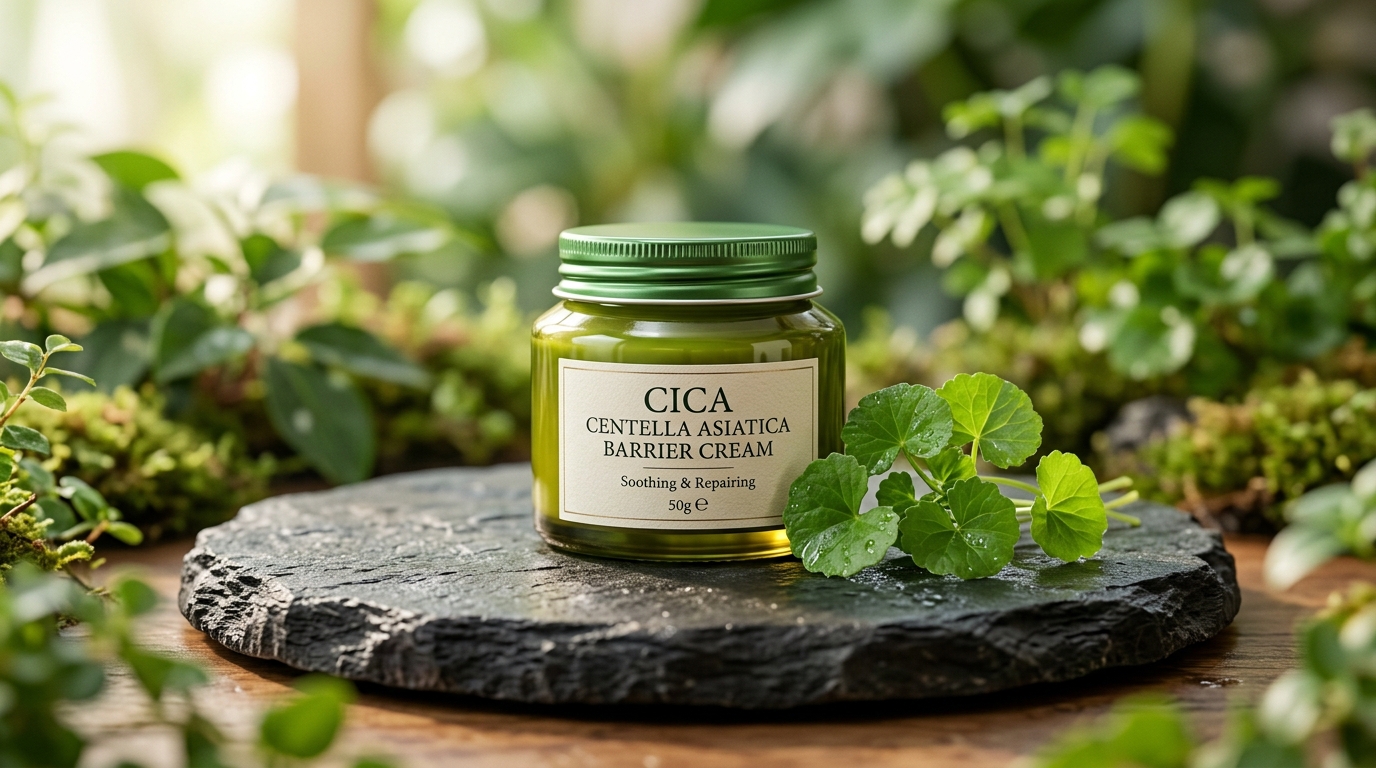
While the skin is still slightly damp, apply a light, even layer of pure Calamine lotion or a pharmaceutical Centella Asiatica (Cica) water-gel. Calamine contains zinc oxide and ferric oxide, which provide mild astringency to deswell ductal openings, instantly neutralize the prickling nerve sensation, and prevent secondary bacterial colonization.
-
Phase 5: Lightweight Barrier Sealing (Zero Heavy Occlusives)
Never apply Vaseline, petroleum jelly, Aquaphor, heavy cold creams, or thick facial oils (coconut, almond, olive) to heat rash. These heavy lipids create a suffocating occlusive seal over the stratum corneum, trapping residual sweat and reigniting the rash. Use only an oil-free, gel-based ceramide moisturizer or squalane-based barrier gel.
• Within 1 hour: Intense prickling and pins-and-needles sensation subsides by 80%.
• Within 24 hours: Redness fades; clear vesicles dry up into microscopic powdery flakes.
• Within 48–72 hours: 90%–100% of bumps completely flatten without leaving scars, provided they were not scratched or chemically burned.
Indian Pharmacy Soothing Heroes: Calamine, Zinc Oxide, Cica & Hypochlorous Acid
You do not need expensive imported skincare to clear heat rash. In fact, Indian pharmacies stock some of the world's most effective, affordable dermatological cooling formulations. Here are the 4 gold-standard topical ingredients to calm facial sweat bumps safely:
Dermatologist-Approved Indian Pharmacy Formulations
| Product Name | Key Ingredients | Approx. Price | How to Use for Heat Rash |
|---|---|---|---|
| Calamyte Lotion / Lacto Calamine (Oil Balance) | Calamine 8%, Zinc Oxide, Kaolin | ₹120–₹180 | Shake well; apply a thin film over bumpy areas before bedtime or after cooling face. Wash off with cool water in morning. |
| Cipla Cicalfate / Epilyo Gel | Centella Asiatica extract, Madecassoside, Zinc | ₹350–₹550 | Apply a pea-sized amount as a soothing gel moisturizer twice daily. Ultra-lightweight and non-occlusive. |
| Hypochlorous Acid Mist (e.g., Tower 28 dupes / Indian HOCl spray) | Pure Hypochlorous Acid 0.015%, Saline | ₹450–₹700 | Mist generously over face after stepping out of the heat, gym workouts, or removing bike helmets. Allow to air-dry. |
| Sebamed Clear Face Care Gel | Hyaluronic Acid, Aloe Vera, Panthenol (pH 5.5) | ₹400–₹500 | Completely oil-free, emulsifier-free hydrator that delivers moisture without suffocating sweat ducts. |
For individuals with chronic barrier sensitivity or persistent peeling, pairing these cooling soothers with a lightweight physiological barrier hydrator is critical. Review our recommendations in Best Ceramide Moisturisers for Acne-Prone Indian Skin.
Weatherproofing Your Skin: Surviving Indian Heatwaves, Monsoon Humidity & Gym Sweat
Living in India means navigating dramatic microclimates: stepping from an 18°C air-conditioned office into 44°C blistering heat, surviving crowded peak-hour local train commutes in Mumbai or Kolkata with 92% relative humidity, and dealing with sweat trapped under bike helmets and pollution masks.
To keep your eccrine sweat glands breathing and prevent recurring bouts of facial heat rash, adopt these practical lifestyle adjustments:
The Brown Skin PIH Defense: Fading Post-Miliaria Dark Spots on Fitzpatrick III–VI
For individuals with Fitzpatrick phototypes III, IV, V, and VI (the predominant skin types across India), the primary danger of heat rash is not the temporary bumps themselves—it is the persistent post-inflammatory hyperpigmentation (PIH) left behind once the rash subsides.
Indian skin melanocytes are biologically hyper-reactive. When trapped sweat leaks into the epidermis and triggers mast cell degranulation, the local inflammatory cascade stimulates melanocytes to ramp up melanin synthesis. If you made the mistake of scratching the prickling bumps, applying menthol prickly heat powder, or burning them with salicylic acid, each tiny sweat bump can transform into a stubborn, dark brown or slate-gray macule.
The 4-Step PIH Prevention & Fading Strategy
- Step 1: Strict Non-Intervention During Active Rash: Never attempt to pop, squeeze, or scratch miliaria bumps. They contain no solid pus or sebum core. Squeezing merely forces extravasated sweat deeper into the reticular dermis, ensuring deep dermal pigment deposition that takes up to a year to resolve.
- Step 2: 10% Azelaic Acid (Once Bumps Have Flattened): Wait until the active heat rash has completely resolved (usually 3–4 days after cooling). Once skin is no longer prickling or red, introduce a 10% Azelaic Acid gel (such as Aziderm 10%). Azelaic acid selectively inhibits abnormal, hyperactive melanocytes by blocking tyrosinase, without stripping the skin barrier or triggering photosensitivity. Learn more in our Azelaic Acid for Acne & Dark Spots Indian Guide.
- Step 3: 2%–5% Niacinamide for Melanosome Transfer Blockade: Incorporate a lightweight, fragrance-free 5% Niacinamide serum into your morning routine. Niacinamide prevents melanosomes from transferring pigment into surrounding keratinocytes, while simultaneously stimulating ceramide synthesis to strengthen the sweat duct barrier.
- Step 4: Non-Negotiable Broad-Spectrum SPF 50 Mineral Sunscreen: Ultraviolet radiation (UVA and UVB) and high-energy visible (HEV) blue light from the intense Indian sun will instantly oxidize and darken post-miliaria melanin deposits. Use a lightweight, matte-finish fluid sunscreen with zinc oxide and titanium dioxide (such as UV Doux SPF 50 or Re'equil Oxybenzone-Free). Avoid greasy, occlusive sunscreens that trigger recurrent sweat blockage.
To understand the clinical difference between red marks (post-inflammatory erythema) and brown pigment (PIH) on Indian skin, review our comprehensive clinical guide on PIE vs PIH on Indian Skin.