
The Occlusion Trap: Why Western "Slugging" Fails in Tropical India
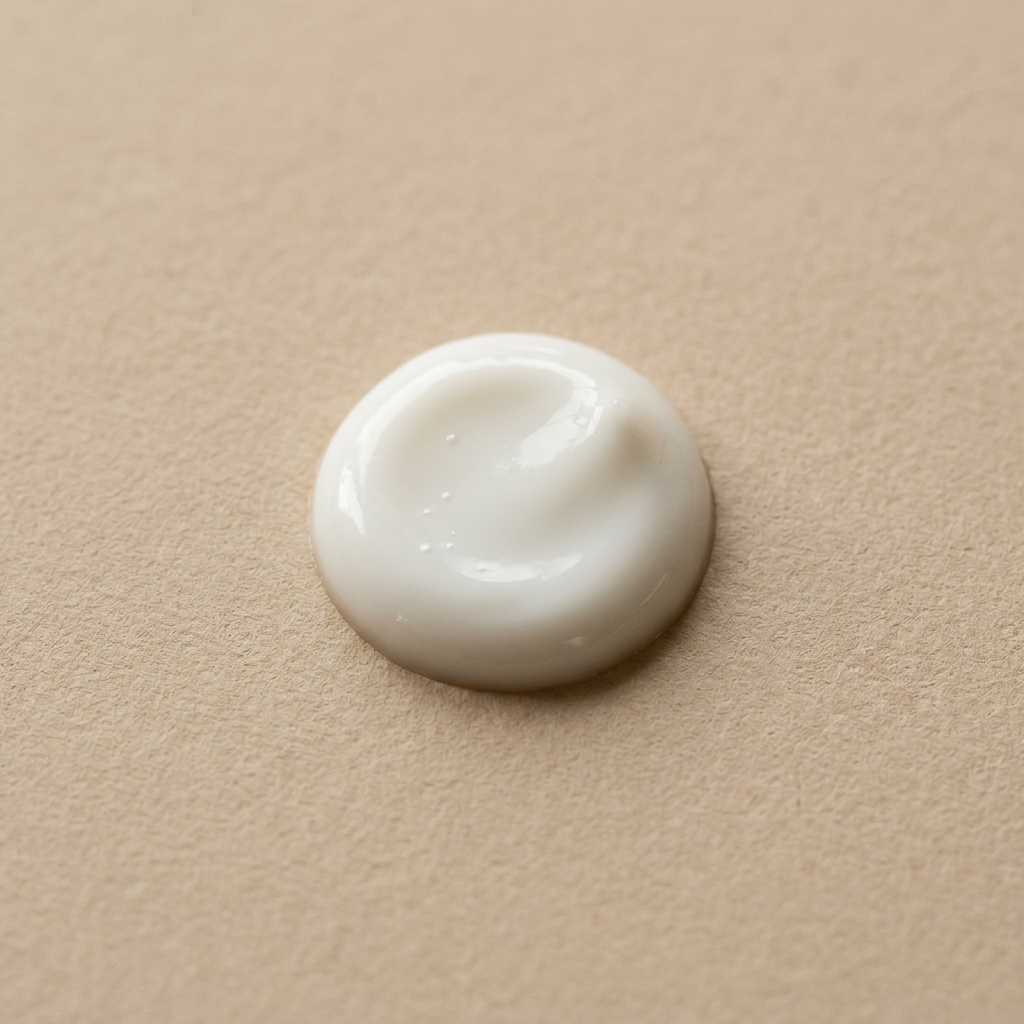
The skincare practice known as slugging originated in South Korea and gained massive viral momentum across TikTok and Instagram: slathering a thick, glossy layer of pure petroleum jelly (such as Vaseline, Aquaphor, or CeraVe Healing Ointment) all over the face as the final step of a nighttime routine to lock in hydration and wake up with "slug-like" glowing skin.
In cold, dry, sub-zero winter climates (such as Seoul, London, or New York), where indoor heating strips ambient humidity below 20%, petrolatum is an extraordinary medical barrier. It reduces Transepidermal Water Loss (TEWL) by up to 99%—higher than any plant oil or lipid cream known to cosmetic chemistry.
The Physics of Sweat Maceration Under Petrolatum
Your skin does not stop functioning while you sleep. Human facial skin undergoes continuous insensible perspiration—microscopic sweat evaporation and sebum outflow through thousands of eccrine ducts and follicular pores:
- Trapped Insensible Sweat: Petrolatum forms an impermeable hydrophobic blanket. Insensible nocturnal perspiration cannot evaporate into the humid air, remaining trapped beneath the mineral wax.
- Stratum Corneum Maceration: Over 8 hours of sleep, trapped water over-hydrates and softens epidermal cells (maceration), loosening intercellular desmosomes and destabilizing the skin barrier.
- Anaerobic Bacterial Incubator: The combination of body heat (37°C), blocked oxygen, natural sebum, and moisture creates the ultimate anaerobic micro-environment. Oxygen-hating bacteria (Cutibacterium acnes) and lipophilic yeast (Malassezia) proliferate exponentially.
The Slugging-Induced Acne Triad: Cysts, Milia & Fungal Acne
When Indian patients with oily or combination skin attempt full-face slugging, their skin typically responds with one of three distinct clinical conditions:
The Retinol Trapping Disaster: Why Slugging Over Actives Burns Skin
The single most dangerous piece of misinformation circulating on social media is the suggestion to apply petroleum jelly on top of active dermatological medications—such as Tretinoin, Adapalene, Retinol, Glycolic Acid, or Salicylic Acid—to "seal them in and make them work faster."
When you seal Adapalene or Tretinoin beneath Vaseline:
- The retinoid does not gently diffuse over 8 hours; it is forcibly driven deep into the viable epidermis and papillary dermis.
- Nuclear retinoic acid receptors (RARs) are severely overwhelmed, triggering acute retinoid dermatitis: intense burning, sheet peeling, and cracked skin fissures.
- On Fitzpatrick Phototypes III–VI (Indian skin tones), severe chemical irritation triggers immediate melanocytic hyper-activation, resulting in widespread dark Post-Inflammatory Hyperpigmentation (PIH) that takes 6 to 12 months to fade.
Dermatological Golden Rule: Never, under any circumstances, apply an occlusive ointment (Vaseline, Aquaphor) over retinoids or exfoliating acids. If you want to buffer retinoids, use the gentle Sandwich Method with a Light Ceramide Moisturizer.
Clinical Triage: Who Can Slug vs Who Must Never Slug
Slugging is not universally evil; it is simply a specialized medical tool that must be matched to the correct skin condition and climate:
| Skin Type / Condition | Slugging Verdict | Clinical Reasoning |
|---|---|---|
| Oily, Acne-Prone Skin (High Seborrhea) | Strictly Forbidden | Already produces ample endogenous squalene and wax esters; adding 99% petrolatum guarantees follicular occlusion and cystic flares. |
| Active Inflammatory Acne / Pustules | Strictly Forbidden | Traps Cutibacterium acnes and inflammatory cytokines, converting superficial pimples into deep dermal cysts. |
| Prone to Milia or Keratosis Pilaris | Strictly Forbidden | Occlusion prevents normal keratin desquamation, forming multiple hard keratin cysts around eyes and cheeks. |
| Living in Coastal / Monsoon Humidity (>65% RH) | Contraindicated | Air already carries saturated moisture; trapped perspiration induces heat rash (miliaria) and fungal yeast flares. |
| Severely Eczematous / Atopic Dry Skin (Winter) | Beneficial | Deficient in natural filaggrin and ceramides; petrolatum halts severe TEWL in dry North Indian winters (Delhi/Punjab). |
| Severely Damaged Barrier (Peeling / Stinging) | Safe (Short-term) | Can be applied for 48–72 hours as an emergency shield over pure cica, provided NO active acne is present. |
The 72-Hour Post-Slugging Emergency Recovery Protocol
Did you wake up with a cluster of angry red bumps, white pustules, or itching after trying slugging last night? Follow this emergency 3-step dermatological protocol to clear the occlusion disaster:
-
Step 1: Thorough Double Cleansing to Strip the Wax (Morning 1)
Petroleum jelly is completely insoluble in water; a splash of water will simply bead off the waxy layer. Use a gentle, oil-based micellar water or light cleansing oil to dissolve the petrolatum film, followed by a mild, low-pH amino acid foaming wash (such as Minimalist Aquaporin Cleanser or Cetaphil Oily Skin Cleanser). Gently pat dry—do not scrub.
-
Step 2: Emergency Antimicrobial & Anti-Inflammatory Spray
Mist your face with a Hypochlorous Acid (HOCl) spray or apply a 2% Niacinamide + Centella Asiatica serum. HOCl immediately neutralizes proliferating anaerobic bacteria and yeast trapped during the night without stinging or disrupting skin pH.
-
Step 3: Switch to a Breathable Oil-Free Gel-Cream (Nights 1 to 3)
Throw away the Vaseline jar. For the next 3 nights, apply exclusively an oil-free, non-comedogenic gel moisturizer containing bio-identical ceramides, hyaluronic acid, and Madecassoside. Avoid all rich balms, facial oils, and heavy creams until bumps flatten.
Breathable Indian Alternatives: Squalane, Cica & Physiological Ceramides
If you have an impaired skin barrier or dehydrated skin and want the moisture-locking benefits of slugging without triggering acne, switch from heavy mineral petrolatum to biomimetic, breathable barrier lipids:
Indian Picks: Minimalist 100% Squalane, Suganda Squalane Oil.
Indian Picks: Dr. Sheth's Cica & Ceramide Oil-Free Gel, Dot & Key Cica Calming Gel.
Indian Picks: Formularx Barrier Relief, Bioderma Atoderm Gel-Crème, Re'equil Ceramide & HA Moisturizer.
Indian Picks: Cosrx Snail 96 Mucin Power Essence (widely available on Nykaa/Tira), Minimalist Polyglutamic Acid 3%.
The Dermatologist Protocol: How to "Micro-Slug" Safely
If you suffer from localized winter flaking around your mouth or eyes but have an oily, acne-prone T-zone, dermatologists recommend Zone Slugging (or Micro-Slugging) instead of full-face coverage:
-
1. Map Your Face into Two Strict Zones
The "No-Slug" Zone: Forehead, nose, chin, and any area with active pimples, blackheads, or enlarged pores. Never apply heavy ointments here.
The "Micro-Slug" Permitted Zone: Outer orbital bone (crow's feet), dry nasal creases, chapped lips, or dry outer cheek patches. -
2. Use a Grain-of-Rice Quantity
Do not scoop a glob of ointment. Take an amount roughly the size of half a grain of cooked rice, emulsify it between two fingertips, and gently tap it strictly onto the localized dry patches.
-
3. Limit Frequency to 1–2 Nights Per Week
Never slug every night in India. Restrict micro-slugging to 1 or 2 recovery nights per week during cold winter months, preferably using the structured Skin Cycling Framework.
Slugging by Indian Region & Season
Because India spans diverse climatic zones, the safety of occlusive skincare shifts dramatically based on where you live and what season it is:
| Indian Climate Zone | Monsoon (June – Sept) | Peak Summer (March – May) | Winter (Nov – Jan) |
|---|---|---|---|
| Coastal Metros (Mumbai, Chennai, Kolkata, Kochi) | Disaster (RH >85%; guarantees fungal acne & milia) | Disaster (Severe sweat maceration & prickly heat) | Not Needed (Humidity remains high; stick to squalane/cica) |
| North Indian Plains (Delhi NCR, Punjab, Jaipur, UP) | Disaster (Heavy humidity flares cystic breakouts) | Dangerous (Extreme dry heat 45°C; blocks sweat cooling) | Safe with Caution (RH <25%, dry cold; safe for dry skin only) |
| Deccan Plateau (Bengaluru, Hyderabad, Pune) | Avoid (Rain & humidity increase fungal risk) | Avoid (Mild heat; use gel-creams) | Micro-Slug Only (Pleasant weather; use squalane or ceramide cream) |
| Himalayan Hill States (Himachal, Uttarakhand, Kashmir) | Caution (Rainy season) | Mild Use (Dry winds) | Highly Effective (Sub-zero dry air; ideal for petrolatum slugging) |