
1. The MyMirror Standardized Skincare Risk-o-Meter Scale
To evaluate dark spot treatments objectively, MyMirror applies a concrete 4-tier standardized Compatibility & Risk Scale:
Same Time & Routine
Actives complement each other perfectly when layered together.
Same Routine (AM/PM)
Safe in daily routine, split between morning and evening.
Alternate Days Only
High cumulative irritation risk. Alternate nights with buffering.
Do Not Mix at Same Minute
Direct chemical oxidation deactivation & chemical burn risk.
Kojic Acid + Niacinamide Rating: 🟢 LEVEL 1 (Highly Synergistic Dual Pair)
Kojic Acid and Niacinamide demonstrate maximum pigment clearing synergy. Kojic Acid blocks new melanin synthesis at the enzymatic source, while Niacinamide blocks existing melanosome granules from rising to surface keratinocytes.
2. Biological Synergy: Dual-Action Melanogenesis Blockade
Post-Inflammatory Hyperpigmentation (PIH) occurs when acne inflammation stimulates basal layer melanocytes to overproduce melanin pigment. Fading dark marks requires attacking the pigment pathway at two separate checkpoints:
Checkpoint 1: Enzymatic Synthesis Inhibition (Kojic Acid)
Kojic Acid (a fungal metabolite derived from Aspergillus species) acts as a potent copper-chelating agent. By binding copper ions at the active site of the Tyrosinase enzyme, Kojic Acid prevents the oxidation of L-tyrosine into dopaquinone, halting raw melanin production at the root.
Checkpoint 2: Melanosome Transfer Blockade (Niacinamide)
Niacinamide (Vitamin B3) does not inhibit Tyrosinase directly. Instead, clinical studies prove Niacinamide inhibits up to 68% of melanosome transfer from melanocytes to neighboring keratinocytes, preventing dark pigment granules from surfacing (read our Niacinamide 5% Guide).
3. Functions, Pros & Cons: Kojic Acid vs Niacinamide
Compare the biological mechanism, benefits, and drawbacks of both active ingredients:
Kojic Acid (1% – 2%)
Primary Function: Copper-chelating Tyrosinase inhibitor that stops melanin production in basal melanocytes.
- ✓ Rapidly fades stubborn brown PIH marks
- ✓ Safe alternative to hydroquinone for dark skin
- ✓ Synergizes with Vitamin C & Glycolic Acid
❌ Cons: Can cause mild contact dermatitis if overused (>2%); oxidizes when exposed to sunlight.
Niacinamide (5%)
Primary Function: Vitamin B3 derivative that blocks melanosome transfer, regulates sebum, and repairs ceramide barrier.
- ✓ Fades redness & superficial acne marks
- ✓ Regulates sebocyte oil secretion
- ✓ Rebuilds skin lipid barrier ceramides
❌ Cons: 10% high strength can trigger temporary flushing; slower than Kojic Acid on deep marks.
4. Curated Product Showcase Stage (Featured for India)
Explore top dermatologist-recommended Kojic Acid and Niacinamide products available in India:
Kozicare Kojic Acid 2% Cream
Usage Reason: Combines Kojic Acid 2%, Vitamin C, and Arbutin for targeted spot application on stubborn dark marks.
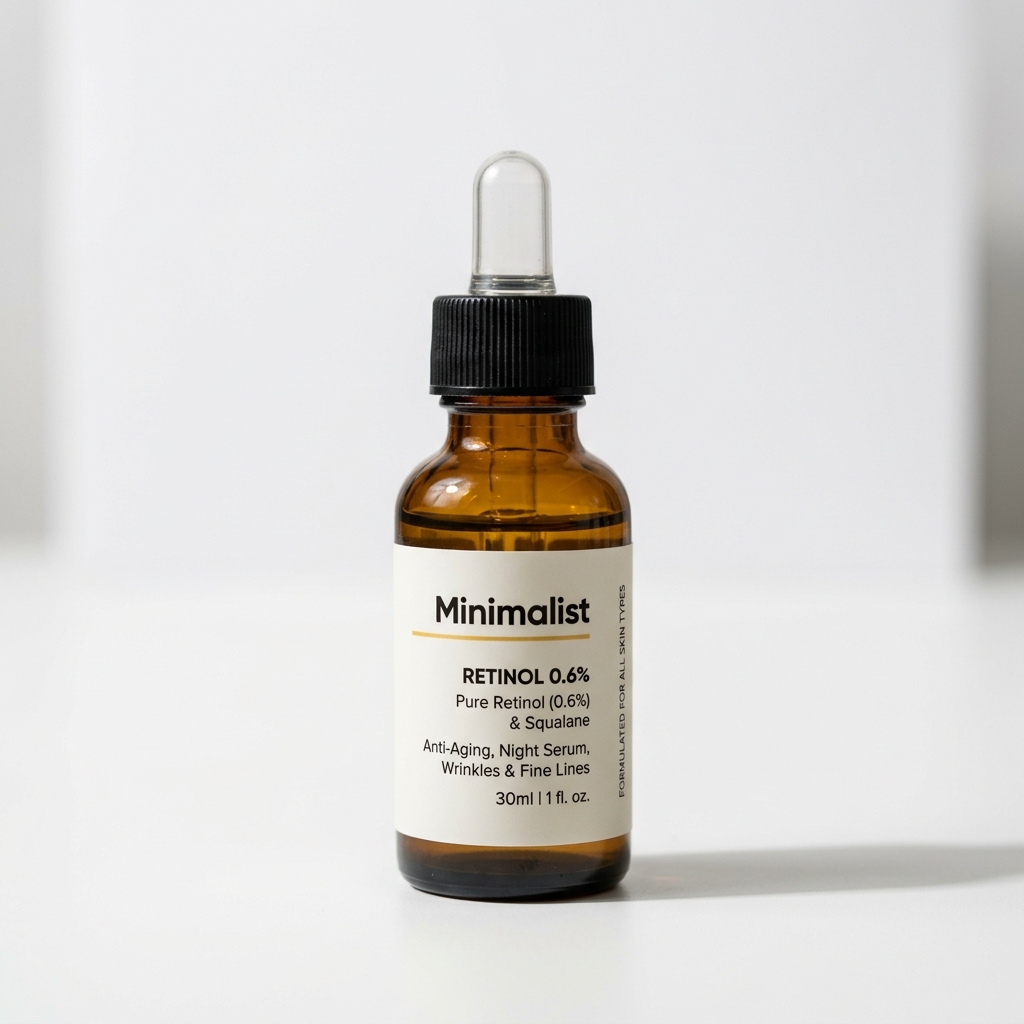
Minimalist 5% Niacinamide Serum
Usage Reason: Optimal 5% clinical strength Niacinamide paired with 1% Hyaluronic Acid and Bifida Ferment for zero-irritation dark spot reduction.
Derma Co 2% Kojic Acid Face Cream
Usage Reason: Features 2% Kojic Acid + 1% Alpha Arbutin in a lightweight cream base for overall facial dark spot correction.
5. 4-Step Clinical Application Protocol
To gain the dual pigment-fading power of Kojic Acid and Niacinamide without barrier irritation, follow this schedule:
| Routine Step | Morning (AM Routine) | Evening (PM Routine) | Target Mechanism |
|---|---|---|---|
| 1: Cleanse | Gentle non-foaming Syndet Cleanser | Gentle Oil Cleanser + Syndet Wash | Removes excess sebum without tearing skin |
| 2: Layer 1 (Niacinamide) | Niacinamide 5% Serum (3 drops) | Niacinamide 5% Serum (3 drops) | Blocks melanosome transfer to surface cells |
| 3: Layer 2 (Kojic Acid) | -- | Kojic Acid 2% Cream (Pea-sized spot layer) | Inhibits Tyrosinase enzyme melanin synthesis |
| 4: Protect | Ceramide Gel + Broad Spectrum SPF 50 | Ceramide Barrier Repair Cream | Prevents UV-induced re-pigmentation |
6. Barrier Protection & UV Defense Protocol
Fading post-acne dark marks requires strict daily sun protection:
Why UV Light Reverses Dark Spot Clearance
Ultraviolet radiation (UVA and UVB) directly triggers micro-inflammation and upregulates melanocyte Tyrosinase activity. Skipping sunscreen while using Kojic Acid will cause newly faded dark marks to darken again within 48 hours (read Best Sunscreen for Acne Prone Indian Skin).
7. Frequently Asked Questions
Yes. Kojic Acid and Niacinamide are 100% synergistic. Kojic Acid prevents the skin from producing excess melanin by inhibiting the Tyrosinase enzyme, while Niacinamide stops existing melanin from transferring to surface skin cells.
Kojic Acid 2% works faster on deep brown post-acne marks by directly blocking pigment synthesis. However, Niacinamide 5% is gentler for daily barrier maintenance and redness reduction. Combining both yields the fastest overall fading.
Yes, Kojic Acid at 1% to 2% concentrations is safe for Indian skin phototypes IV-VI. Unlike hydroquinone, Kojic Acid does not cause permanent hypopigmentation or ochronosis when used for up to 12 weeks.
Apply thin Niacinamide 5% serum first on clean skin, allow 2 minutes to absorb, and follow with your Kojic Acid 2% cream or spot treatment. Finish with ceramide moisturizer and broad-spectrum sunscreen in the morning.
8. Explore Other Ingredient Compatibility Guides
Check compatibility ratings and AM/PM protocols for other popular ingredient combinations: