
Clindamycin for Skin: Acne Combinations, Benefits & Long-Term Risks
Clindamycin is one of the most widely prescribed topical antibiotics for painful, red pimples in India. But applied alone, bacteria develop immunity within weeks. Learn how clindamycin works, why doctors pair it with Benzoyl Peroxide or Adapalene, its true benefits, and how to avoid long-term skin harm.
Quick Prescription Guide
- Red inflamed bumps only: Clindamycin + Nicotinamide (Clindac-A)
- Angry pus pimples: Clindamycin + Benzoyl Peroxide (Benxop-C)
- Blackheads & bumps: Clindamycin + Adapalene (Deriva-CMS)
- Severe cystic breakouts: Clindamycin + Tretinoin (Retino-AC)
What Is Clindamycin & How Does It Fight Facial Pimples?
Clindamycin is a targeted antibiotic from the lincosamide group. Rather than drying out surface oil, it penetrates deep into pores to calm redness and neutralize bacterial colonies through two distinct biological pathways.
Halts Bacterial Protein Production
It binds to the 50S ribosomal subunit of Cutibacterium acnes bacteria inside follicles. By blocking peptide formation, it stops bacteria from multiplying and colonizing sebaceous ducts.
Neutralizes Inflammatory Acids
Trapped bacteria release lipases that digest sebum into irritating free fatty acids. Clindamycin shuts down bacterial lipase output, preventing tissue swelling and reducing throbbing pain.
Suppresses Neutrophil Infiltration
When white blood cells rush to a congested pore, they cause heat, pus, and tender redness. Clindamycin calms this chemotactic response, deflating angry nodules before they damage deeper dermis layers.
The Goodness: 4 Major Benefits for Facial Skin
Unlike exfoliants that require months to reshape skin texture, topical clindamycin provides targeted relief during active flare-ups.
Rapid 48-Hour Blemish Deflation
Topical clindamycin calms acute pustules rapidly. Swelling, redness, and tenderness diminish within 2 to 3 days, providing prompt relief for painful cystic eruptions.
Stops Dark Spots & Melanin Trauma
On Indian skin tones, prolonged inflammation triggers melanocytes to produce dark brown patches (PIH). Cooling the inflammatory reaction quickly protects pigment cells from overreacting.
Lightweight, Non-Oily Gel Vehicle
Formulated in alcohol-free aqueous gels, clindamycin phosphate sinks into the skin without adding heavy waxes, keeping comedogenic risks at zero while allowing makeup or sunscreen on top.
The Risks: What Happens With Long-Term Usage?
Clindamycin is designed for acute intervention, not indefinite daily maintenance. Continuous usage creates biological complications that compromise skin health over time.
⚠ The Antibiotic Resistance Barrier
Applying clindamycin as a single agent beyond 8 to 12 weeks allows resistant bacterial strains to survive and dominate the skin flora.
Once resistance develops, clindamycin loses its effectiveness entirely. Worse, this immunity often extends to other antibiotics like erythromycin, leaving fewer medical options for future outbreaks.
🍄 Fungal Acne & Microbial Imbalance
Human skin relies on a balance of resident bacteria and microscopic yeasts (Malassezia). Wiping out surface bacteria for months creates an ecological void.
This imbalance allows yeasts to proliferate into Pityrosporum folliculitis: clusters of tiny, uniform, itchy bumps on the forehead and temples that look like acne but worsen with antibiotics.
💔 Barrier Thinning & Rebound Oiliness
Repeated application of antibiotic topicals can degrade the stratum corneum lipid matrix. Patients often experience tight stinging, flaking around the mouth, and paradoxically higher oil secretion as the skin tries to protect itself.
✅ How Dermatologists Eliminate These Risks
Resistance and fungal shifts are prevented by adhering to three clinical rules:
- Always pair clindamycin with Benzoyl Peroxide or Adapalene.
- Cap antibiotic therapy to a strict 8 to 12 week treatment window.
- Hand off long-term acne maintenance to a pure retinoid or BPO wash.
The 12-Week Protocol: A Sprint, Not a Marathon
Dermatologists treat clindamycin as a short-term firefighting tool to regain control, transitioning patients to non-antibiotic regulators for lasting skin clarity.
Phase 1: Acute Firefighting
Apply combination gel (e.g., Clindamycin + BPO or Clindamycin + Nicotinamide) daily. Inflammation cools down, active pus spots shrink, and microbial counts drop rapidly.
Phase 2: Pore Clearing & Stabilization
New inflammatory bumps appear less frequently. Co-formulated retinoids (Adapalene) or BPO loosen deeper microcomedones, clearing congested pores before they erupt.
Phase 3: The Hand-Off
Taper and stop clindamycin to preserve natural skin ecology. Transition to maintenance using an over-the-counter Benzoyl Peroxide wash or nightly Adapalene gel alone.
5 Clindamycin Formulations: Pros, Cons & Pricing
Different acne types require specific pairings. Here is how leading Indian pharmacy options compare in ingredients, performance, and normalized price per 10 grams.
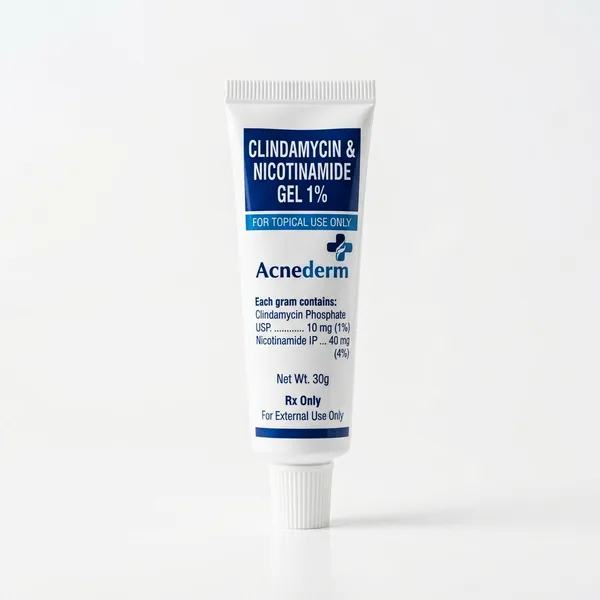
Clindac-A / Clinka-N Gel
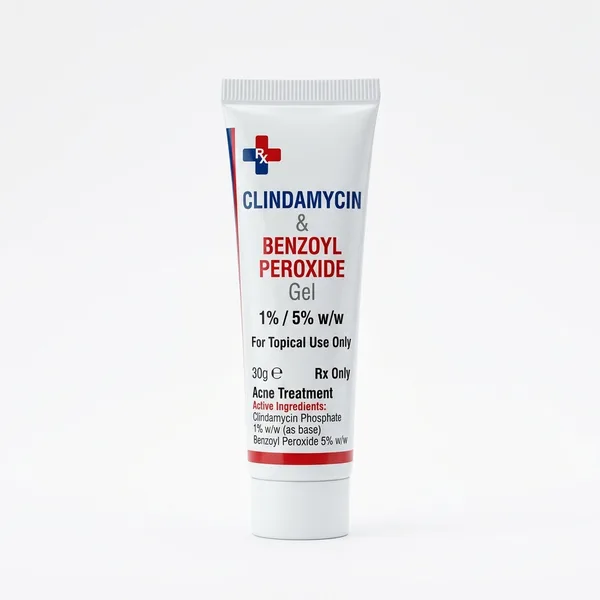
Benxop-C / Clindoxyl Gel
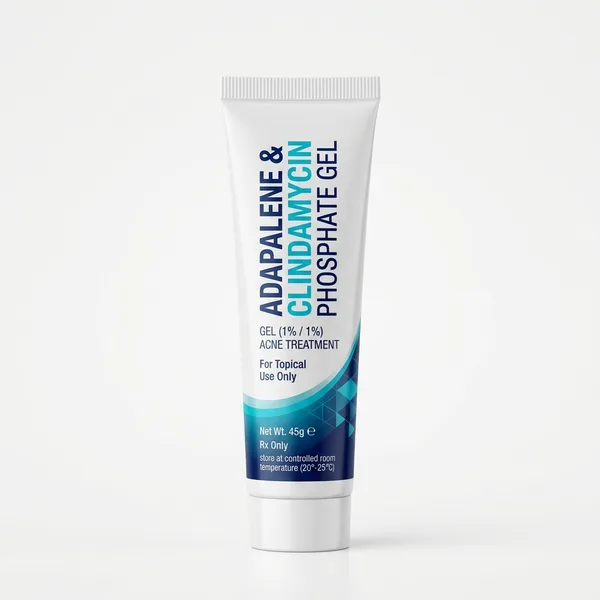
Deriva-CMS / Clin-3 Gel
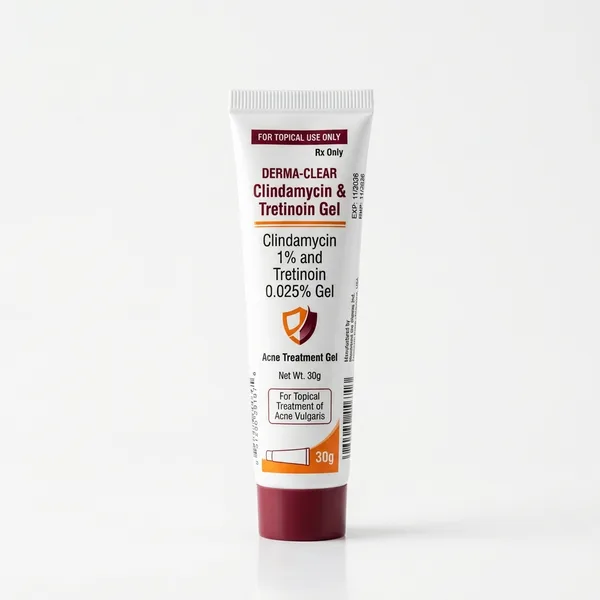
Retino-AC / Treclin Gel
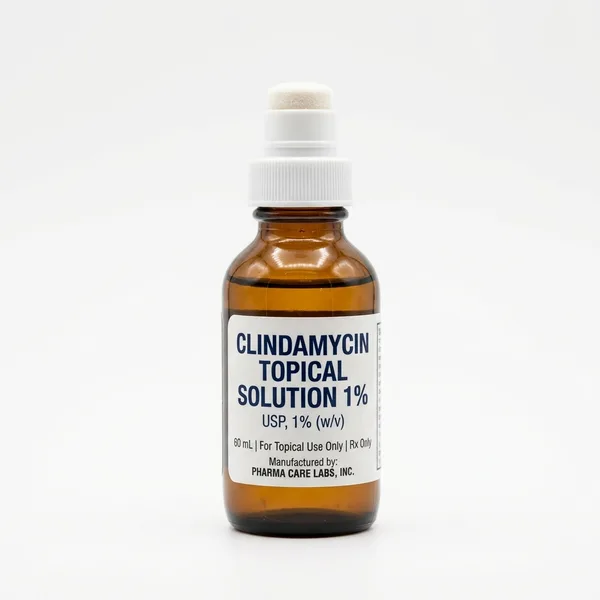
Clindacin / Dalacin-T Solution
Formulation Comparison & Safety Guide
Review ingredients, normalized pricing, acne indications, and barrier precautions across standard topical options.
| Formulation / Brand | Active Ingredients | Normalized Price (per 10g) | Target Acne Type | Drying / Peeling Risk | Resistance Protection |
|---|---|---|---|---|---|
| Clindac-A / Clinka-N | Clindamycin 1% + Nicotinamide 4% | ₹75.00 | Mild inflammatory red spots | 🟢 Very Low (Soothes barrier) | 🟡 Low to Moderate |
| Benxop-C / Clindoxyl | Clindamycin 1% + Benzoyl Peroxide 2.5% | ₹213.30 | Swollen pus pimples & papules | 🟡 Moderate (Requires moisturizer) | 🟢 Complete (No resistance) |
| Deriva-CMS / Clin-3 | Clindamycin 1% + Adapalene 0.1% | ₹253.30 | Blackheads, whiteheads & bumps | 🟡 Moderate (Initial flaking) | 🟢 High (Retinoid clearance) |
| Retino-AC / Treclin | Clindamycin 1% + Tretinoin 0.025% | ₹273.30 | Stubborn cystic adult acne | 🔴 High (Gradual adaptation needed) | 🟢 High (Cellular turnover) |
| Clindacin Solution | Clindamycin 1% in hydroalcoholic base | ₹73.30 (per 10ml) | Beard line & oily hairline spots | 🟡 Moderate (Alcohol sting) | 🔴 Low (Monotherapy risk) |
Dermatologist Explains: Clindamycin for Acne & Barrier Safety
Dr. Andrea Suarez (Dr. Dray, Board-Certified Dermatologist) breaks down how clindamycin targets bacterial lesions, why combining with Benzoyl Peroxide is critical, and how to protect your facial barrier.
How to Apply Clindamycin Combinations Correctly
Follow this 4-step sequence to clear blemishes while avoiding flaking and skin irritation.
Gentle Cleansing
Wash your face with a mild, soap-free cleanser. Avoid rough physical scrubs or high-strength acid washes immediately before application.
Wait for Dry Skin
Wait 3 to 5 minutes until skin is dry. Applying medicated topicals onto damp skin accelerates absorption, increasing stinging and redness.
Use a Pea-Sized Amount
Spread a single pea-sized dot across the affected zones. Keep 1 centimeter away from eye corners, lips, and nostril creases where irritation peaks.
Moisturizer & SPF
Layer a simple, fragrance-free ceramide cream on top. In the morning, follow with broad-spectrum SPF 50 to protect regenerating skin cells.
Frequently Asked Questions
Doctor answers to common patient questions regarding clindamycin topical treatments.