
Itchy Pimples on Face: Fungal Folliculitis Causes, Types & Treatment
Normal acne pimples throb and hurt, but they rarely itch. If you have clusters of tiny, uniform bumps on your forehead, temples, or jawline that prickle and itch—especially after sweating or working out—you are likely dealing with fungal folliculitis (an overgrowth of Malassezia yeast), not regular bacterial acne.
Quick Diagnostic Checklist
- Do the bumps itch after sweating? Typical sign of fungal yeast activity.
- Are all bumps the exact same size? Fungal bumps look uniform (1–2mm).
- Did regular acne creams fail? Antibiotics feed yeast by clearing bacteria.
- Do you oil your hair regularly? Coconut oil champi feeds Malassezia yeast.
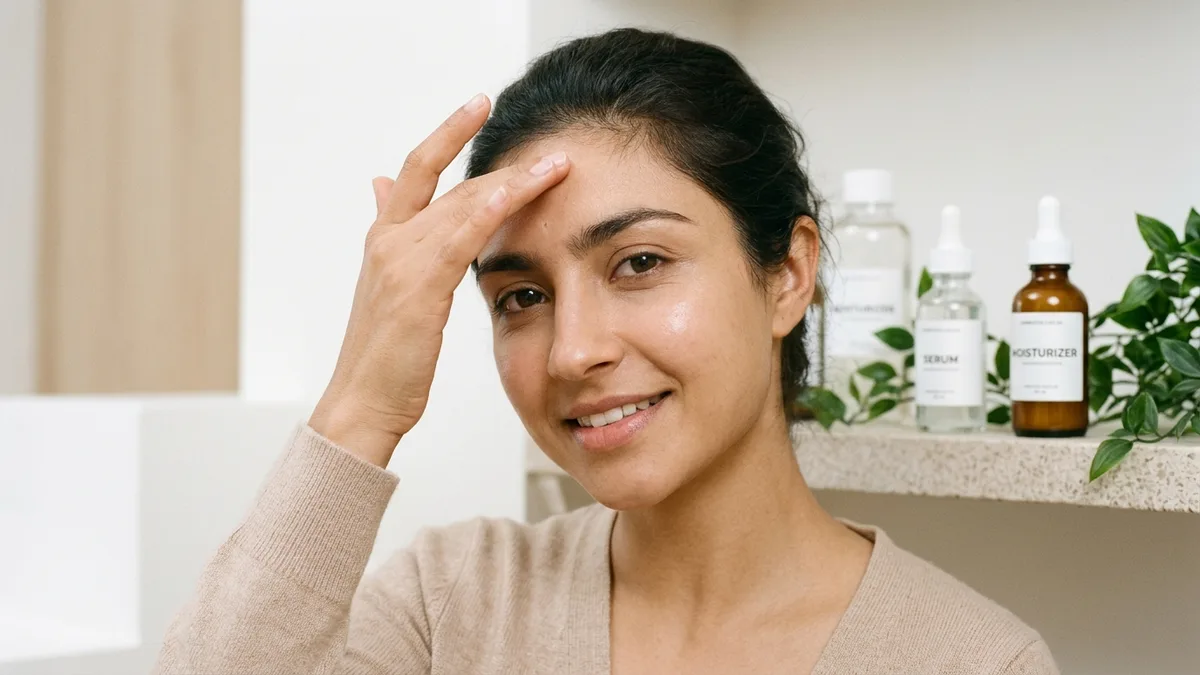
What Kind of Itch Do You Have & What Does It Indicate?
Not all facial itches point to the same condition. How and when your skin itches reveals the underlying trigger and the exact step required to fix it.
Intense Prickling Itch That Spikes With Sweat
Sudden Burning Itch Right After Washing or Moisturizing
Intermittent, Creeping Itch in Paced Intervals at Night
Deep Tender Soreness With Occasional Sharp Focal Itch
Delayed Itchy Red Rash 24 to 48 Hours After a New Product
3 Clear Signs Your Breakout Is Fungal Folliculitis
Doctors evaluate three distinct visual and symptomatic markers to differentiate yeast overgrowth from bacterial blemishes.
1. The Pruritic (Itch) Factor
Bacterial pimples feel sore and bruised when pressed. Fungal bumps itch persistently, provoking an urge to scratch, especially along the hairline, forehead, and upper chest.
2. The Monomorphic Uniform Army
Regular acne is polymorphic: you see a random mix of blackheads, deep cysts, and tiny whiteheads. Fungal breakouts look like carbon copies of each other—uniform 1 to 2 millimeter pinpoint bumps.
3. Worsens on Antibiotics
If you applied Clindamycin gel or took oral Doxycycline and your forehead suddenly erupted in small itchy dots, antibiotics cleared resident bacteria and allowed yeast to multiply unchecked.
What Feeds the Yeast? Common Triggers in India
Malassezia is a normal resident of human skin, but it feeds greedily on specific lipid molecules. Everyday habits common in India often provide the ideal feast.
🥥 Coconut Oil & Overnight Champi
Malassezia yeast requires fatty acids with carbon chain lengths between C11 and C24 to grow. Coconut oil, mustard oil, castor oil, and almond oil are loaded with these exact lipids.
When hair oil drips onto your forehead while sleeping, it provides an all-you-can-eat buffet, causing explosive yeast colonies across the upper face.
🌡 Helmet Sweat & Coastal Humidity
Yeast thrives in warm, dark, damp microclimates. Wearing bike helmets, tight caps, or gym headbands traps sweat against the hairline, creating a humid greenhouse effect that triggers intense itchiness.
👜 Heavy Shea Butter & Plant Oils
Many popular natural moisturizers contain rich plant butters (shea, mango, cocoa) or facial oils (rosehip, argan). These nourish dry skin but feed Malassezia yeast immediately.
☢ The Steroid Cream Trap (Panderm / Betnovate)
Applying OTC steroid creams suppresses your skin's local immune defense. The redness temporarily fades for 2 days, followed by a massive, angry fungal explosion across the entire face.
5 Antifungal Products in India: Pros, Cons & Pricing
Comparing proven pharmacy solutions for clearing fungal yeast, with normalized prices per 10ml or 10g.
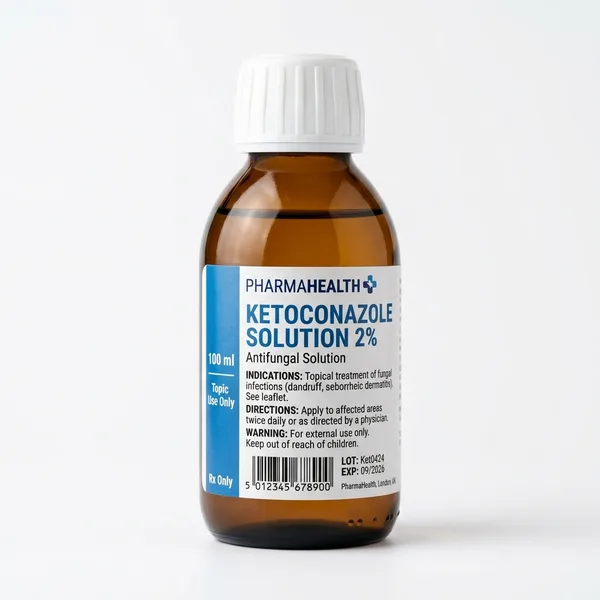
Nizral 2% Solution
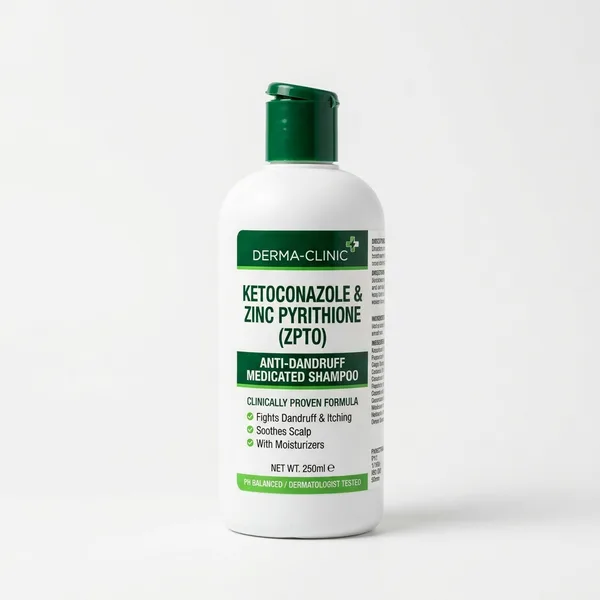
Scalpe+ Shampoo
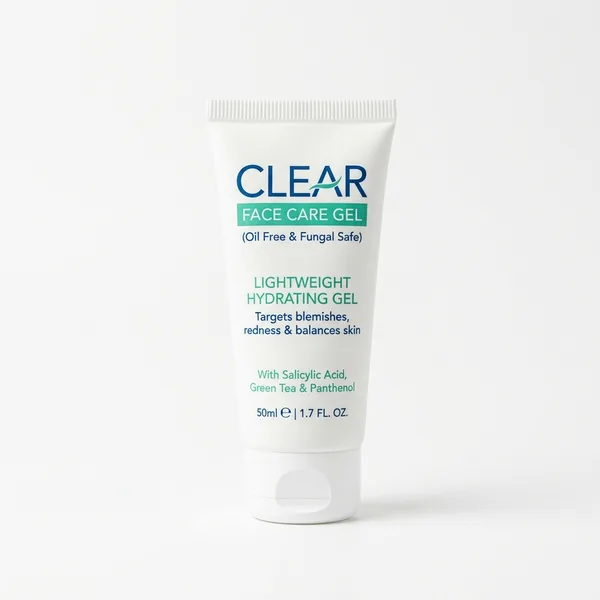
Sebamed Clear Face Gel
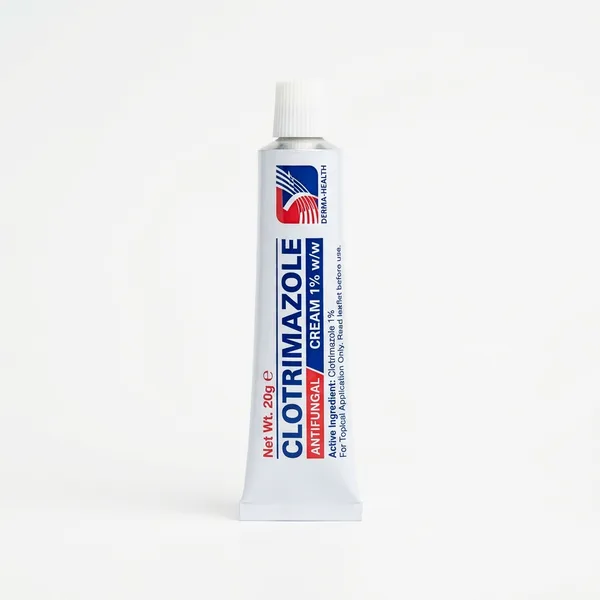
Candid / Clocip Cream
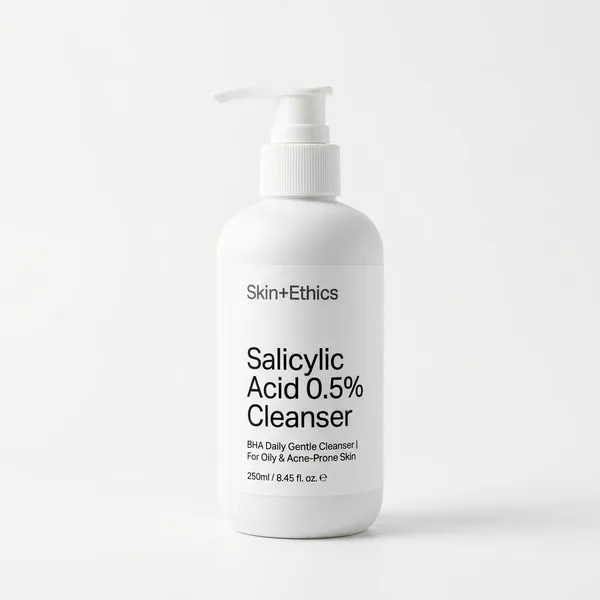
Deconstruct Salicylic Cleanser
Antifungal Products Comparison Table
Review active compounds, normalized pricing, yeast-clearing efficacy, and usage format.
| Product / Brand | Key Actives | Normalized Price | Application Type | Yeast Efficacy | Moisture Safety |
|---|---|---|---|---|---|
| Nizral 2% Solution | Ketoconazole 2% | ₹31.00 / 10ml | 3–5 min wash off | 🟢 High (Destroys yeast) | 🟡 Moderate drying |
| Scalpe+ Medicated | Ketoconazole 2% + ZPTO | ₹28.00 / 10ml | 3–5 min wash off | 🟢 High (Dual action) | 🟡 Moderate drying |
| Sebamed Clear Face Gel | Hyaluronic + Aloe (pH 5.5) | ₹96.00 / 10ml | Leave-on gel | 🟢 100% Yeast-safe | 🟢 Gentle barrier hydration |
| Candid 1% Cream | Clotrimazole 1% | ₹45.00 / 10g | Spot leave-on | 🟢 Moderate | 🟡 Contains fatty alcohols |
| Deconstruct Cleanser | 0.5% Salicylic + 2% Niacinamide | ₹27.50 / 10ml | Daily face wash | 🟡 Pore maintenance | 🟢 Low irritation |
Dermatologist Guide: Fungal Acne & Yeast-Safe Skincare
Dr. Andrea Suarez (Dr. Dray, Board-Certified Dermatologist) breaks down what fungal acne actually is, why traditional acne products fail, and how to structure a safe routine.
📝 Key Clinical Takeaways from Dr. Dray's Video
- 1. It Is Not Real Acne: Fungal acne is an infection and inflammatory reaction inside hair follicles caused by an overgrowth of Malassezia yeast, not the Cutibacterium acnes bacteria that causes typical acne vulgaris.
- 2. Why Antibiotics Make It Worse: Applying or taking standard antibacterial acne medications (like clindamycin or doxycycline) wipes out beneficial bacteria that normally keep yeast in check, causing fungal bumps to flare dramatically.
- 3. Short-Contact Therapy Protects Your Barrier: You do not need leave-on antifungal medications on your face all day. Using an over-the-counter 2% ketoconazole or zinc pyrithione wash for 3 to 5 minutes before rinsing delivers the active medication while preventing severe flaking and barrier damage.
- 4. Starve the Yeast: Cut out skincare products containing plant oils, esters, polysorbates, and fatty acids with carbon chain lengths C11–C24, as they directly feed fungal yeast. Stick to simple oil-free hydrating gels.
How to Do the 5-Minute Antifungal Wash at Home
Follow this simple 4-step short-contact protocol three times a week until itching and uniform bumps disappear.
Splash Lukewarm Water
Dampen your face with plain lukewarm water. Avoid hot water, which flares itching and dilates facial capillaries.
Lather in Hands
Take a coin-sized drop of Nizral 2% or Scalpe+ between wet palms and work into a gentle foam before touching your face.
Wait 3 to 5 Minutes
Smooth foam over forehead, temples, and jawline. Let it rest for 3 to 5 minutes like a mini mask so ketoconazole binds to follicles.
Rinse & Hydrate
Rinse thoroughly with cool water. Pat dry with a clean towel and seal with an oil-free moisturizer like Sebamed Clear Face Gel.
Frequently Asked Questions
Doctor answers to common questions regarding itchy facial bumps and fungal folliculitis.